Annapurna III
7,555m
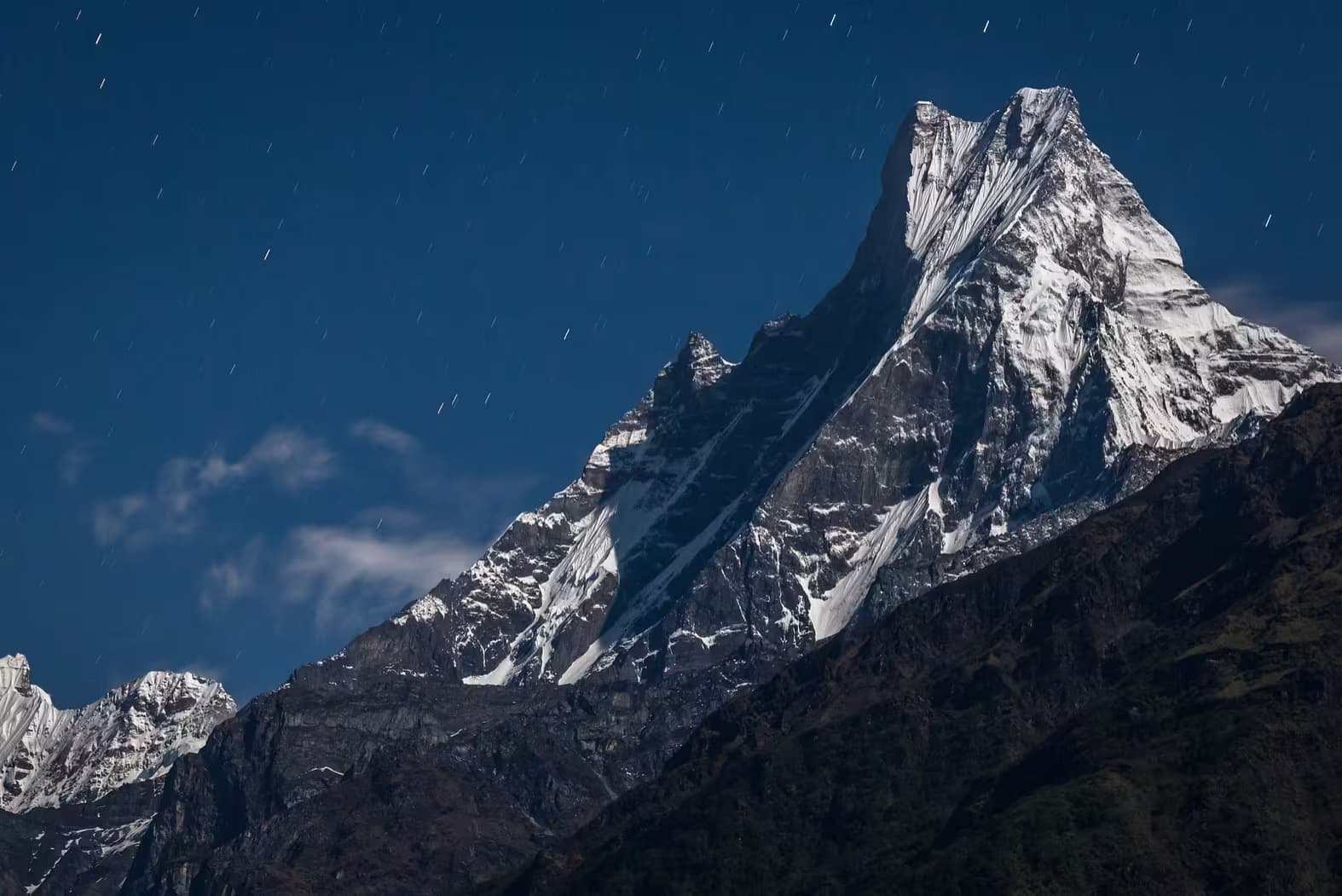
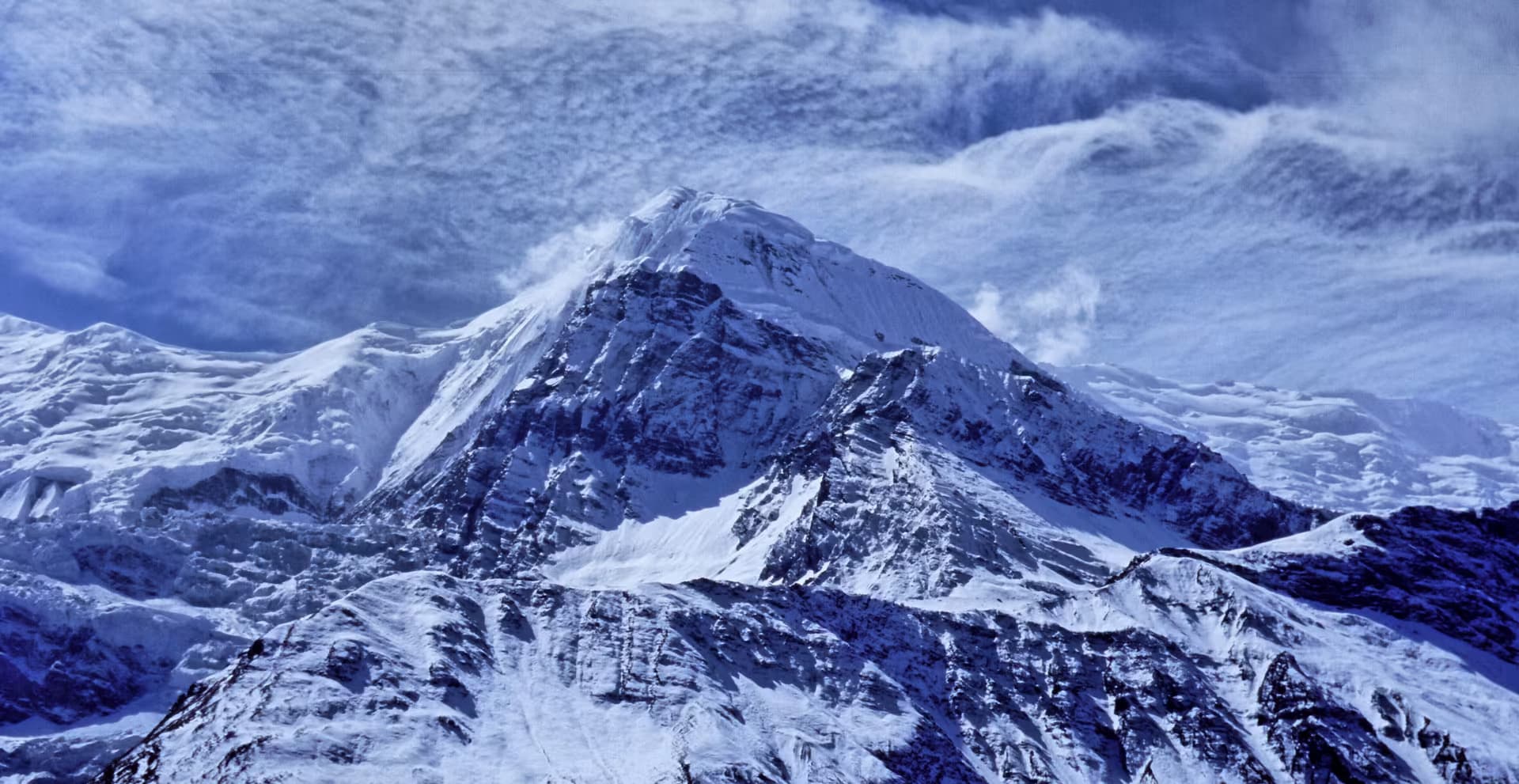
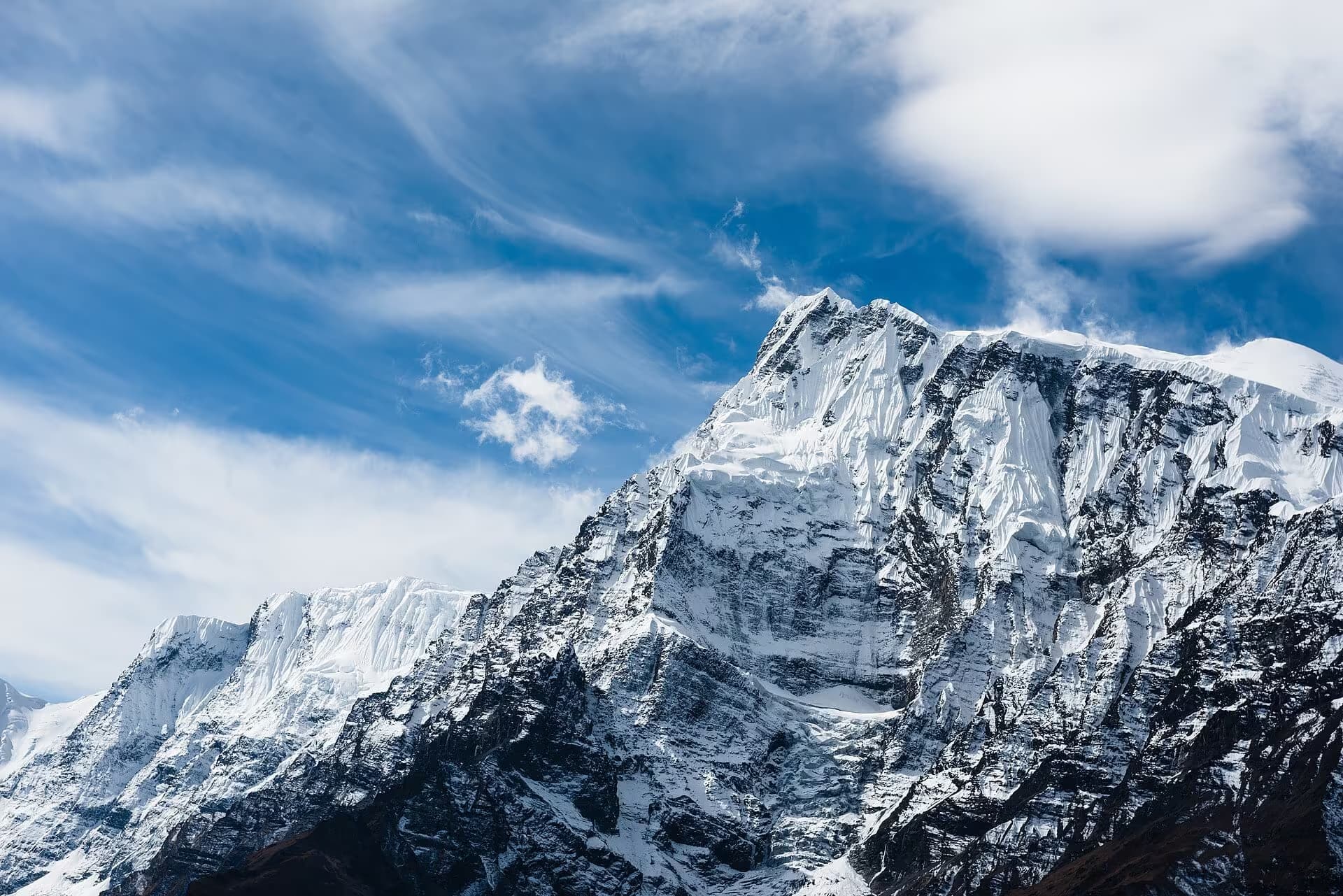
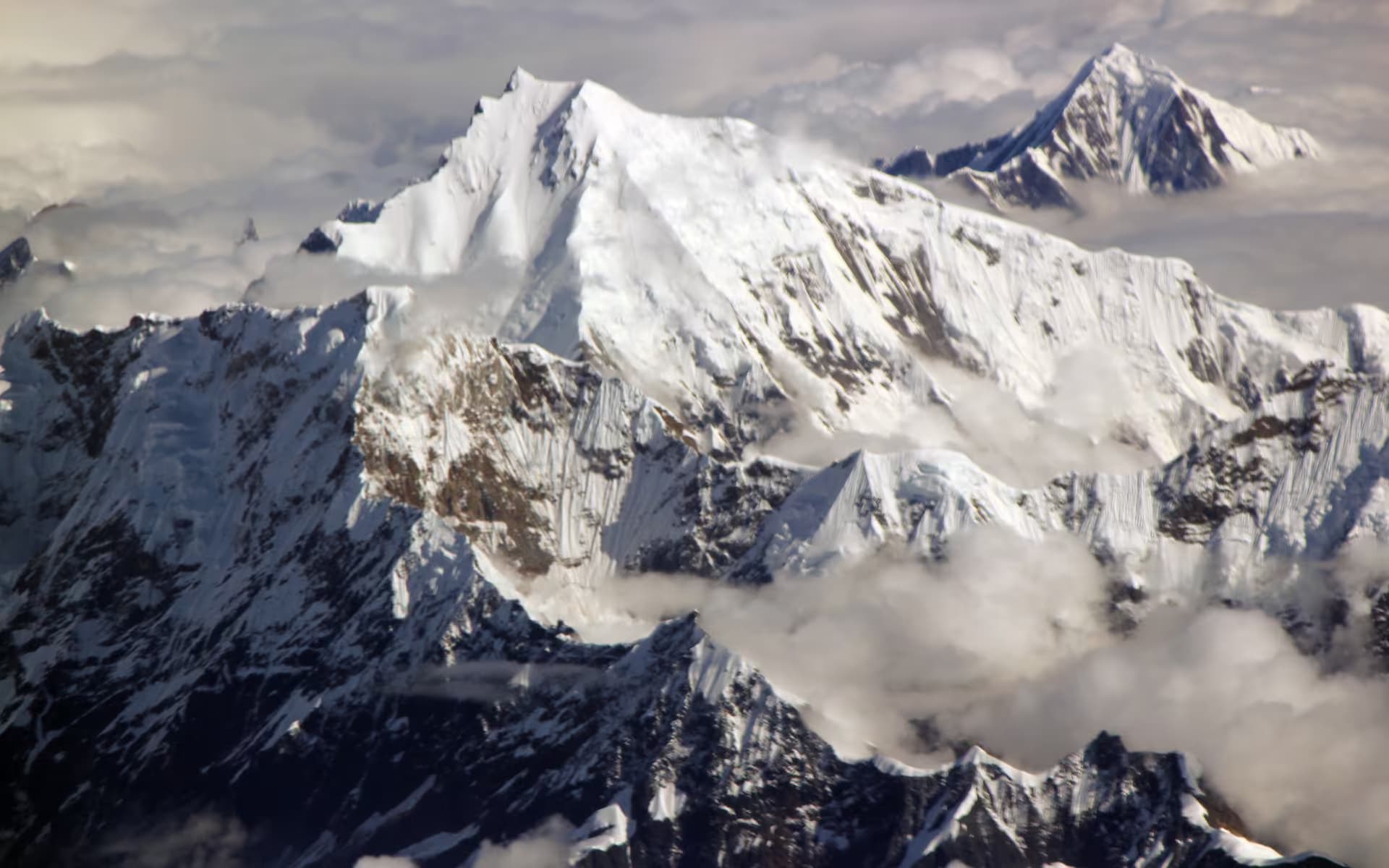
The soaring 7,555m peak that forms the skyline between Gangapurna and Annapurna IV — one of the most striking and technically demanding faces in the Annapurna massif.
Mountain Weather
Annapurna III (7,555m) is one of the principal summits of the Annapurna massif, rising between Gangapurna (7,455m) to the west and Annapurna IV (7,525m) to the east. The mountain's dramatic north face, rising over 3,500m above the Marsyangdi Valley, forms part of the extraordinary wall of peaks visible from Manang village — one of the most impressive concentrations of high altitude in the world at eye level.
First climbed on October 6, 1961 by M.S. Kohli, Sonam Gyatso, and Pasang Wangdi of an Indian Army expedition led by N. Kumar, via the south face from the Annapurna Sanctuary. The expedition reached the summit by a difficult route that has rarely been repeated. Like its more famous siblings in the massif, Annapurna III maintains a severe fatality rate and has seen relatively few ascents since the first. The north face in particular remains an extremely difficult objective sought only by elite alpinists.
For trekkers, Annapurna III is a constant, dramatic presence on the Annapurna Circuit. From Manang (3,540m), the peak's ice-plastered north face and razor ridges can be studied in detail — an experience made extraordinary by proximity. The short acclimatization hike from Manang to the Gangapurna Lake viewpoint frames Annapurna III alongside its neighbors in one of the most photographed mountain panoramas in Nepal. The Annapurna Sanctuary trek on the south side offers a completely different perspective of the massif. Best trekking seasons: spring (March-May) and autumn (October-November).
Location
Planning this climb? Local operators publishing trips here can arrange it.
Elsewhere in this region
Help us get it right
Know Annapurna III better than we do?
We write from research and reporting, and the ground changes faster than we can keep up. If something here is out of date, or you have been and would tell it differently, we would rather hear it.