Annapurna I
8,091m
The tenth highest peak and statistically the most dangerous 8,000er — the first eight-thousander ever climbed by humans.
Mountain Weather
Annapurna I (8,091m) holds a special place in mountaineering history as the first eight-thousander ever climbed. Maurice Herzog and Louis Lachenal reached the summit on June 3, 1950, in a dramatic French expedition that nearly cost them their lives — both suffered severe frostbite and Herzog lost all his fingers and toes.
Annapurna I is statistically the most dangerous of the 14 eight-thousanders, with a historical fatality-to-summit ratio of approximately 27-32%. Its massive south face, rising over 3,000m, is considered one of the most formidable and dangerous face climbs in the Himalaya — first ascended in 1970 by Don Whillans and Dougal Haston of a British expedition led by Chris Bonington, one of the landmark achievements in Himalayan climbing.
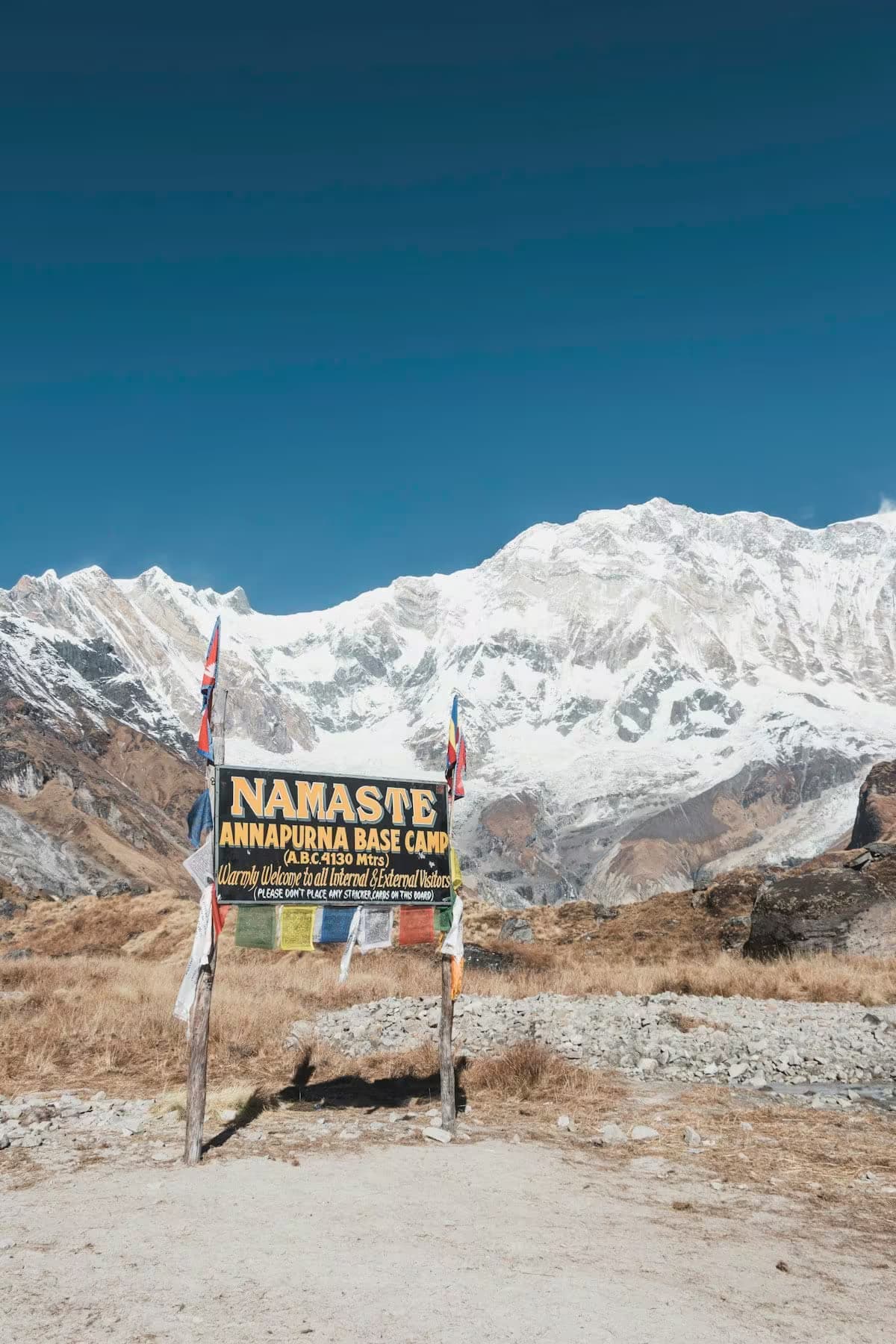
While the climbing route is for elite mountaineers only, the Annapurna region offers some of Nepal's most popular treks: the Annapurna Circuit (a 2-3 week trek circumnavigating the entire Annapurna massif) and the Annapurna Base Camp trek (10-12 days into the heart of the sanctuary). The gateway city is Pokhara.
The Annapurna Conservation Area (established 1986, covering 7,629 sq km) is the largest and most visited protected area in Nepal by trekker volume, with diverse ecosystems from subtropical to arctic. The best trekking seasons are spring (March-May) and autumn (October-November).
Location
Planning this climb? Local operators publishing trips here can arrange it.
Elsewhere in this region
Help us get it right
Know Annapurna I better than we do?
We write from research and reporting, and the ground changes faster than we can keep up. If something here is out of date, or you have been and would tell it differently, we would rather hear it.