Gangapurna
7,455m
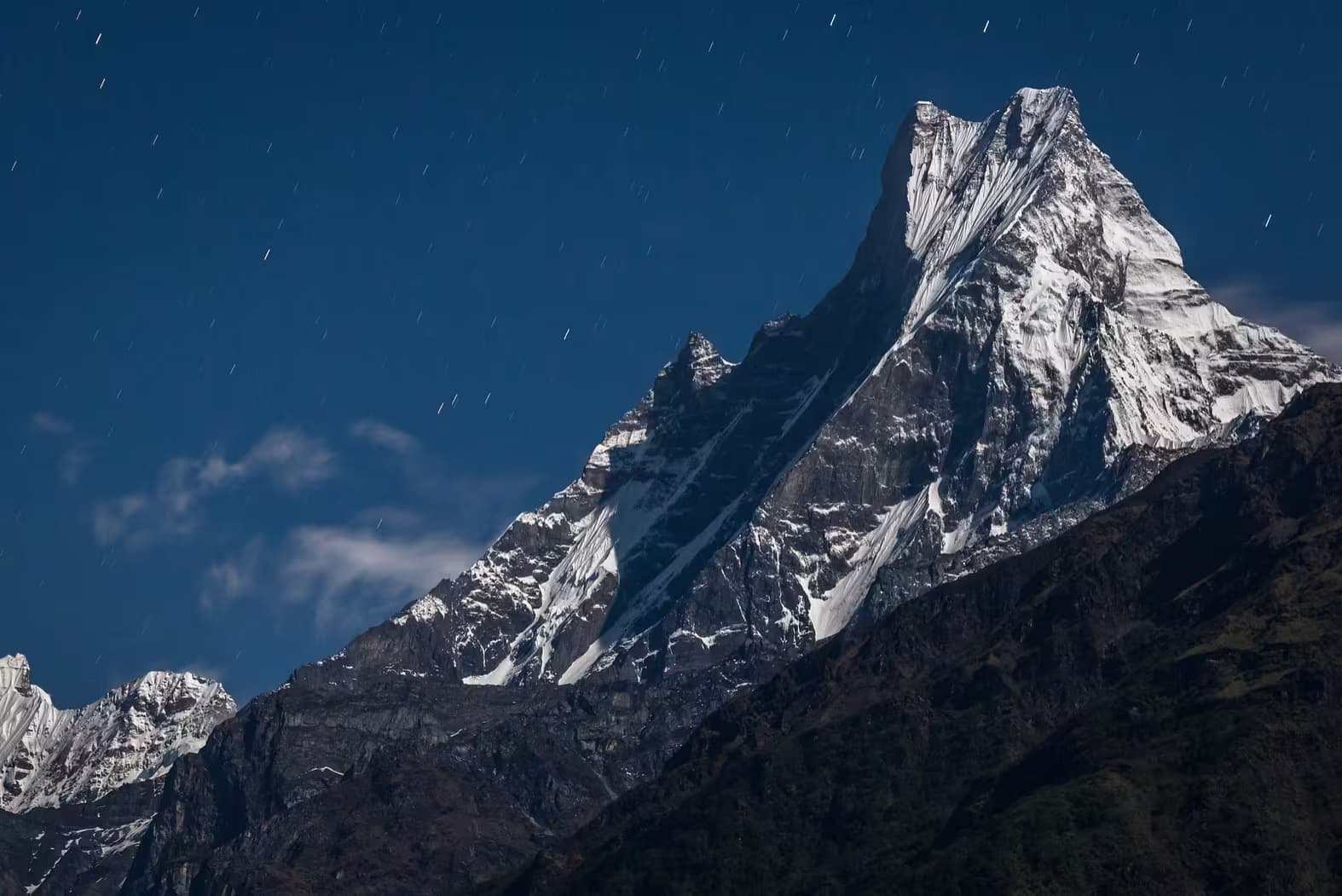
The stunning 7,455m peak that towers directly above Manang village — its glacial lake one of the most beautiful sights on the Annapurna Circuit.
Mountain Weather
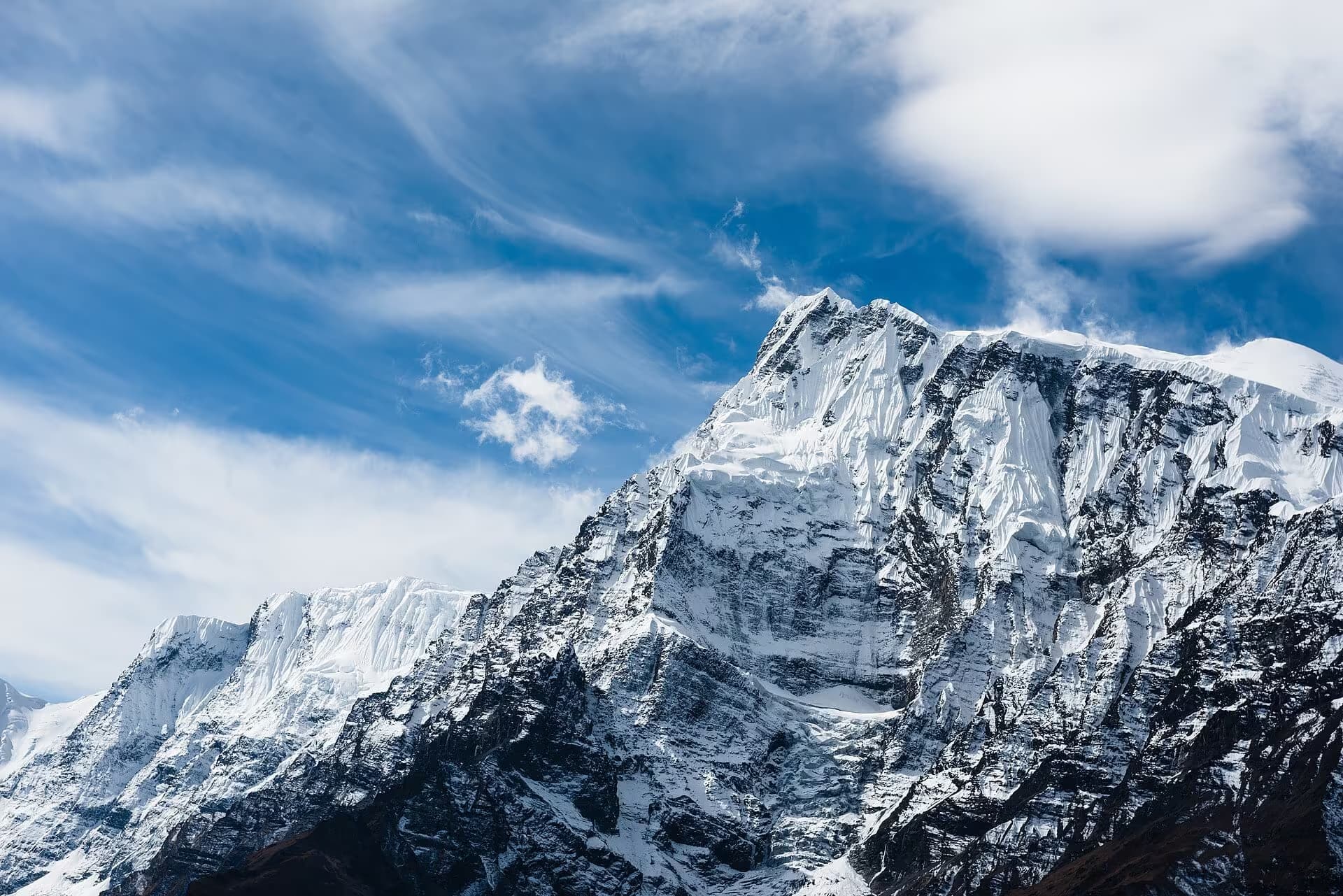
Gangapurna (7,455m) is one of the most visually arresting peaks in the Annapurna massif, rising dramatically above the traditional village of Manang (3,540m) in the Marsyangdi Valley. The mountain's name combines 'Ganga' (the sacred Ganges river goddess) with 'purna' (full or complete in Sanskrit), reflecting the life-giving waters that flow from its glaciers to the Marsyangdi River.
First climbed on May 6, 1965 by a German expedition led by Günter Hauser via the east ridge, Gangapurna remains a technically challenging peak (AD+/D grade) with relatively few ascents. The mountain's north face drops precipitously to Gangapurna Lake — a stunning turquoise glacial tarn at approximately 3,650m that is one of the most photographed spots on the Annapurna Circuit. The lake was formed when glacial retreat in the 1960s created a moraine-dammed basin, and its electric blue color against the backdrop of Gangapurna's ice walls is unforgettable.
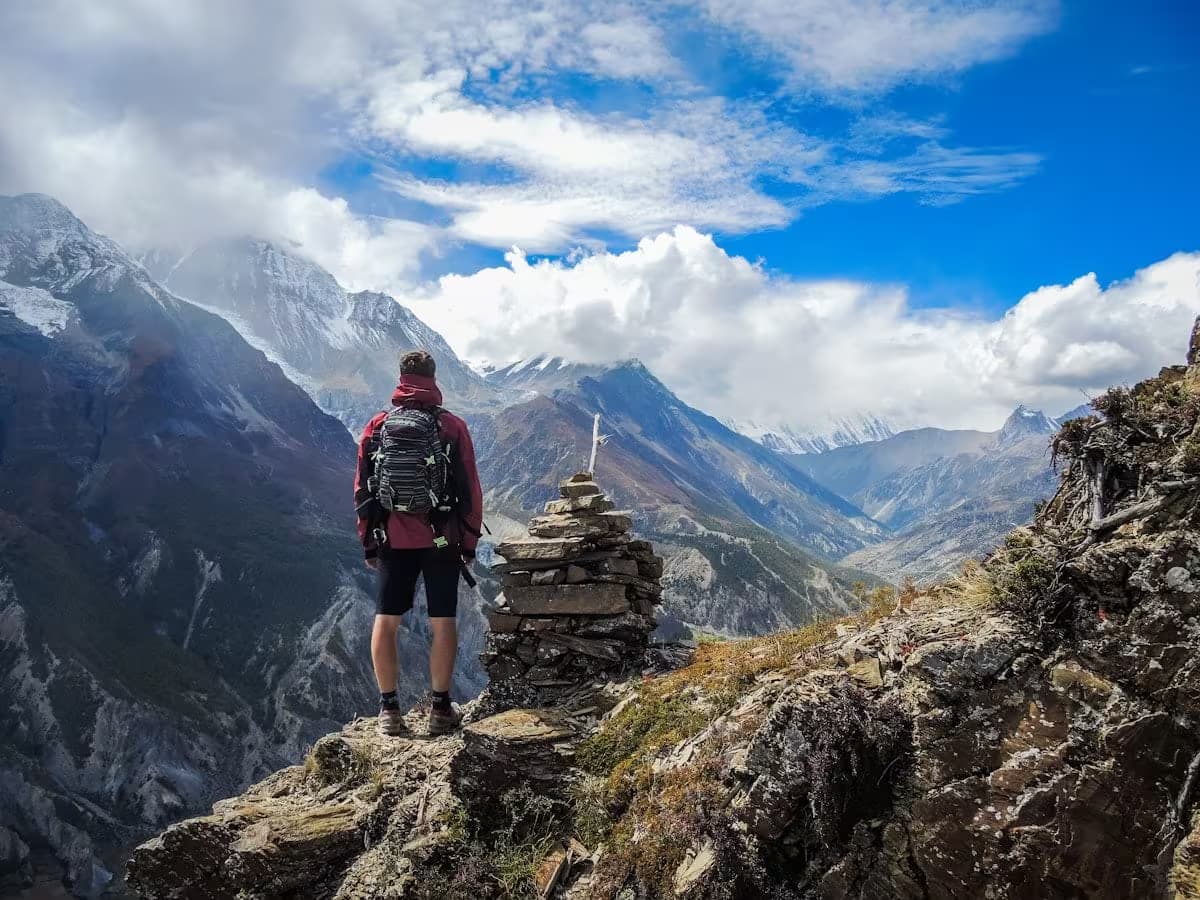
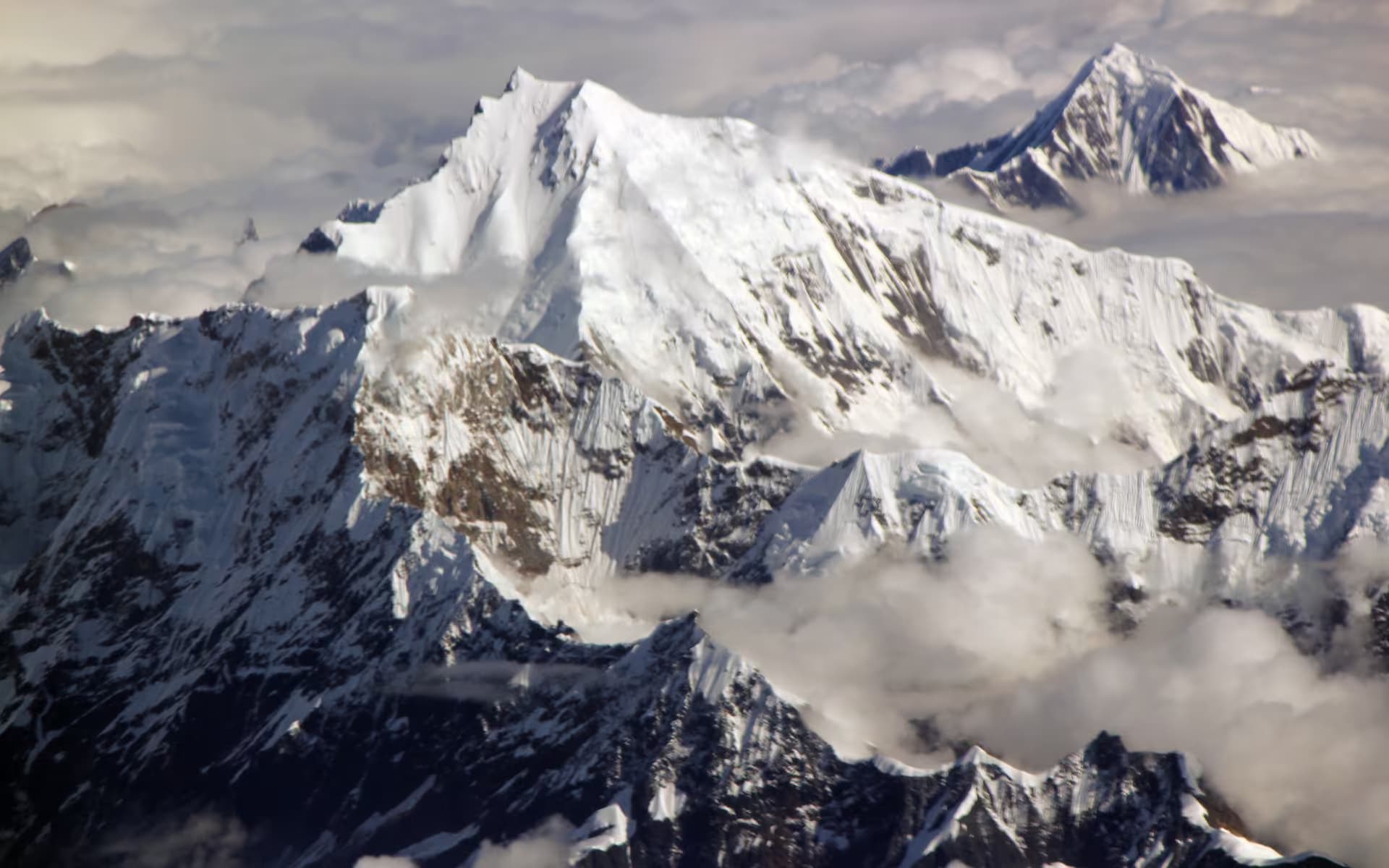
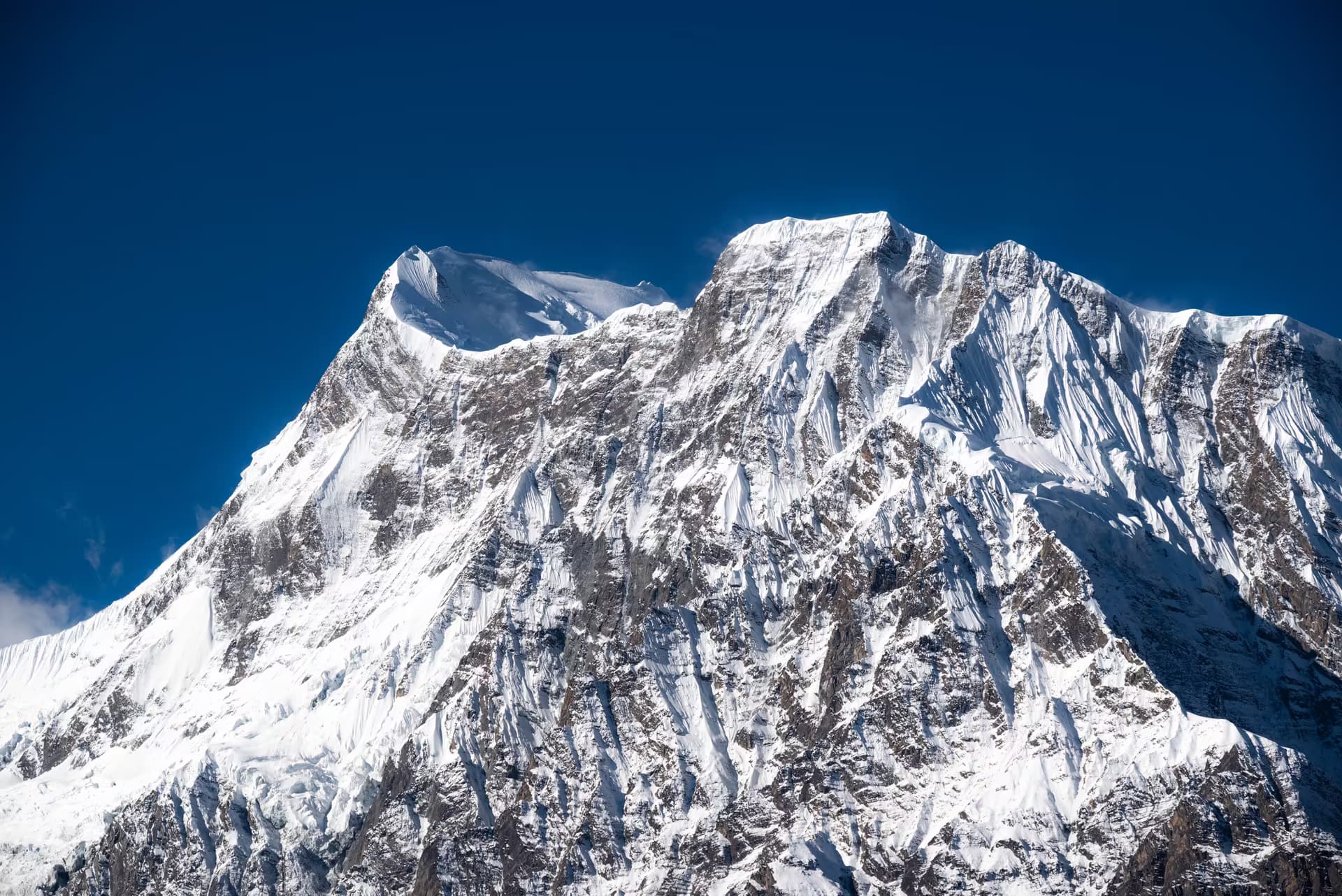
For trekkers, the short hike from Manang to Gangapurna Lake and the Gangapurna Glacier viewpoint is a popular acclimatization day on the Annapurna Circuit. The mountain forms part of the northern wall of the Marsyangdi Valley alongside Annapurna III (7,555m) and Annapurna IV (7,525m), creating one of the most concentrated collections of 7,000m+ peaks visible from a village on Earth. The Manangba people, with their distinct Tibetan-influenced culture and flat-roofed stone architecture, add cultural depth to the experience. Best seasons: spring (April-May) and autumn (October-November).
Location
Planning this climb? Local operators publishing trips here can arrange it.
Elsewhere in this region
Help us get it right
Know Gangapurna better than we do?
We write from research and reporting, and the ground changes faster than we can keep up. If something here is out of date, or you have been and would tell it differently, we would rather hear it.