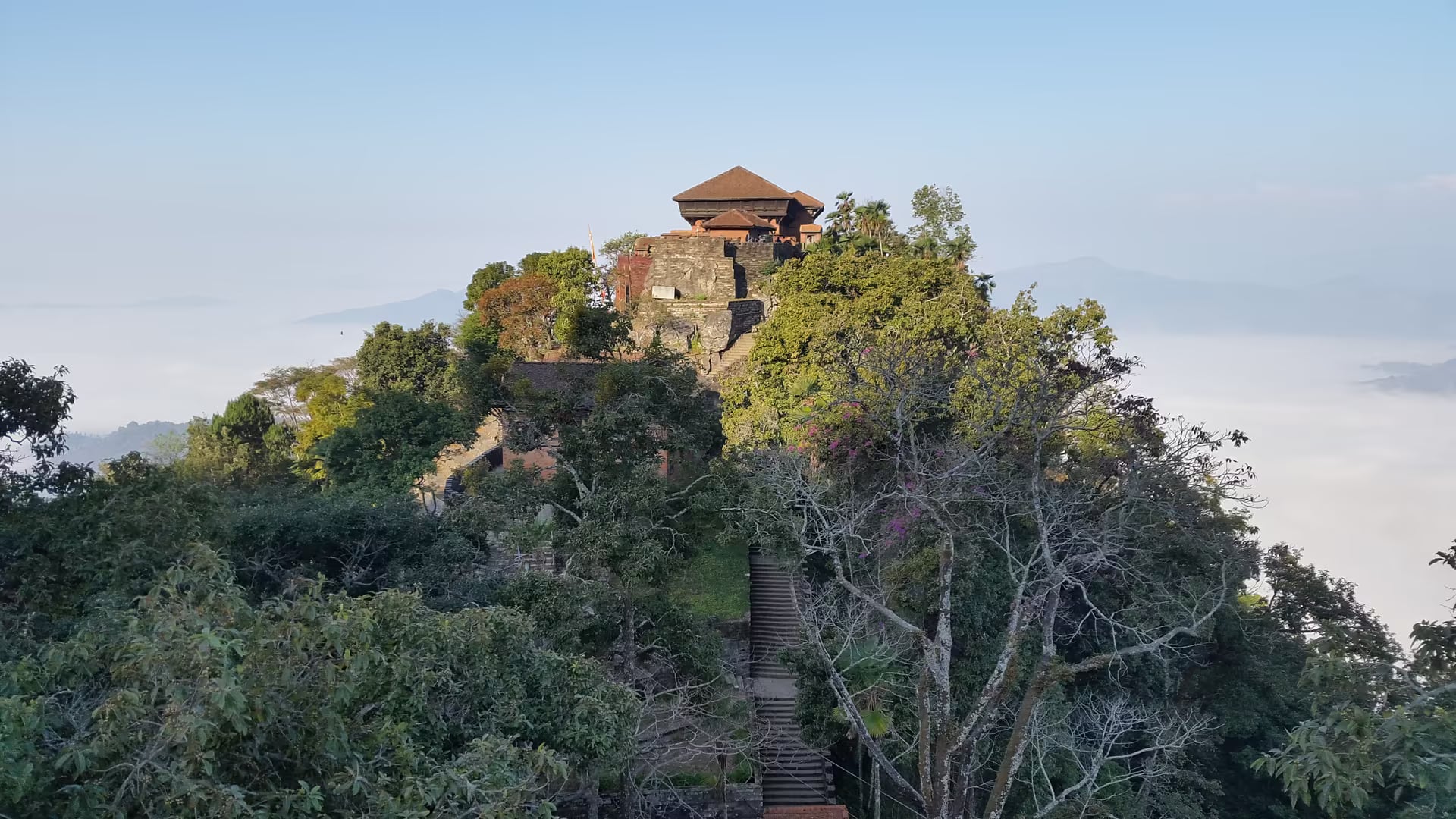
Gorkha Durbar
The ancestral hilltop palace of Prithvi Narayan Shah — the king who unified Nepal — perched above Gorkha town with sweeping Himalayan views and the Gorakh Nath temple that gives the Gurkha soldiers their name.
- Altitude
- 1,135 m
- Coordinates
- 28.000°, 84.630°
Current Weather
Gorkha Durbar is the palace from which Nepal was born. Perched on a ridge above Gorkha Bazaar at roughly 1,135 metres, the palace complex was the seat of the Shah dynasty before Prithvi Narayan Shah conquered the Kathmandu Valley in 1768 and unified the modern Nepali state. Visiting it requires a 45-minute uphill walk from the trailhead below town — the same approach, more or less, that Shah soldiers would have taken for centuries.
The complex sits at the top of a long stone staircase, and the view from the ridge on a clear day is extraordinary: the Ganesh Himal massif to the north, Manaslu visible to the northwest, and the green folds of the mid-hills stretching south toward the Terai. The palace itself is a two-storey stone structure of restrained but dignified Newari craftsmanship — less ornate than the Valley durbars, but carrying the specific weight of a place where a consequential history began.
The Complex
Gorkha Durbar Palace — the hilltop palace itself, a two-storey stone structure of restrained Newari craftsmanship. It holds the royal puja room and throne chamber; the building is more architecturally intimate than the Valley durbars but carries the specific gravity of a place where Nepal's unification was planned.
Gorakh Nath Temple — the most important shrine in the complex, dedicated to the Shaivite yogi Gorakh Nath, the Gorkha kingdom's patron saint and the origin of the word Gurkha. The temple is served by hereditary Nath priests and is an active site of worship, not merely a historical monument. Photography restrictions apply in the inner sanctum.
Kali Mandir — a Kali shrine within the complex associated with the royal family's tantric worship tradition. Animal sacrifice continues here on auspicious occasions.
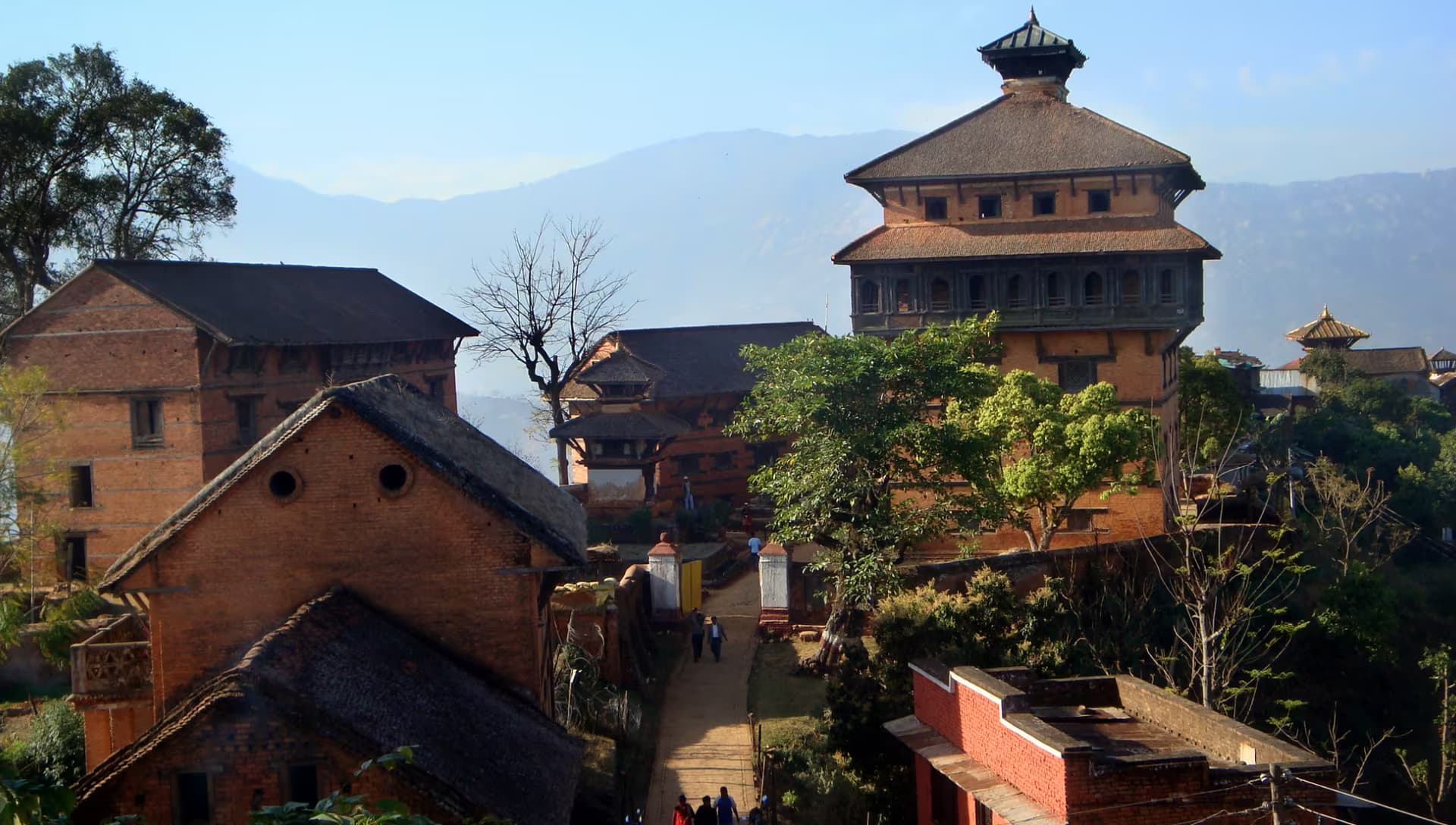
Tallo Durbar (Lower Palace) — at the foot of the hill in Gorkha Bazaar, the Lower Palace is a separate complex that now houses the main Gorkha Museum. The museum contains royal artefacts, weapons, coins, documents, and objects from the Shah period, and is the more accessible introduction to the dynasty's history for visitors who cannot make the full hilltop climb. Most visitors do both: Tallo Durbar first for context, then the hilltop for the palace and the view.
Fulpati and Dashain
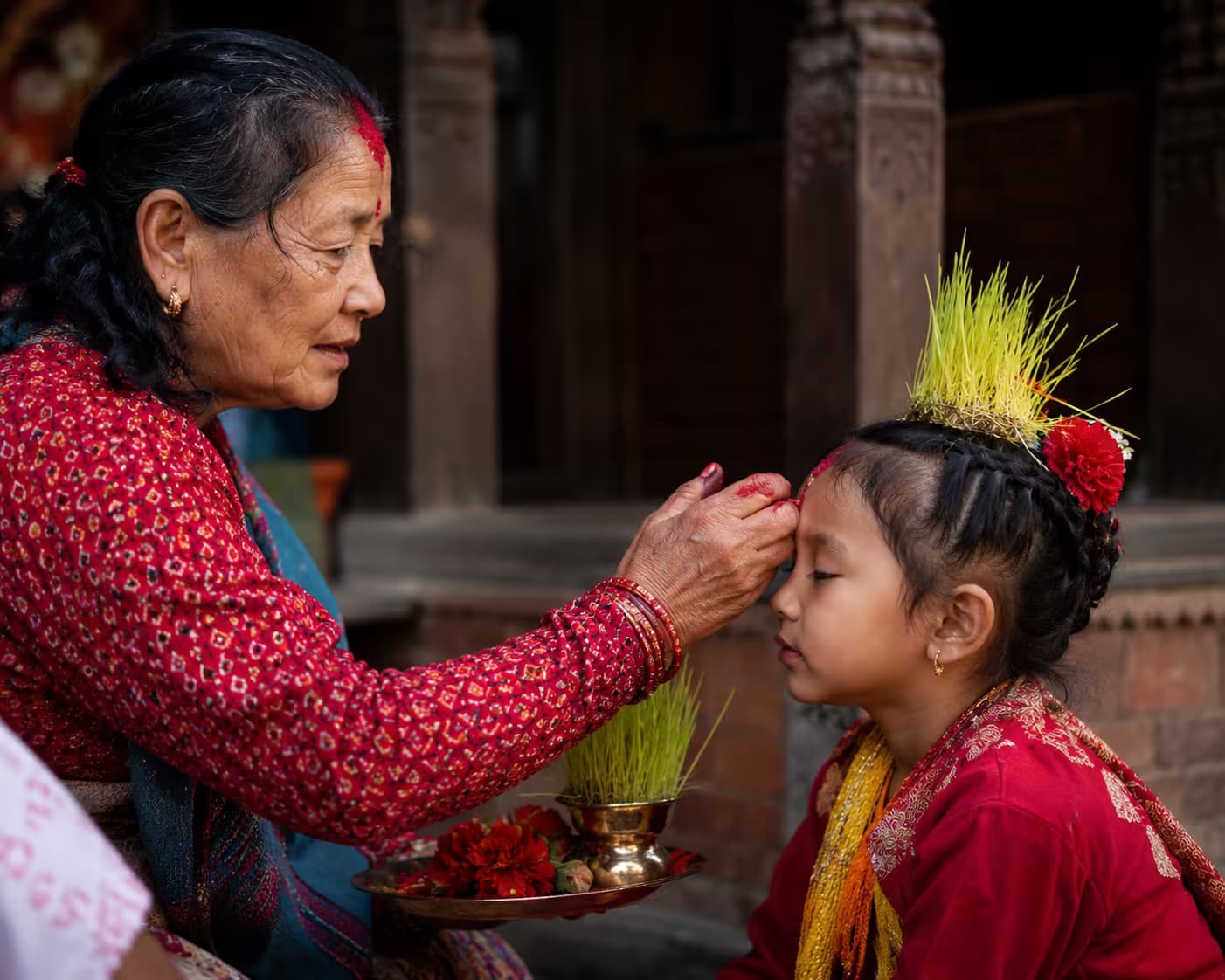
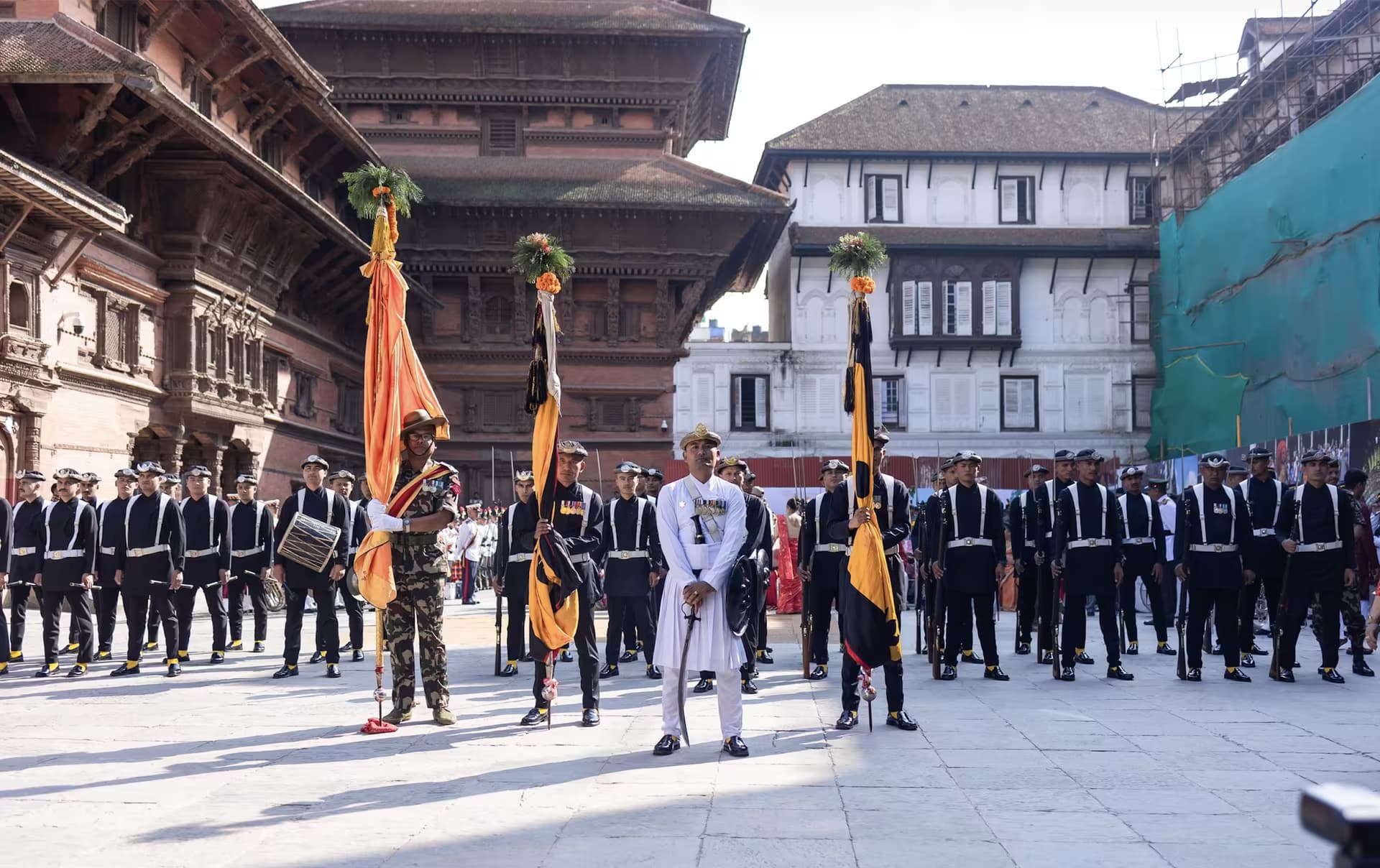
Gorkha Durbar is the origin point of the Fulpati procession that travels to Hanuman Dhoka in Kathmandu each year on the seventh day of Dashain. The sacred plants (fulpati) are assembled at the palace and dispatched under military escort — a ceremony that re-enacts the Shah dynasty's connection to the Kathmandu Valley and is still conducted as a state occasion even in the republic.
Visiting Gorkha Durbar during Dashain gives access to the ceremony's source: the palace courtyard on Fulpati day, before the procession departs, is one of Nepal's less-photographed but genuinely moving festival moments.
Entry Fees
Fees are tiered: Nepali citizens pay approximately NPR 100, SAARC nationals NPR 300, and other foreign nationals NPR 600 (verify at site — subject to change).
Getting There
Gorkha Bazaar is approximately 140km west of Kathmandu along the Prithvi Highway — roughly four to five hours by bus or three hours by private vehicle. From the bazaar, the palace trailhead is reachable by local transport or on foot. The ascent takes 45 to 60 minutes; the path is well-maintained stone steps for most of the route. Accommodation is available in Gorkha town; most visitors combine Gorkha Durbar with the start of the Manaslu Circuit trek.
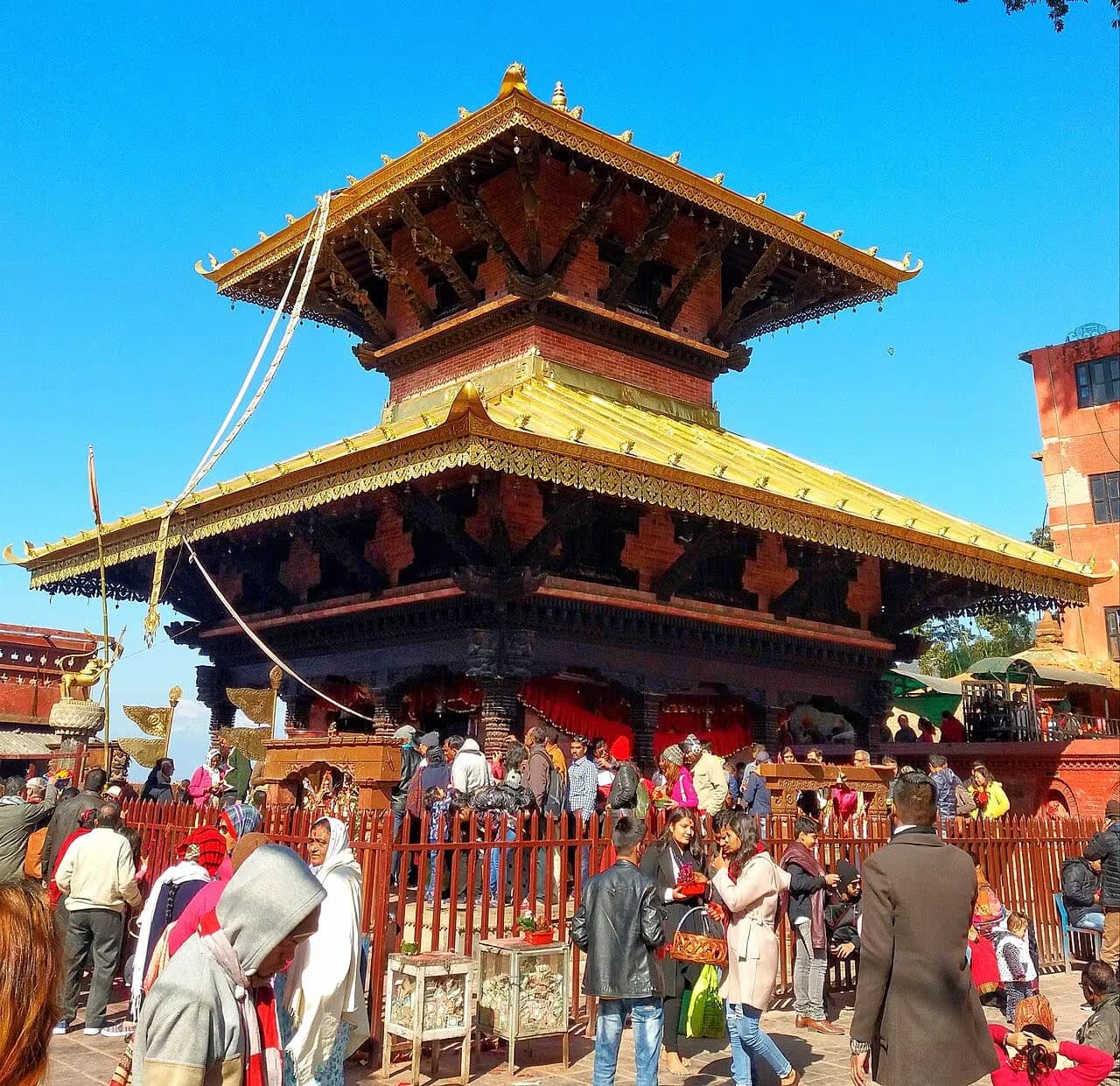
The other great Gorkha pilgrimage sits on the same highway back toward Kathmandu: Manakamana Temple, reached by cable car from Kurintar. The two belong together — the wish-fulfilling goddess of Manakamana is remembered as the queen of Ram Shah, whose court was here.
Location & What's Inside
Related
Connected places and entries worth pairing
Guides that feature this place
Planning this trip? Local operators publishing trips here can arrange it.
Elsewhere in this region
Help us get it right
Know Gorkha Durbar better than we do?
We write from research and reporting, and the ground changes faster than we can keep up. If something here is out of date, or you have been and would tell it differently, we would rather hear it.