Temple · Hindu
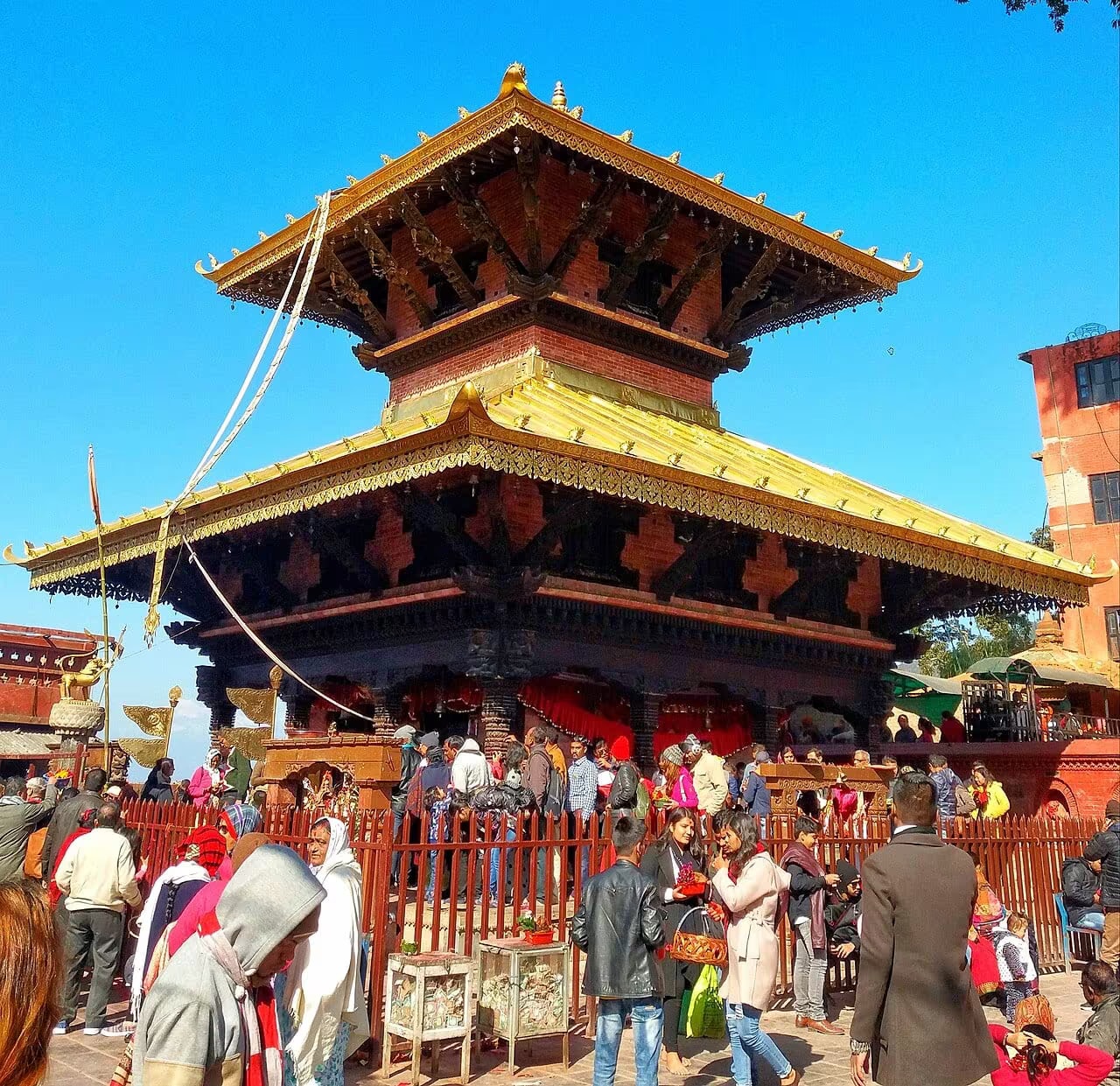
Manakamana Temple
मनकामना मन्दिर
Goddess Bhagwati (Manakamana)·17th century CE (current structure post-1934)·Gorkha
Hilltop shrine of the wish-fulfilling goddess Bhagwati, tended by Magar priests descended from her first devotee — and reached by Nepal's first commercial cable car.
Dedicated to
Goddess Bhagwati (Manakamana)
Period
17th century CE (current structure post-1934)
Hours
5:00 AM – 7:00 PM (cable car 9:00 AM – 5:00 PM)
Admission
Free
Neighborhood
Manakamana Village
Manakamana sits at 1,302 metres on a ridge in Gorkha district, high above the meeting of the Trishuli and Marsyangdi valleys. The goddess here is Bhagwati in her wish-fulfilling form — mana is the heart, kamana the wish — and the belief that she grants what is asked with a sincere heart has made this one of the most visited pilgrimage sites in Nepal. Newly-weds, exam-takers, farmers, and emigrant workers all climb to put their hopes before her.
A queen, a lion, and a stone
The temple's origin story comes from the 17th-century court of Gorkha. King Ram Shah's queen, the story goes, secretly possessed divine powers, and only her devoted attendant Lakhan Thapa knew. One day the king glimpsed the truth — his wife in the form of a goddess, Lakhan as a lion at her side. Soon after, the king died, and the queen committed sati on his pyre; but before the fire she promised Lakhan that she would return. Months later a farmer's plough struck a stone in a field on this ridge, and the stone ran with blood and milk. Lakhan Thapa recognised the sign, and at that spot raised the shrine where the goddess has been worshipped ever since.
A Magar priesthood
That promise still orders the temple's daily life: the priest of Manakamana must be a Magar, a direct descendant of Lakhan Thapa — by the family's own count, the line is now in its seventeenth generation. In a religious landscape where major temples are almost always served by Brahmins, a great shrine whose hereditary priests come from one of Nepal's hill peoples is something rare, and very much of Gorkha. The pagoda itself has been rebuilt more than once — after the 1934 earthquake, and again after 2015, when the epicentre lay in Gorkha district itself.
The cable car pilgrimage
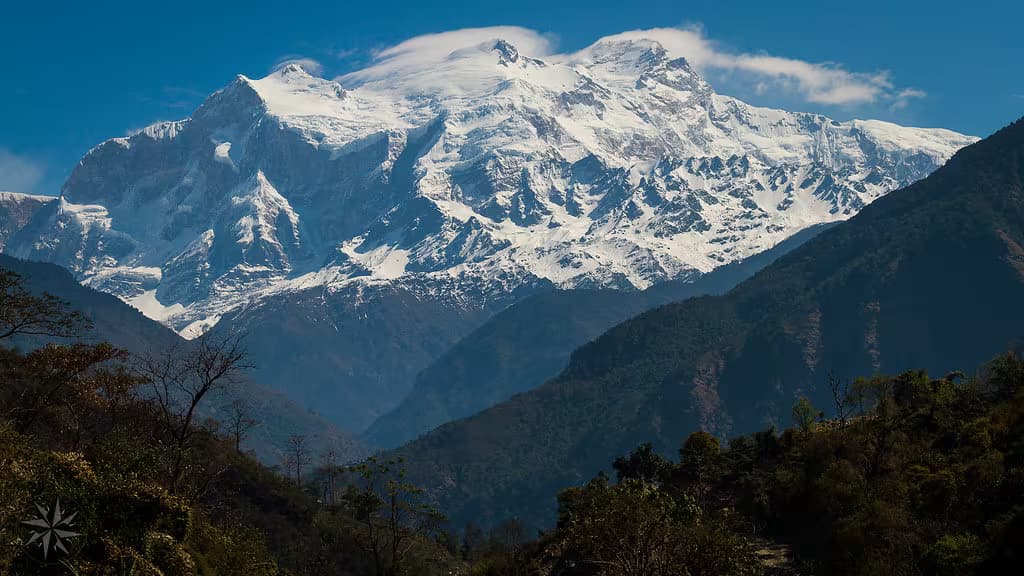
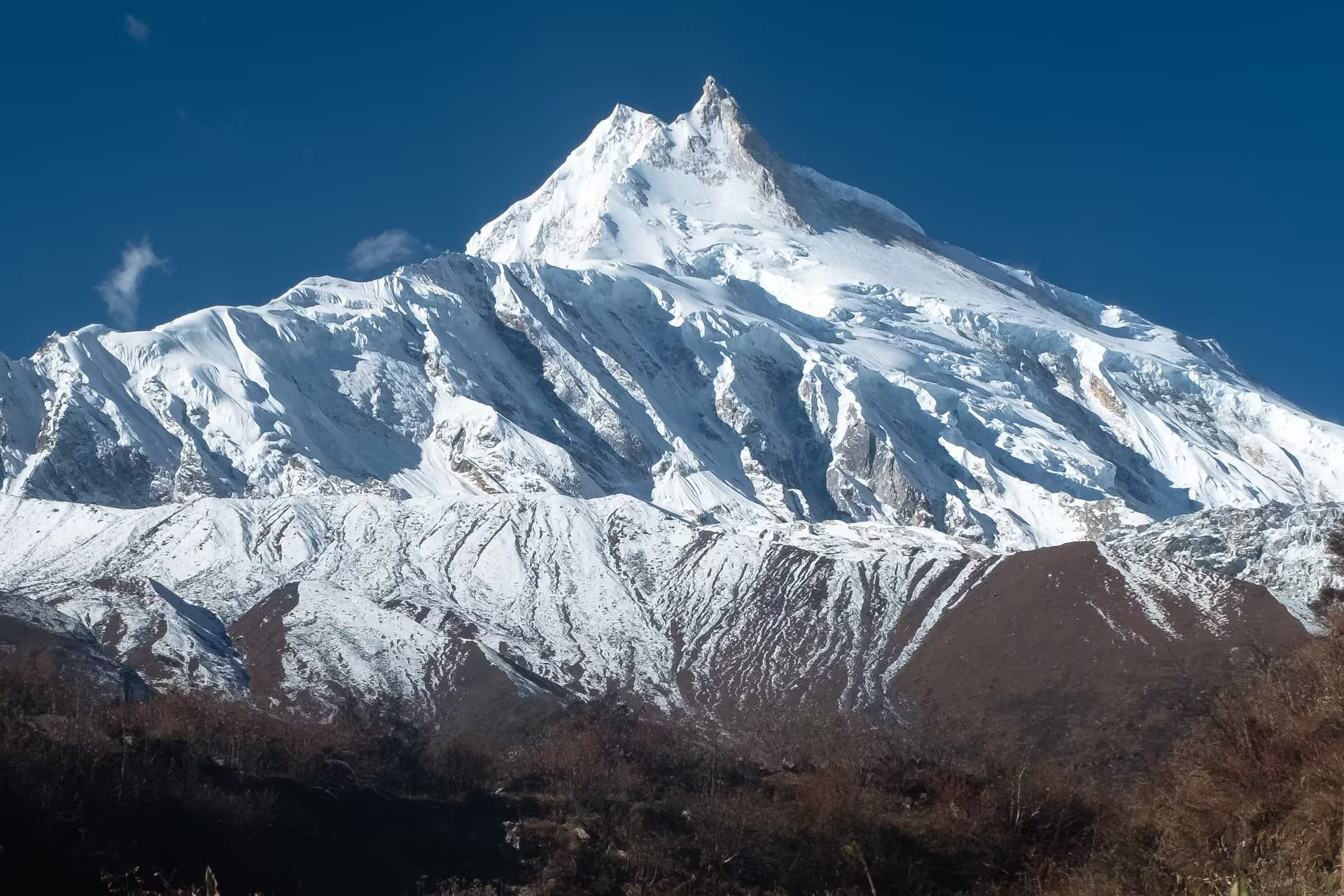
For generations, reaching the goddess meant a full day's climb from the Trishuli riverside. Since 1998, an Austrian-built cable car — Nepal's first commercial cable car — glides from Kurintar on the Prithvi Highway to the ridge top in about ten minutes, lifting pilgrims over the river gorge and terraced hillsides, with Manaslu, Himalchuli, and the Annapurnas on the northern horizon on clear days. Saturdays bring the longest queues, and during Dashain the temple is at its most intense, when devotees by the thousands come to offer sacrifice to the goddess as the protector Bhagwati.
Visiting
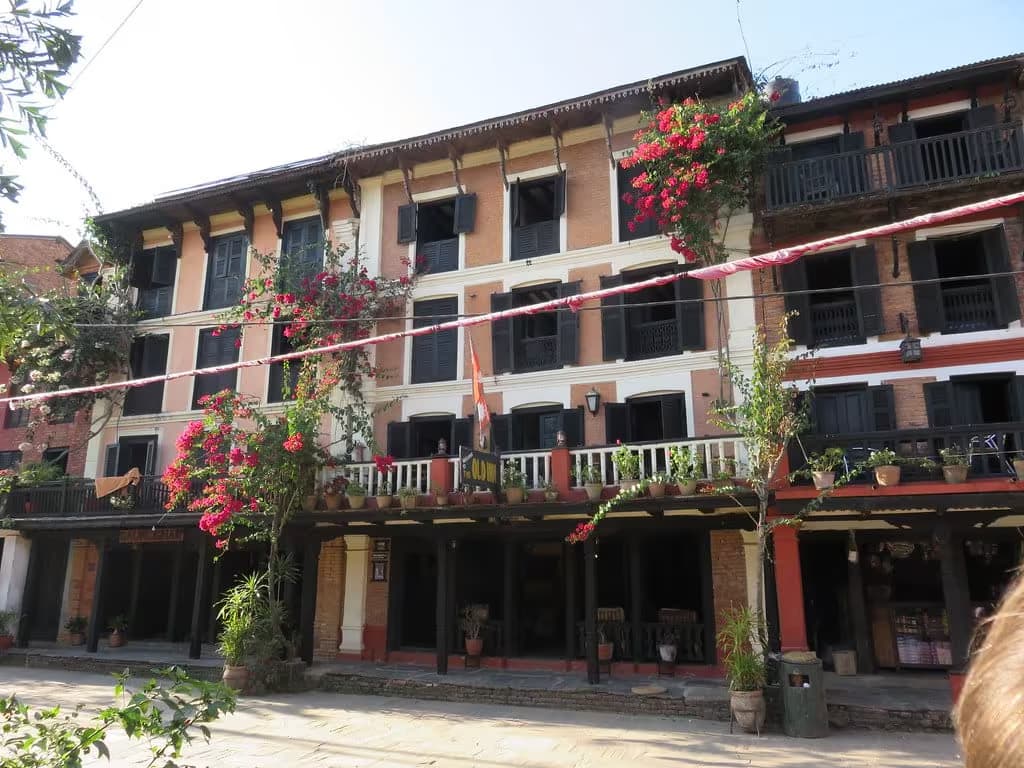
Manakamana pairs naturally with Gorkha Durbar, the hilltop palace of the Shah kings a couple of hours away — Ram Shah's own seat, and the place where the Manakamana story begins. The Kurintar base station sits midway along the Kathmandu–Pokhara highway, which makes the temple an easy half-day detour on the journey west; the preserved hilltop bazaar of Bandipur is a fine overnight stop further on. For the wider tradition, browse the Hindu temples collection.
Access & Mobility
Cable car access reduces the climb substantially, but expect queues, steps, and a final walk through the village and temple precinct. Bad weather can suspend cable-car service.
- Cable car
Kurintar cable car is the standard practical access route; operating hours and weather closures should be checked before travel.
- On foot
Shorter traditional climb from the highway side. Trail: manakamana-abu-khaireni
- On foot
Longer traditional pilgrim approach from Gorkha country. Trail: manakamana-gorkha-traditional
Best visited in autumn.autumn: best, 12°C to 27°C. Dashain brings enormous crowds for animal sacrifices and blessings. Book cable car tickets early. Mountain views spectacular. monsoon: possible, 20°C to 30°C. Cable car operates in light rain. Clouds swirl around the hilltop temple dramatically. Dashain pilgrimage starts in September. spring: good, 14°C to 30°C. Warm cable car ride with valley views. The wish-granting temple is popular with domestic pilgrims during festival season. winter: good, 5°C to 20°C. Cool hilltop breezes. Clear views of the Manaslu and Annapurna ranges from the temple. Shorter queues for the cable car.
The Almanac
Cable car operates in light rain. Clouds swirl around the hilltop temple dramatically. Dashain pilgrimage starts in September.
Coda
Continue the Pilgrimage
Connects to
Routes and trails that link here
Related
Connected places and entries worth pairing
views
Guides that feature this place
- Itinerary11 min
A Spiritual Journey Through Nepal: Temples, Monasteries & Sacred Landscapes
A guide to Nepal's most powerful spiritual sites — from Hindu temples and Buddhist monasteries to sacred mountains and meditation retreats, with a suggested 2-week pilgrimage route.
- Regional8 min
Hindu Pilgrimage Circuit in Nepal: Temples, Routes, Festivals & Etiquette
A Hindu pilgrimage planning guide for Nepal covering Pashupatinath, Muktinath, Janaki Mandir, Manakamana, Pathibhara, Halesi, Baraha Kshetra, Devghat, Doleshwar, and major festival timing.
Planning this visit? Local operators publishing trips here can arrange it.
Elsewhere in this region
 Peak
PeakHimalchuli
 Destination
Bandipur
 Peak
PeakManaslu
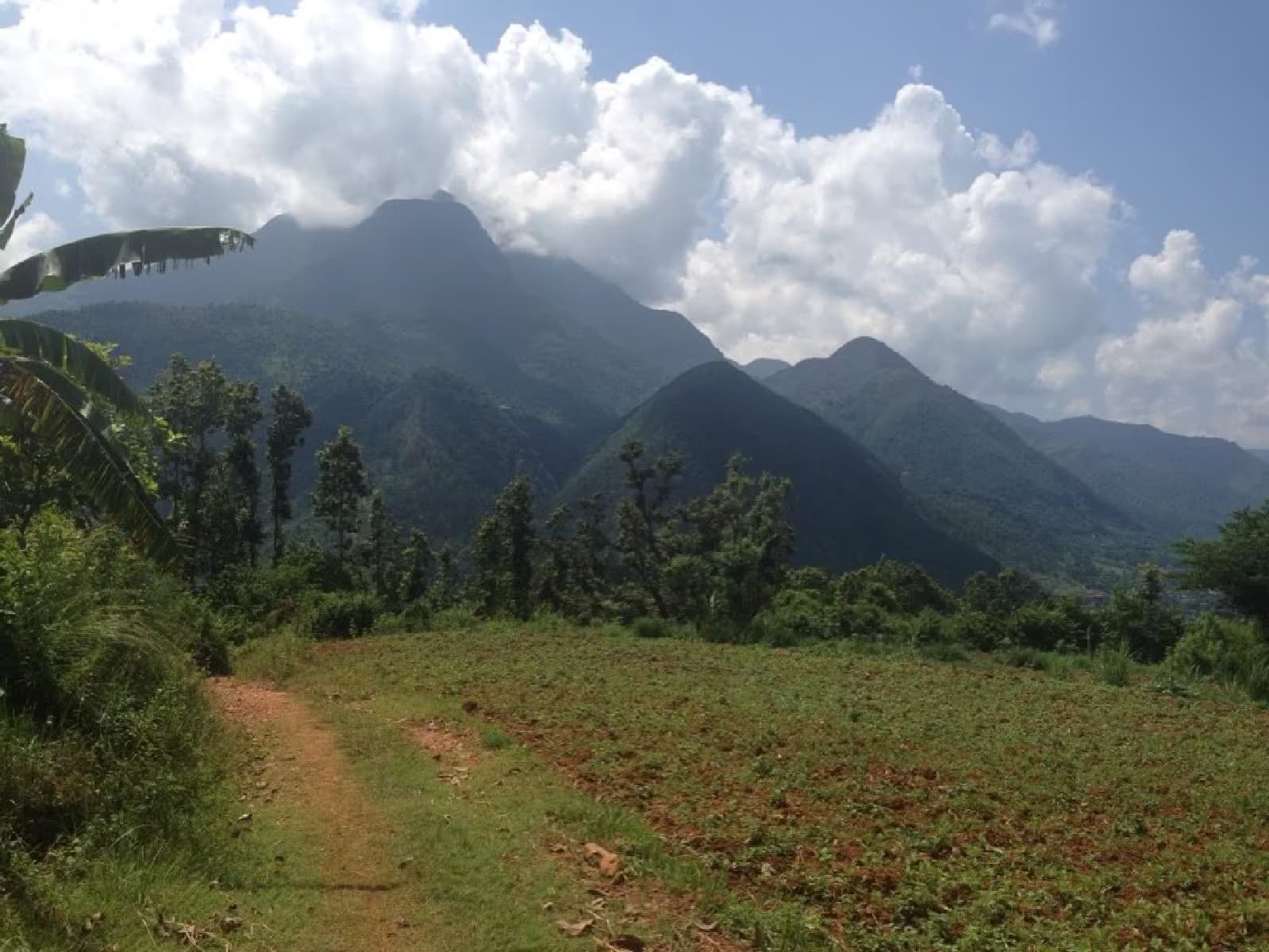 Trail
TrailManakamana Foot Trail from Abu Khaireni
 Festival
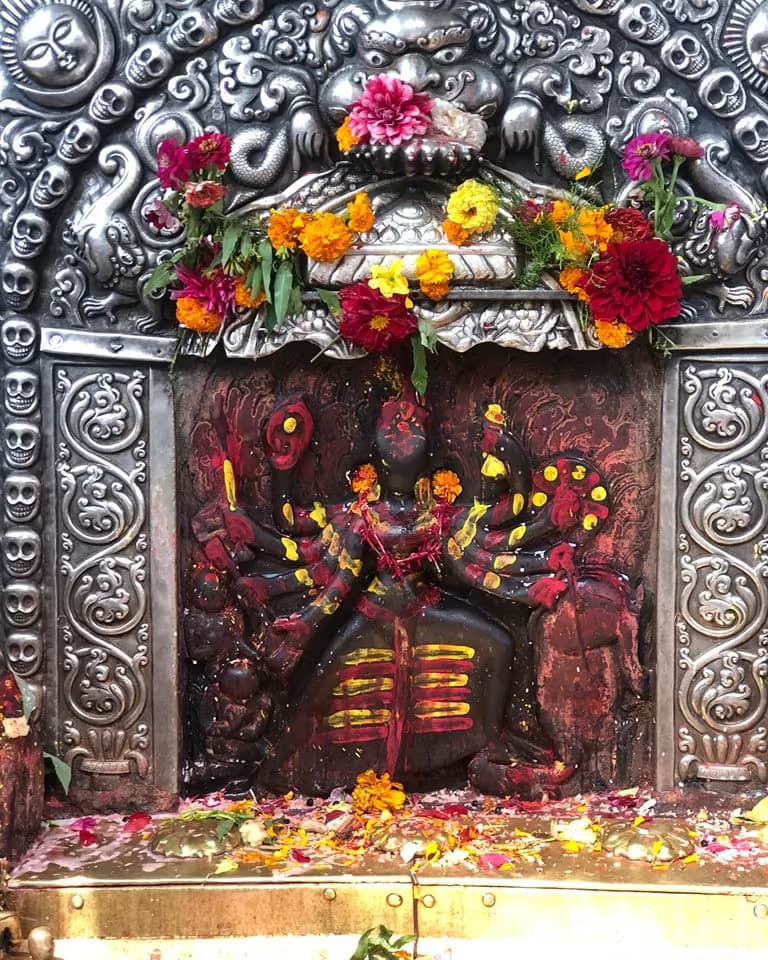
Dashain (Vijaya Dashami)
 Destination
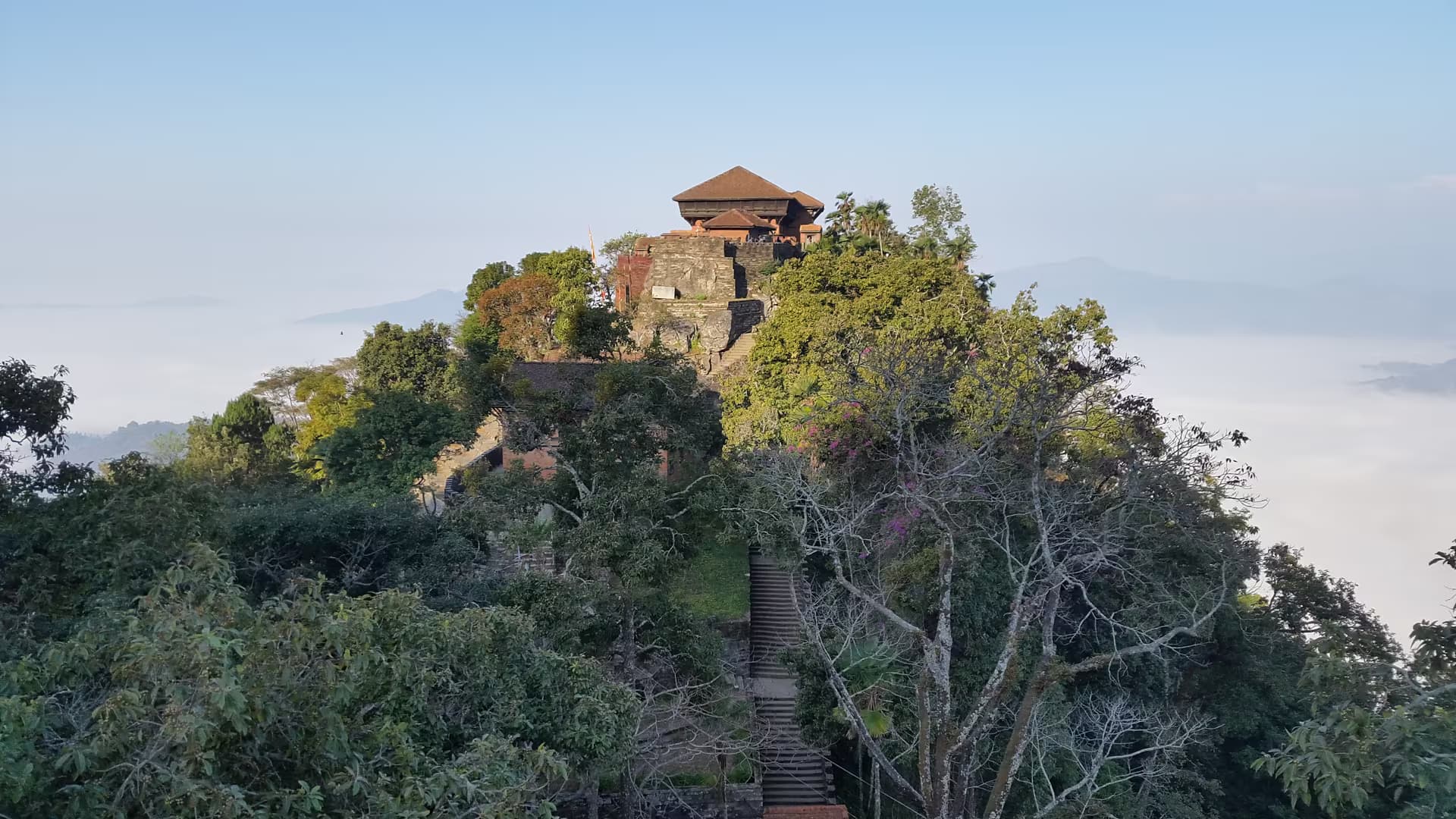
Gorkha Durbar
 Trail
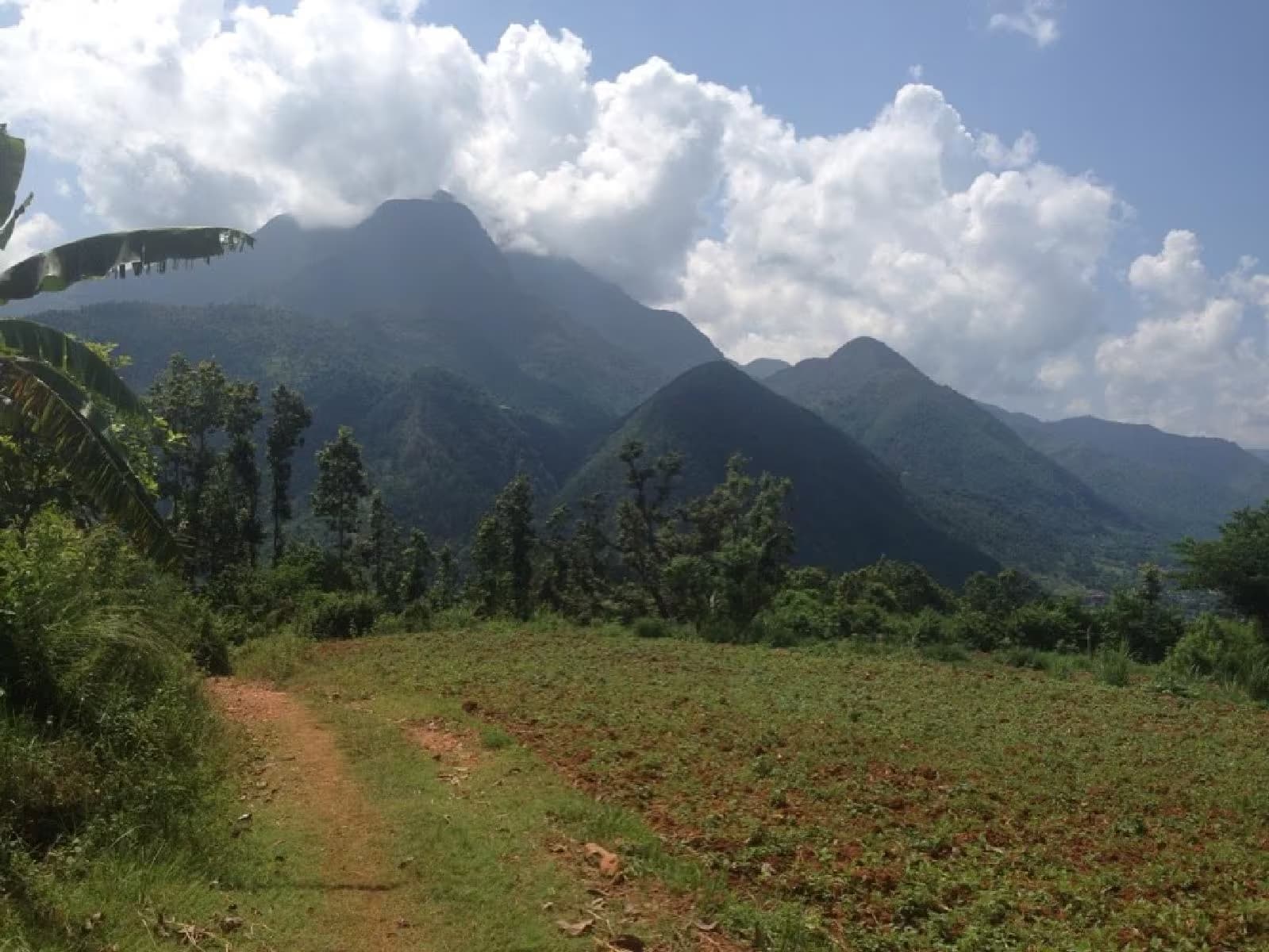
TrailTraditional Gorkha to Manakamana Pilgrim Route
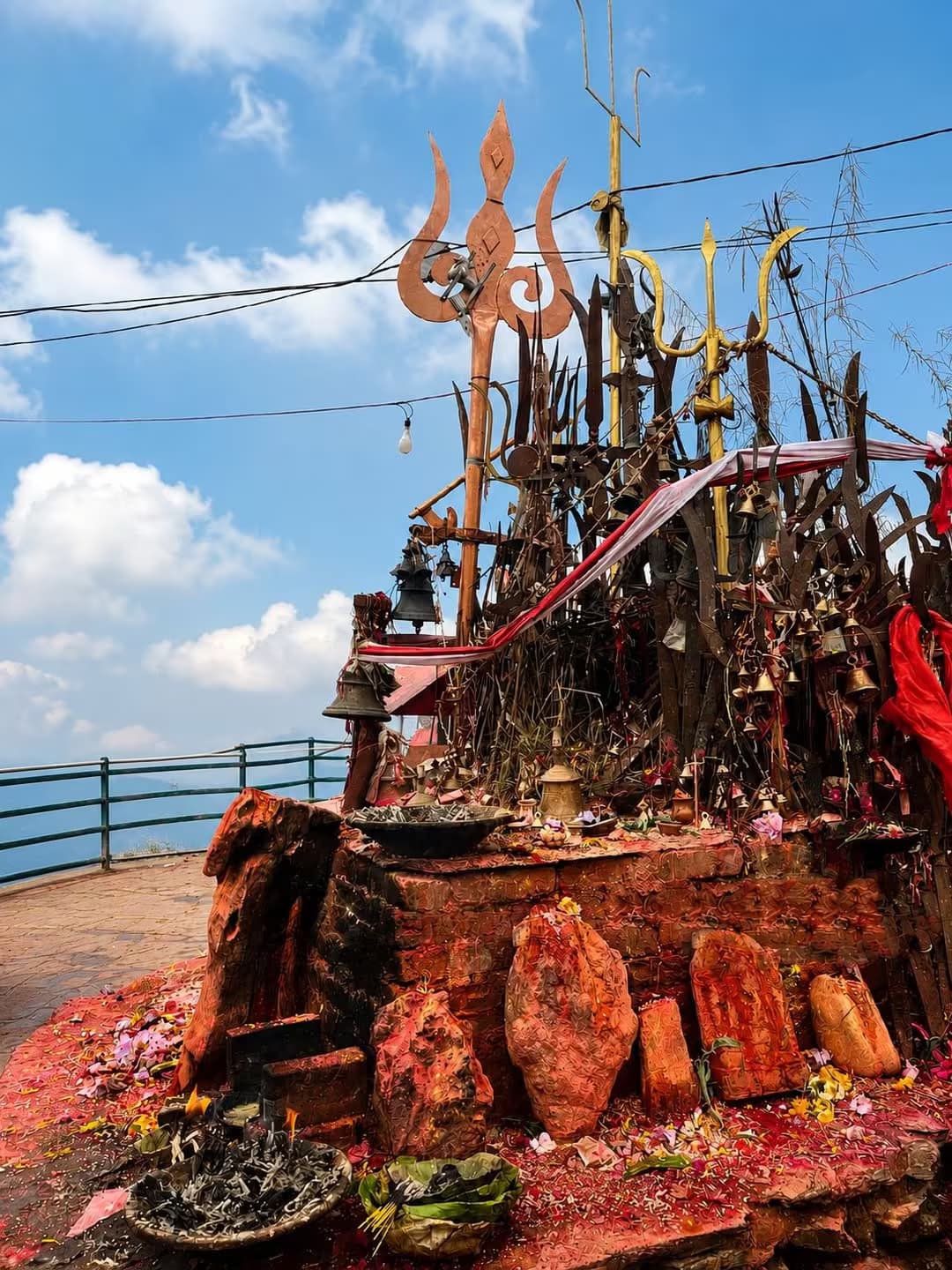 Sacred Site
Kalinchowk Bhagwati
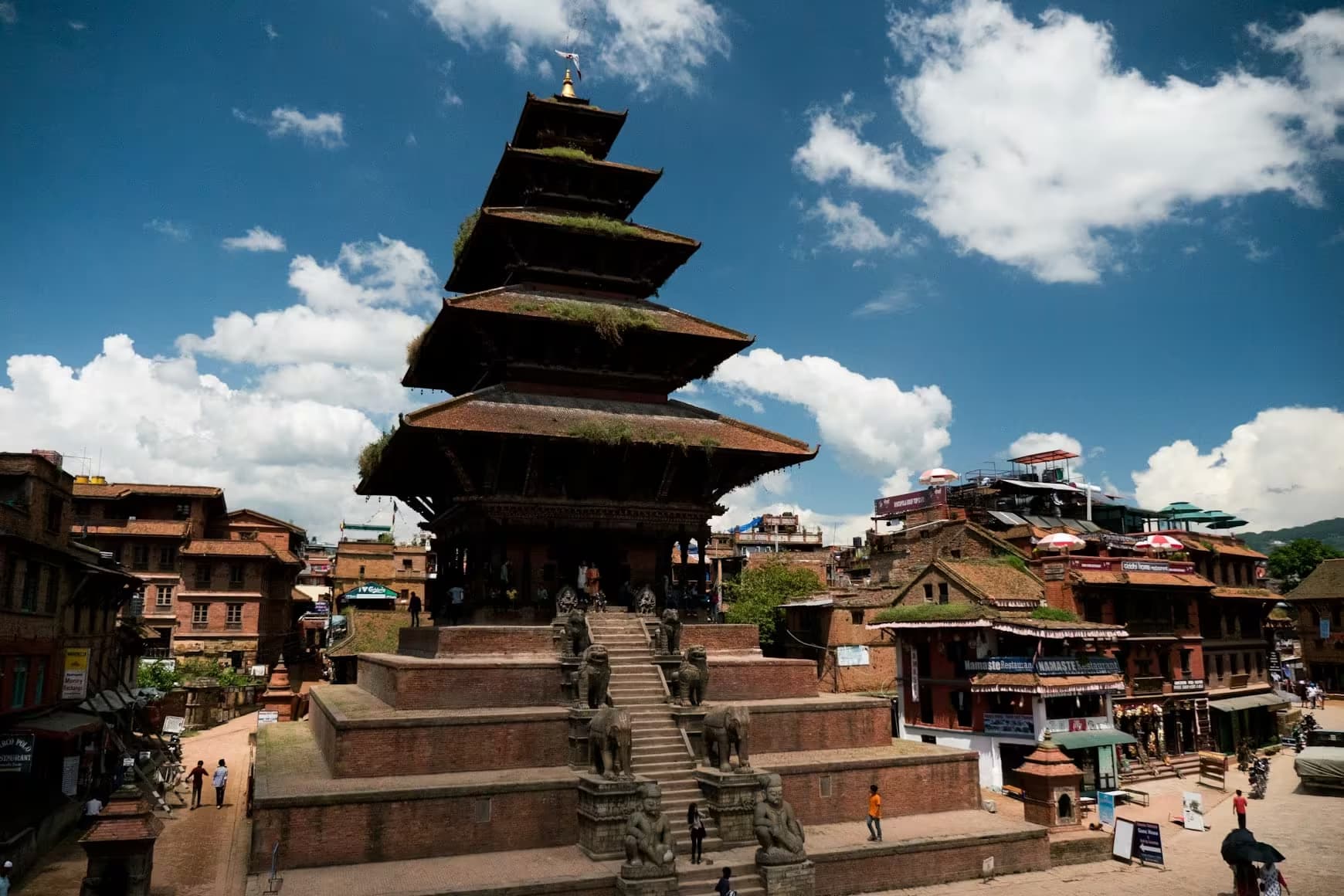 Guide
GuideA Spiritual Journey Through Nepal: Temples, Monasteries & Sacred Landscapes
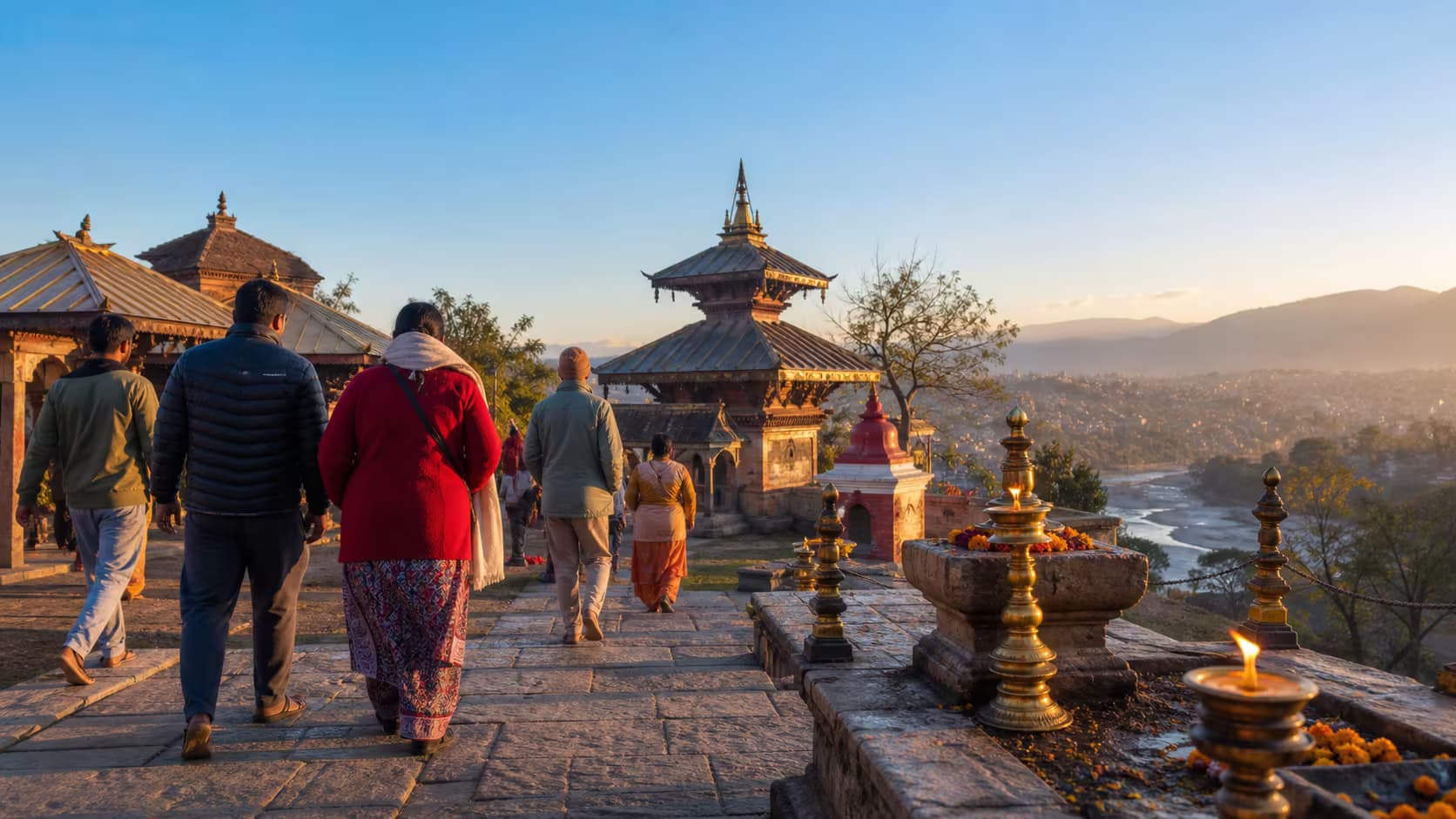 Guide
GuideHindu Pilgrimage Circuit in Nepal: Temples, Routes, Festivals & Etiquette
 Sacred Site
Kalika Bhagwati Temple, Baglung
Help us get it right
Know Manakamana Temple better than we do?
We write from research and reporting, and the ground changes faster than we can keep up. If something here is out of date, or you have been and would tell it differently, we would rather hear it.