Sandhya Arghya
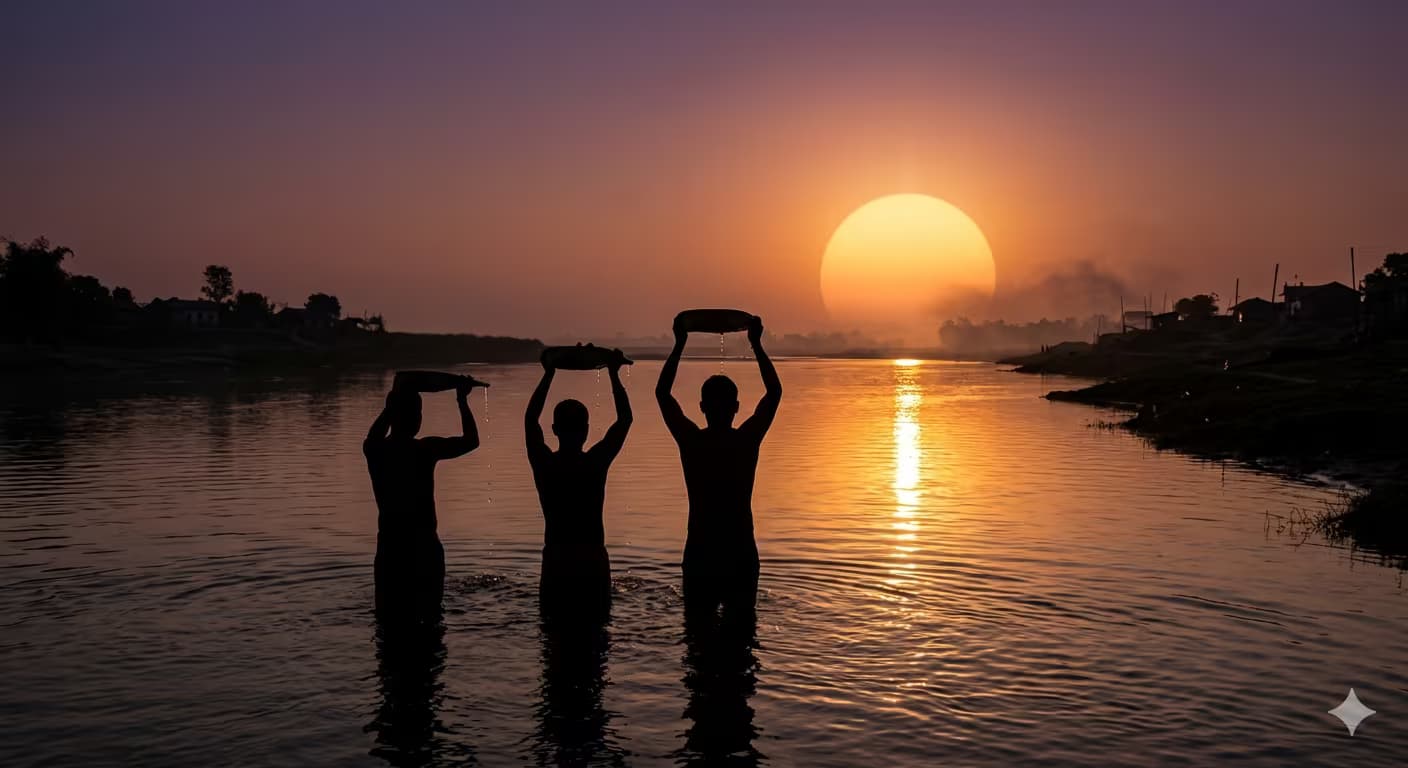
The third evening is Chhath's climax — devotees stand waist-deep in water as the sun descends, holding bamboo trays laden with fruits, flowers, and lit oil lamps, offering arghya to the setting sun in a ritual that transforms riverbanks across the Terai into fields of floating light.
The Ghat at Dusk
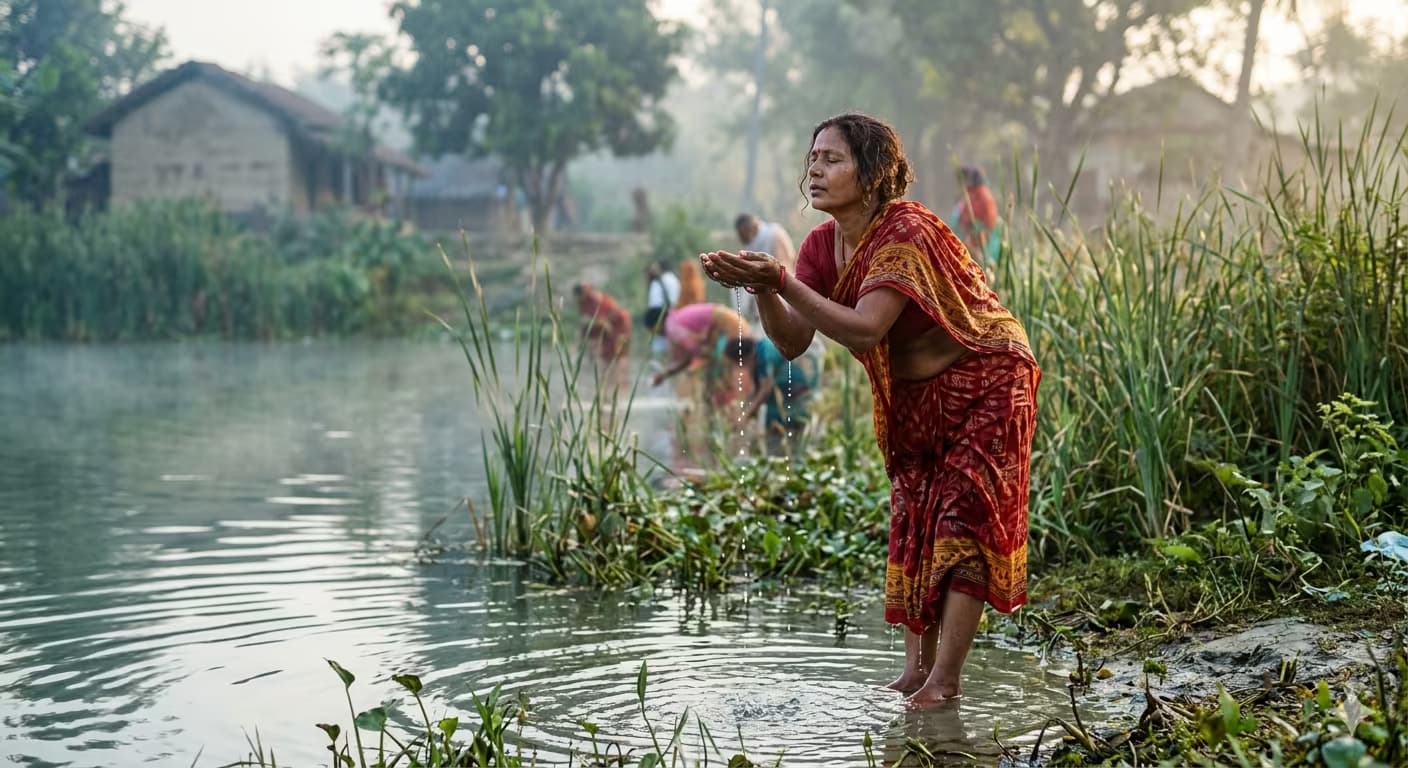
As afternoon becomes evening, families walk to the riverbank or pond ghat — the vrati, her children, her neighbors, the entire street that has been preparing together. The ghat has been decorated in the days before: cleaned, adorned with banana leaves, rangoli drawn at the water's edge, clay lamps set in rows along the steps. The vrati enters the water and remains there — waist-deep or knee-deep — through the offering. The cold of the October-November water is part of the devotion. The family stands at the water's edge, holding the soop, waiting for the sun to reach the horizon.
The Soop
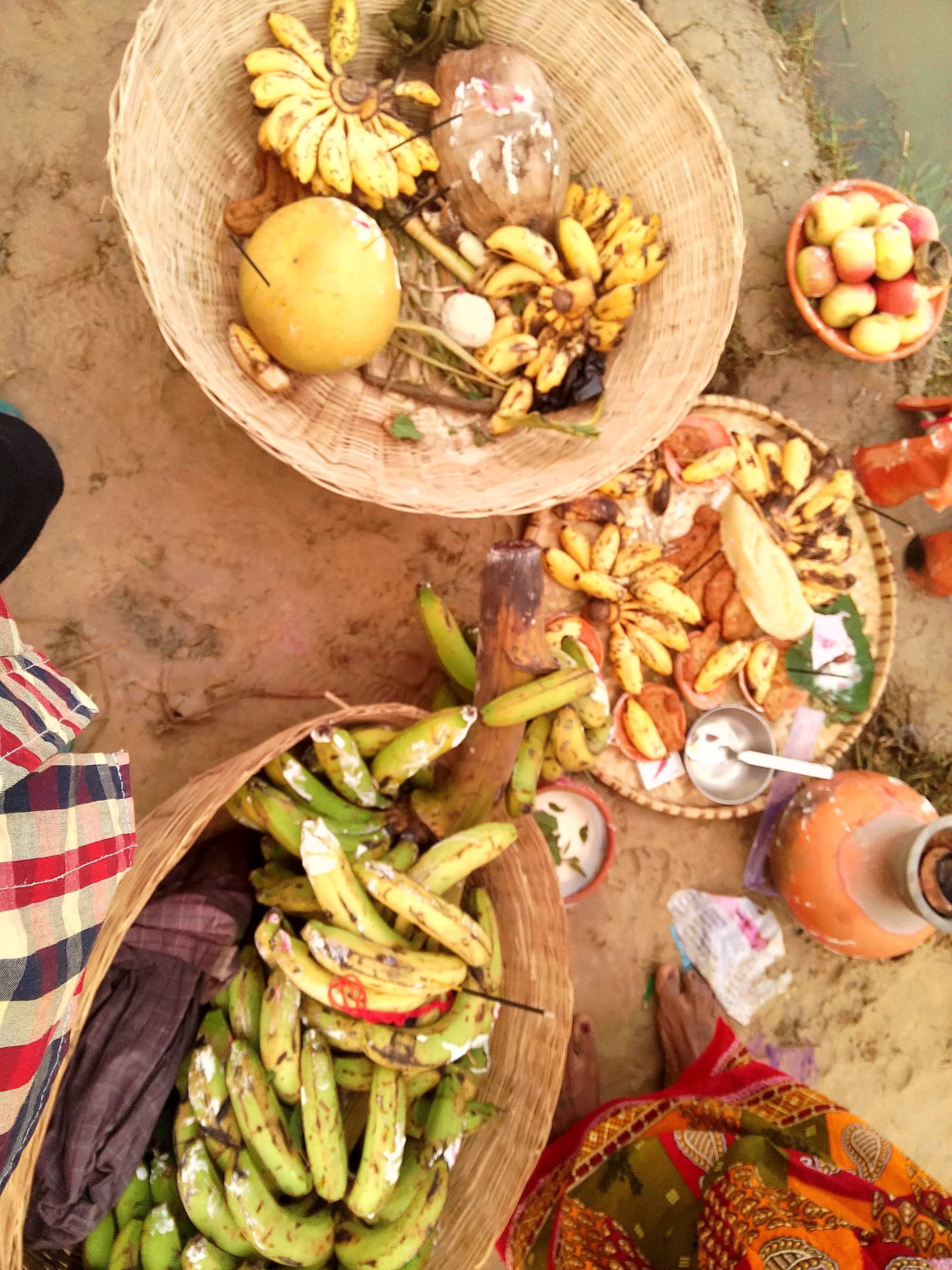
The offering tray is a flat bamboo basket called a soop, filled with fruits — bananas, coconuts, sugarcane, sweet potato, and seasonal fruits — along with flowers, lit oil lamps (diyas), and incense. The arrangement is deliberate and beautiful: lamps nested among the fruits, flowers placed with care, the whole tray prepared by the family over hours. Each soop is the family's offering, representing their hope and their gratitude. The vrati's hands will hold it toward the sun at the moment of arghya.
The Moment of Offering
As the sun touches the horizon, the vrati raises the soop toward the setting sun, pouring water from a vessel while chanting prayers to Surya and Chhathi Maiya. The visual is among the most powerful in all of South Asian ritual: the devotee's body in the water, the tray raised to the sky, the sun descending into the earth. Thousands of women perform this gesture simultaneously along riverbanks across the Terai region and at ghats in the Kathmandu Valley, their bodies creating a line of devotion between water and sky at exactly the same moment.
The River of Light
After the arghya, oil lamps are floated on the water. The river or pond becomes a field of drifting flames — hundreds or thousands of small lights moving on dark water, the sun gone below the horizon, the sky deepening into night. The lamps carry prayers; the water carries the lamps; the current takes them toward something. The visual effect is extraordinary: extraordinary enough that Chhath ghats draw photographers from across Nepal, and Sandhya Arghya produces some of the most widely reproduced images of any festival in the country.
The Night Between
The vrati returns from the ghat but the fast continues. The waterless night is the festival's hardest passage — thirst, hunger, and the cold of a Kartik night. But the community surrounds her: family members stay awake, songs are sung, the atmosphere is vigilant and supportive. The night between Sandhya Arghya and Usha Arghya is the devotional core of Chhath. Everything before was preparation. Everything after will be release. The night is the offering itself.
Related Places & Sites
sacred site
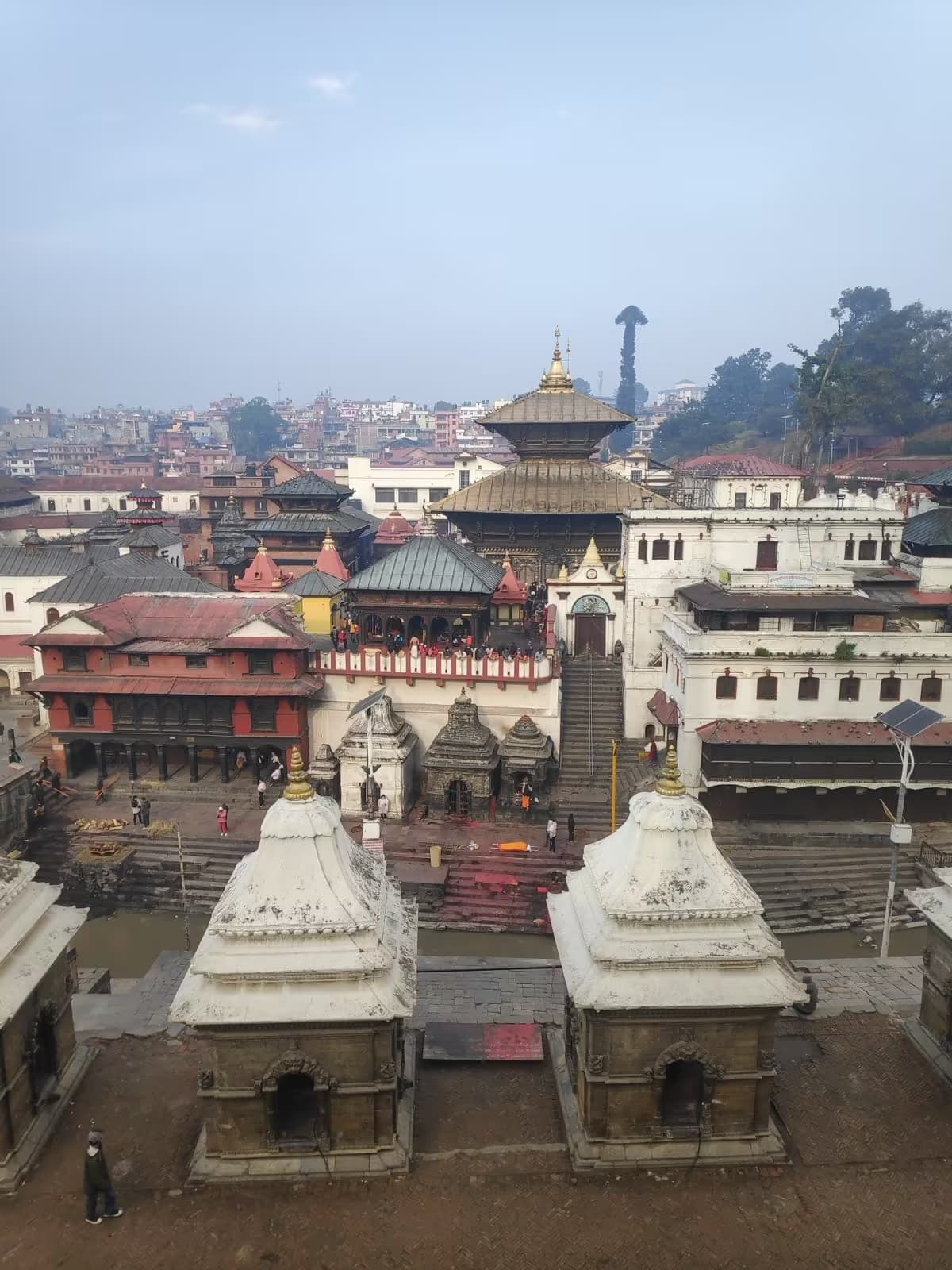
Pashupatinath TempleThe Bagmati ghats at Pashupatinath are the most significant Chhath site in the Kathmandu Valley — Terai diaspora communities gather here for the evening arghya
sacred site
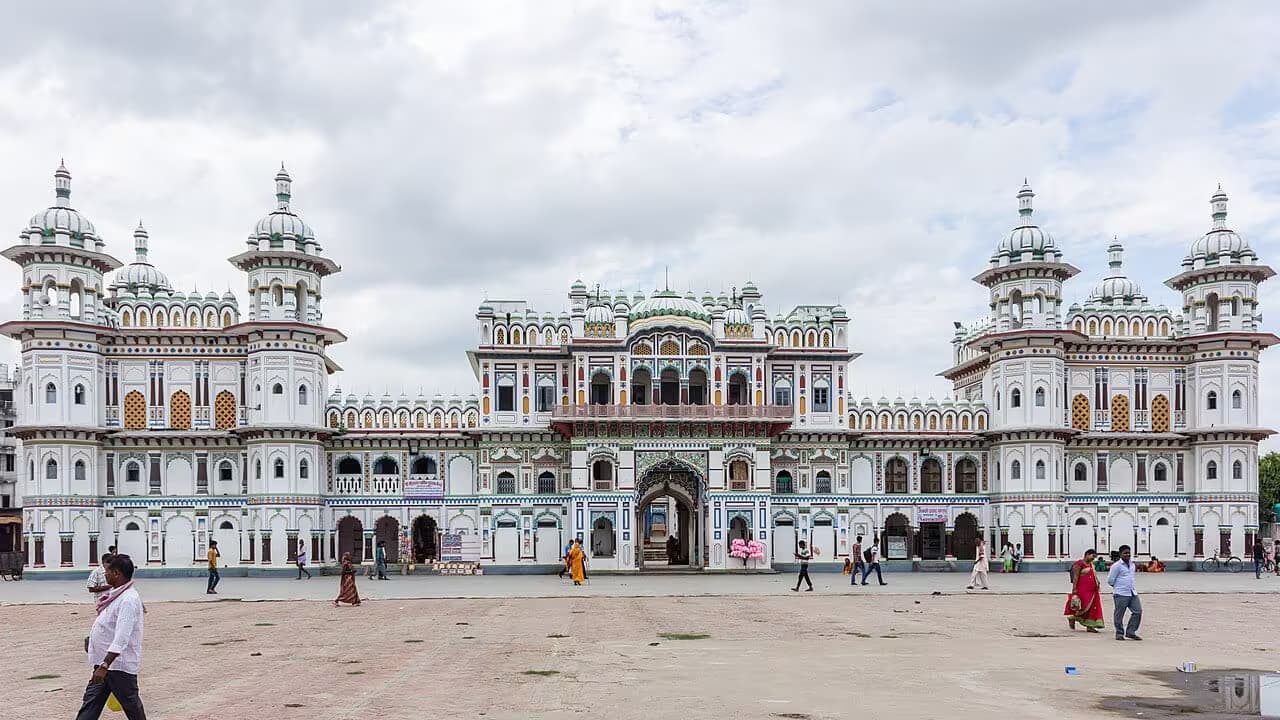
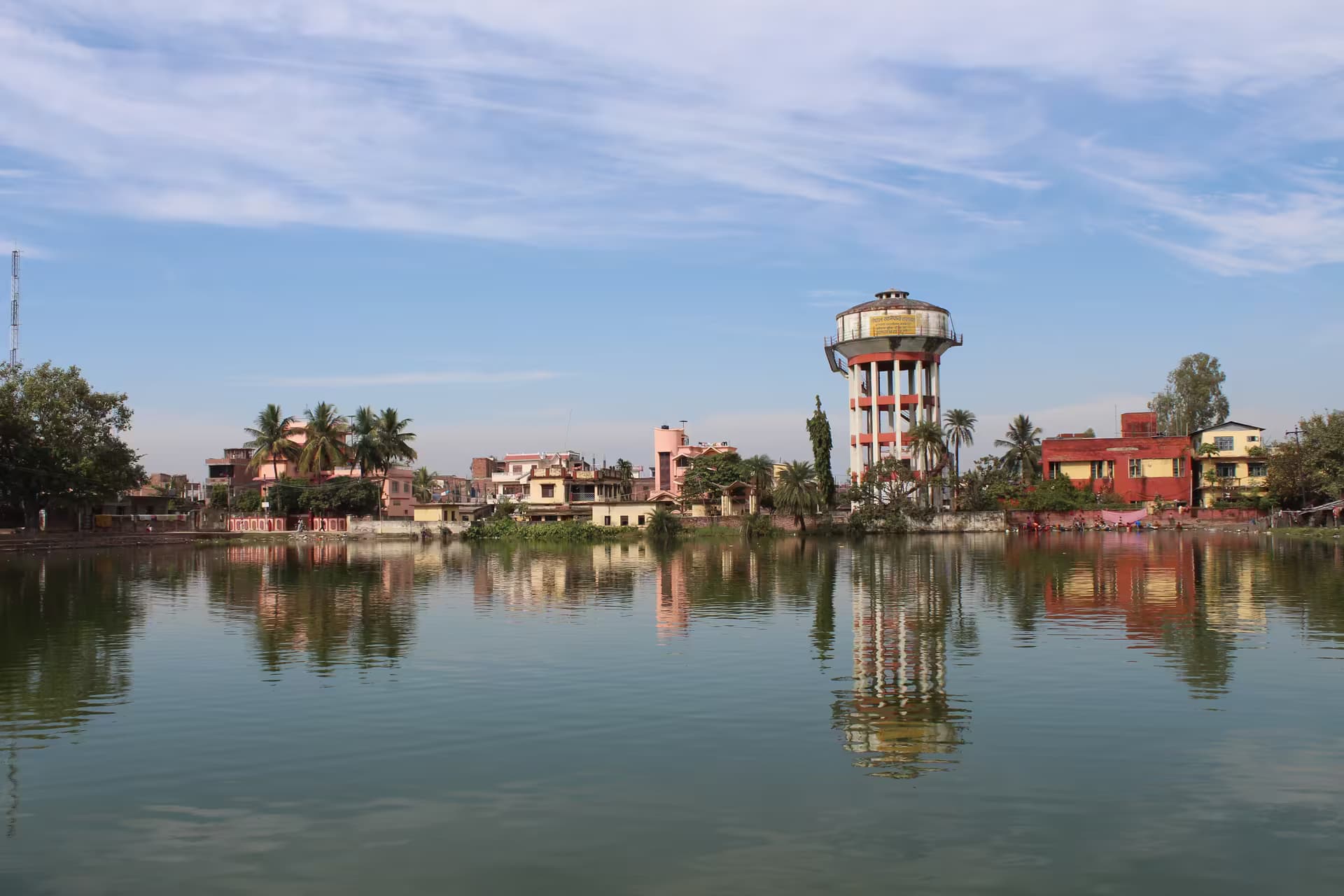
Janaki MandirJanakpur's sacred ponds (Ganga Sagar, Dhanush Sagar) are the spiritual heart of Chhath in the Terai — the evening arghya here is among the most visually striking in Nepal
Related
Connected places and entries worth pairing
Deities & Presences
Rituals & Ceremonies

Part of Chhath Puja