Pashupati: Lord of Animals
Pashupati means lord of animals — pashu (animal) + pati (lord). But in Shaivite theology, "animals" refers to all unenlightened souls: every living being bound by ignorance and desire. Shiva as Pashupati is the liberator, the one who releases souls from the cycle of rebirth. The temple's cremation ghats make this theology visible and constant: in death, Pashupati releases. Shivaratri celebrates this aspect most intensely. The fires that burn on the ghats are not incidental to the temple's holiness — they are its most direct expression, the god's work made visible.
The Lingam Form
Shiva is worshipped primarily as a lingam — a cylindrical stone form set in a yoni base — rather than as an anthropomorphic image. The lingam represents the formless, infinite nature of Shiva and his creative energy; the aniconic form holds what cannot be depicted. At Pashupatinath, the main lingam is the four-faced (chaturmukha) form — each face looking in a cardinal direction, each representing a different aspect of Shiva's nature: creation, preservation, destruction, and transcendence. On Shivaratri this lingam receives the most elaborate worship of the year, bathed in milk, adorned with bel leaves and flowers, the object of thousands of direct offerings through the night.
The Tandava and the Cosmos
Shiva's Tandava — the cosmic dance — creates and destroys universes in cycles. Shivaratri marks the night of this dance's most intense expression. The vigil-keepers at Pashupatinath participate in the cosmic rhythm: their staying awake mirrors Shiva's eternal wakefulness; their chanting joins the vibration that sustains the world. The night is when the barrier between the human and the divine is thinnest — Shiva more present, more accessible, more likely to hear prayer. This is not metaphor. The theology is literal: tonight is different from all other nights, and being awake for it matters.
Shiva the Contradiction
Shiva holds contradictions that would break a lesser theology. The ascetic who is also the devoted husband of Parvati. The destroyer who is also the creator. The god most associated with death — the cremation ground is his home — who is also the source of life, his lingam form the symbol of generative power. Shivaratri holds all of these simultaneously. The Naga baba smeared with cremation ash and the newlywed couple praying for children are worshipping the same god in the same temple on the same night. Pashupatinath on Shivaratri makes visible what theology usually struggles to articulate: the god who contains everything, who is present in every contradiction, who cannot be reduced to a single quality without losing what makes him Mahadev.
Related Places & Sites
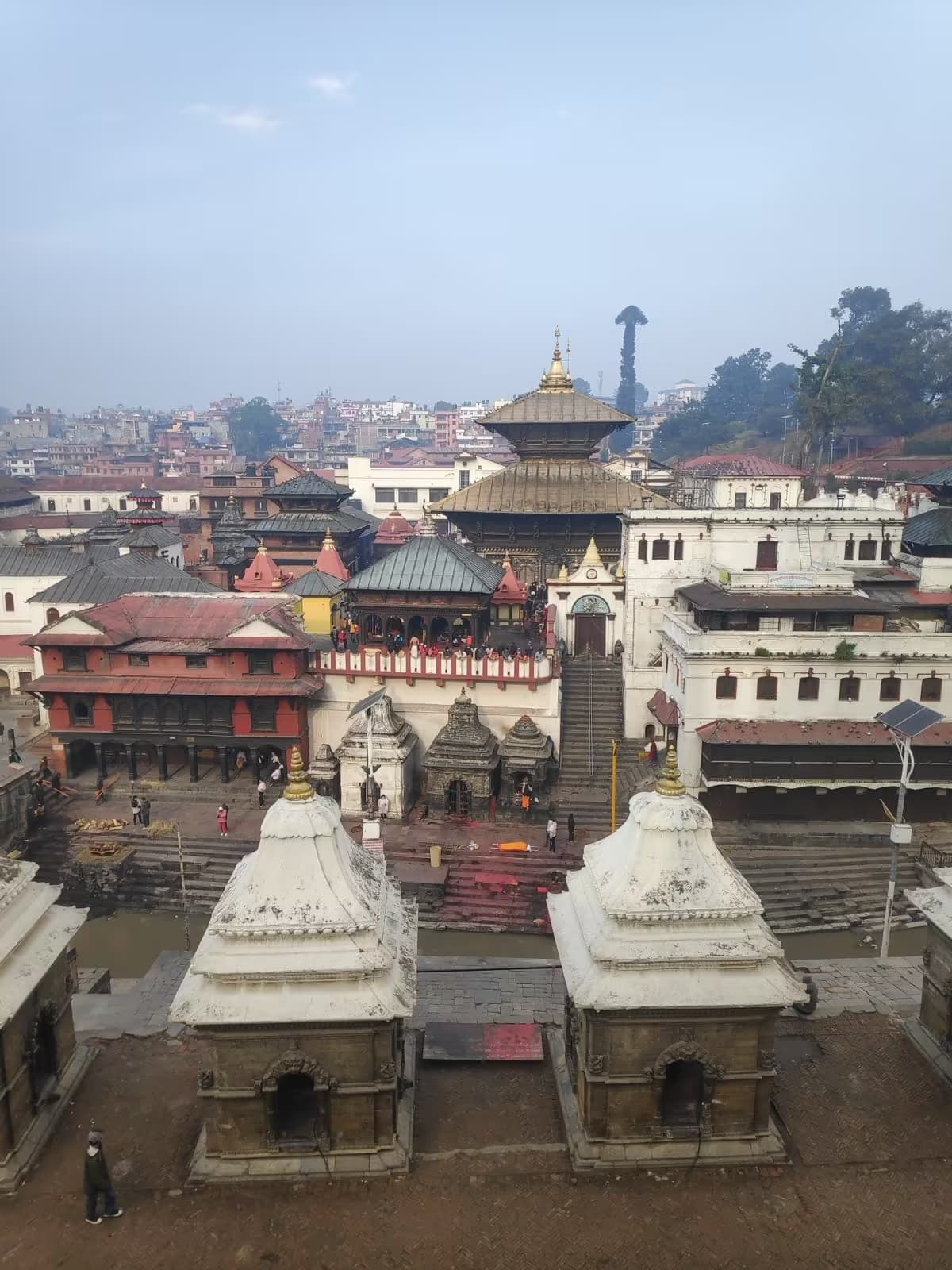
sacred site
Pashupatinath TempleThe chaturmukha lingam at Pashupatinath is the focal point of Shivaratri worship — the most elaborate puja of the year performed here


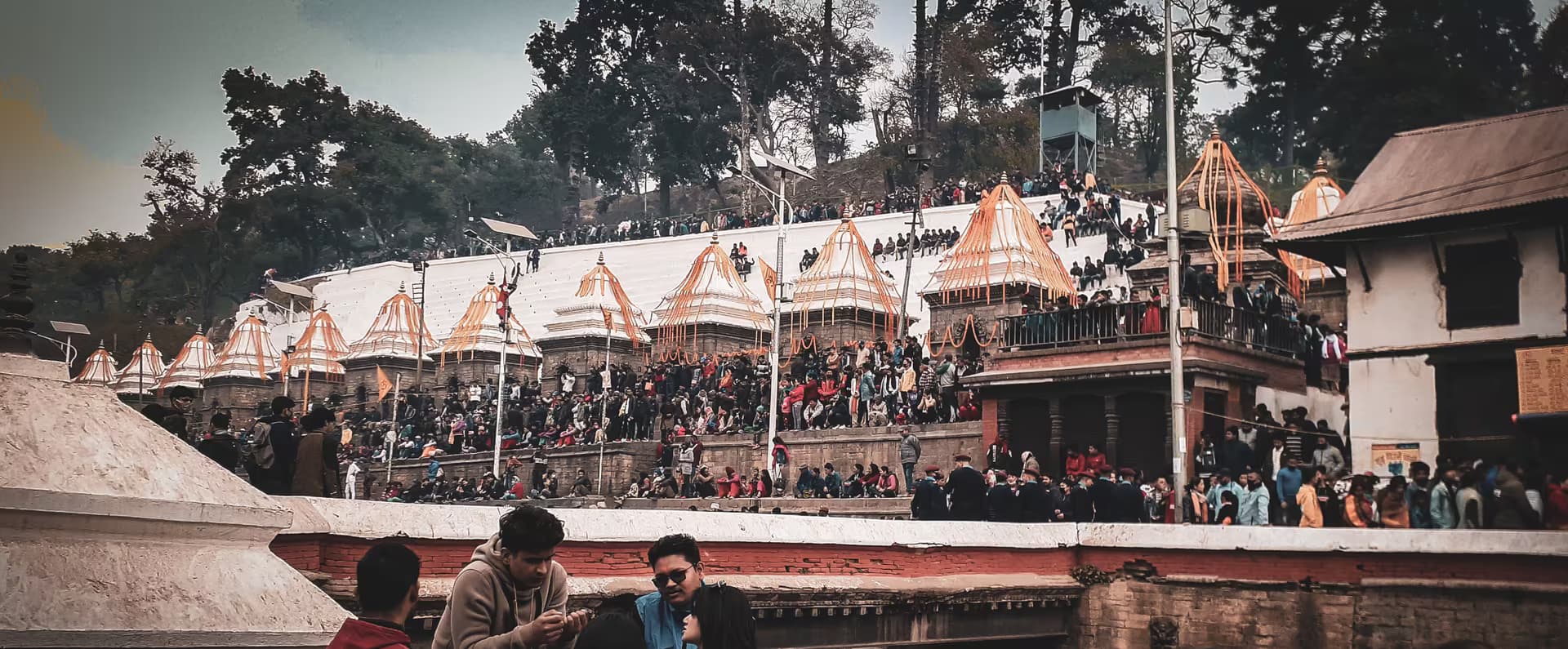
Part of Maha Shivaratri