Kangchenjunga
8,586m
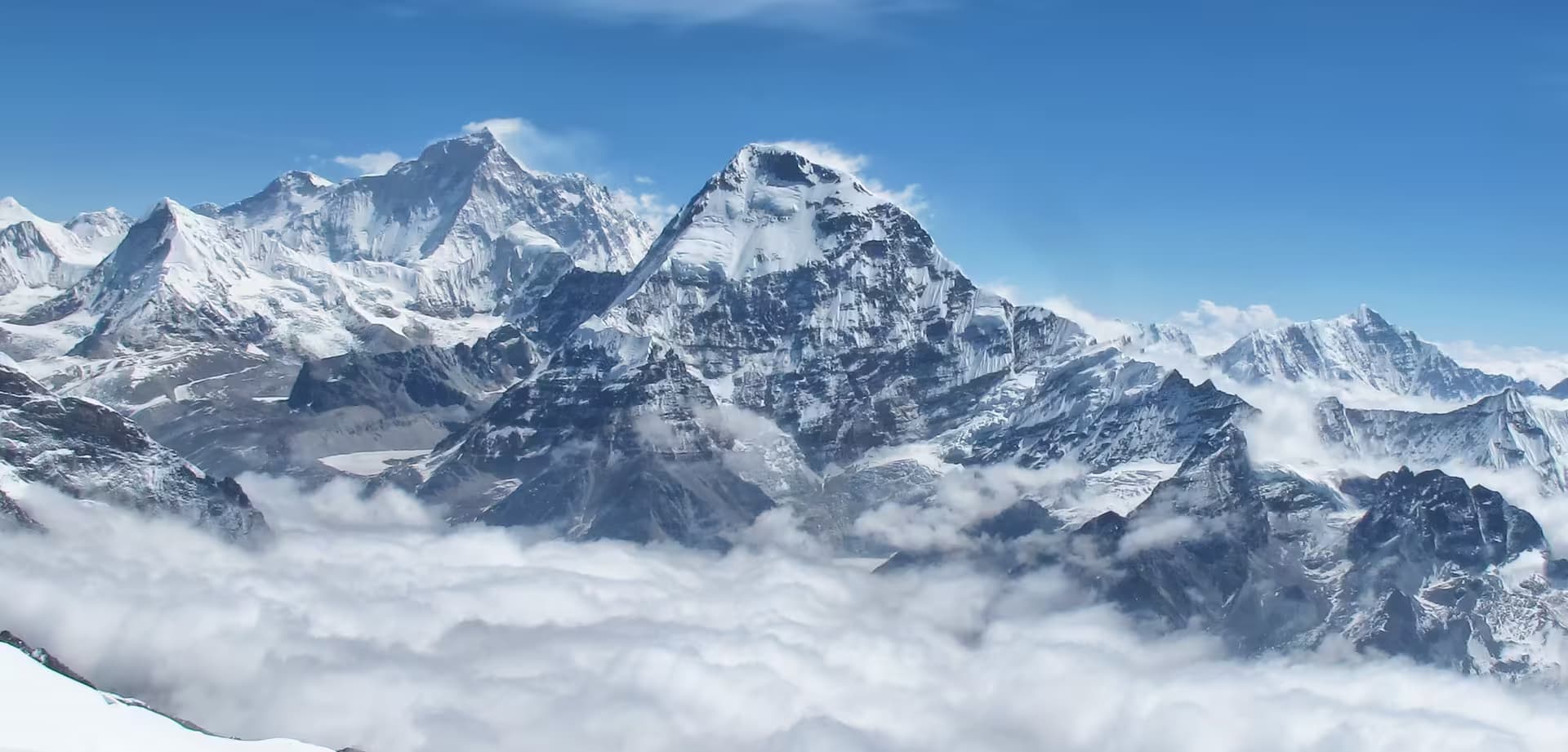
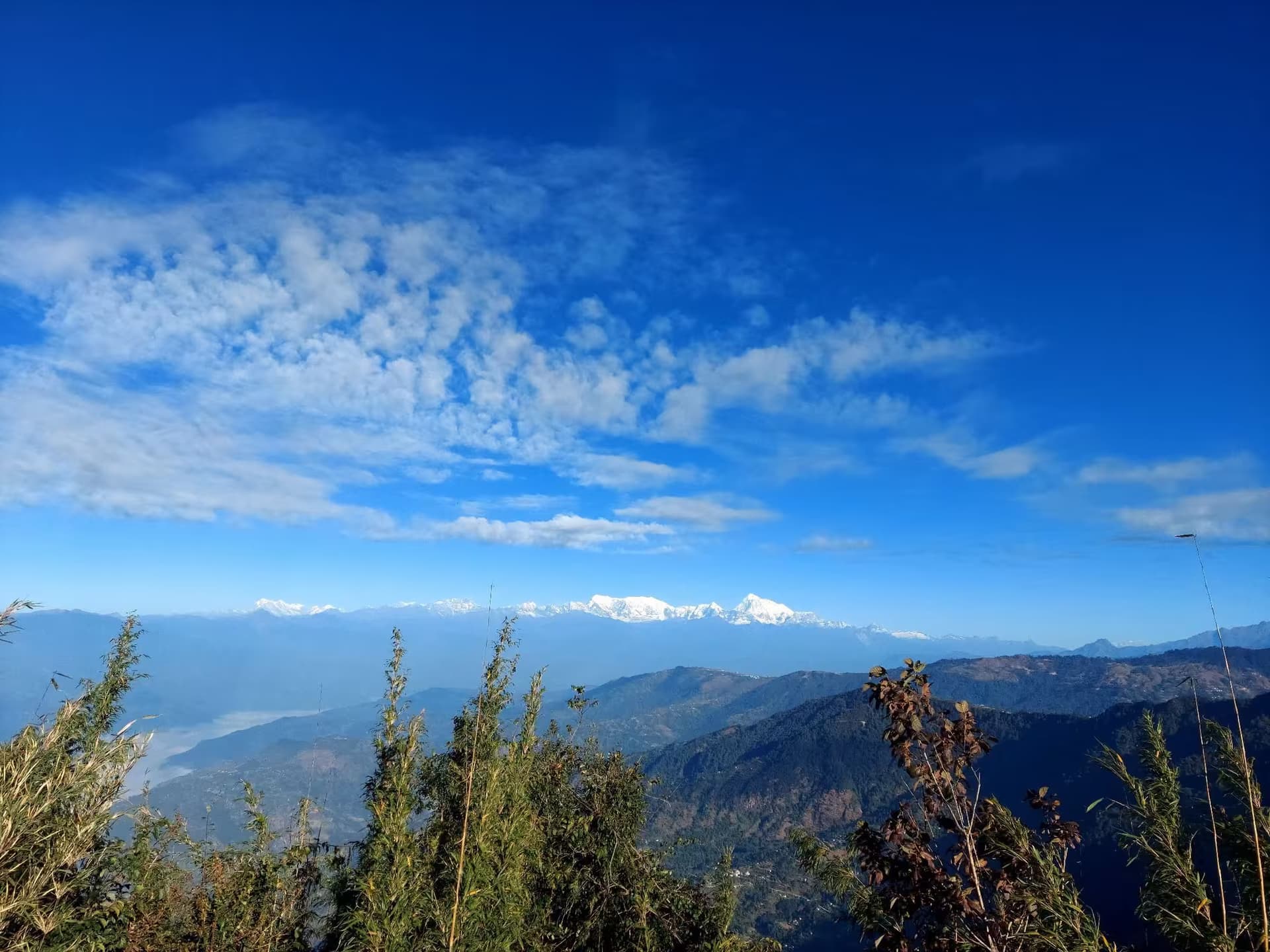
The world's third highest peak and sacred mountain — a remote and rarely climbed giant on Nepal's eastern border with Sikkim.
Mountain Weather
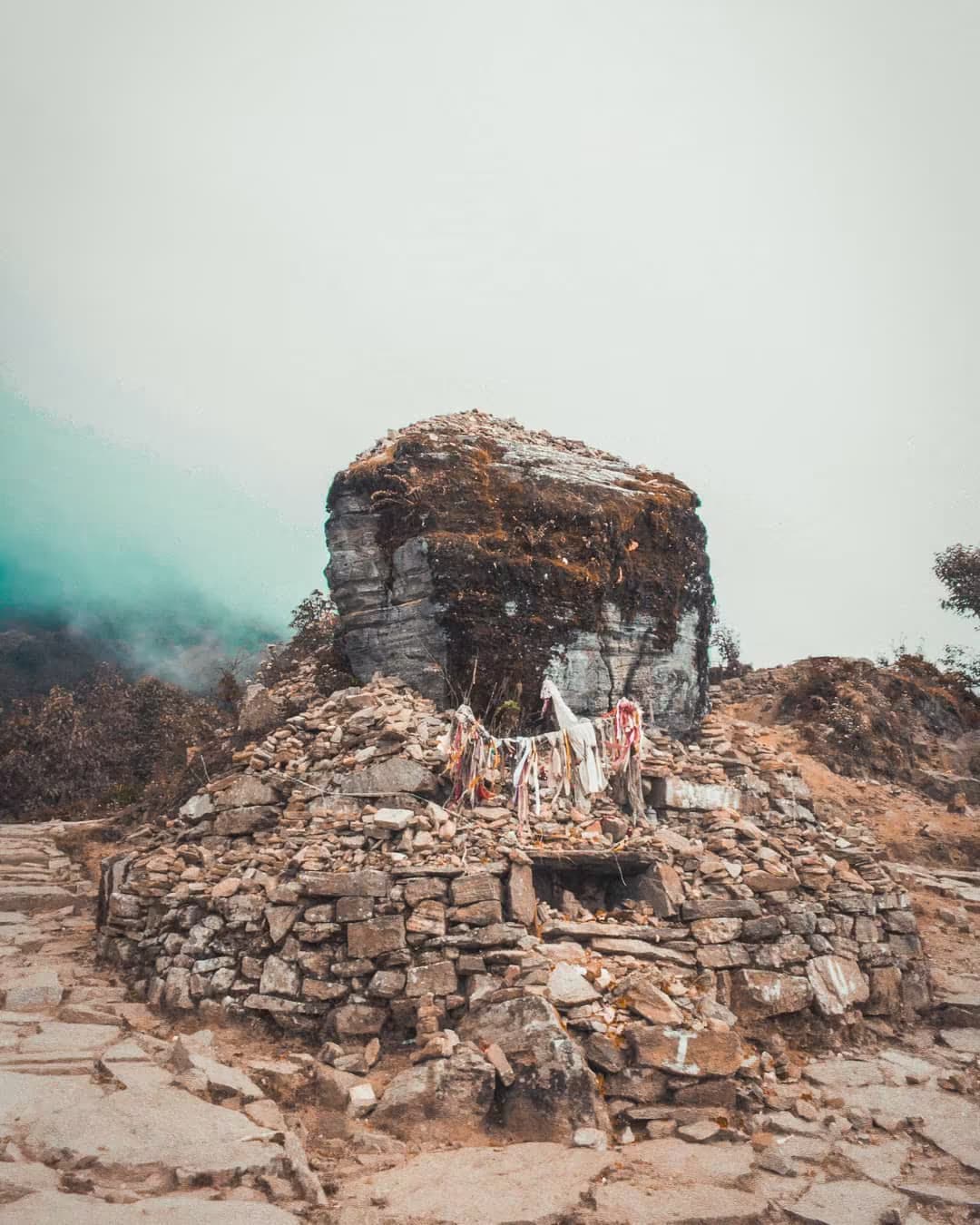
Kangchenjunga (8,586m) is the world's third highest mountain, straddling the border between Nepal and Sikkim (India). The name means 'Five Treasures of the Great Snow' in Tibetan, referring to its five peaks. It holds deep spiritual significance for the Limbu people of eastern Nepal, Sikkimese Buddhists (as a guardian deity of Sikkim), and Tibetan Buddhists. Climbers traditionally stop just short of the actual summit — a tradition that originated from a promise made to the Chogyal (king) of Sikkim by the first ascent party.
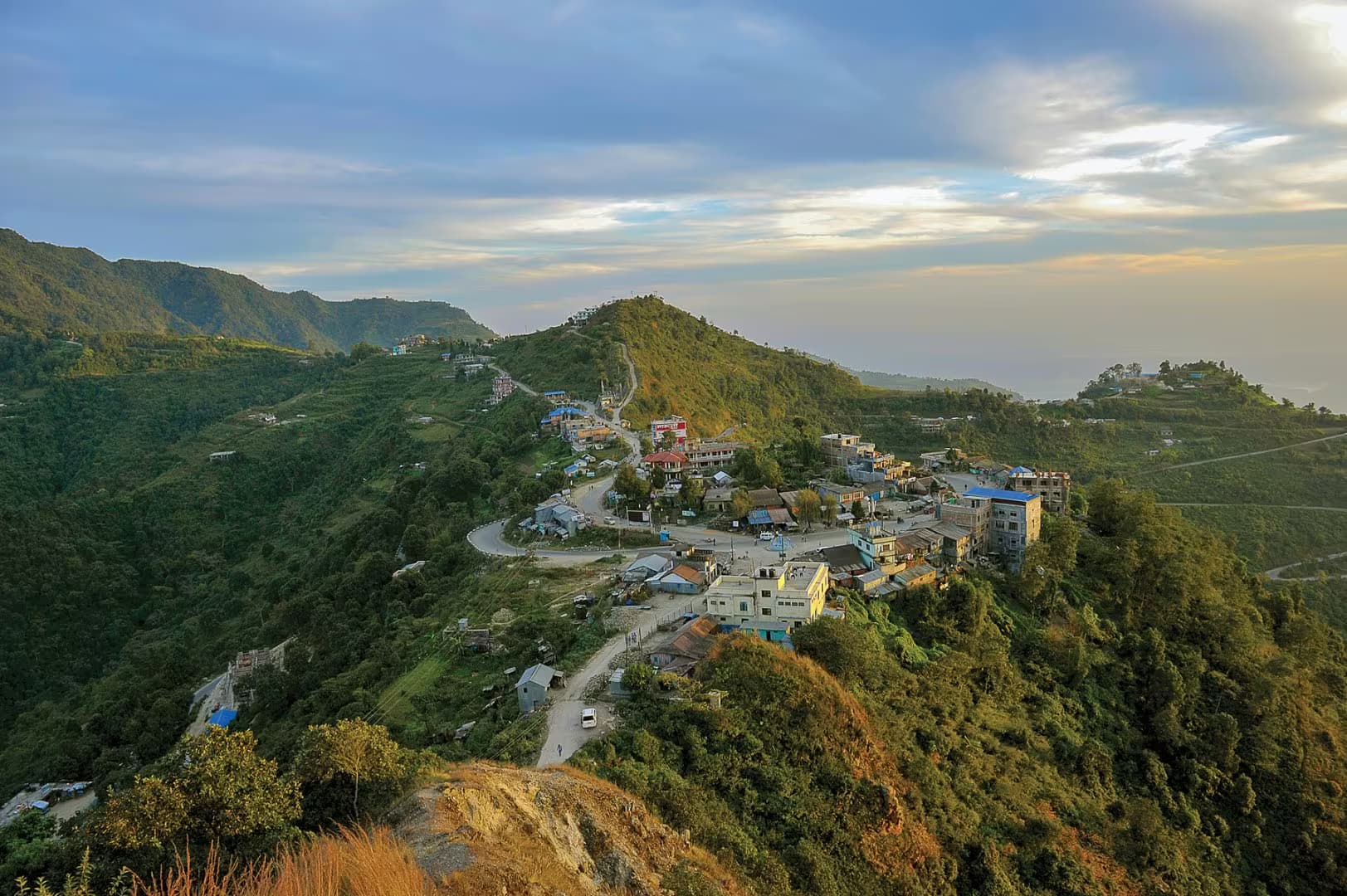
The mountain is far more remote and less climbed than Everest or Annapurna, with a notably high fatality rate that makes it one of the most challenging eight-thousanders. The Kangchenjunga Base Camp trek is one of Nepal's finest but least-visited treks, passing through the Kangchenjunga Conservation Area — home to snow leopards, red pandas, and Himalayan black bears. The trek traverses incredibly diverse terrain from subtropical forests to glacial moraines, through traditional Limbu and Sherpa villages. A restricted area permit is required, and trekkers must travel in groups of at least two with a registered guide.
First climbed on May 25, 1955 by Joe Brown and George Band of a British expedition led by Charles Evans, the summit tradition of stopping below the true top has been honored by almost every subsequent expedition. The best seasons for trekking are spring (April-May) and autumn (October-November).
Location
Planning this climb? Local operators publishing trips here can arrange it.
Elsewhere in this region
Help us get it right
Know Kangchenjunga better than we do?
We write from research and reporting, and the ground changes faster than we can keep up. If something here is out of date, or you have been and would tell it differently, we would rather hear it.