Tied for Anyone
On Janai Purnima a protective thread — the doro, also called raksha bandhan — is tied around the wrist by a priest or by a family member. Unlike the janai, it is given to anyone who comes for one: men and women, thread-wearers and not, children, foreigners, across every community. Priests set up at temples and riverbanks and tie thread after thread through the day, and offices, schools and shops all see it happening informally as well. This open availability is what makes the day genuinely shared rather than the observance of one group.
Which Wrist
Conventions about which wrist differ by community and region, and the priest tying it will simply take the hand he expects. It is not something anyone will correct a visitor over — hold out either hand.
How It Ends
The doro is not cut off when it frays. It is worn for months — traditionally until Tihar, in late autumn — and is then removed and tied to the tail of a cow. The reasoning is drawn from the belief that a cow assists the departed in crossing the river after death; the thread, having been worn for protection through the year, is transferred to the animal that will provide safe passage at the end of it. In practice many people now release the thread into a river instead.
Rakhi
The same full moon is also Raksha Bandhan as observed across much of South Asia, in which a sister ties a decorated thread — a rakhi — on her brother's wrist and he undertakes to protect her. In Nepal this runs alongside the priestly doro rather than replacing it, and is strongest in the Terai and among communities with close ties across the southern border. Both threads are tied on the same day, for related reasons, by different people.
Related
Connected places and entries worth pairing
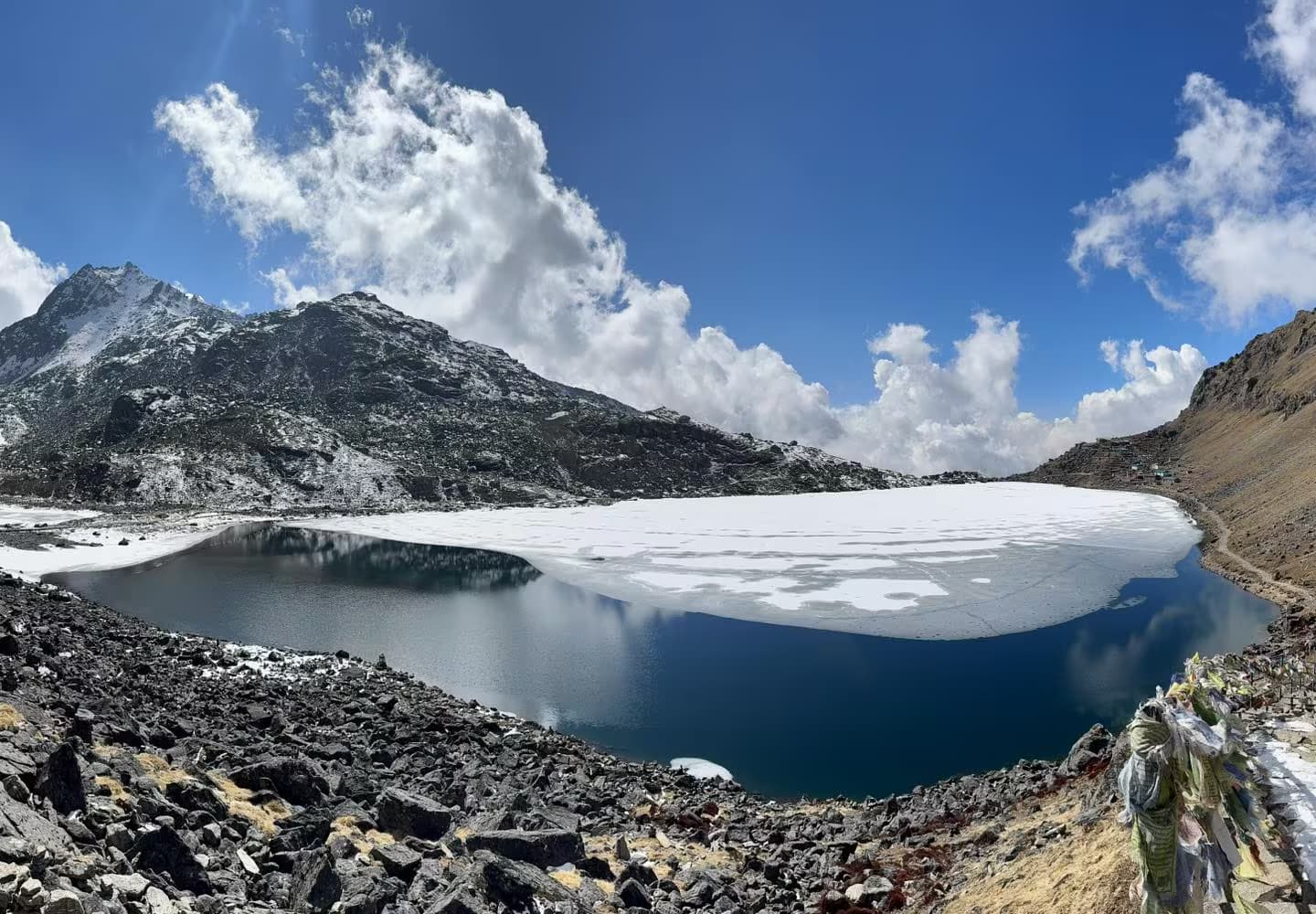
Gosaikunda
Gosaikunda is the major high-altitude lake pilgrimage for Janai Purnima
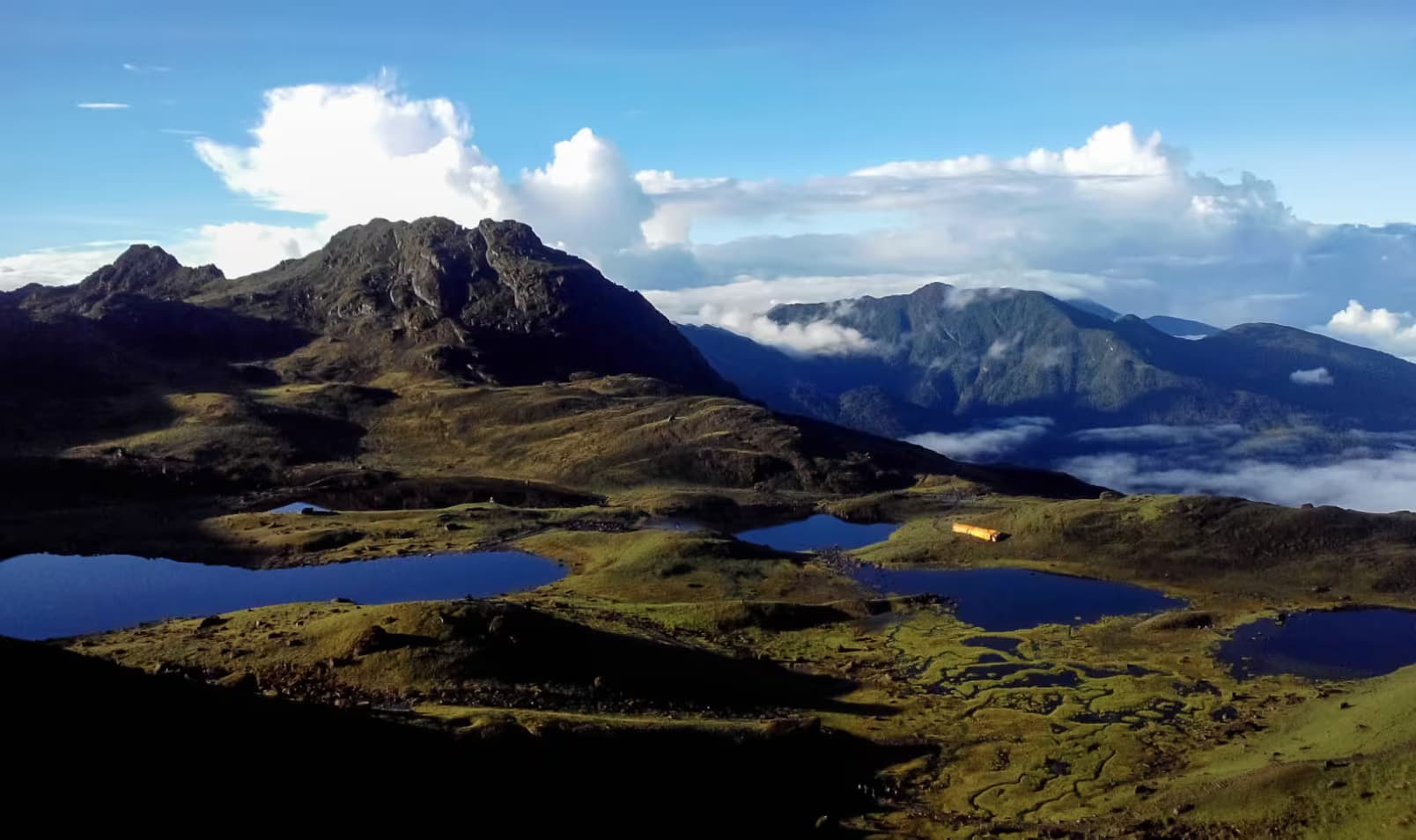
Panch Pokhari
Panch Pokhari also draws Janai Purnima pilgrims
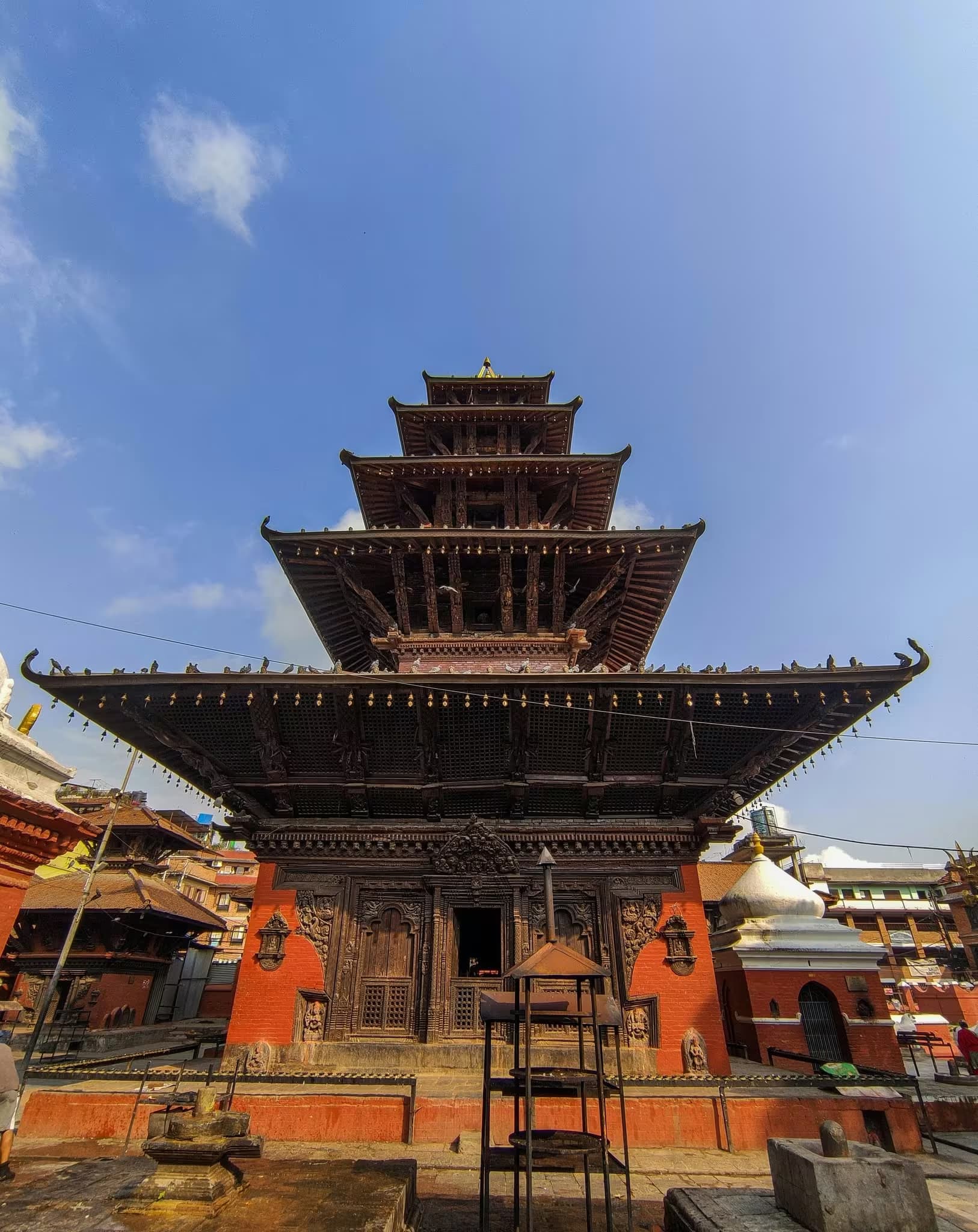
Kumbheshwar Temple
The tank at Kumbheshwar is the focal point of the day in Patan
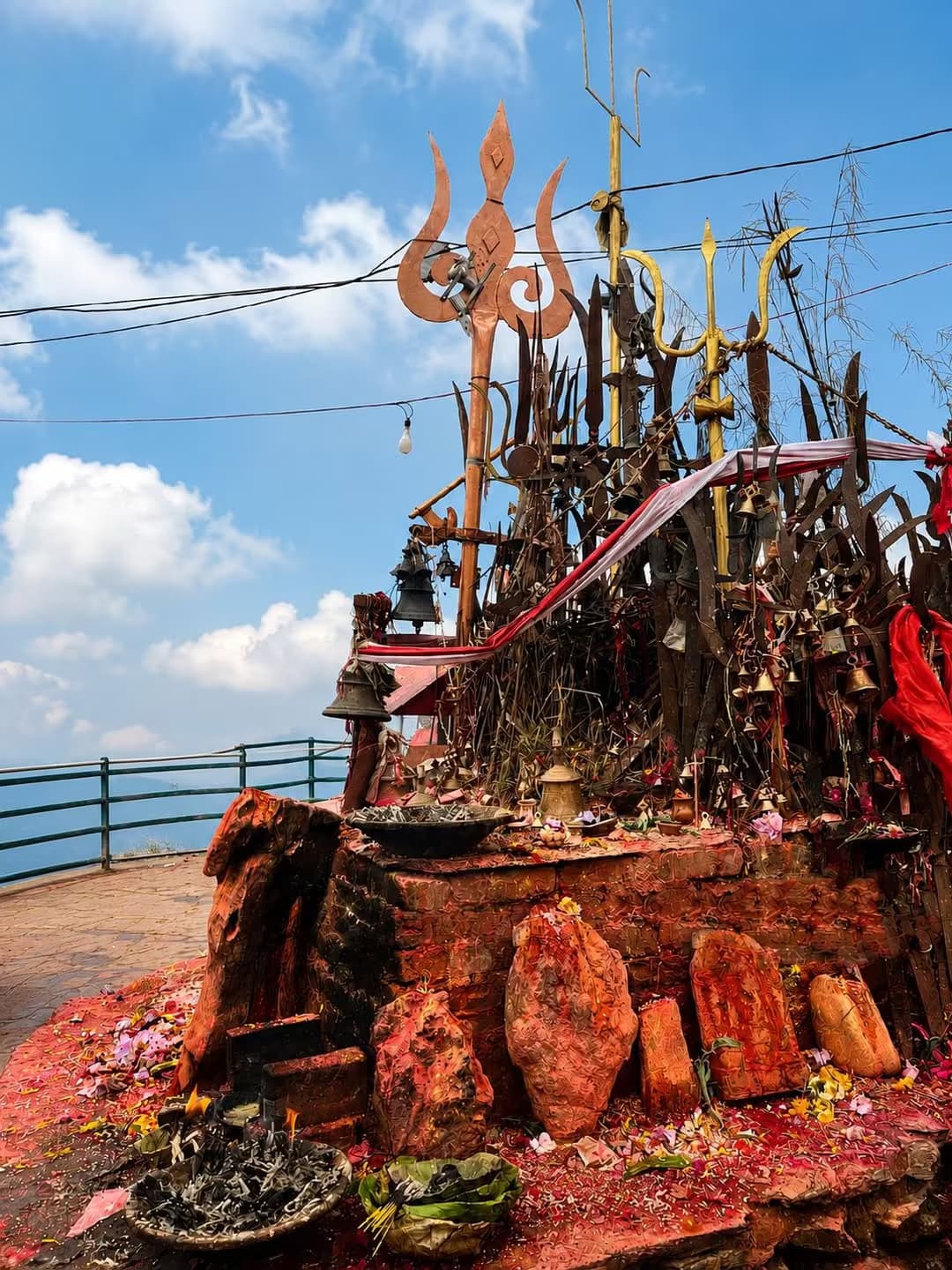
Kalinchowk Bhagwati
The Dolakha summit shrine and kunda where the full moon draws its own bathing pilgrimage
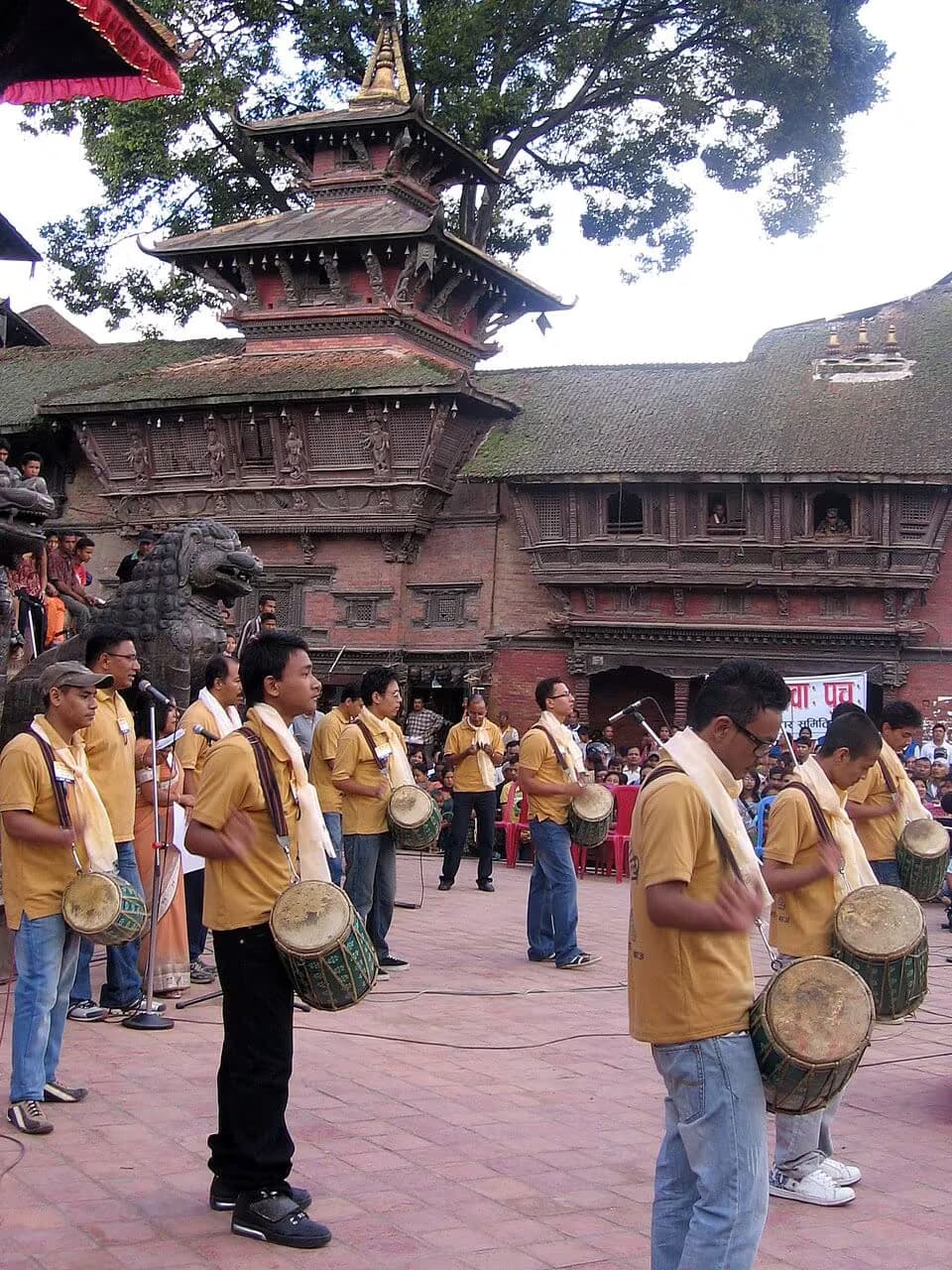
Gunla
The day is the full moon of the Newar Buddhist holy month
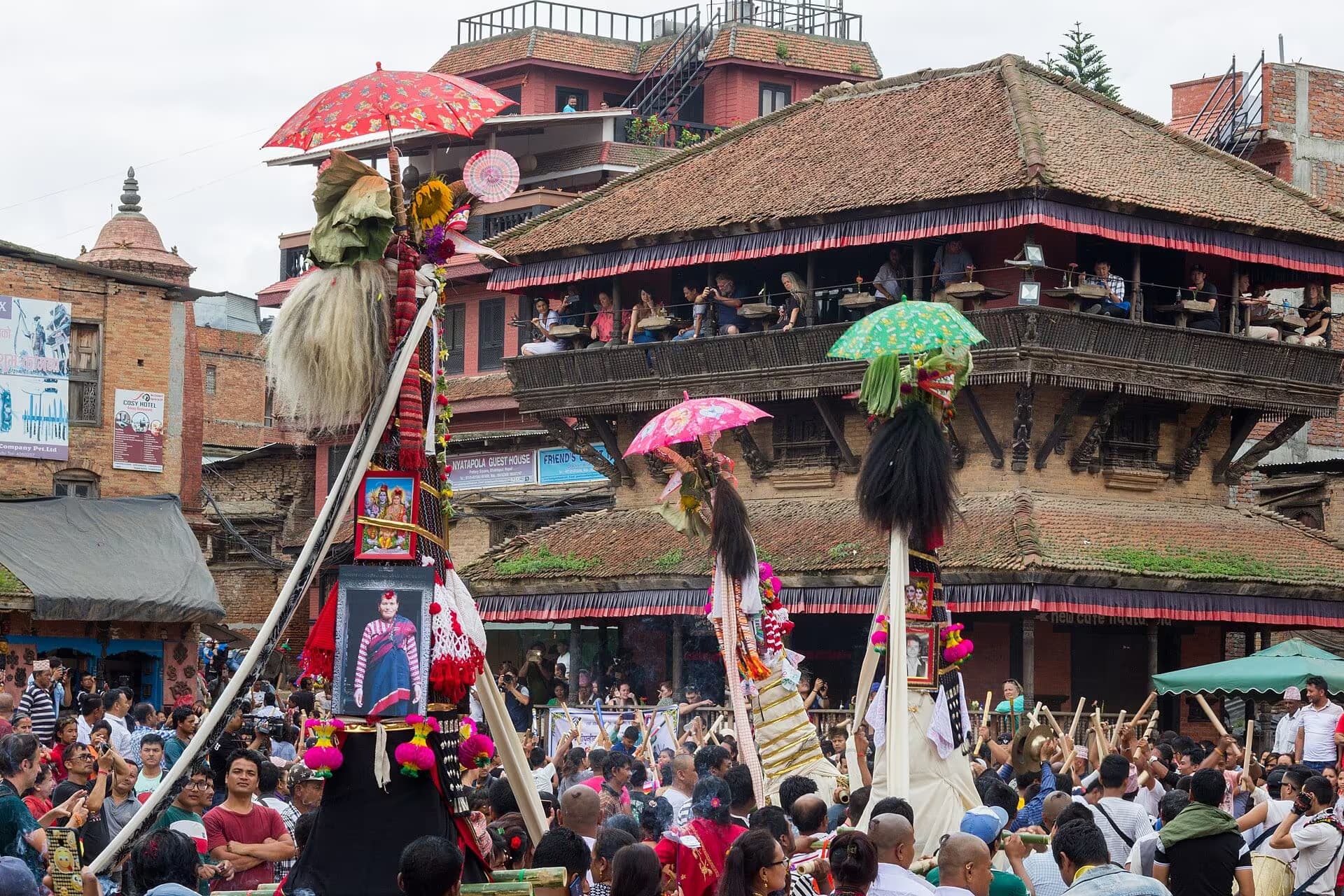
Gai Jatra
Sa Paru follows the next day
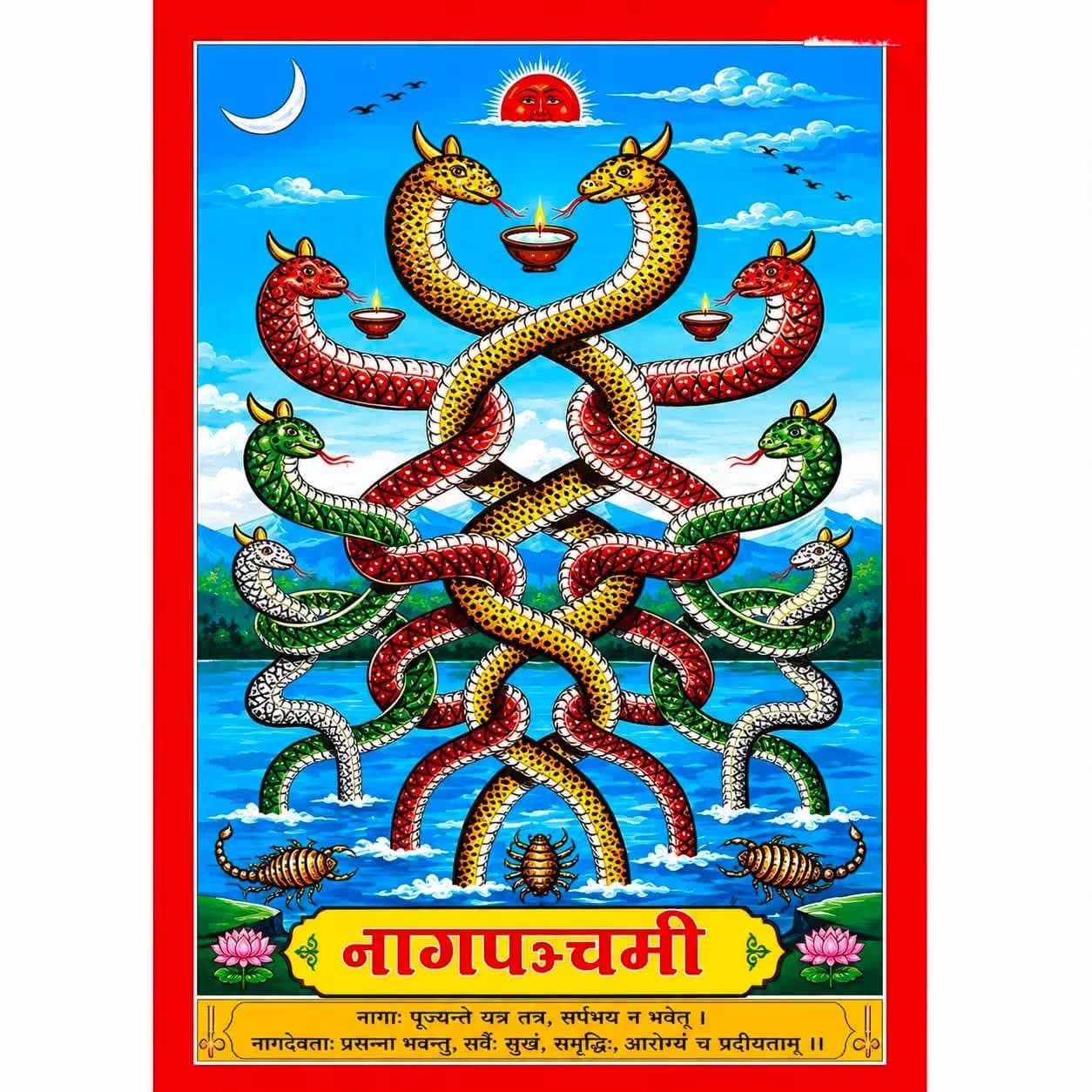
Nag Panchami
Serpent worship ten days earlier, in the same Shrawan cluster
Part of Janai Purnima