The Feast Before the Fast
Dar means a heavy meal eaten in preparation for fasting — the foods are deliberately rich: fried breads, meat curries, sweets, and milk-based preparations designed to sustain the body through the 24-hour nirjala fast ahead. Unlike the somber preparations of some religious observances, Dar Khane Din is exuberant: a celebration of food and female company that runs from late afternoon well past midnight. The austerity ahead is acknowledged and then deliberately set aside for one last night of abundance.
The Gathering
Women gather in groups — neighborhood circles, extended families, workplace friends — at homes or rented halls. The atmosphere is defined by Teej's signature elements: red saris brought out from storage, gold jewelry worn openly, henna freshly applied to hands. This is women's space; men are peripherally present at most. The gathering is simultaneously informal and charged, a community that forms annually around this shared threshold. In cities, rented community halls fill to capacity; in villages, courtyards become the gathering ground.
The Music and Dance
The singing tradition is central to Dar Khane Din: traditional Teej songs (Teej ko geet) have been passed through generations, and alongside them a booming contemporary industry releases new studio-recorded tracks each festival season. These modern Teej songs are played on loudspeakers at gatherings and in public spaces, and they have become cultural events in their own right — anticipated, collected, and debated. Women dance in circles, the movements simultaneously traditional and improvised, the group energy sustained through hours of singing. The songs' lyrics speak of marital life, longing, sisterhood, and — increasingly — women's rights and independence.
The Red Sari
Red is the color of saubhagya — marital auspiciousness — and the color Parvati wore during her penance for Shiva. The visual of thousands of women across Nepal dressed in red on the same evening — moving through streets, gathering at halls, visible from every balcony — is one of the festival's defining images. The red sari is not merely clothing; it is a collective declaration. Every woman who wears it on Dar Khane Din participates in an annual act of identification with the goddess whose story gives Teej its meaning.
Transition
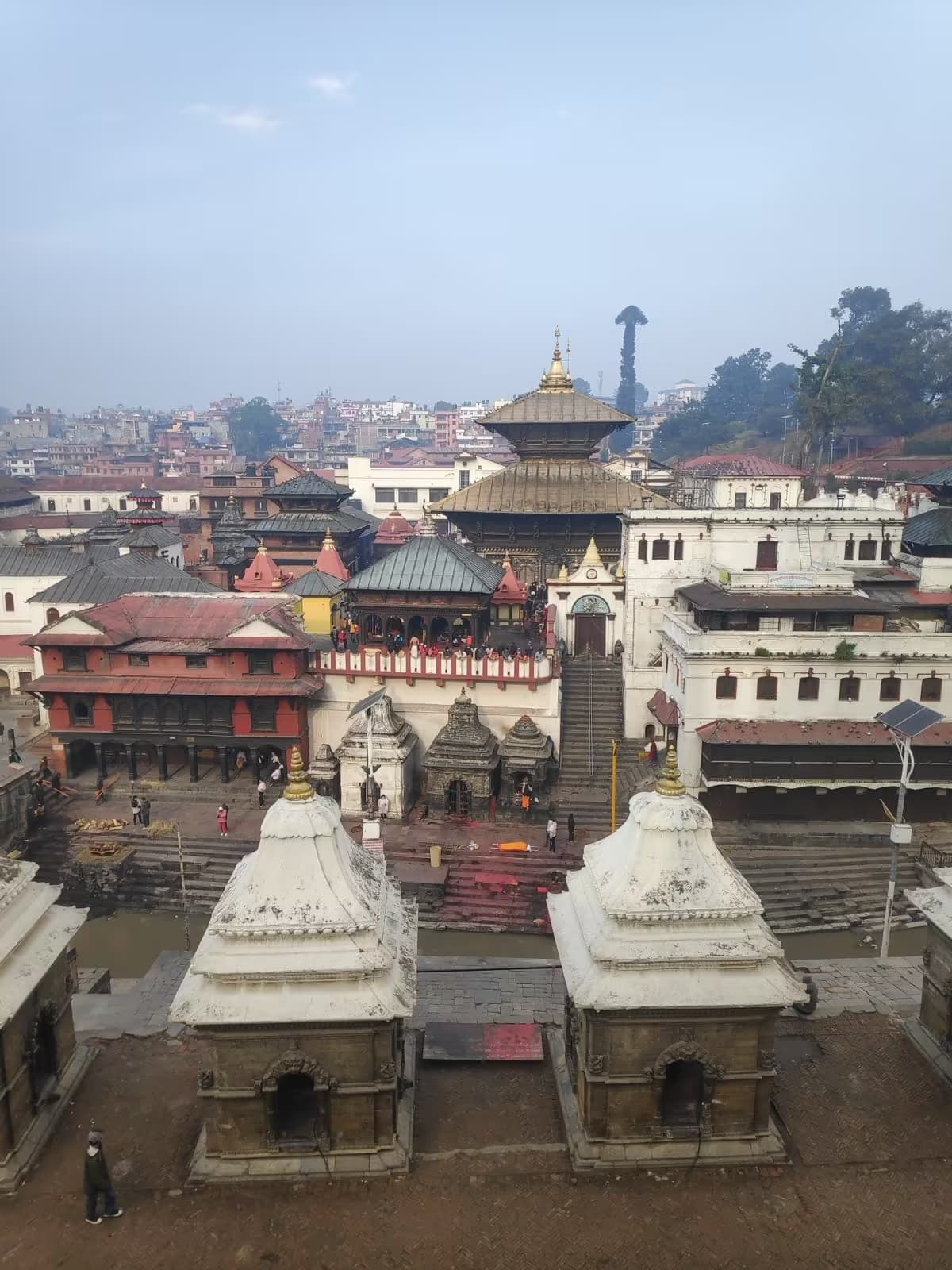
As Dar Khane Din ends in the early hours, the fast begins. The contrast between the night's abundance and the day's austerity is the theological engine of Teej: having feasted together, women now fast together, the community sustained through both poles. The feast is not frivolous — it is preparation, a form of devotional care taken for the body before it is asked to endure. Those who danced together until midnight will stand together in the Pashupatinath queue at dawn.
Related
Connected places and entries worth pairing
Deities & Presences

Dances


Part of Teej (Haritalika Teej)