Dashain wishes
Dashain is the greeting season in Nepal. For fifteen days the country moves — home to parents, home to a village, home to whoever is senior — and the wish that travels with it is a blessing, not a slogan.
Most festival greetings are a picture with the wrong words on it, forwarded until the compression shows. These are written per festival, in the language the festival is kept in, and each one is a page rather than a file — so the person you send it to opens something addressed to them.
Every wish below is copyable today. Pick the festival, pick the line, and send it however you already send things.
Dashain is the greeting season in Nepal. For fifteen days the country moves — home to parents, home to a village, home to whoever is senior — and the wish that travels with it is a blessing, not a slogan.
Tihar gives five days to five different relationships, and each one has its own wish. It is the rare festival where the greeting has a named recipient built into the calendar.
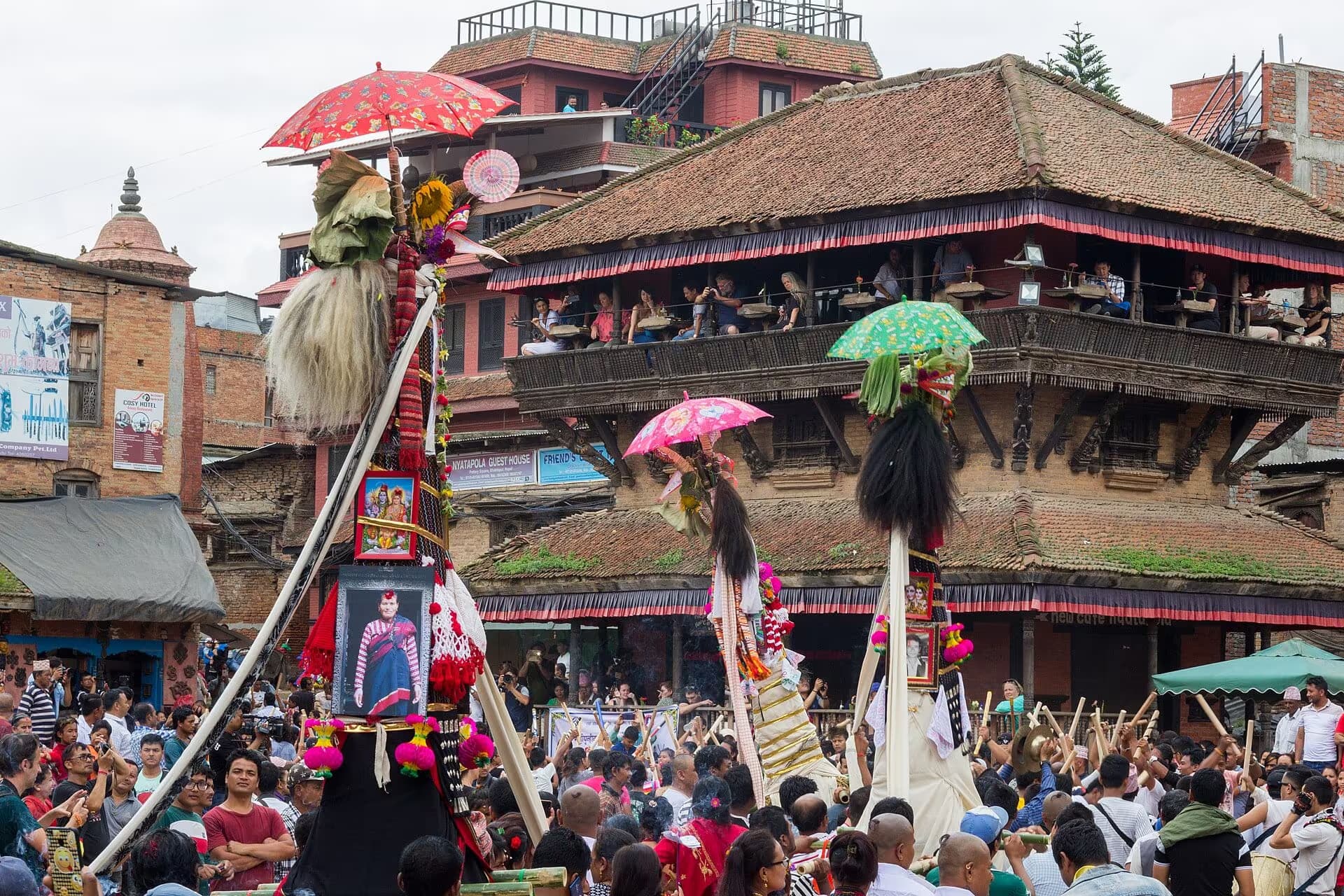
Indra Jatra belongs to Kathmandu in a way few festivals belong to a city. Eight days of chariots, masked dances and a living goddess, mostly within a few square kilometres of Hanuman Dhoka.
Teej is women's — a fast, a red sari, a day of dancing and a night of songs that are not all cheerful. The greeting has to be able to carry that.
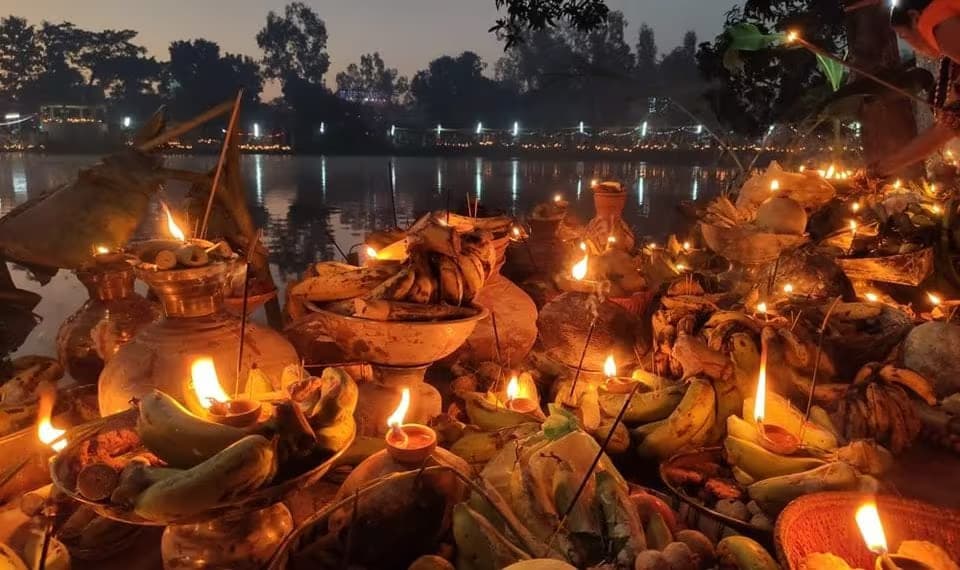
Chhath is the strictest fast in the Nepali calendar and the only major festival addressed directly to the sun. Its greetings are quieter than most, and they are the more meaningful for it.
Krishna Janmashtami is kept at night, and the moment it is kept for is midnight — the hour Krishna was born. A wish sent the next morning has missed the thing it was about.
On the full moon of Shrawan almost everybody in Nepal ends the day with a thread around their wrist. That thread is what a Janai Purnima wish is about.
Gai Jatra is a festival for families who lost somebody that year, and it is also the funniest day in the Newar calendar. Both of those things are true at once, which is exactly why it is hard to write a card for.
A card is a web page, not an image file. Each person you name gets their own link, so the card opens with their name on it — and you can take one link back without touching the others.
We ask for a name to print on the card and nothing more. No phone numbers, no address book, no contact upload. You send the links yourself, in whichever app you already use.
The wish is written in the language the festival is kept in, with an English line beside it. Devanagari renders as text on the card, so it is readable and selectable rather than baked into a picture.
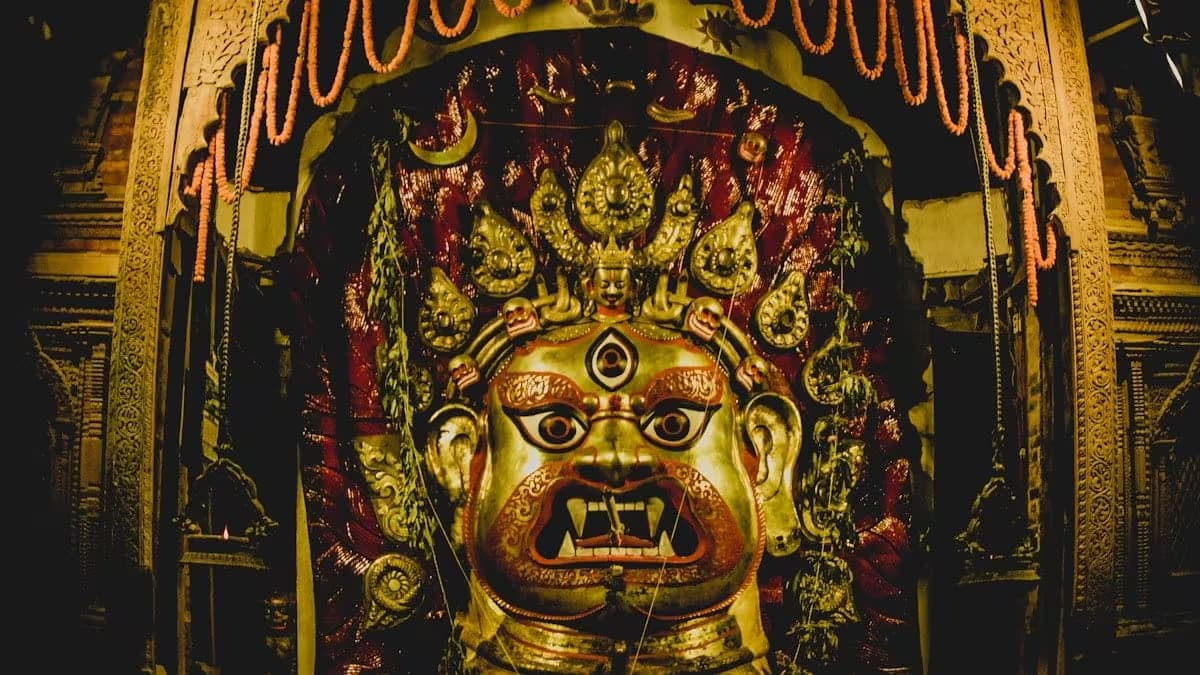
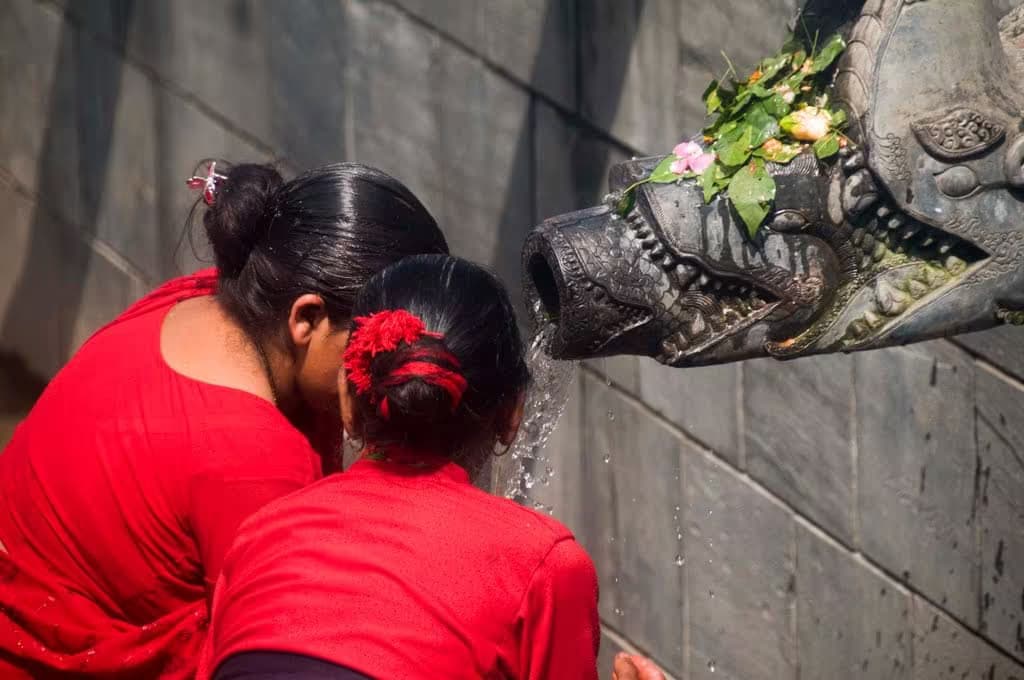
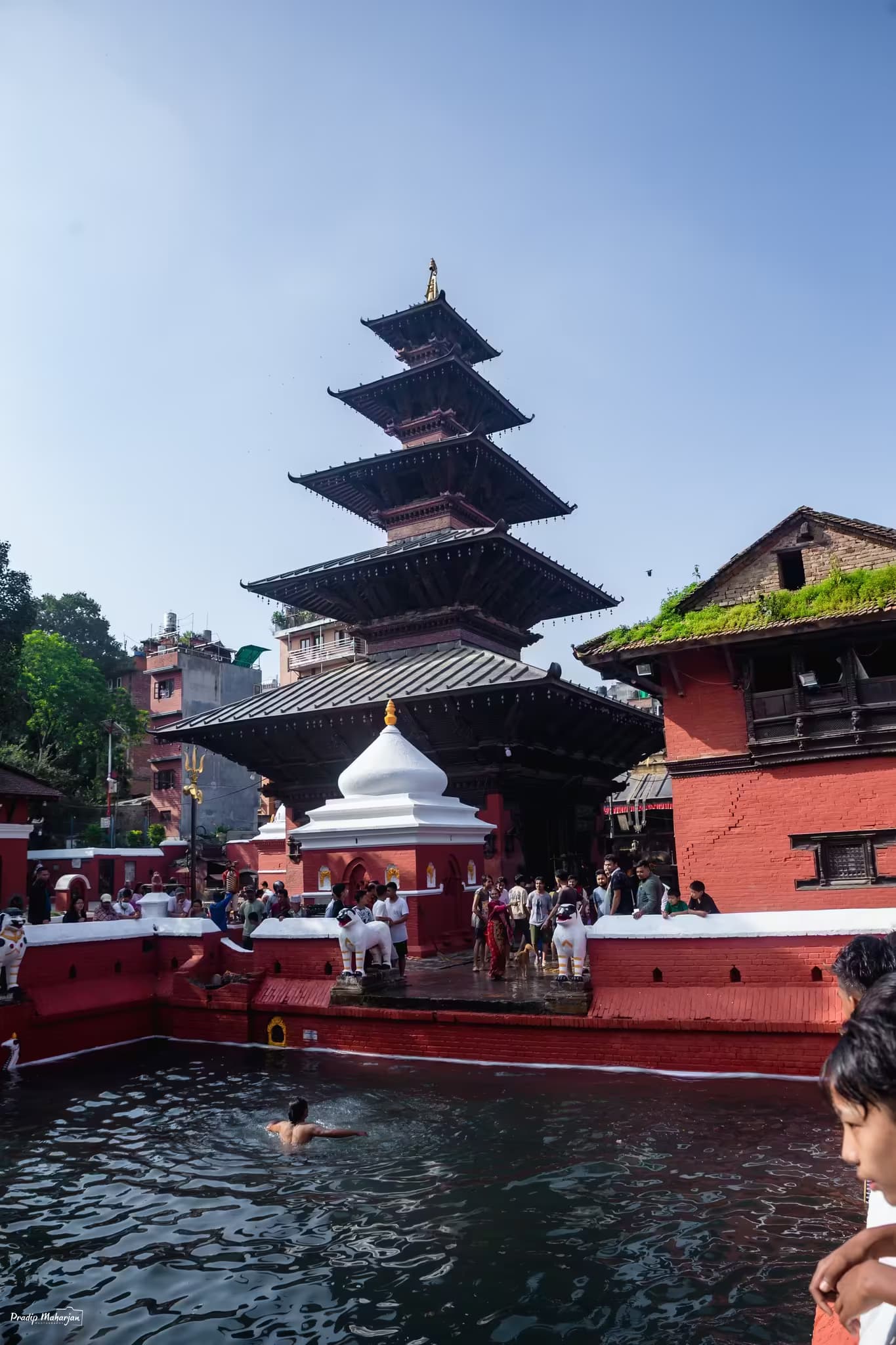
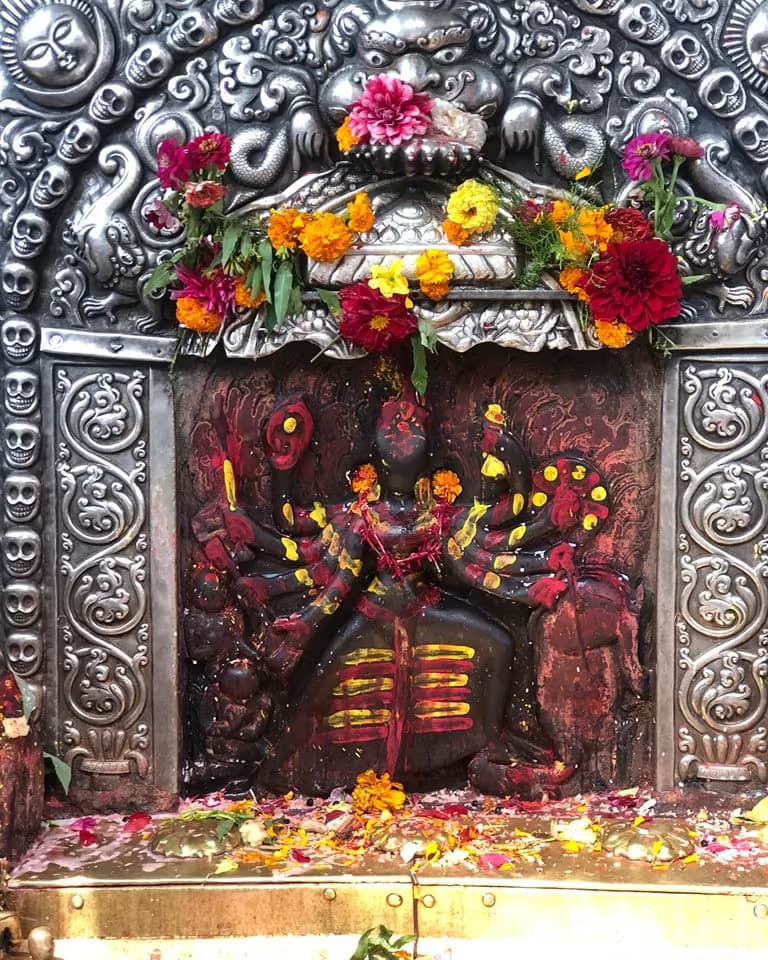
The pictures are the festival's own named moments — Ghatasthapana, tika day, the Kumari's chariot — credited to the photographers who took them.
Nepali festivals move against the Gregorian calendar every year, so a wish sent on last year's date is early or late by a week. The dates below are this cycle's.
| Festival | Next date | Who it goes to |
|---|---|---|
| Dashain | October 11, 2026 | Parents, grandparents, siblings, and anyone whose tika you are missing this year. |
| Tihar | November 7, 2026 | Brothers and sisters on Bhai Tika, and everyone on Mha Puja and Laxmi Puja. |
| Indra Jatra | September 15, 2027 | Anyone from the Kathmandu Valley, and anyone who has stood in that crowd once. |
| Teej | September 14, 2026 | Sisters, mothers, daughters and friends — Teej messages travel between women. |
| Chhath | November 12, 2026 | Whoever in your family is keeping the fast, and the household holding it up. |
| Janmashtami | September 4, 2026 | Whoever in your family or circle keeps the night — the fasting, the singing, the queue. |
| Janai Purnima | August 20, 2027 | Anyone whose wrist you would have tied a doro on — family, friends, colleagues, neighbours. |
| Gai Jatra | August 29, 2026 | A family that lost someone this year, and Valley friends who will be out watching. |
Dates come from the same almanac as the festival calendar, and each festival's own page carries the full account of it.