Long before the Malla kings raised their durbar squares, the Licchavi rulers governed the Kathmandu Valley from the early centuries CE. They left the Valley its oldest dated inscriptions and some of its most venerated shrines — many still in worship today.
Licchavi power radiated from settlements such as Handigaun, the lost early capital, before Kathmandu, Patan and Bhaktapur rose to dominance. Their legacy is less about courtly architecture and more about foundations: temples, sculptures, water systems, and the sacred map the later kings inherited.
Attribution across fourteen centuries is necessarily looser than for the Mallas, so these nodes are framed as Licchavi-era foundations rather than the work of a single named ruler.
Across the Valley
Numbered markers match the monuments below. Festivals and intangible legacy are listed but not mapped.
Licchavi-era foundations
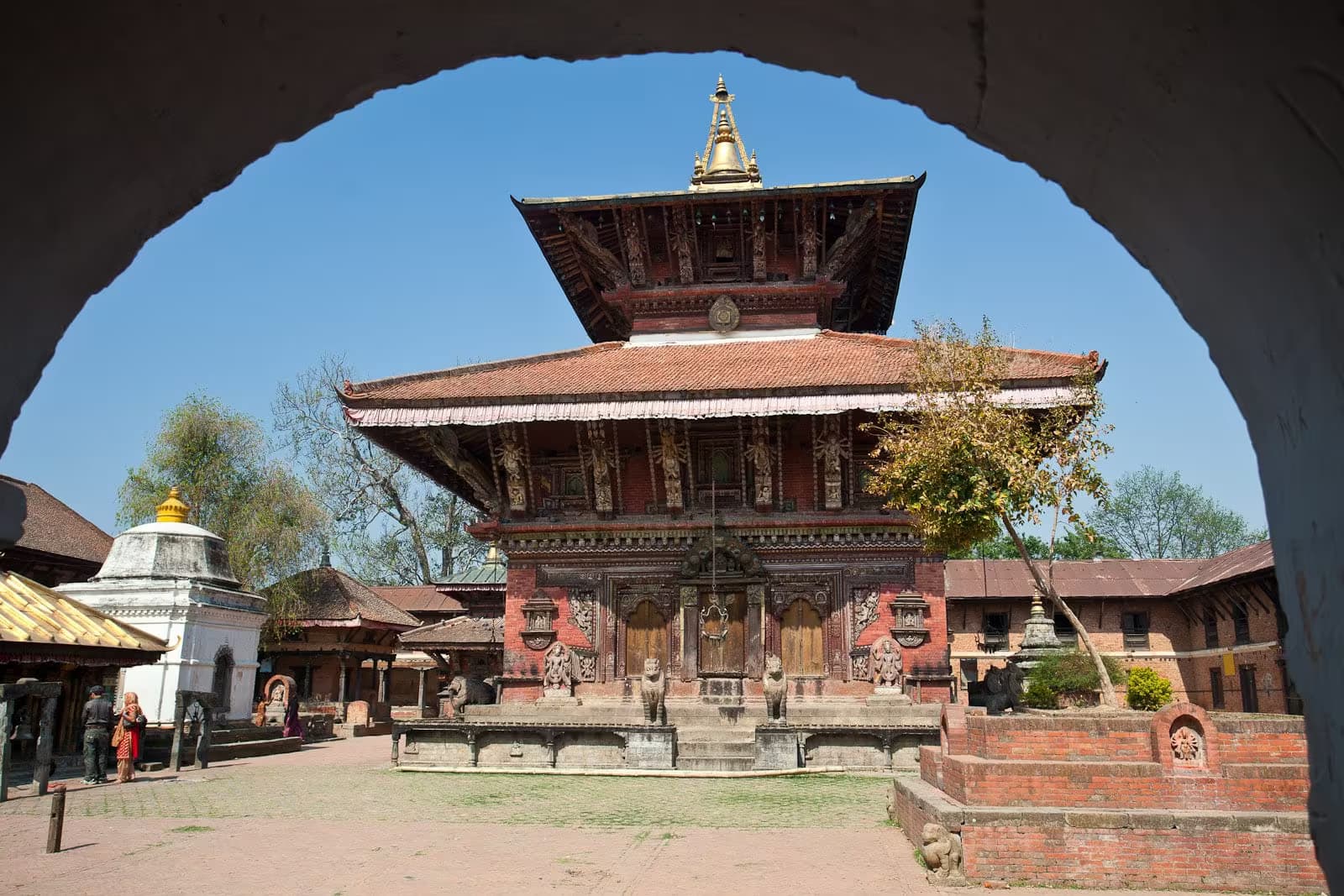
Changu Narayan Temple
Licchavi foundationThe Valley's oldest Vishnu temple, carrying Manadeva's 5th-century pillar inscription.
Changu Village
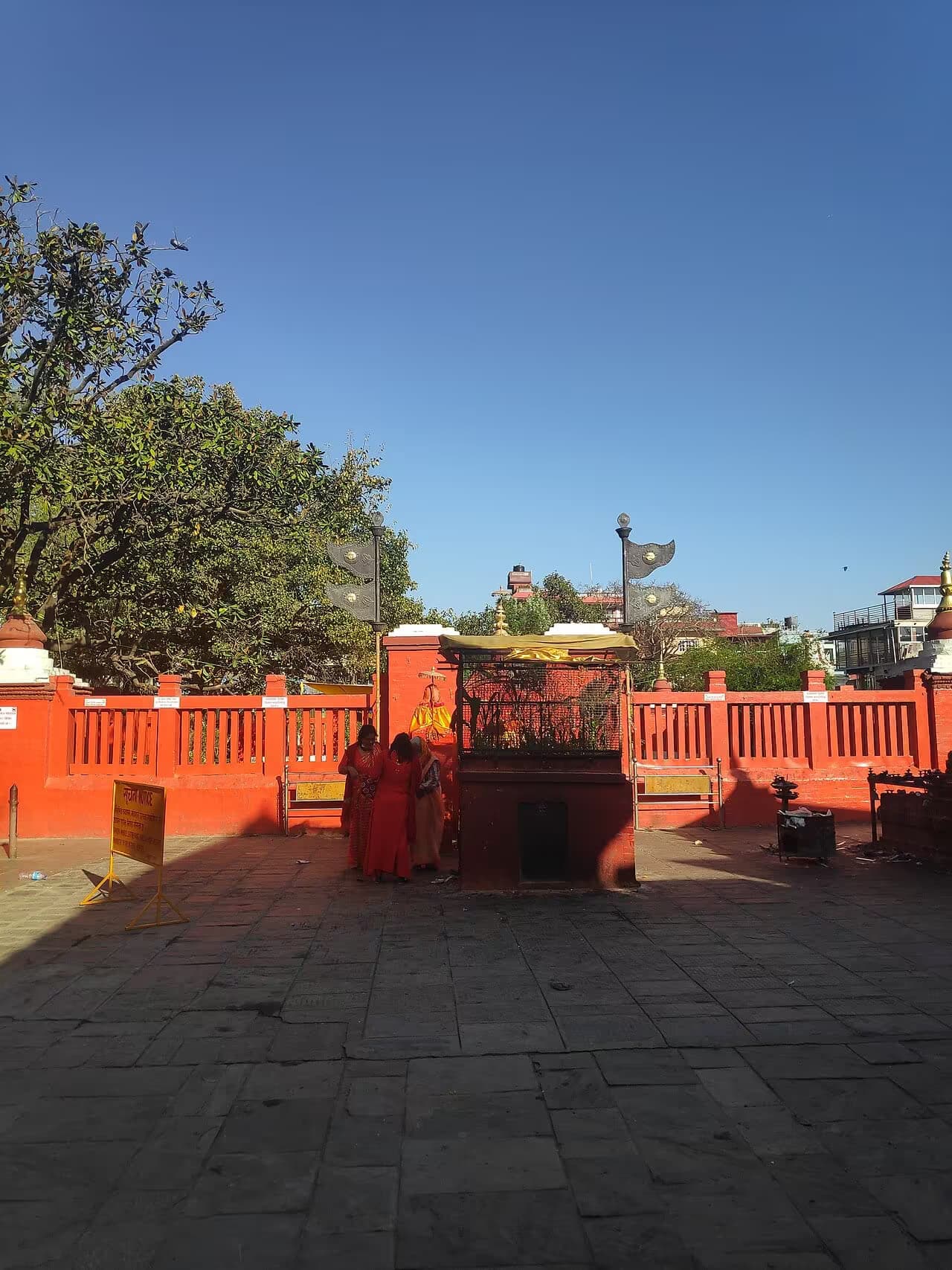
Budhanilkantha Temple
Licchavi eraThe monumental reclining Vishnu sculpture, a Licchavi-period masterwork.
Budhanilkantha
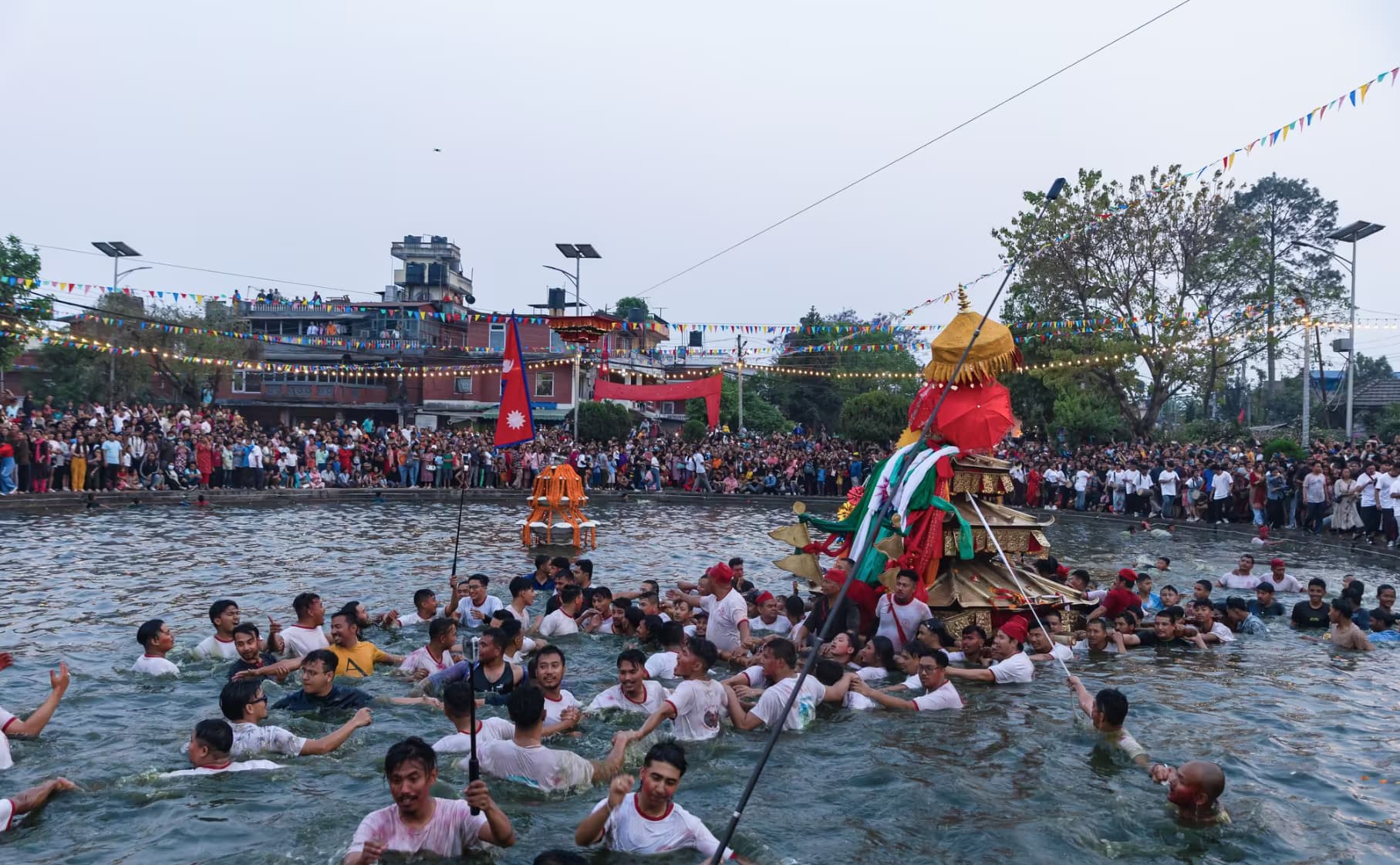
Gahana Pokhari
Handigaun capitalA surviving water node of Handigaun, the Licchavi-era capital before Kathmandu rose.
Kathmandu
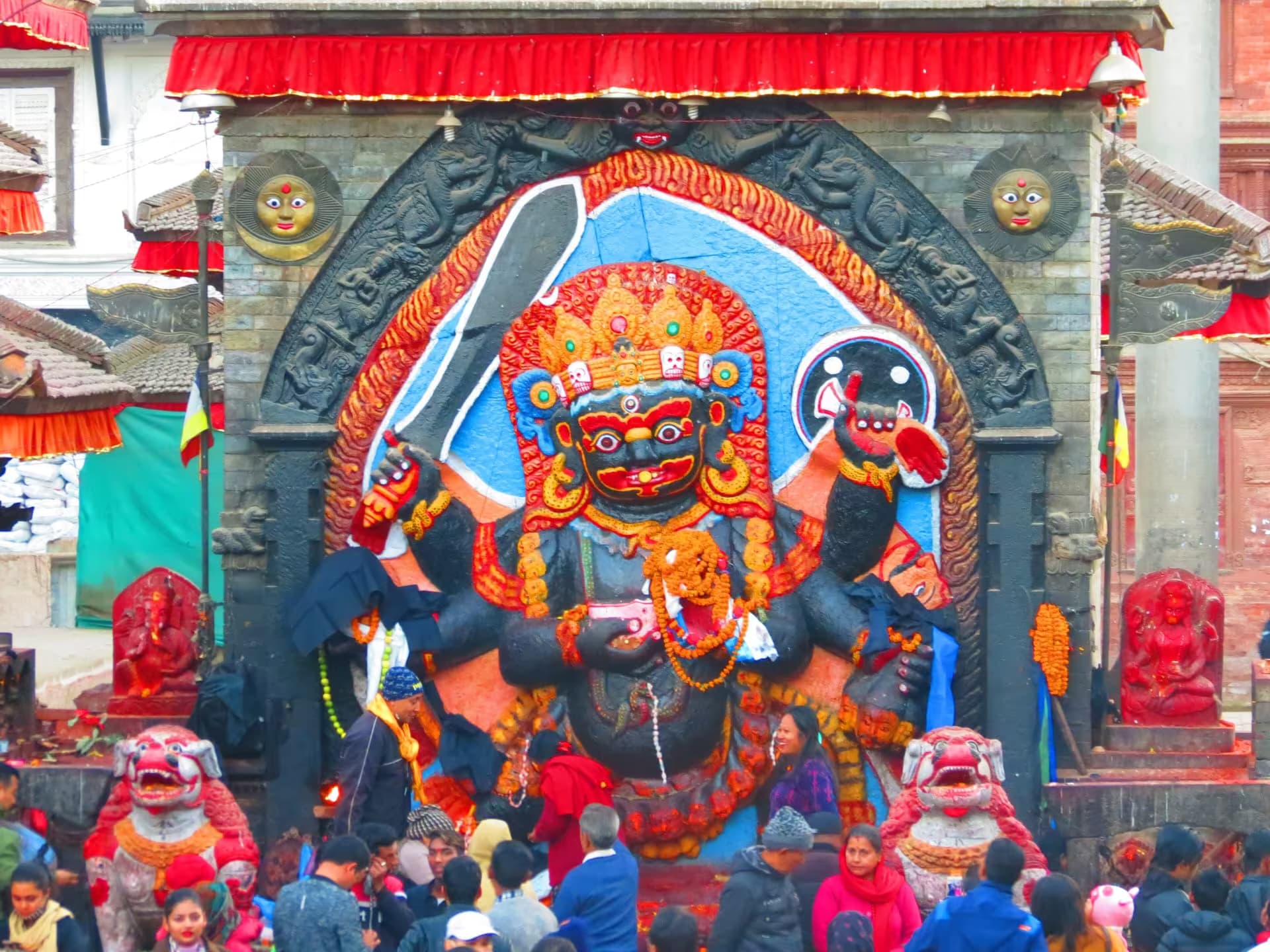
Kal Bhairav
Licchavi sculptureThe Bhairav image is held to be a Licchavi-era carving, later installed by Pratap Malla.
Kathmandu Durbar Square
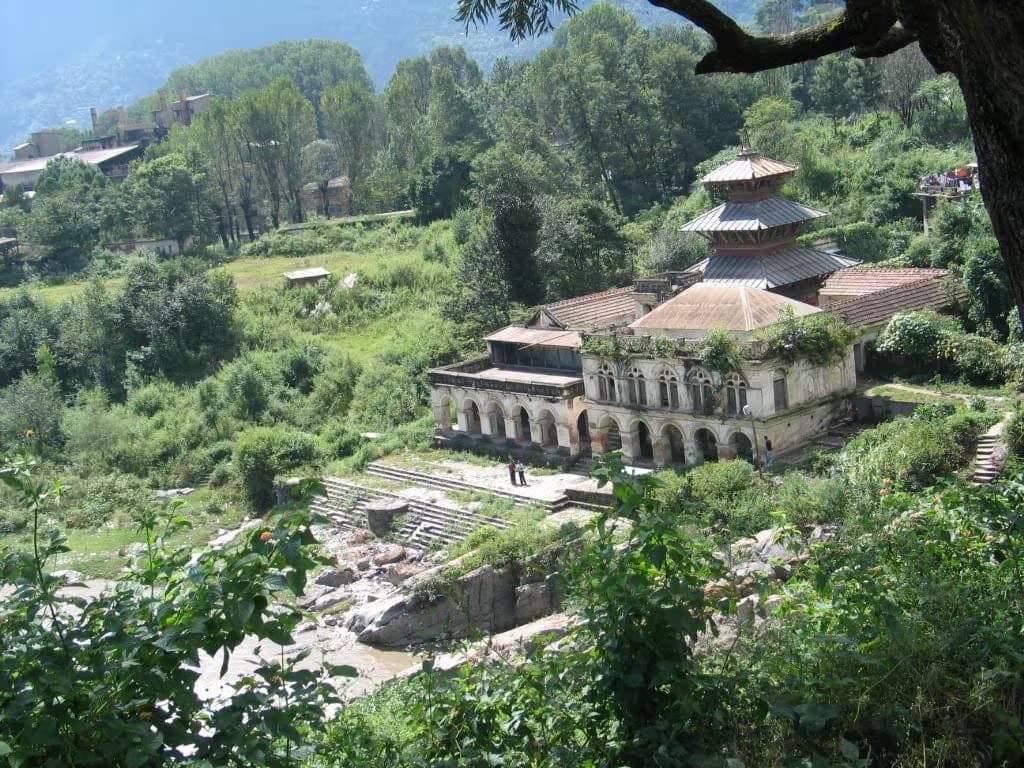
Chobar
Ancient gorgeThe Bagmati gorge tied to the Valley's drainage legend and early settlement.
Kathmandu
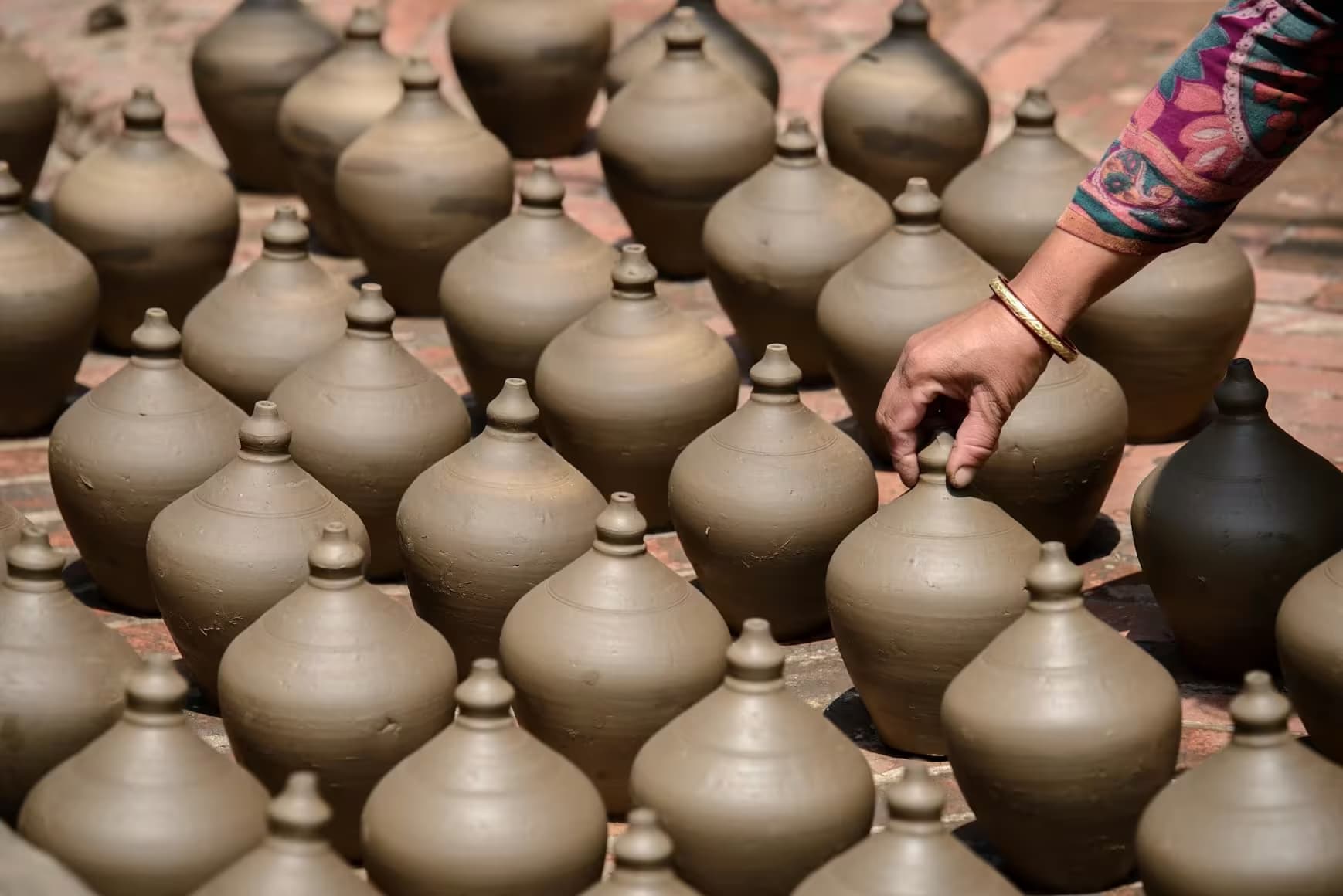
Pottery Square
Old craft quarterAn ancient craft and settlement node within Bhaktapur's old town.
Bhaktapur
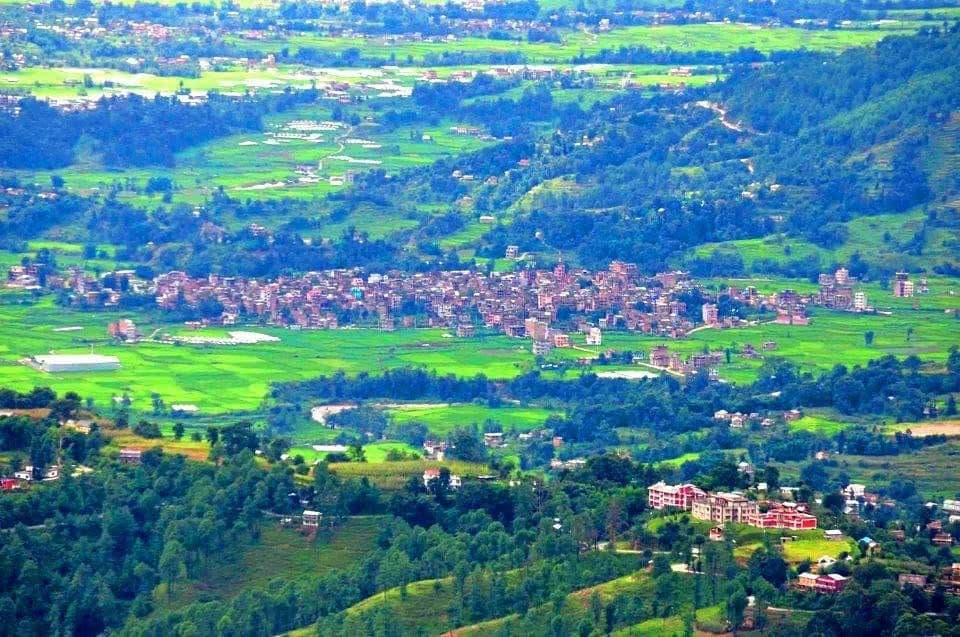
Sankhu
Early Newar townOne of the oldest Newar trading towns, gateway to Vajrayogini.
Kathmandu
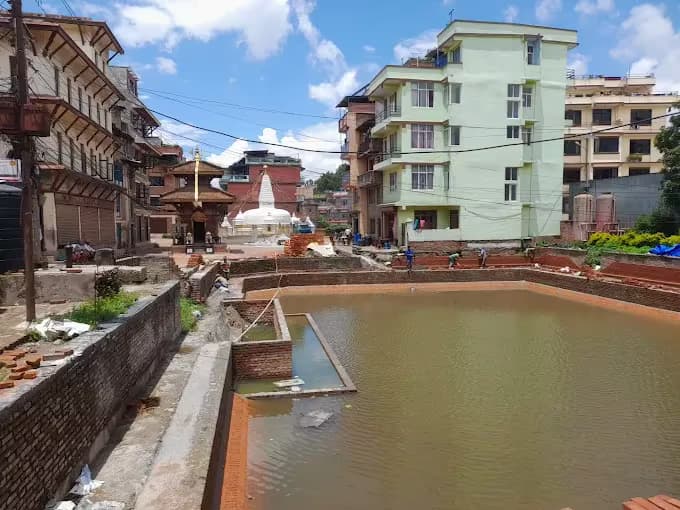
Guita Pukhu
Historic pondA historic Patan tank within the Valley's old water network.
Lalitpur
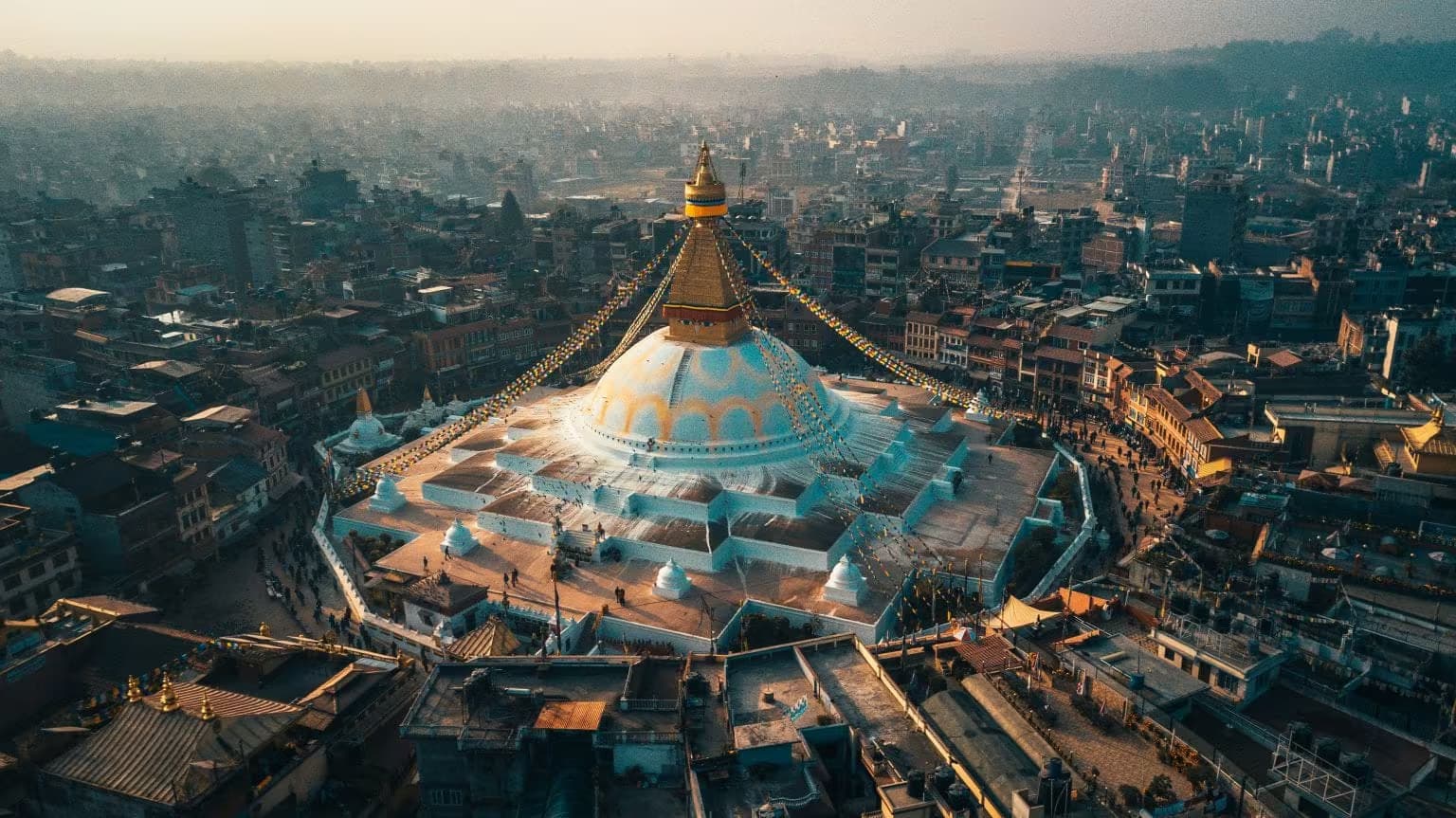
Boudhanath Stupa
c. 600 CETradition places the stupa's founding with the Licchavi king Shivadeva I, on the trade road to Tibet.
Boudha
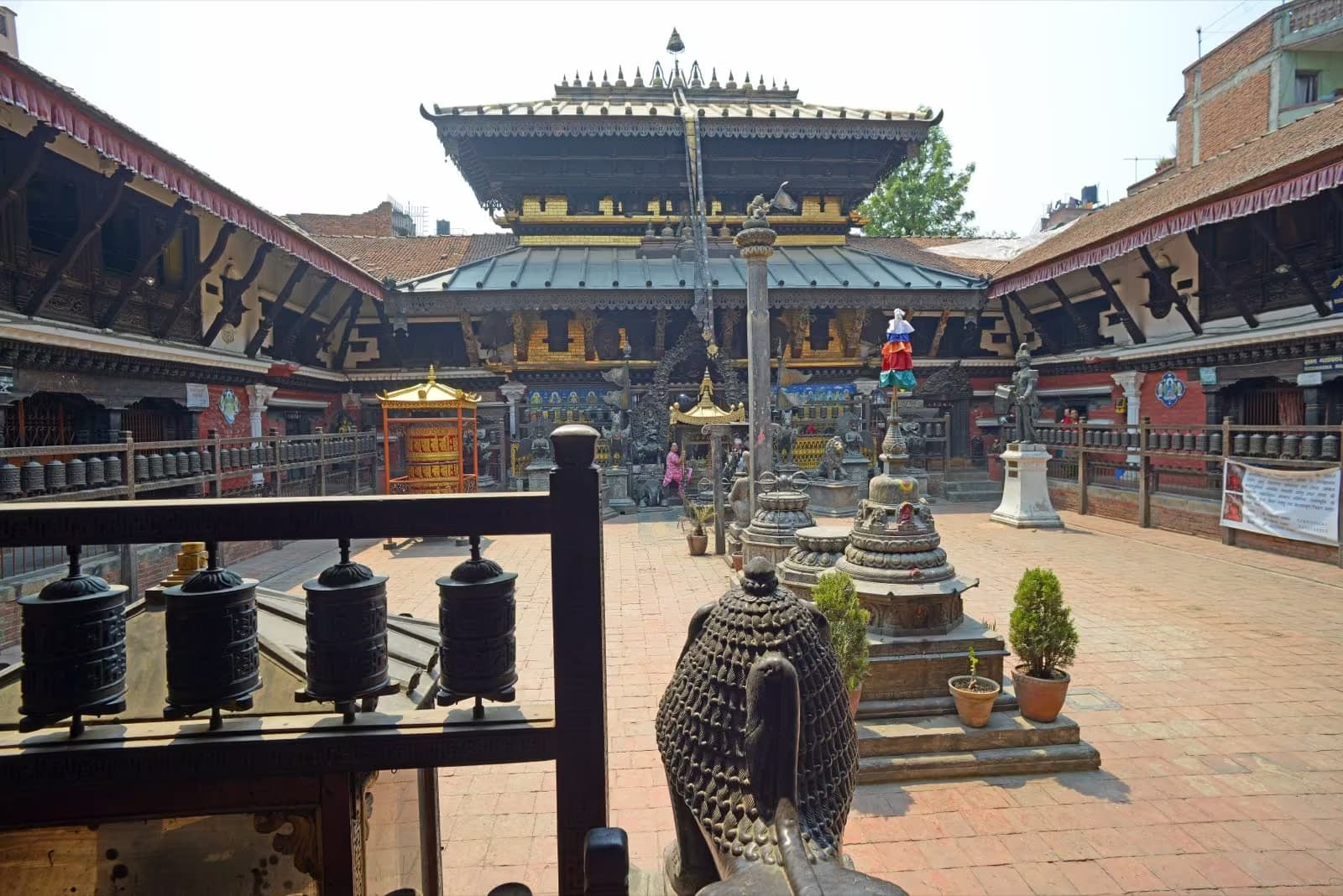
Rudravarna Mahavihar (Okubahal)
Founded 6th c.Patan's great bronze-casters' monastery, its foundation attributed to King Shivadeva.
Okubahal, Patan
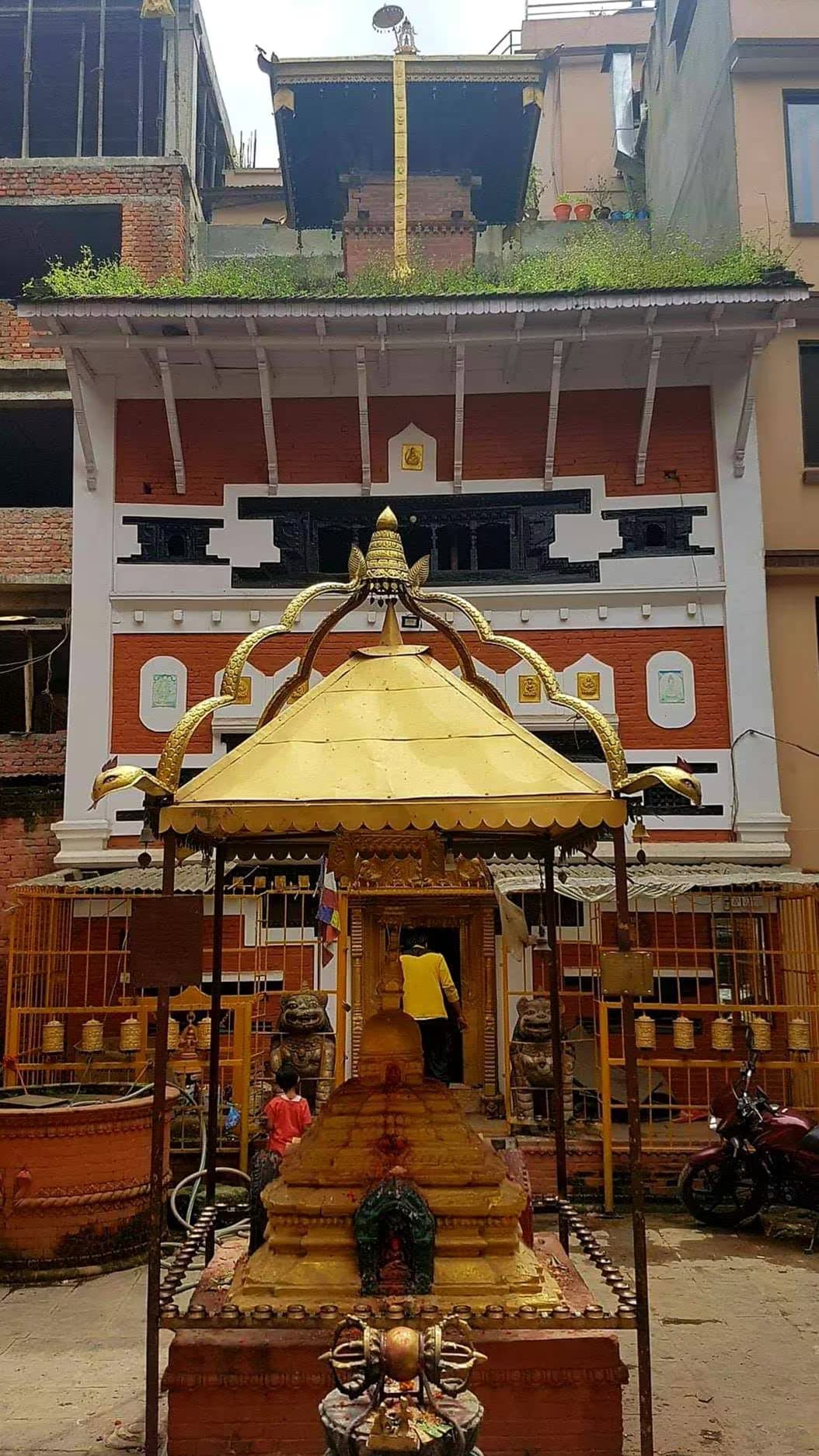
Cuka Bahal (Chakravarna Mahavihar)
5th centuryA Patan bahal whose foundation is traced to Manadeva I, among the oldest in the city.
Patan Old City
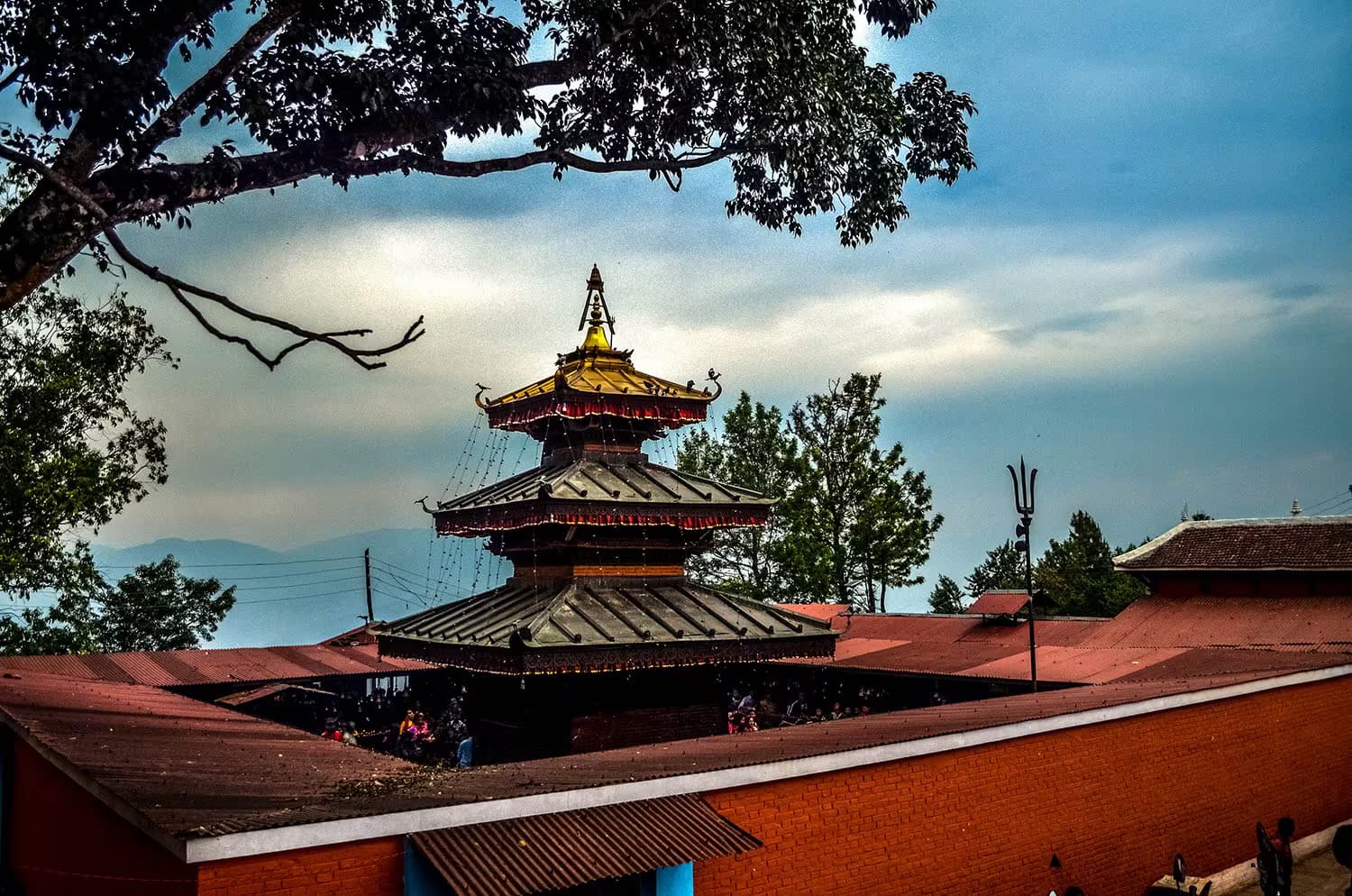
Palanchowk Bhagwati
ManadevaThe black stone Bhagwati east of the Valley, credited on site to Manadeva's patronage.
Ridge above Lamidanda, Panchkhal Municipality, off the Arniko Highway
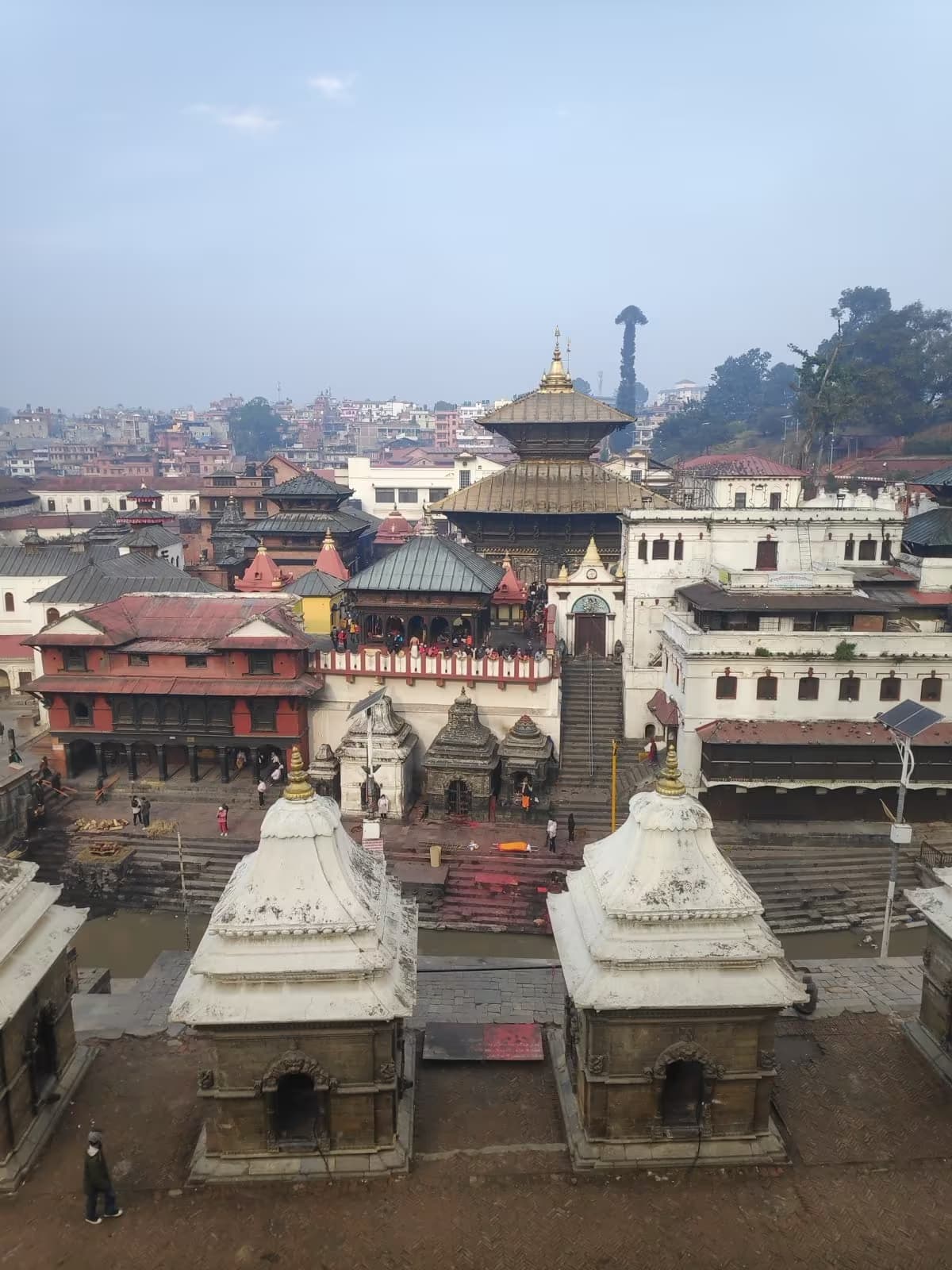
Pashupatinath Temple
Royal shrine by the 5th c.The Licchavi inscriptions show Pashupati was already the kingdom's royal shrine; the standing temple is far later.
Deopatan, Gaushala
Help us get it right
Know The Licchavi Dynasty better than we do?
We write from research and reporting, and the ground changes faster than we can keep up. If something here is out of date, or you have been and would tell it differently, we would rather hear it.