The Festival That Comes to You
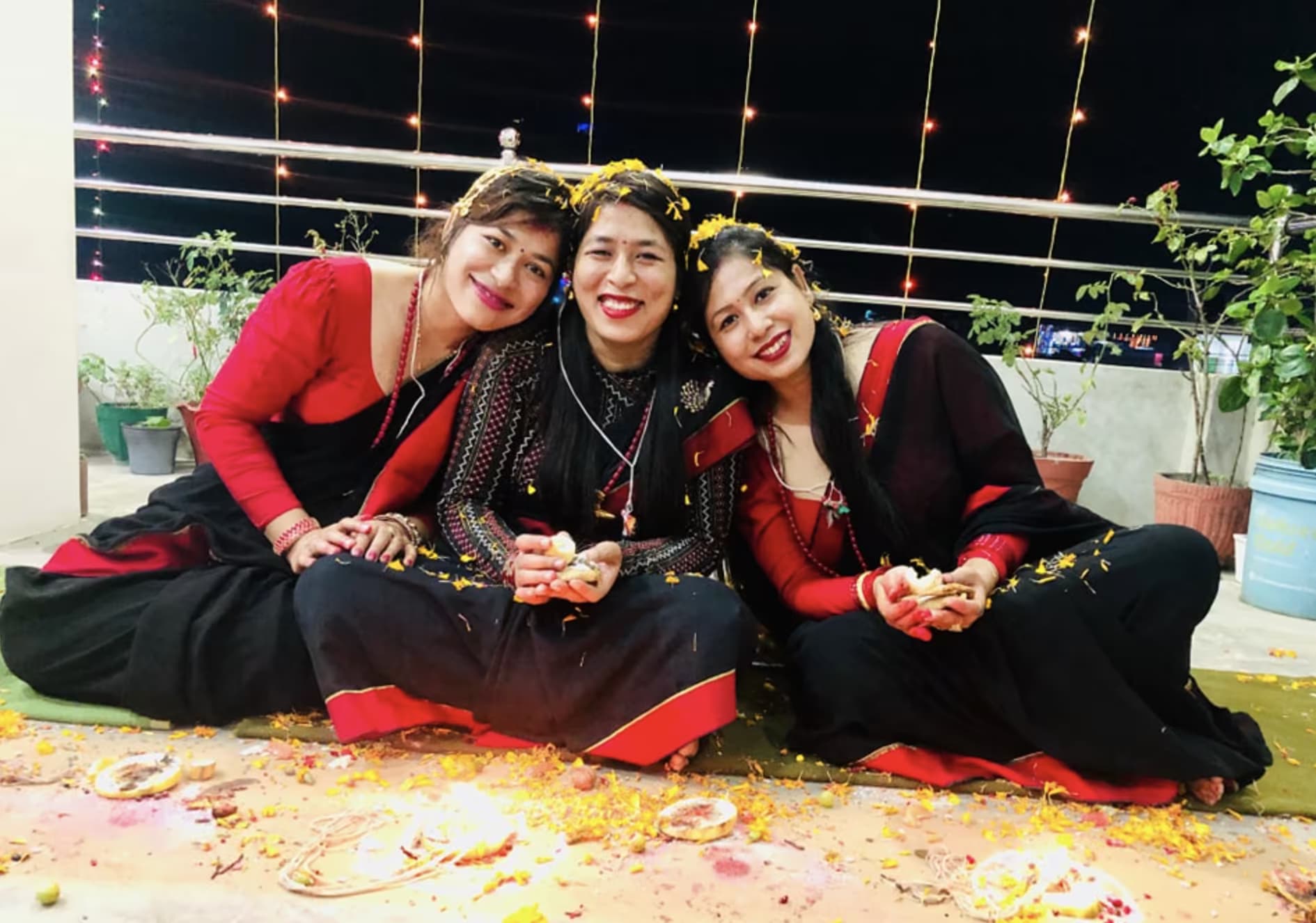
Most of Tihar's rituals require you to go somewhere — to the temple, to the puja room, to a relative's house. Deusi Bhailo is the exception: it comes to you. Groups of singers — traditionally boys for deusi, girls for bhailo, though the division is less strict now — move through neighbourhoods at night, stopping at each lit doorway to perform.
The performance is musical: a leader begins the chant and the group responds in chorus. The deusi chant — "deusi re, deusi re, deu ghar ko muni re" and its many variations — has origins in devotional song, though the texts now include comic verses, seasonal commentary, and improvised lines tailored to the household being visited. Bhailo songs follow the same call-and-response structure with their own distinct melodies and lyrics.
The Exchange
At each door, the household is expected to respond: a donation (money) given to the group's collector, sometimes accompanied by food — sel roti, fruit, sweets. The singers thank the household with a formal blessing verse before moving to the next door.
This exchange is not begging; it is a structured social transaction. The group provides a service (festive blessing through song), the household provides support (money and food). The money collected by community-based deusi groups is traditionally pooled and used for neighbourhood purposes: repairing a shrine, funding a community event, supporting a family in need. In organised form, political parties, youth clubs, and social organisations run deusi bhailo campaigns and donate the proceeds to charitable causes.
Newar and Hill Traditions
The form of deusi bhailo varies between Nepal's communities. In Newar tradition, the singing groups are organised through the guthi system — communal organisations with specific ritual duties — and the songs may be in Nepal Bhasa rather than Nepali. In hill communities (Magar, Gurung, Tamang, and Chhettri-Brahmin alike), the Nepali-language deusi is the common form.
The practice extends beyond Kathmandu: in virtually every town and village in Nepal's hills and Terai, deusi bhailo groups are active through the nights of Tihar. In the diaspora — in Darjeeling, Sikkim, Bhutan, Qatar, and cities with significant Nepali communities — deusi bhailo has become one of the most portable expressions of Tihar culture, requiring nothing more than a group of people who know the songs.
Related
Connected places and entries worth pairing
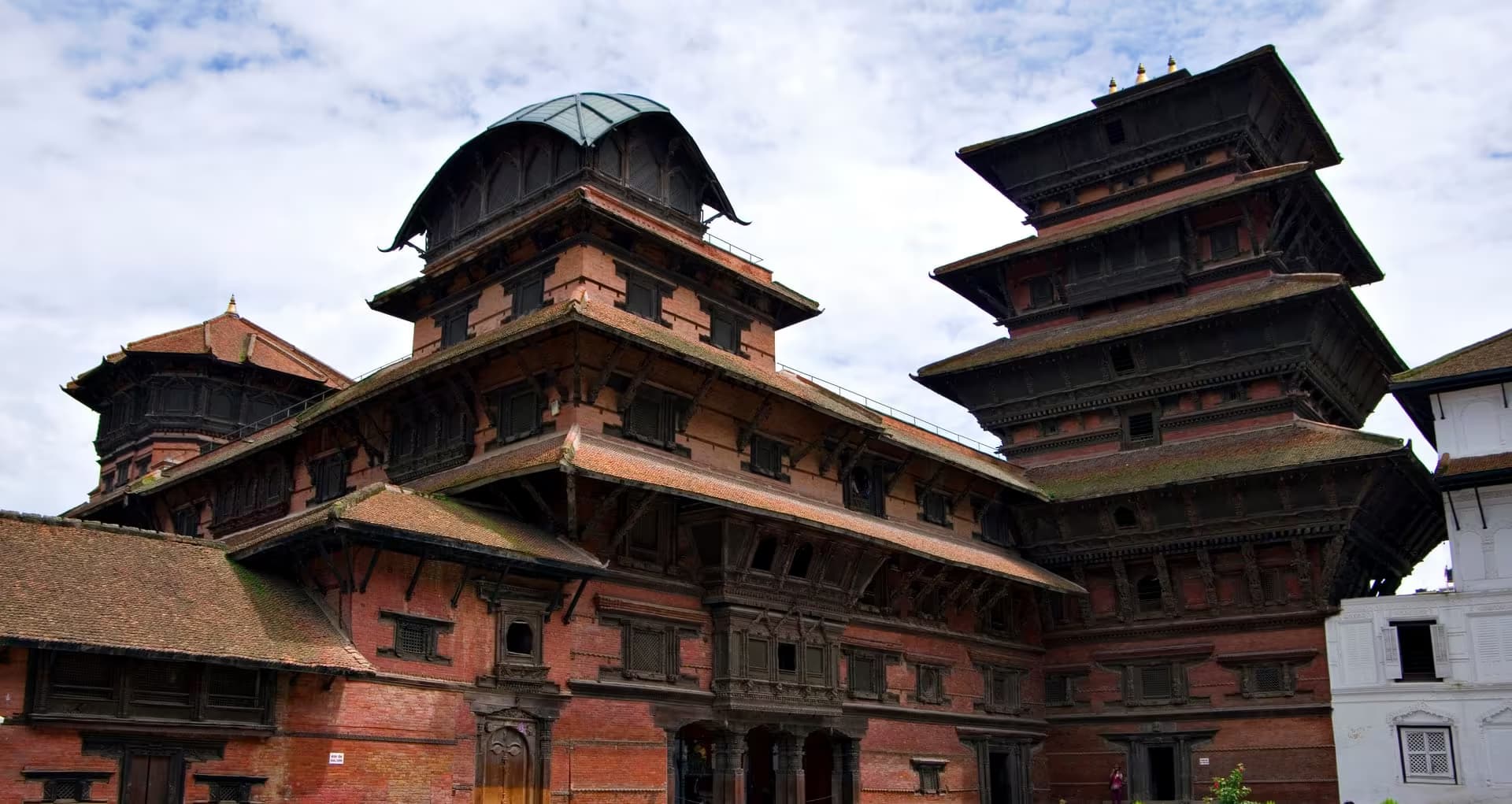
Kathmandu Durbar Square
One of the three squares where the Tihar lights are most concentrated

Patan Durbar Square
One of the three squares where the Tihar lights are most concentrated

Bhaktapur Durbar Square
One of the three squares where the Tihar lights are most concentrated
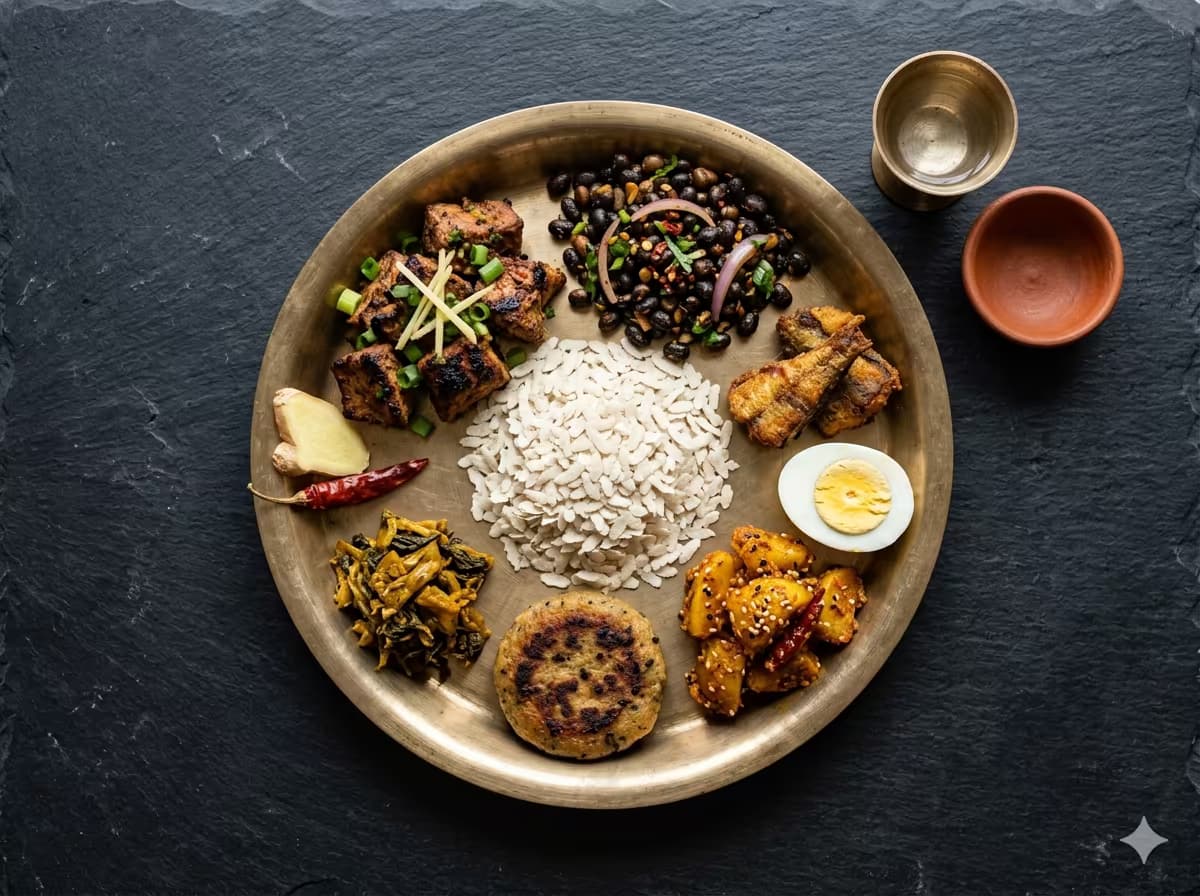
Samay Baji
The Newar ritual platter served on Mha Puja day
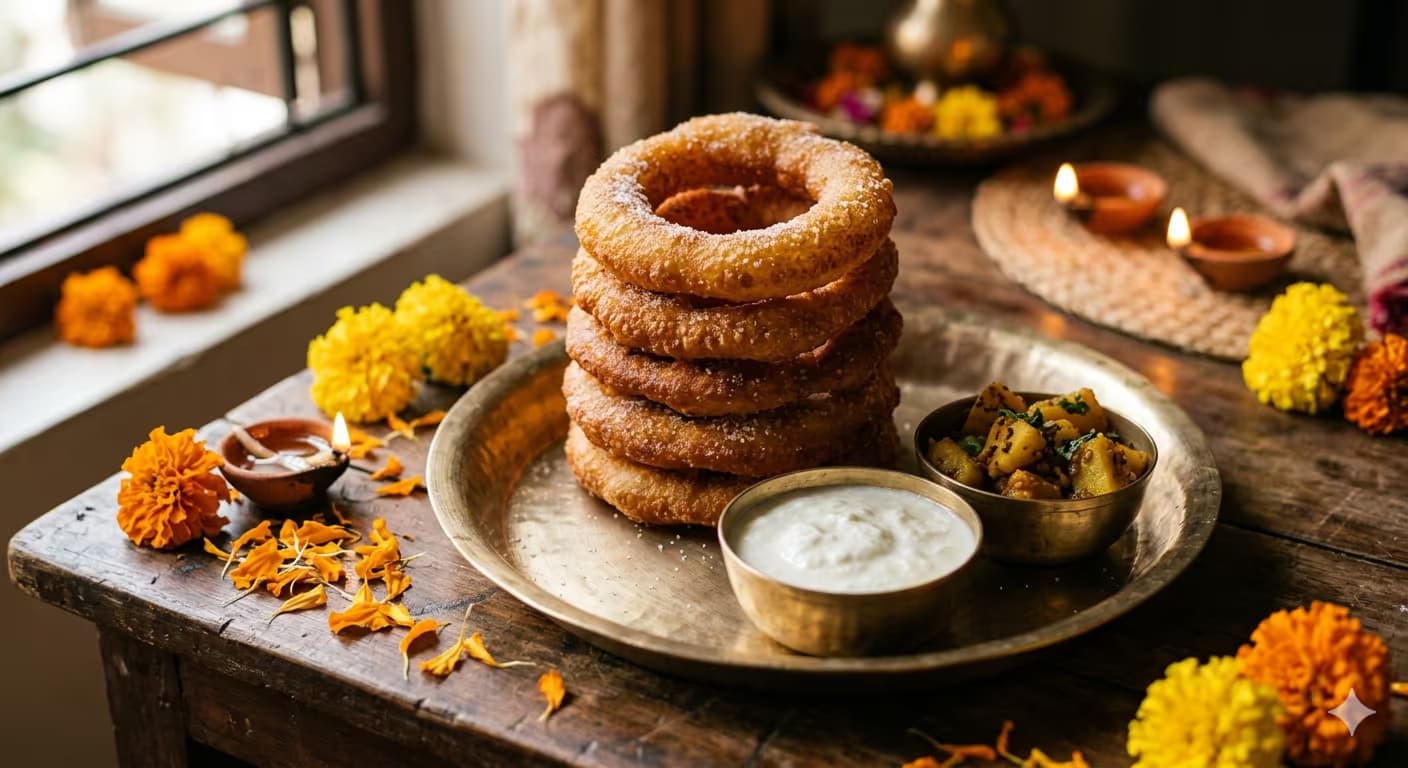
Sel Roti
Made in every household across the Dashain and Tihar season
Deities & Presences
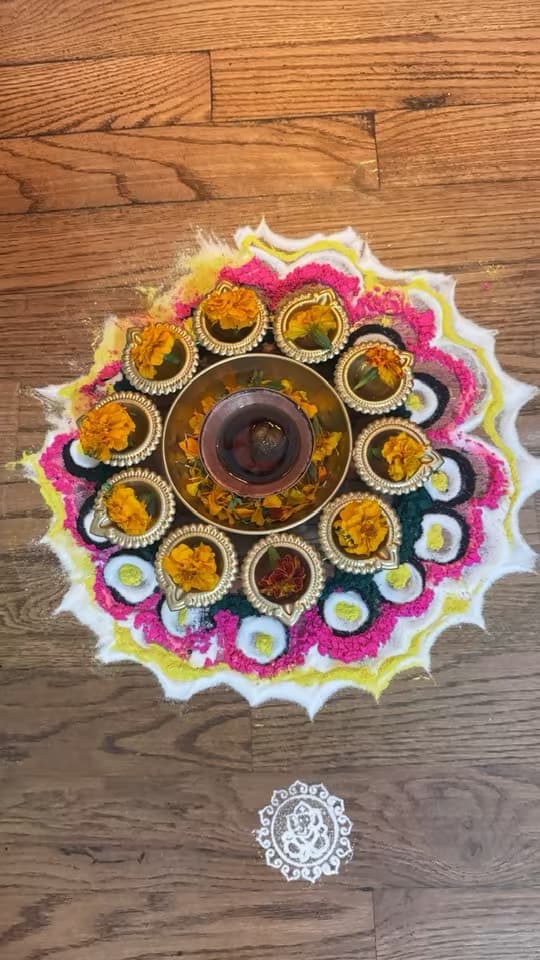
Part of Tihar (Deepawali)