Govardan Puja
On the fourth day, oxen and bulls receive worship as the embodied power of the plough — and the mythology of Krishna lifting the entire Govardan hill to shelter villagers from Indra's wrath is recalled in a festival that was always partly about challenging the old order of the gods.
Goru Tihar: The Ox
The fourth day's morning belongs to oxen — goru in Nepali. Like dogs on Kukur Tihar and cows on Laxmi Puja morning, the ox receives garlands, tika, and food offerings. The ox is the engine of Nepal's agricultural economy — the animal that pulls the plough, turns the millstone, and makes the paddy harvest possible. Goru Tihar is a formal acknowledgement of this debt during the harvest season.
In the Kathmandu Valley, where agriculture has increasingly given way to urban life, the Goru Tihar ceremony survives in modified form: oxen at dairy farms, at the remaining agricultural operations in the Valley's rim, and in the villages of surrounding hills receive the full treatment. In urban areas, the ritual may be performed symbolically.
Govardan: The Hill That Sheltered Villagers
Govardan Puja centres on a story from the Bhagavata Purana: the young Krishna, watching the villagers of Vrindavan prepare an elaborate puja for Indra (god of rain and sky), challenged the tradition. Why worship Indra? he asked. It is not Indra who feeds you — it is this hill, Govardan, whose forests shade your cattle, whose streams water your fields. Worship the hill instead.
Indra was enraged. He sent storms and floods to punish the villagers. Krishna responded by lifting the entire Govardan hill with a single finger and holding it above the villagers and their cattle as a shelter, for seven days and seven nights, until Indra's wrath was exhausted. Indra, recognising that he faced someone beyond his power, relented.
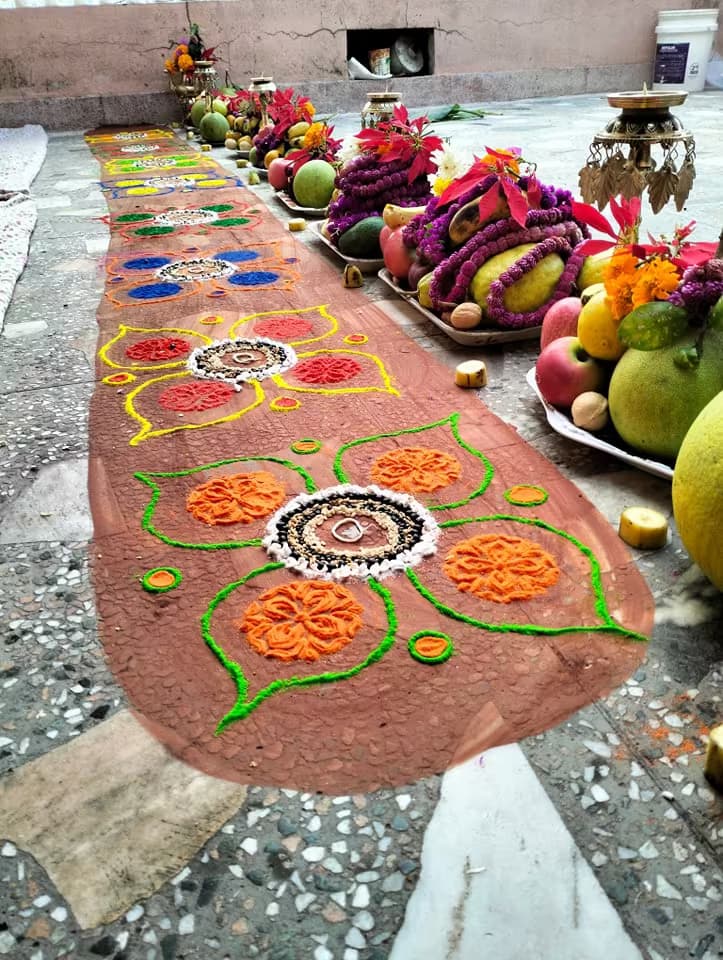
Govardan Puja commemorates this event: a small mound of earth or cow dung representing the hill is constructed, decorated, and worshipped. The story's political content is explicit — Krishna, a cowherd's son, defeated the king of the gods by prioritising the welfare of ordinary villagers and their animals over divine hierarchy. The festival day enacts this inversion.
The Fifth Day of Yamapanchak
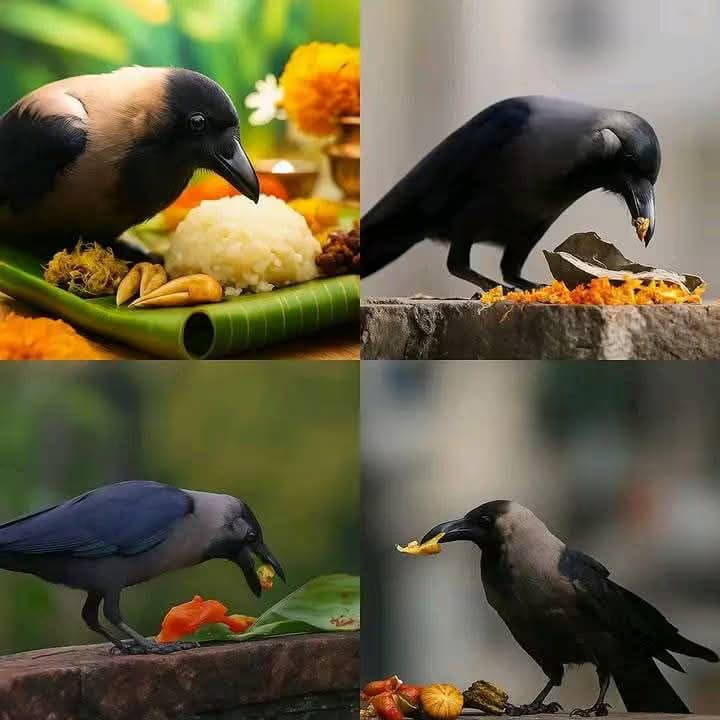
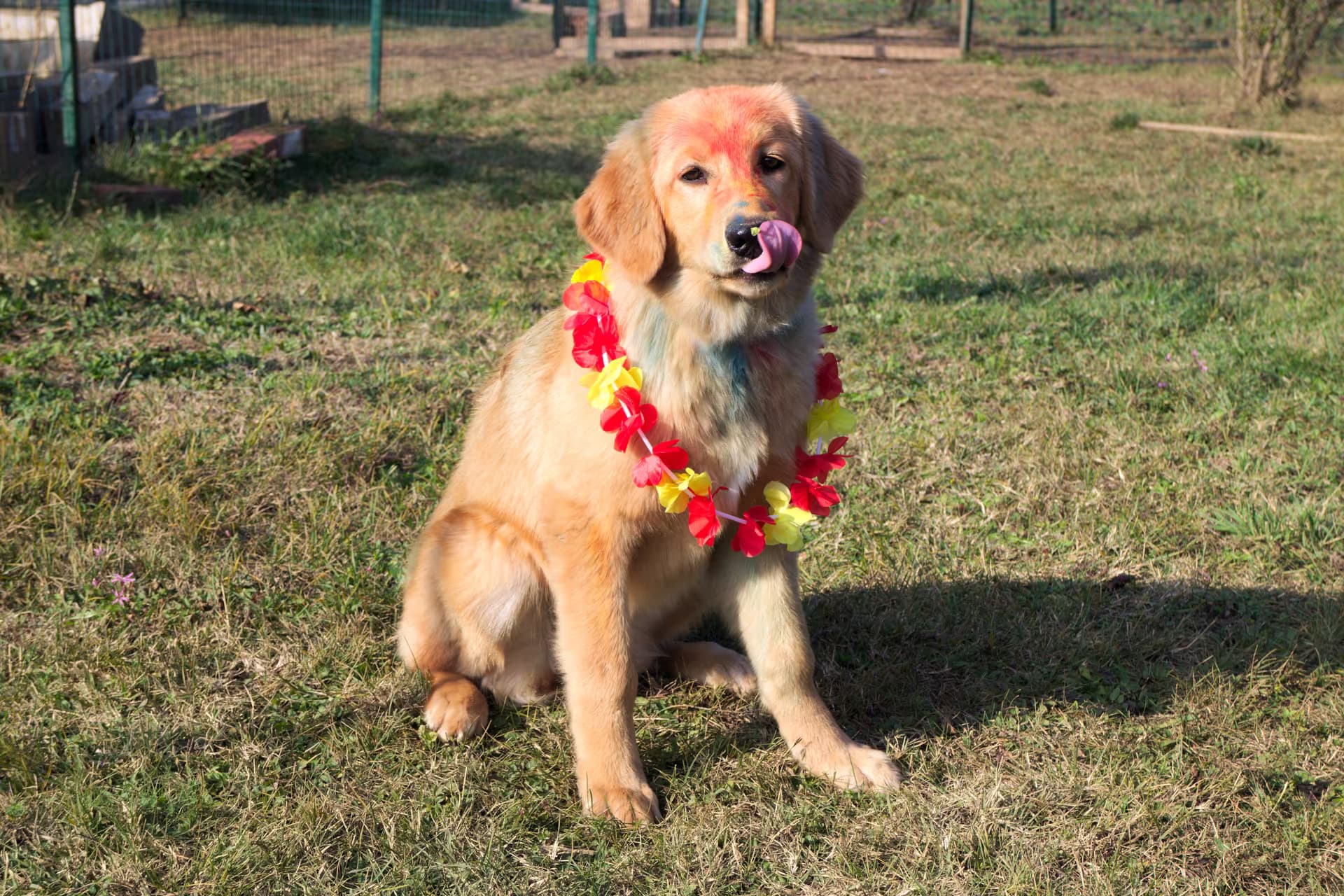
Tihar is called Yamapanchak — five days of Yama — because its entire arc is framed by Yama's domain: the crows (his messengers), the dogs (his guardians), the human dead (his charges), and the siblings who pray for each other's protection from him. Govardan Puja fits this framing: Krishna, too, is a protector who stands between the ordinary world and a power that would otherwise destroy it. The structural parallel between Krishna sheltering villagers from Indra and sisters protecting brothers from Yama runs beneath the surface of the fourth day.
Related
Connected places and entries worth pairing
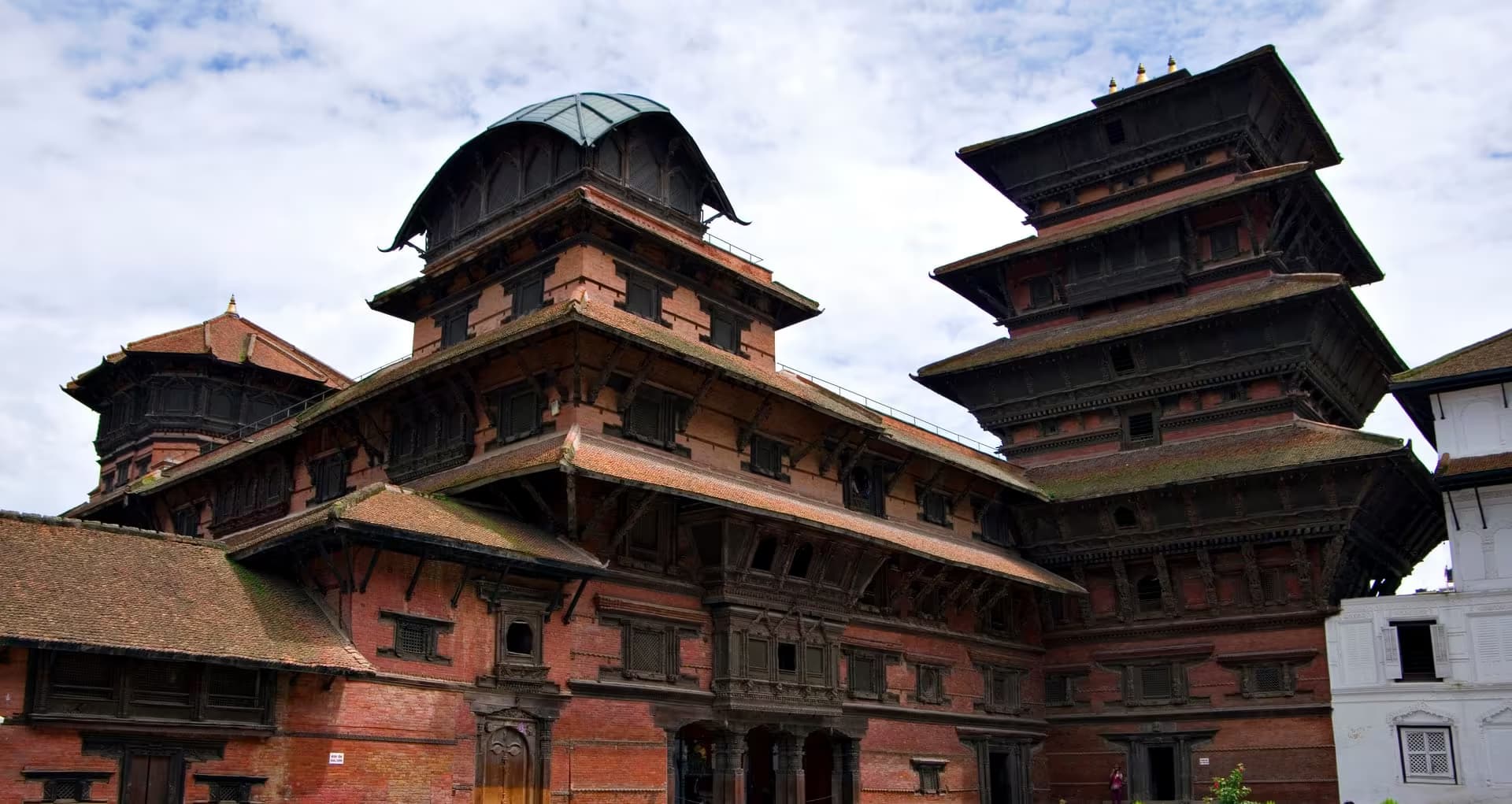
Kathmandu Durbar Square
One of the three squares where the Tihar lights are most concentrated

Patan Durbar Square
One of the three squares where the Tihar lights are most concentrated

Bhaktapur Durbar Square
One of the three squares where the Tihar lights are most concentrated
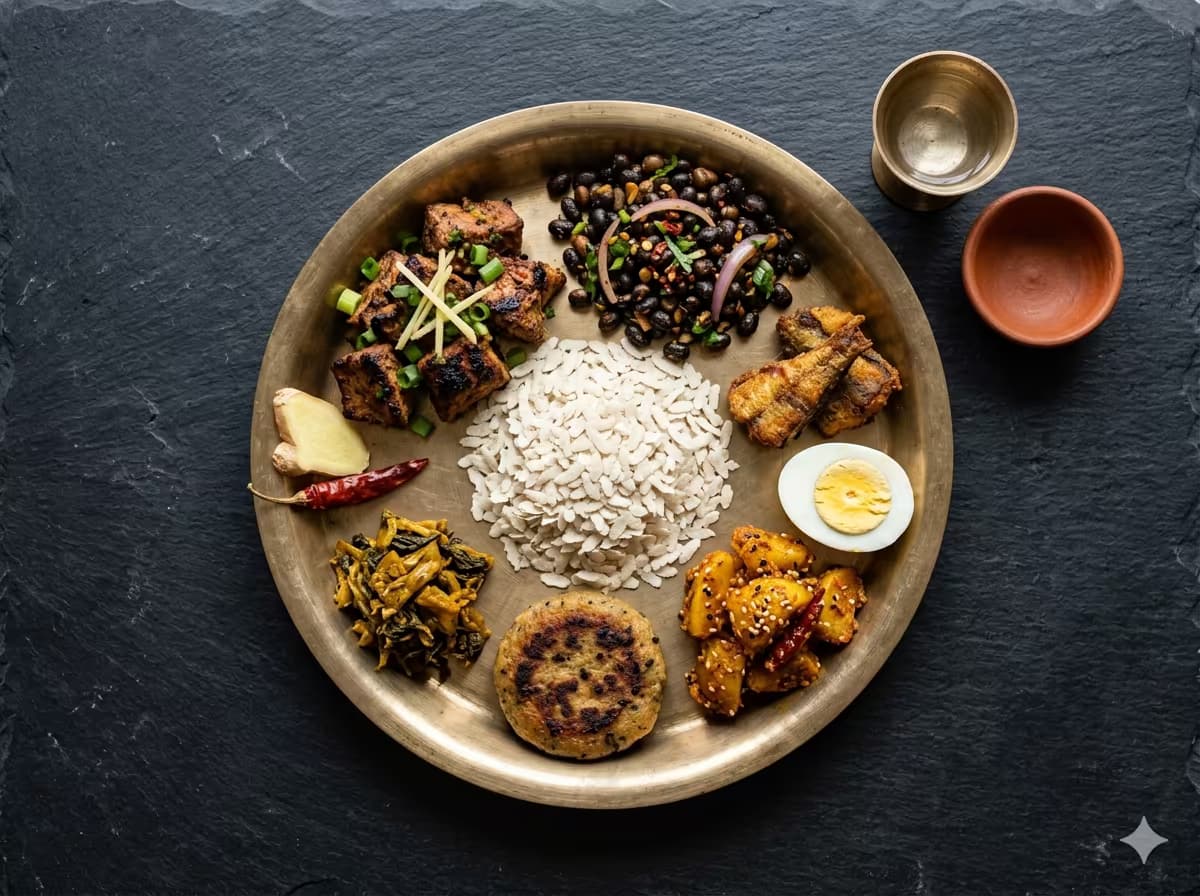
Samay Baji
The Newar ritual platter served on Mha Puja day
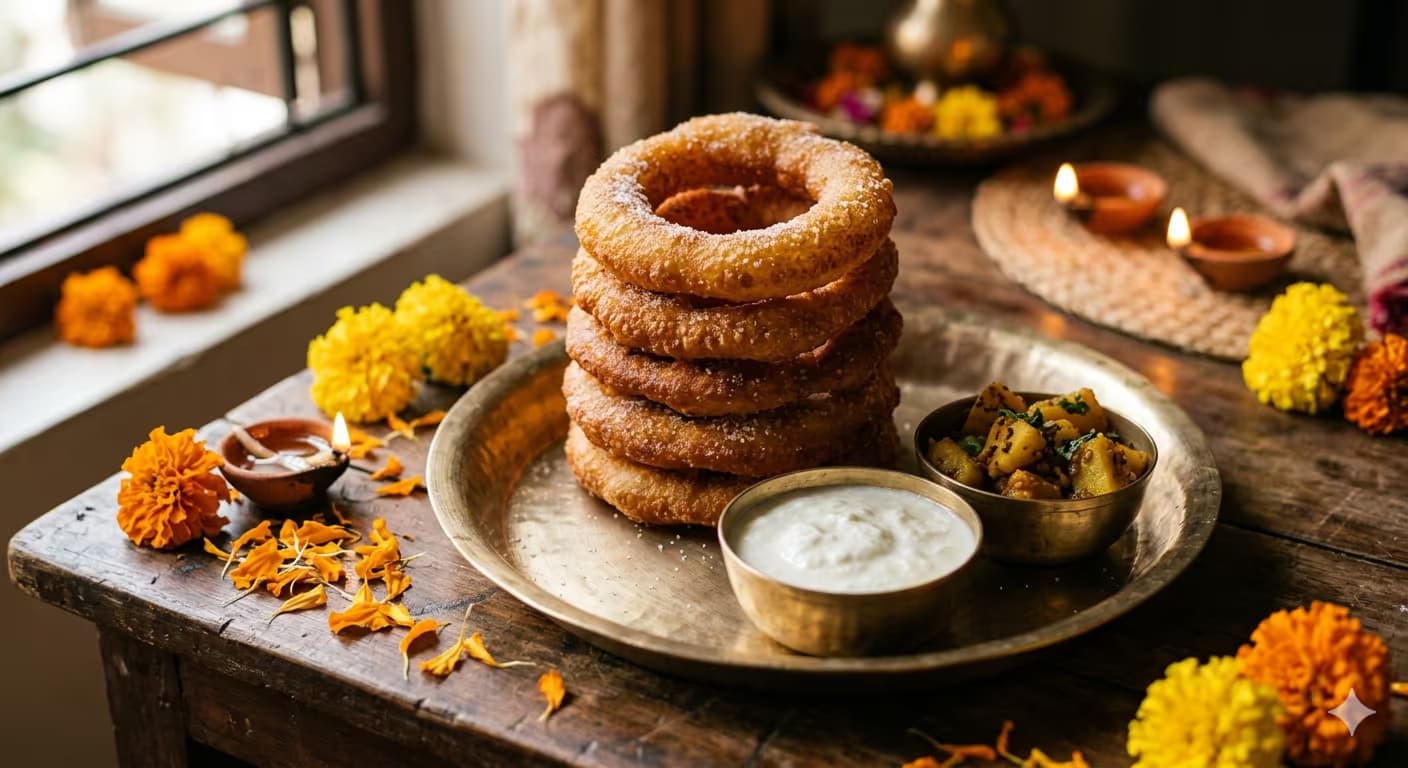
Sel Roti
Made in every household across the Dashain and Tihar season
Deities & Presences
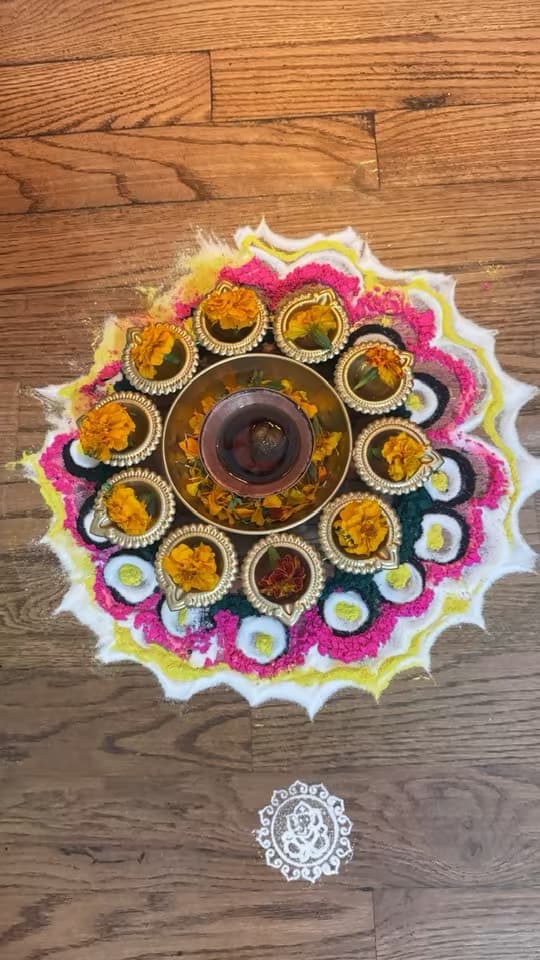
Part of Tihar (Deepawali)