The Messenger of Yama
In Hindu cosmology, the crow (kaag) is the vehicle and messenger of Yama, the god of death. Where a crow calls from, what it eats, how many gather — these are signs read in folk tradition as portents from the realm of the dead. Tihar begins by acknowledging this: before the household has eaten, food is placed on rooftops or doorsteps for crows.
The offering — beaten rice, fruits, sweets, sometimes pieces of meat — is not made reluctantly. It is a gesture of respect toward an intermediary. The crow that carries a message from Yama might carry a warning, or it might carry a blessing; either way, the relationship must be maintained. Insulting Yama's messenger by ignoring it during this sacred cycle would be inauspicious.
The Practice
On Kaag Tihar morning, the women of the household prepare the crow's offering early and set it out before dawn or at first light. The family waits, listening. If crows come and eat — a good sign. If they ignore it — more ambiguous.
This is the gentlest of Tihar's five days: no elaborate puja apparatus, no expensive materials, no long ritual sequence. A plate of food placed thoughtfully on a rooftop, attention paid to the birds that arrive. The simplicity is part of the point: Tihar begins with a reminder that the world includes non-human presences deserving acknowledgement.
Opening the Festival
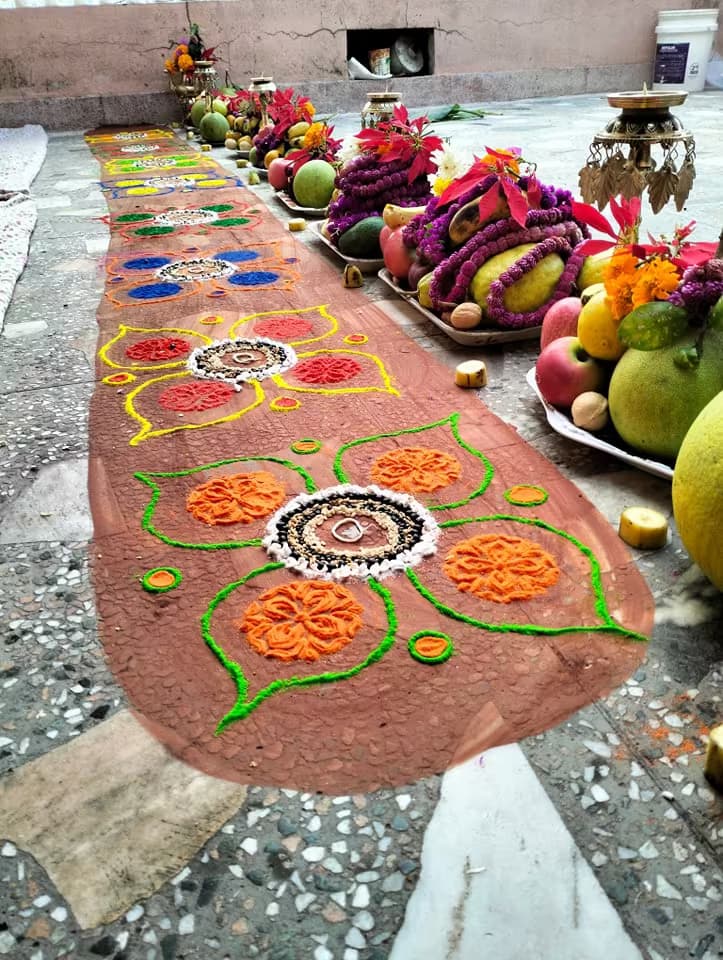
Kaag Tihar sets the sequence in motion. In Newar tradition, Tihar is called Swonti Nakha — swonti being a cognate of the Sanskrit swasti (auspicious), nakha meaning festival or day. Swonti Nakha is understood as a five-day arc of divine relationships: between the living and the dead (crows, Yama), between humans and the animals that share their world (dogs, cows, oxen), between individuals and the goddess of abundance (Laxmi), between the self and its own existence (Mha Puja), and between siblings across the line of mortality (Bhai Tika / Kija Puja).
Day one, with its crow offering made at the threshold of night and day, opens this arc.
Related
Connected places and entries worth pairing
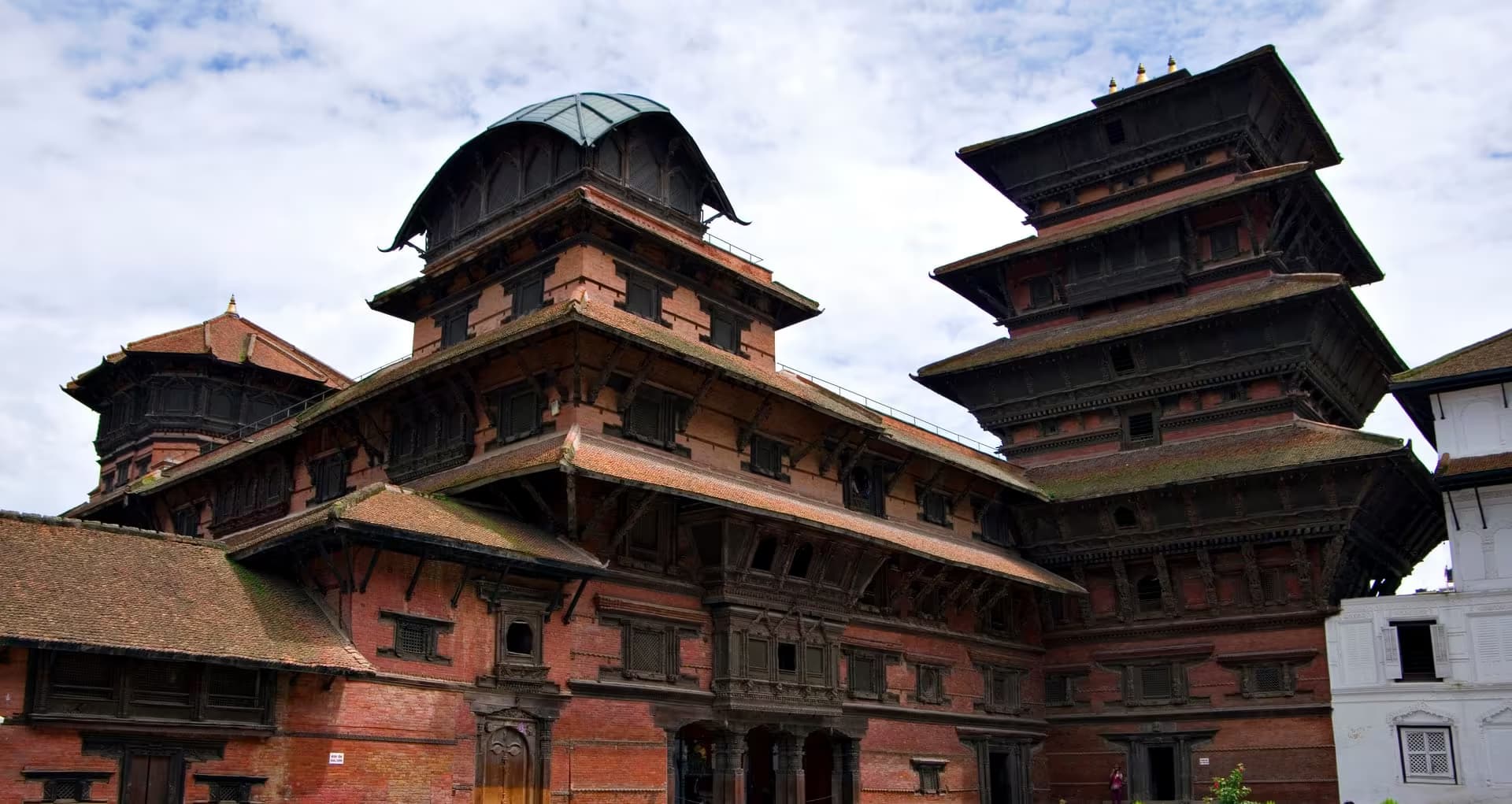
Kathmandu Durbar Square
One of the three squares where the Tihar lights are most concentrated

Patan Durbar Square
One of the three squares where the Tihar lights are most concentrated

Bhaktapur Durbar Square
One of the three squares where the Tihar lights are most concentrated
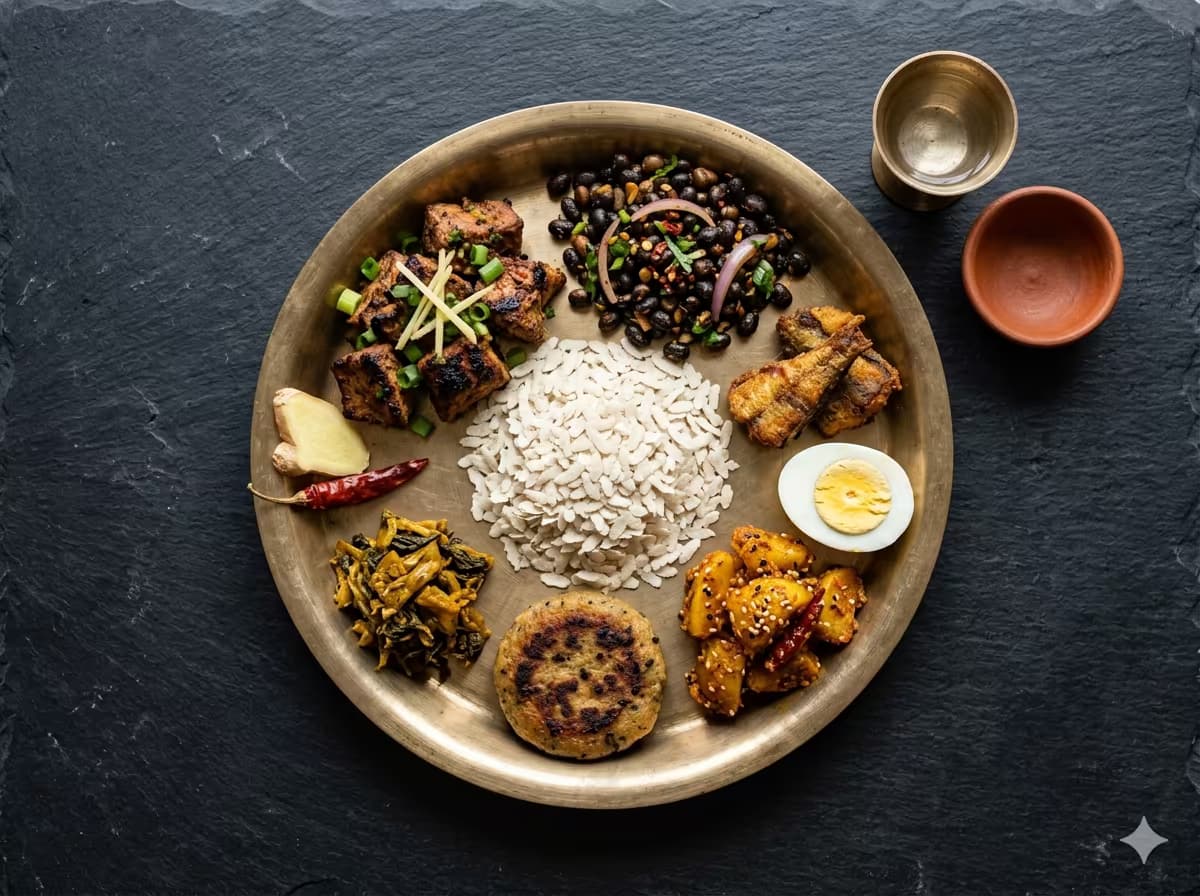
Samay Baji
The Newar ritual platter served on Mha Puja day
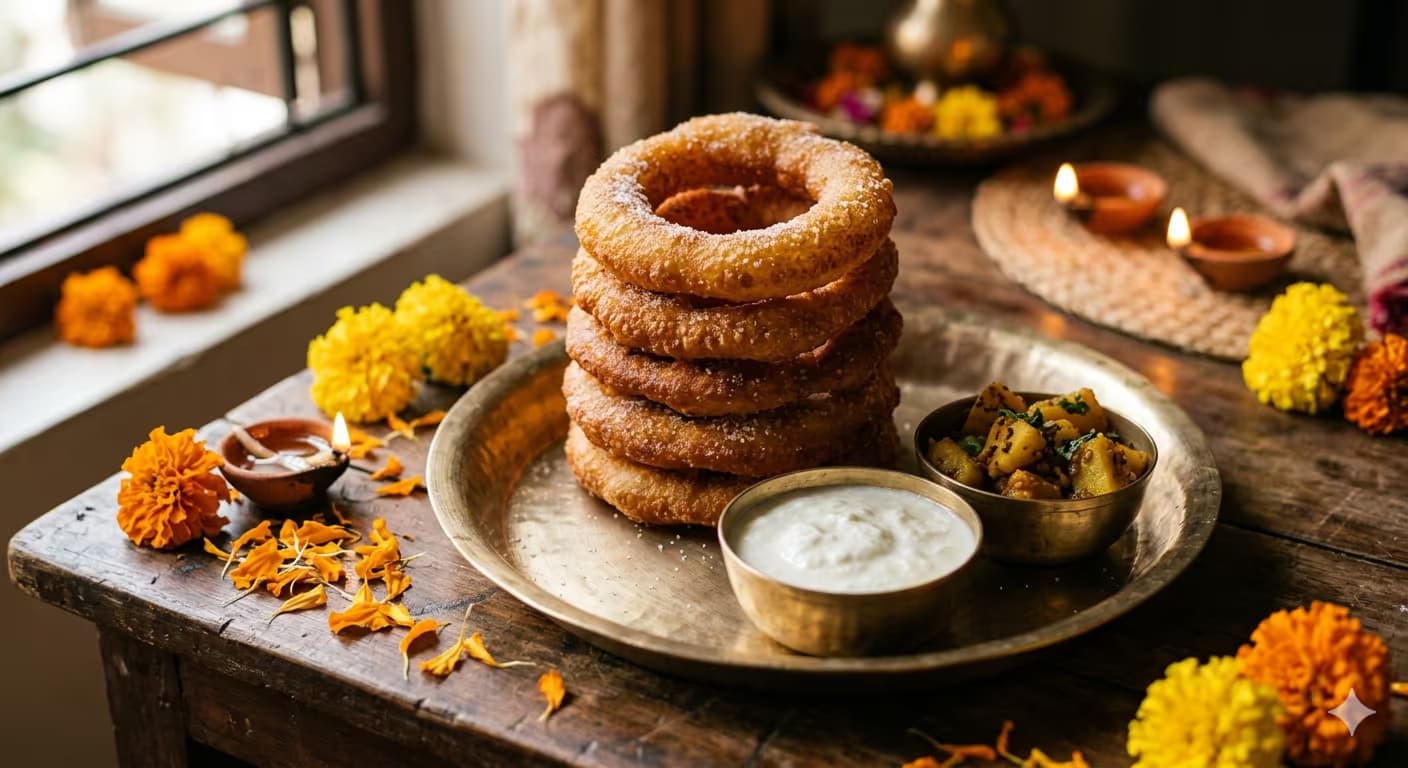
Sel Roti
Made in every household across the Dashain and Tihar season
Deities & Presences
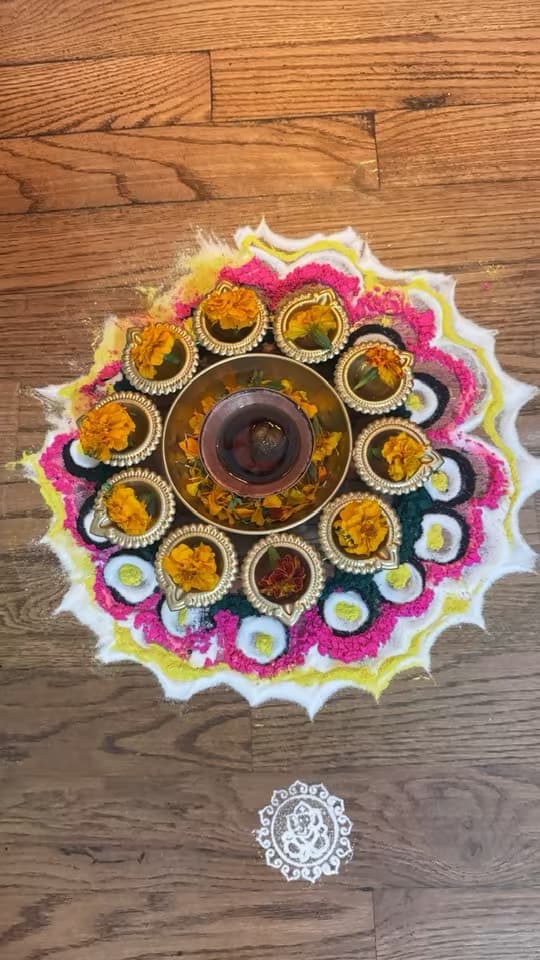
Part of Tihar (Deepawali)