Worshipping the Self
Mha means body — or more precisely, the embodied self, the life-force dwelling in physical form — in Nepal Bhasa. Mha Puja is worship of that self: a ritual in which the worshipper sits at the centre of a mandala drawn on the floor and performs puja directed at their own existence.
The ritual's logic is precise. In Newar tantric understanding, the body is not an obstacle to the divine but a vessel of it. The life force (prana) dwelling in each person is not separate from the cosmic energy of the gods — it is a localised expression of the same power. To worship the self is therefore not narcissism but recognition: an acknowledgement that the divine is not only in the temple but in the worshipper who visits it.
The Mandala and the Ceremony
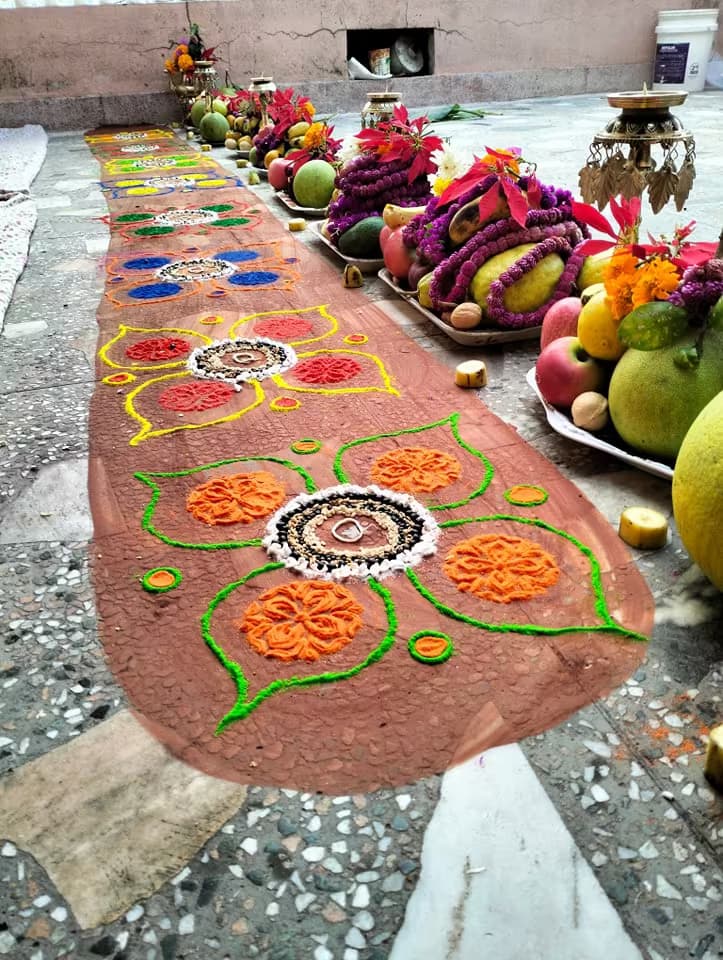
Mha Puja is performed by each family member individually, within the household context. A mandala is drawn on the floor or a wooden board using rice paste, coloured powder, or flower petals — typically a square or circular pattern with symbolic elements. The worshipper sits at the mandala's centre.
The ritual items include:
- Oil lamp (diyo) — representing the light of life
- Fruits, flowers, and sweets — offered to oneself as one would offer to a deity
- Tika — applied to one's own forehead
- Sacred thread (mala or janai equivalent in the Newar context)
- Aila (rice liquor) — offered and consumed as tantric prasad
The sequence of offerings follows a puja format: invocation, offering, blessing, closing. But the deity being invoked and blessed is the self. Elder family members guide younger ones through the ceremony; the knowledge is transmitted within households and through community religious networks.
Dhu Da: Nepal Sambat New Year
The same day on which Newar families perform Mha Puja is the New Year's Day of Nepal Sambat — the traditional Newar calendar. Dhu Da in Nepal Bhasa (dhu = light or auspicious, da = day) is the first day of the Newar year.
Nepal Sambat is one of the oldest continuously used calendars in the world, dating by tradition to 879 CE. Its origin story is bound up with a merchant named Shankhadhar Sakhwa, who is said to have paid off all the debts of Kathmandu Valley's residents and initiated a new era of prosperity — the calendar counts from that act. Nepal Sambat was the official calendar of the Newar kingdoms and the Valley state for centuries; its demotion in favour of the Vikram Sambat calendar during Shah rule has made its preservation a matter of cultural identity for Newar communities.
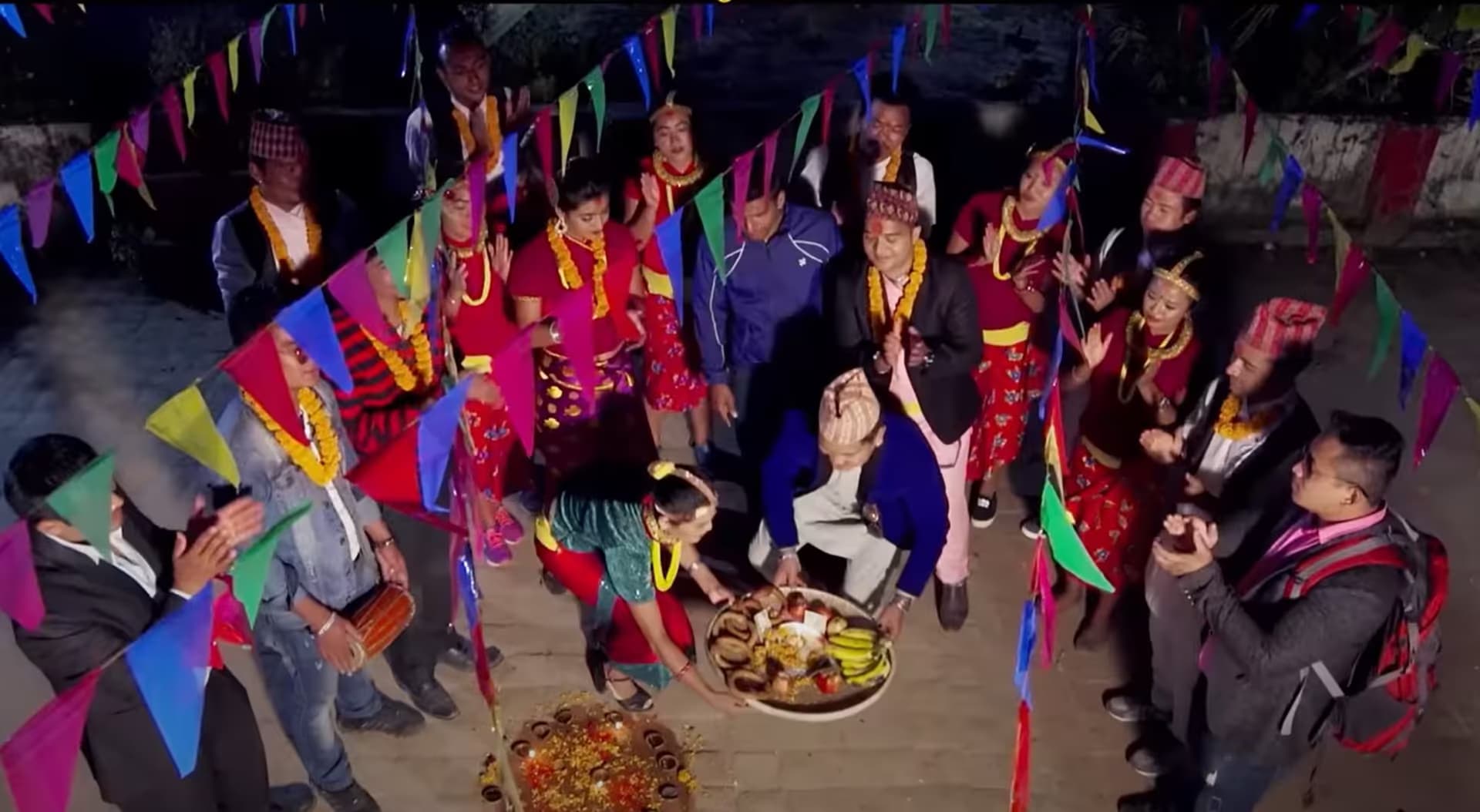
On Dhu Da, New Year greetings (Nhu Daya Bhainti Lo — "Happy New Year" in Nepal Bhasa) are exchanged. Community organisations and cultural groups hold public events in Kathmandu's squares. The dual significance of the day — worshipping one's own life while celebrating a community's new beginning — gives it a depth uncommon even among Nepal's richly layered festival days.
Related
Connected places and entries worth pairing
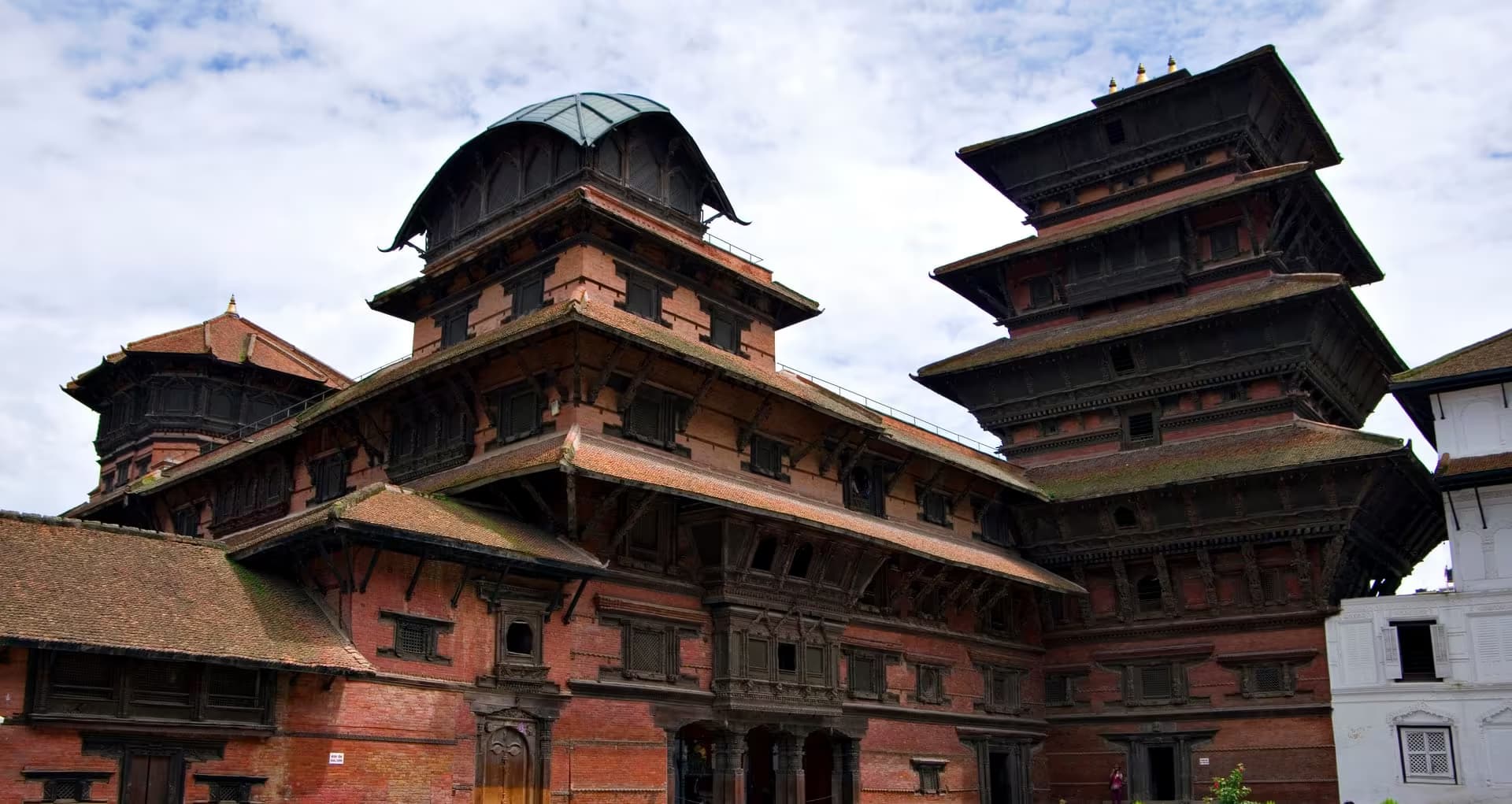
Kathmandu Durbar Square
One of the three squares where the Tihar lights are most concentrated

Patan Durbar Square
One of the three squares where the Tihar lights are most concentrated

Bhaktapur Durbar Square
One of the three squares where the Tihar lights are most concentrated
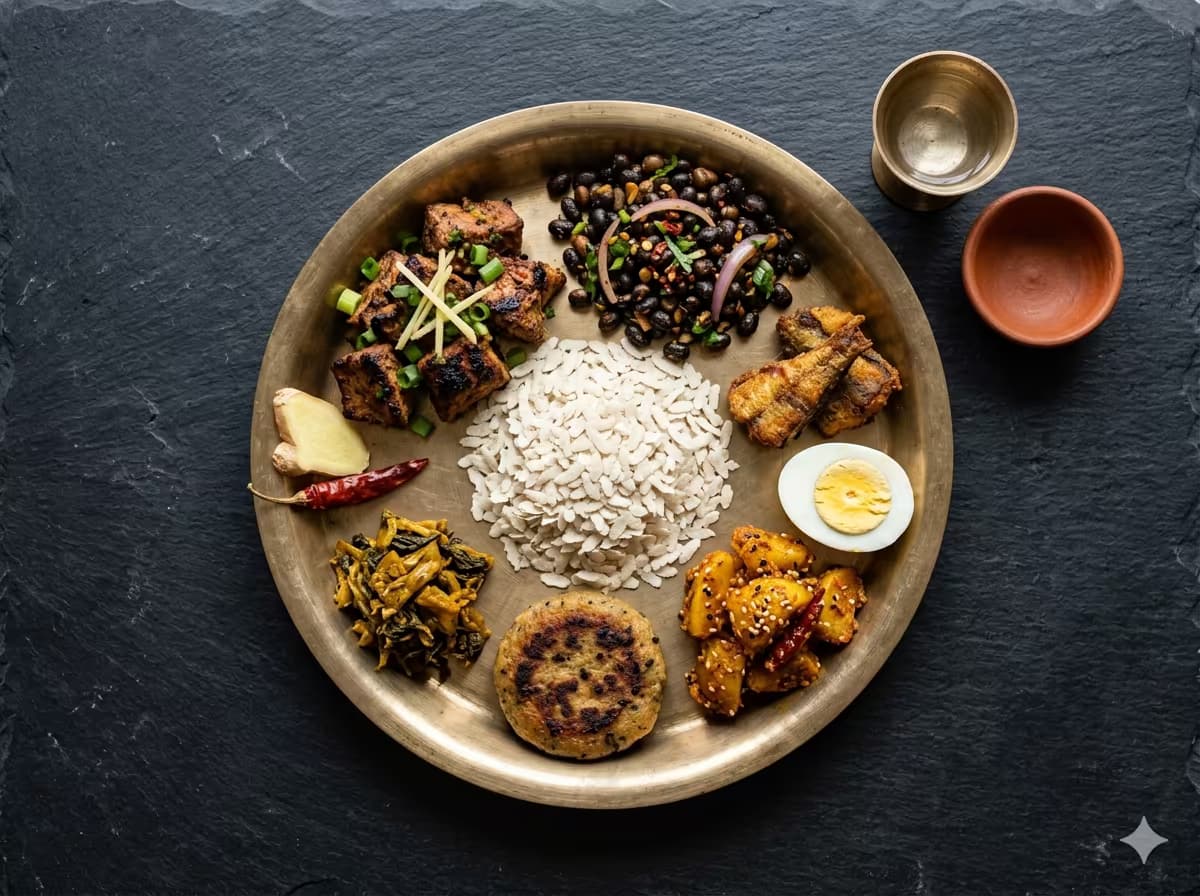
Samay Baji
The Newar ritual platter served on Mha Puja day
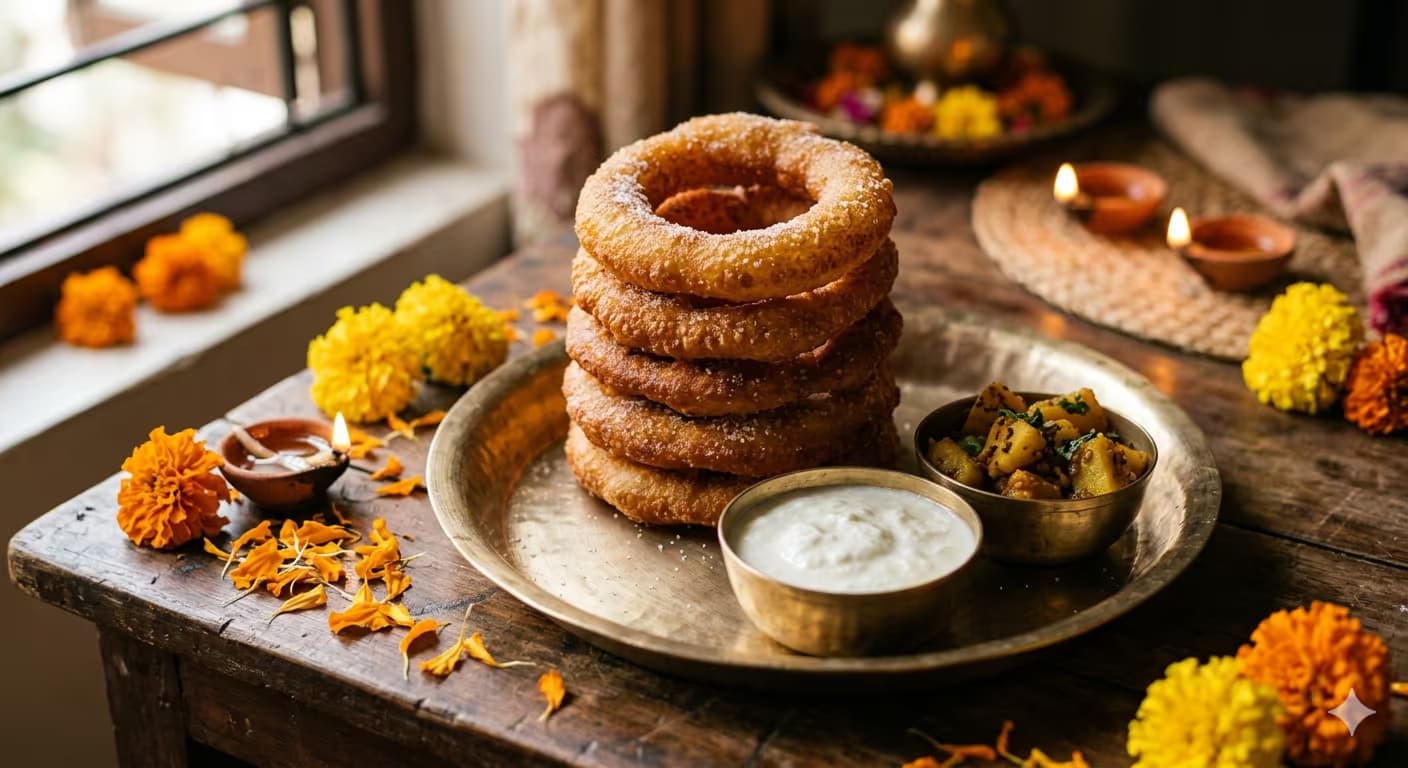
Sel Roti
Made in every household across the Dashain and Tihar season
Deities & Presences
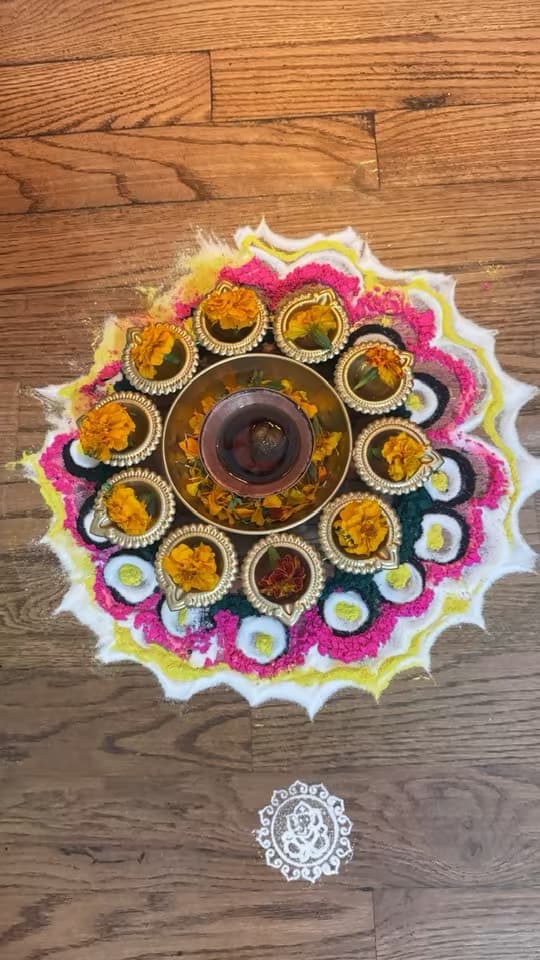
Part of Tihar (Deepawali)