Gai Tihar: The Morning
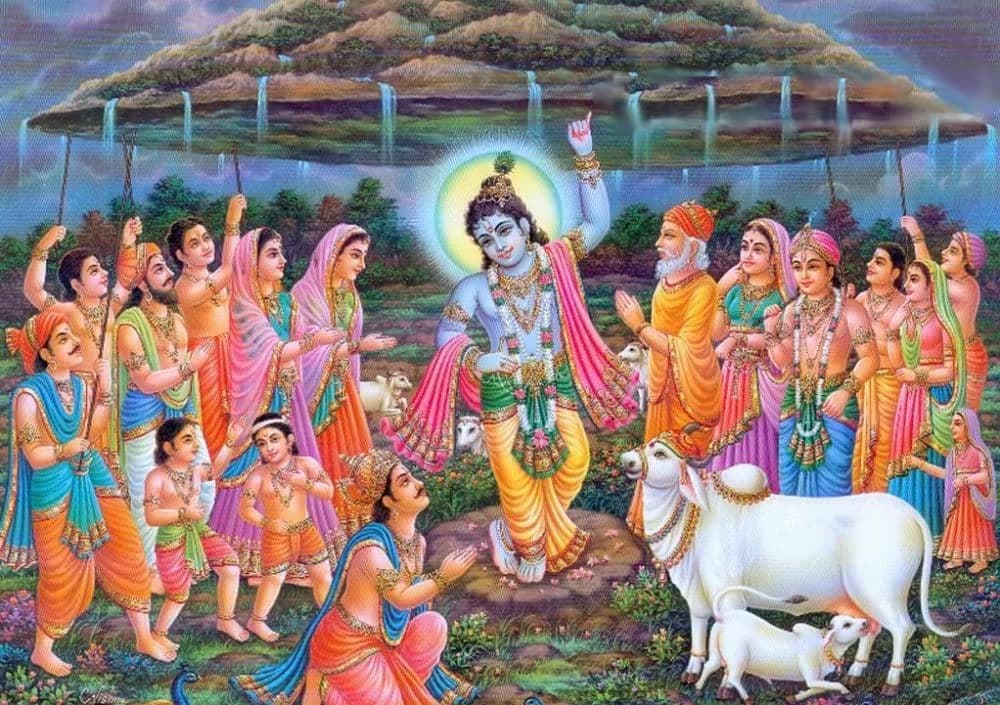
The third day opens with cows. Like dogs on Kukur Tihar, cows receive the full honours: garlands, tika, special food. The cow holds a specific position in Hindu theology as the animal of abundance — Kamadhenu, the wish-fulfilling cow of myth, is the origin of all nourishment. In a society where cattle were the primary measure of agricultural wealth, the day's morning puja is an acknowledgement of the source.
Cows also serve as the vehicle (vahana) of Goddess Laxmi in some traditions — worshipping the cow in the morning prepares the way for the goddess herself in the evening.
Laxmi Comes at Dusk
Laxmi — goddess of wealth, abundance, and prosperity — is understood to walk the earth on the evening of the third Tihar day, visiting homes in search of the one that has prepared for her. Her criteria are specific: cleanliness, brightness, and welcome. A dark, dusty, neglected home she will pass by. A home swept and scrubbed, lit with rows of oil lamps, and decorated with rangoli at the threshold — this she will enter and bless for the year.
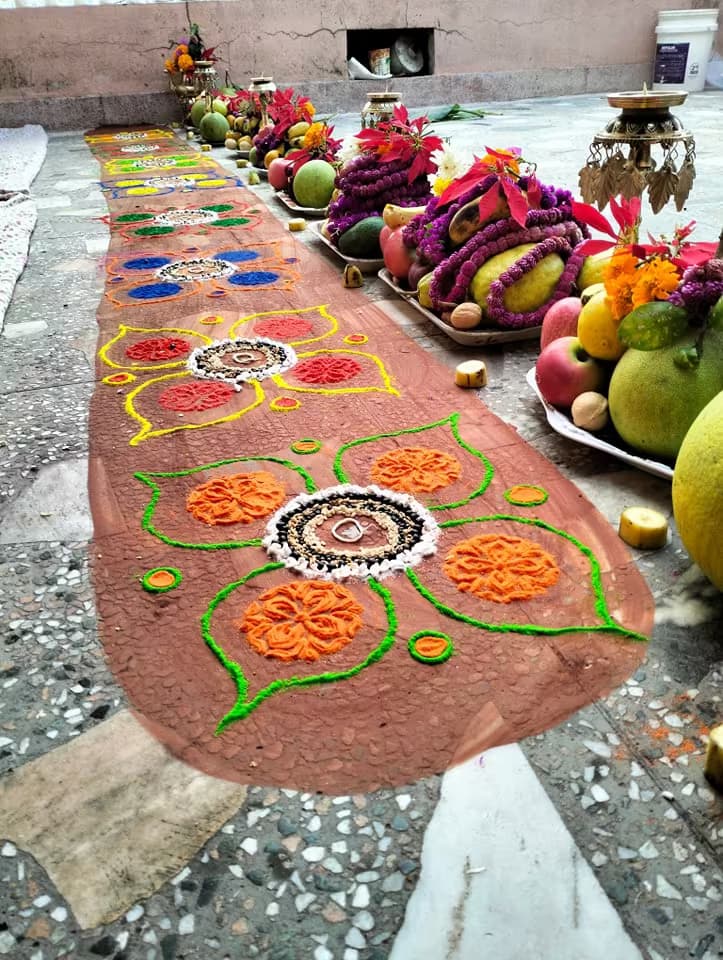
The preparation begins days before. Homes are cleaned thoroughly. On the day itself, rangoli mandalas (chowk) are drawn at doorways with coloured powder, flower petals, or rice flour. As dusk arrives, oil lamps — diyas of clay, brass, or terracotta — are lit and placed at windows, on rooftops, along walls, at every threshold and step. Electric lights supplement but do not replace the traditional lamps.
The City of Light
The visual effect of Laxmi Puja night is total. Kathmandu, Patan, and Bhaktapur — and every town and village across Nepal — become grids of golden light. The effect is not uniform (each household's lamp arrangement is its own expression) but additive: what one sees from a hilltop above the valley is a city that has turned its attention collectively inward and upward, every lit wick a statement of welcome.
Laxmi Puja is the reason Tihar is often called Nepal's festival of lights — though that name, borrowed from Diwali descriptions in India, flattens what is in Nepal a five-day arc with the light-night as its visual climax rather than its entire content.
Business and Accounts
For traders and business owners, Laxmi Puja night carries specific obligations. Business ledgers — traditionally new ones purchased for the occasion — are opened and the first entries made, welcoming Laxmi into the accounts. Shops are elaborately decorated with lights and garlands. The goddess's presence in the business for the year is secured through the quality of the night's worship, and merchants take this seriously: the investment in lamps and rangoli is understood as investment in the year's fortune.
Related
Connected places and entries worth pairing
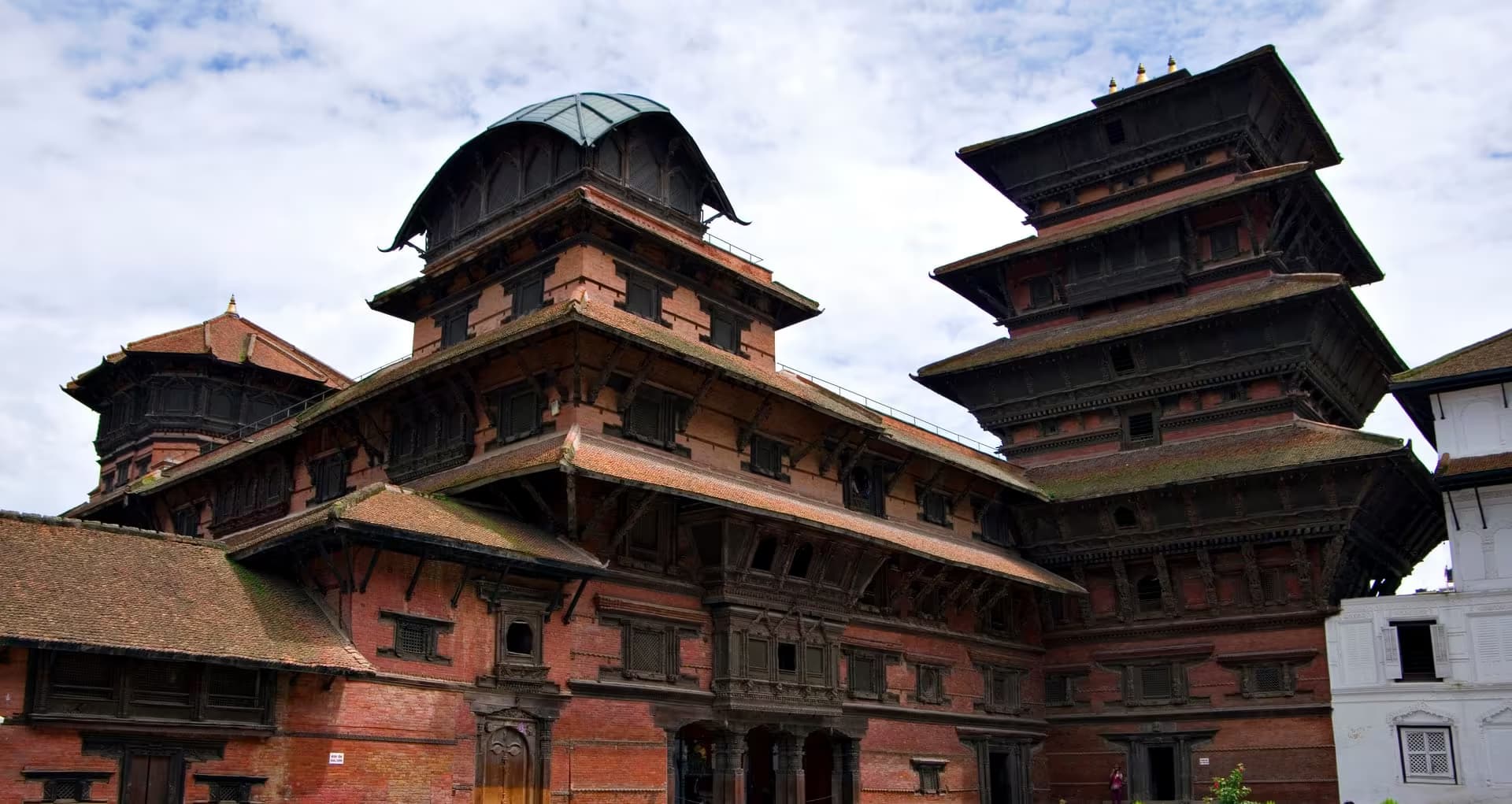
Kathmandu Durbar Square
One of the three squares where the Tihar lights are most concentrated

Patan Durbar Square
One of the three squares where the Tihar lights are most concentrated

Bhaktapur Durbar Square
One of the three squares where the Tihar lights are most concentrated
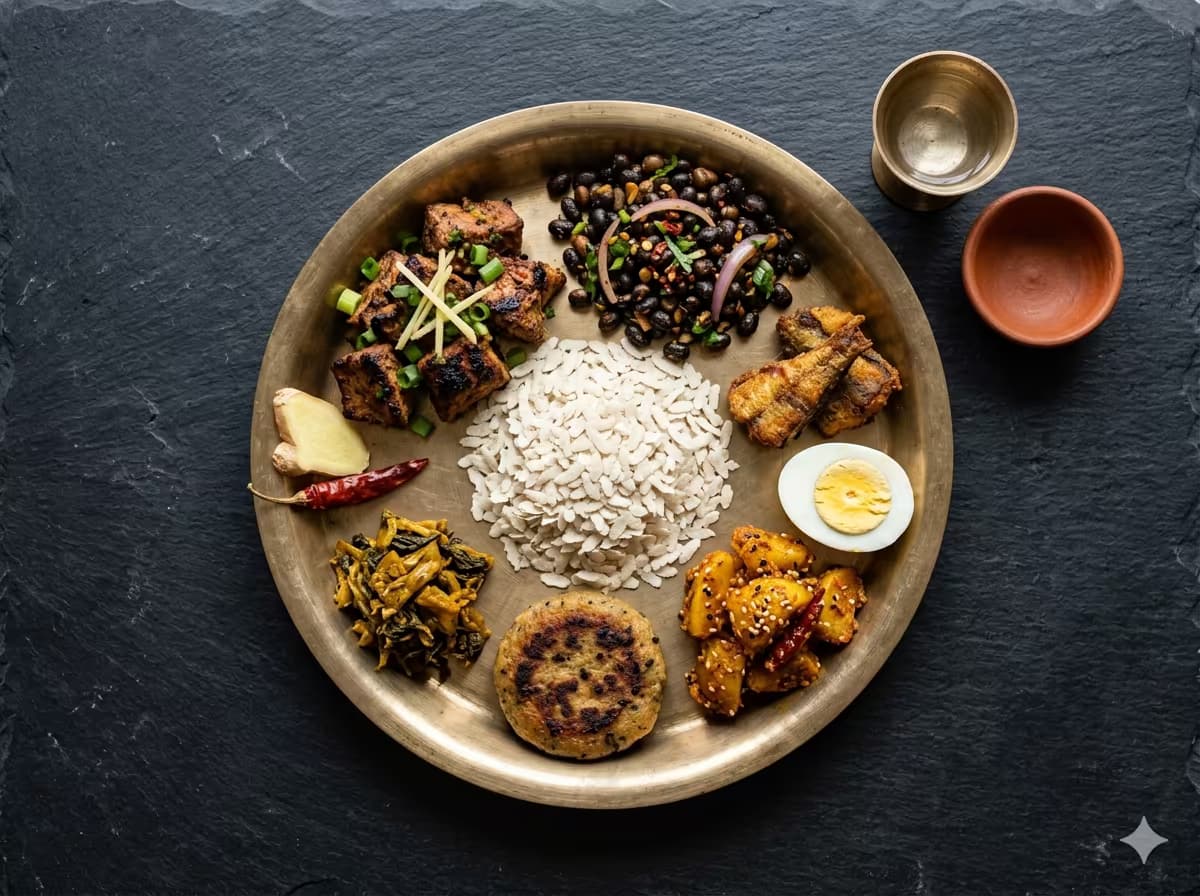
Samay Baji
The Newar ritual platter served on Mha Puja day
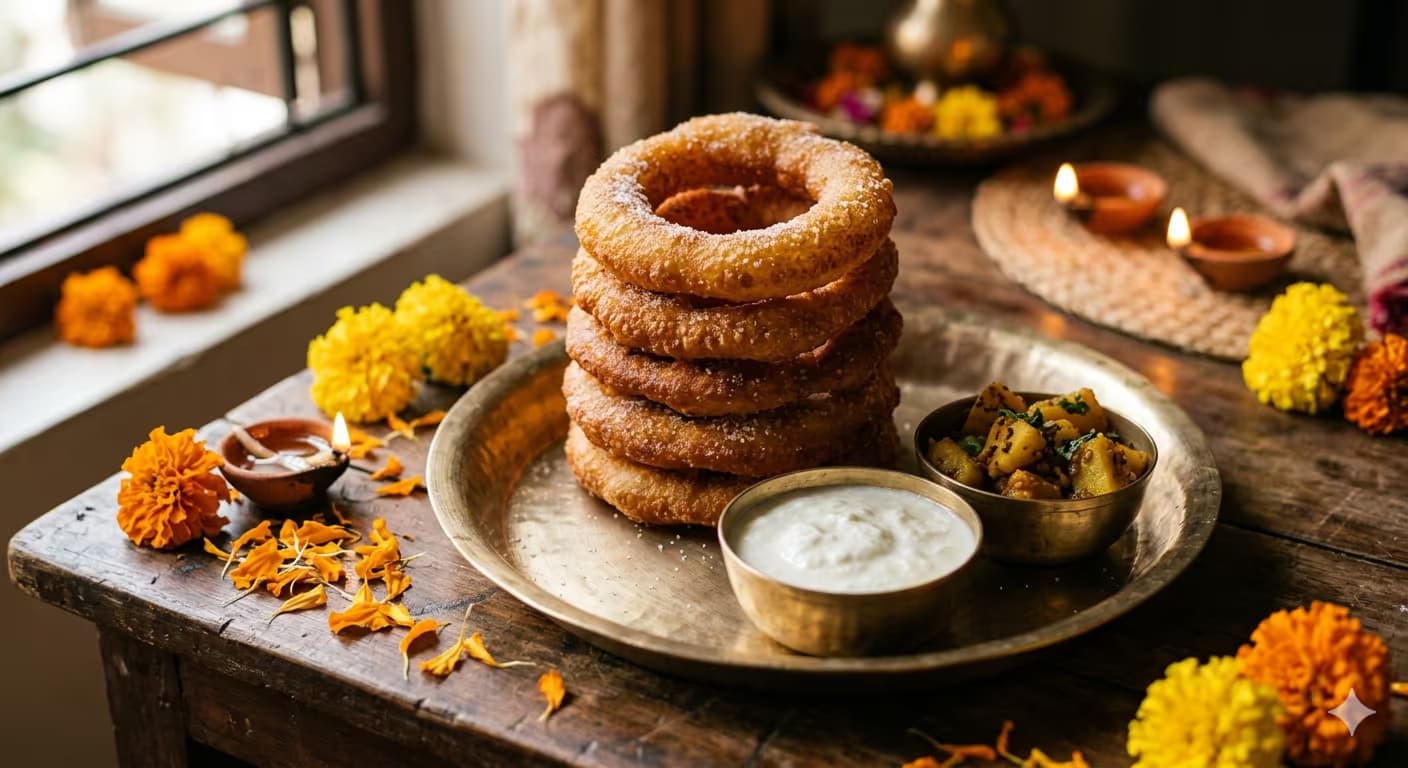
Sel Roti
Made in every household across the Dashain and Tihar season
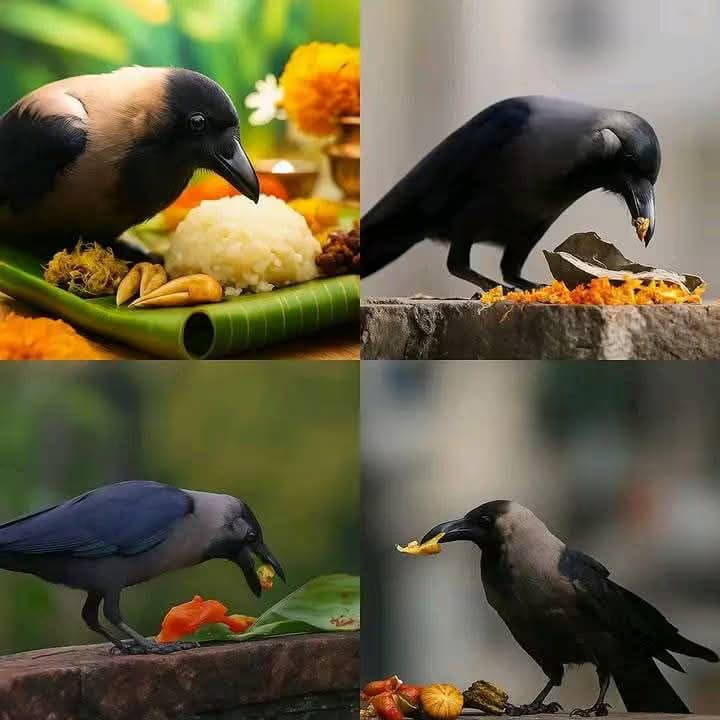
Part of Tihar (Deepawali)