Kukur Tihar
On the second day, every dog in Nepal receives a garland of marigolds, a red tika on its forehead, and a meal of meat and sweets — a day of complete role reversal in which the animal most often driven from doorways is brought to the centre of the household's gratitude.
The Day That Belongs to Dogs
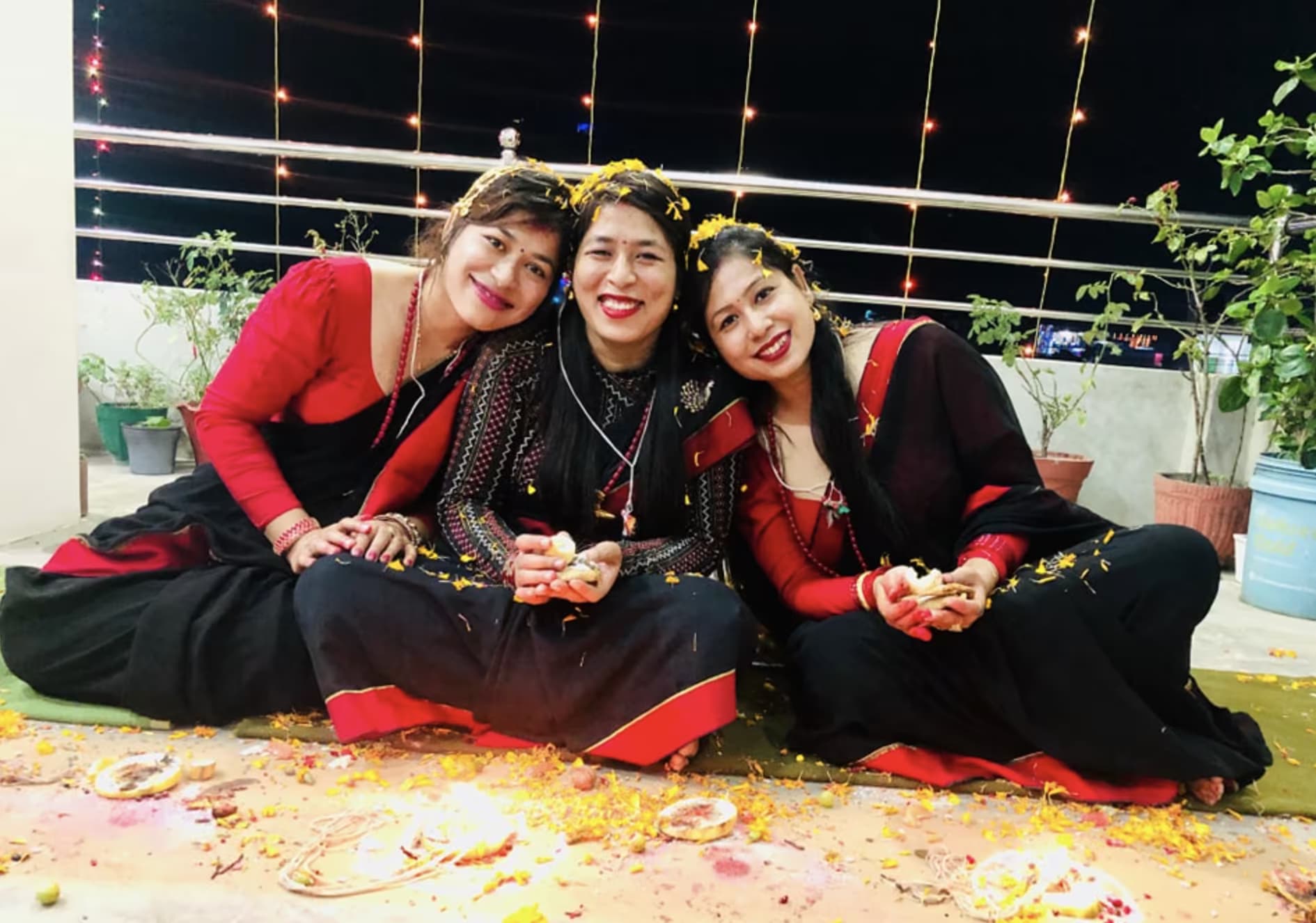
Kukur Tihar is unlike any other animal worship day in the world. On the second morning of Tihar, dogs — family pets, strays sleeping in the street, the guard dogs of farms — receive the full honours of a puja: a garland of yellow and orange marigolds placed around the neck, a red tika mark pressed to the forehead, and a plate of special food including meat, eggs, and milk.
The dog is not merely indulged. It is worshipped. The ritual sequence is the same as for any deity: flowers, tika, food offerings, acknowledgement of the animal's presence as something that deserves explicit gratitude.
Why the Dog
Yama, the god of death and ruler of the underworld, is accompanied by two dogs in Hindu mythology — guardians of the path between the living and the dead. By honouring dogs during Tihar (Yamapanchak, the five days dedicated to Yama's domain), worshippers acknowledge the animals' cosmic role.
But the practical dimension is equally present: dogs have lived alongside human settlements for ten thousand years, guarding homes and flocks. Kukur Tihar is in part a harvest-season acknowledgement of this relationship — a formal thank-you for a year of service.
Strays Included
What makes Kukur Tihar remarkable to outside observers is its inclusivity. It is not only well-fed family dogs that receive garlands: stray dogs sleeping in the alley, the one-eyed dog that lives under the market stall, the pack that roams the neighbourhood — all receive offerings. People move through the streets placing garlands on any dog they encounter.
This has made Kukur Tihar internationally recognisable: photographs of garlanded street dogs, looking simultaneously confused and dignified, circulate widely each year as evidence of something unusual in Nepal's relationship with animals.
The Police Dogs
In recent years, the Nepal Police and Nepal Army have made Kukur Tihar ceremonies for their service dogs a media event: official puja conducted for the dogs of the K9 unit, with officers placing garlands and offering food in front of cameras. The ceremony formalises what the tradition implies — that the dog's role as guardian is real and worthy of annual acknowledgement.
Related
Connected places and entries worth pairing
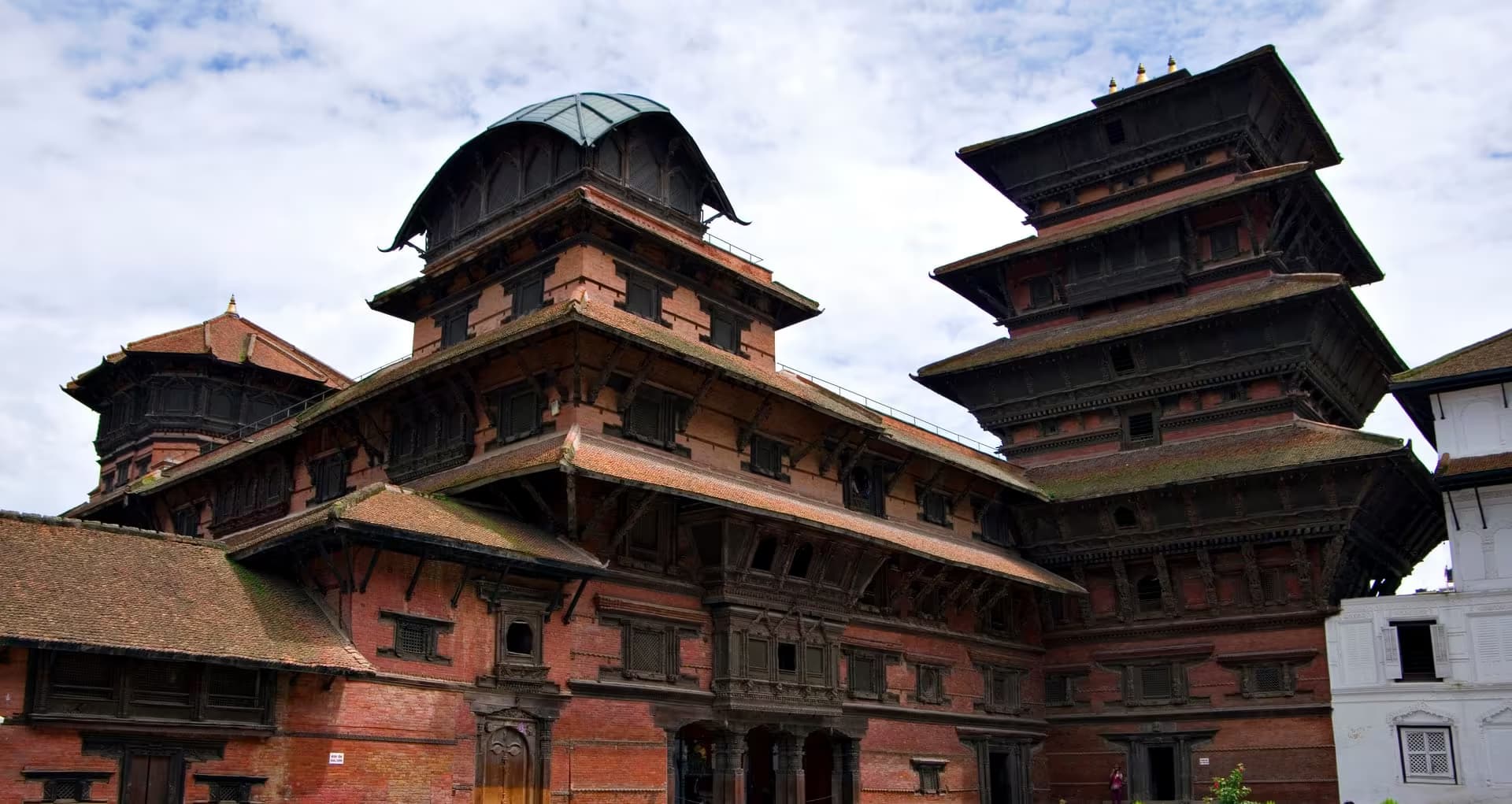
Kathmandu Durbar Square
One of the three squares where the Tihar lights are most concentrated

Patan Durbar Square
One of the three squares where the Tihar lights are most concentrated

Bhaktapur Durbar Square
One of the three squares where the Tihar lights are most concentrated
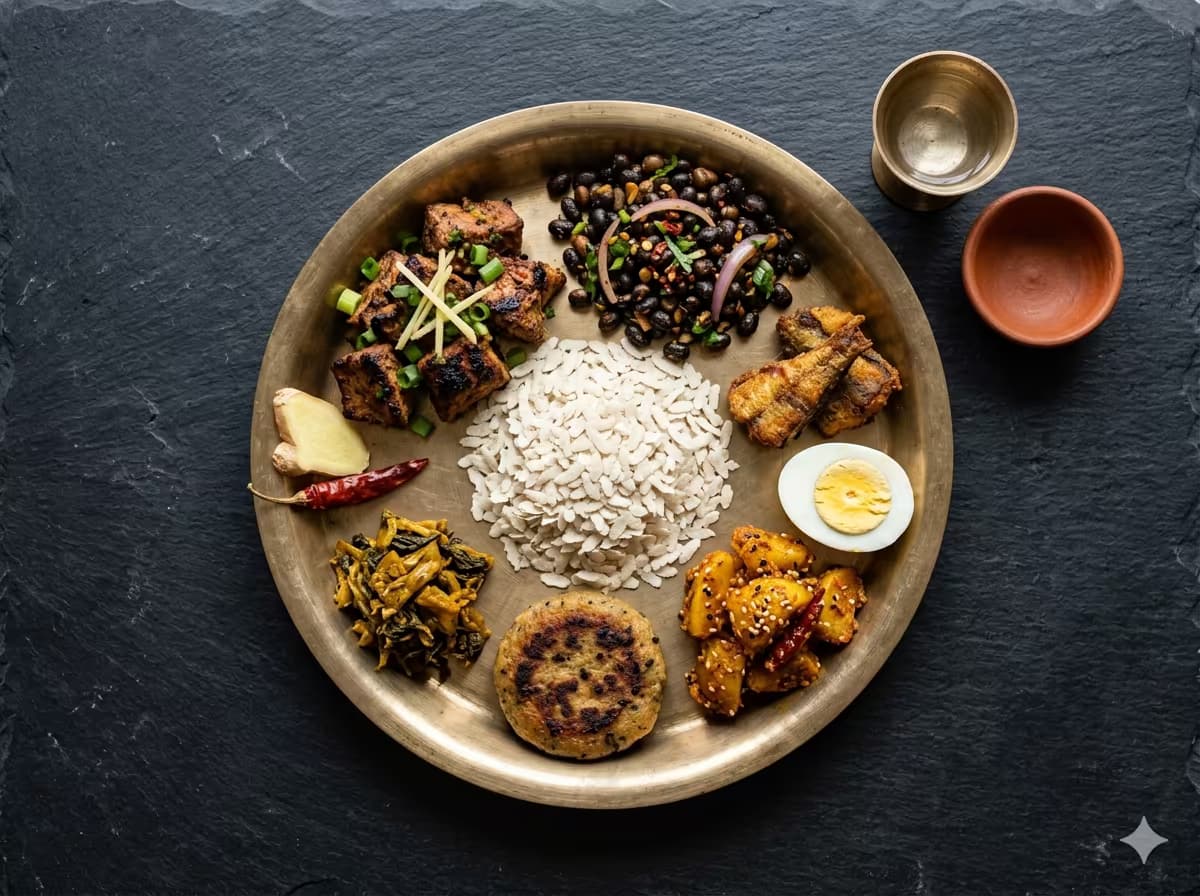
Samay Baji
The Newar ritual platter served on Mha Puja day
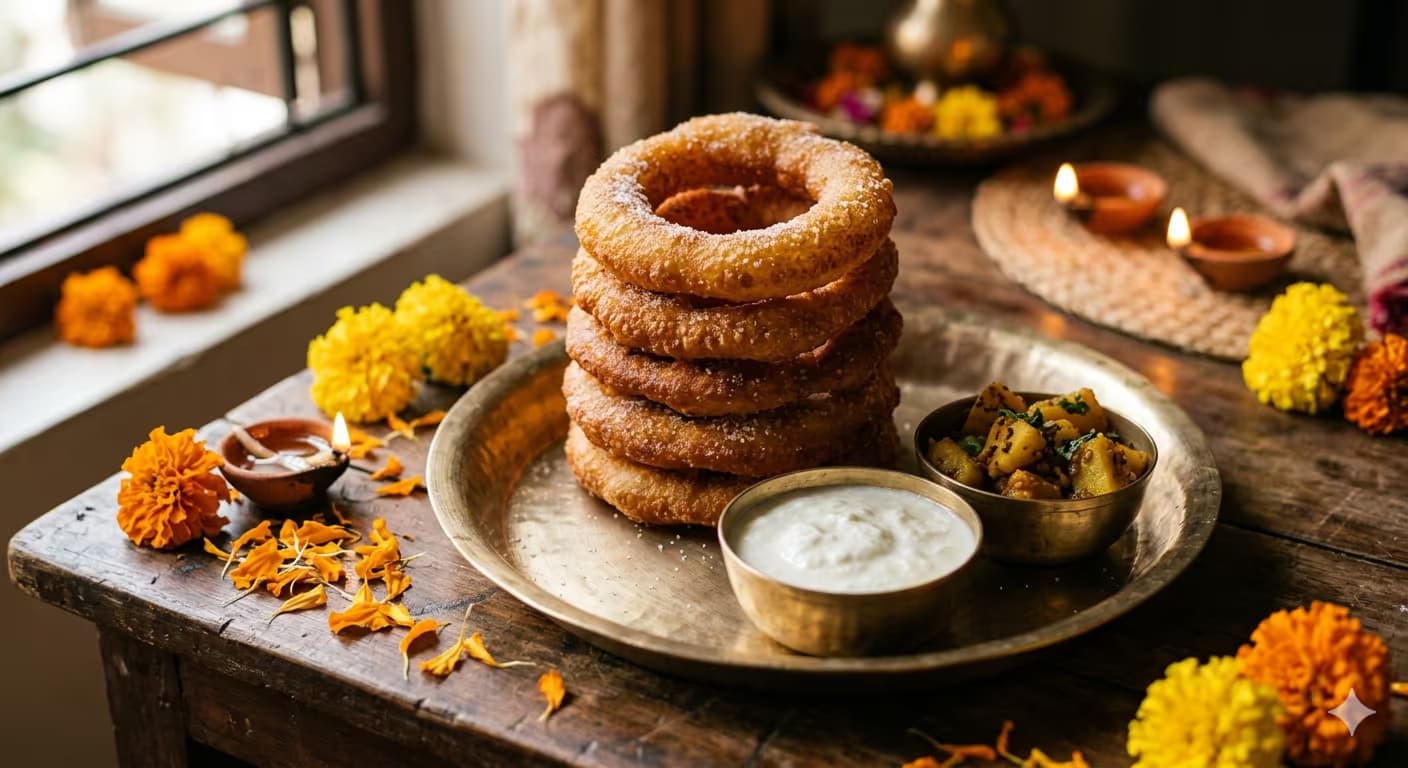
Sel Roti
Made in every household across the Dashain and Tihar season
Deities & Presences
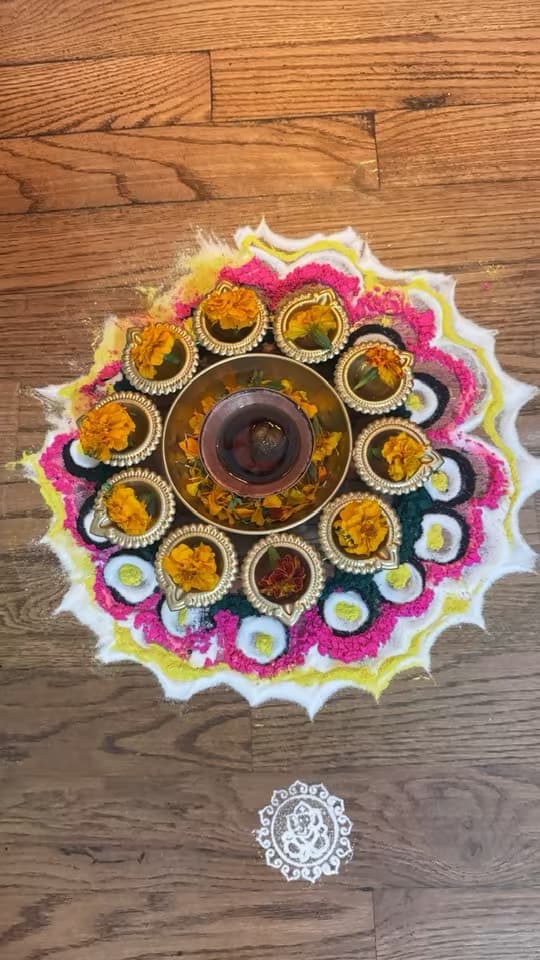
Part of Tihar (Deepawali)