The Neighborhood Start
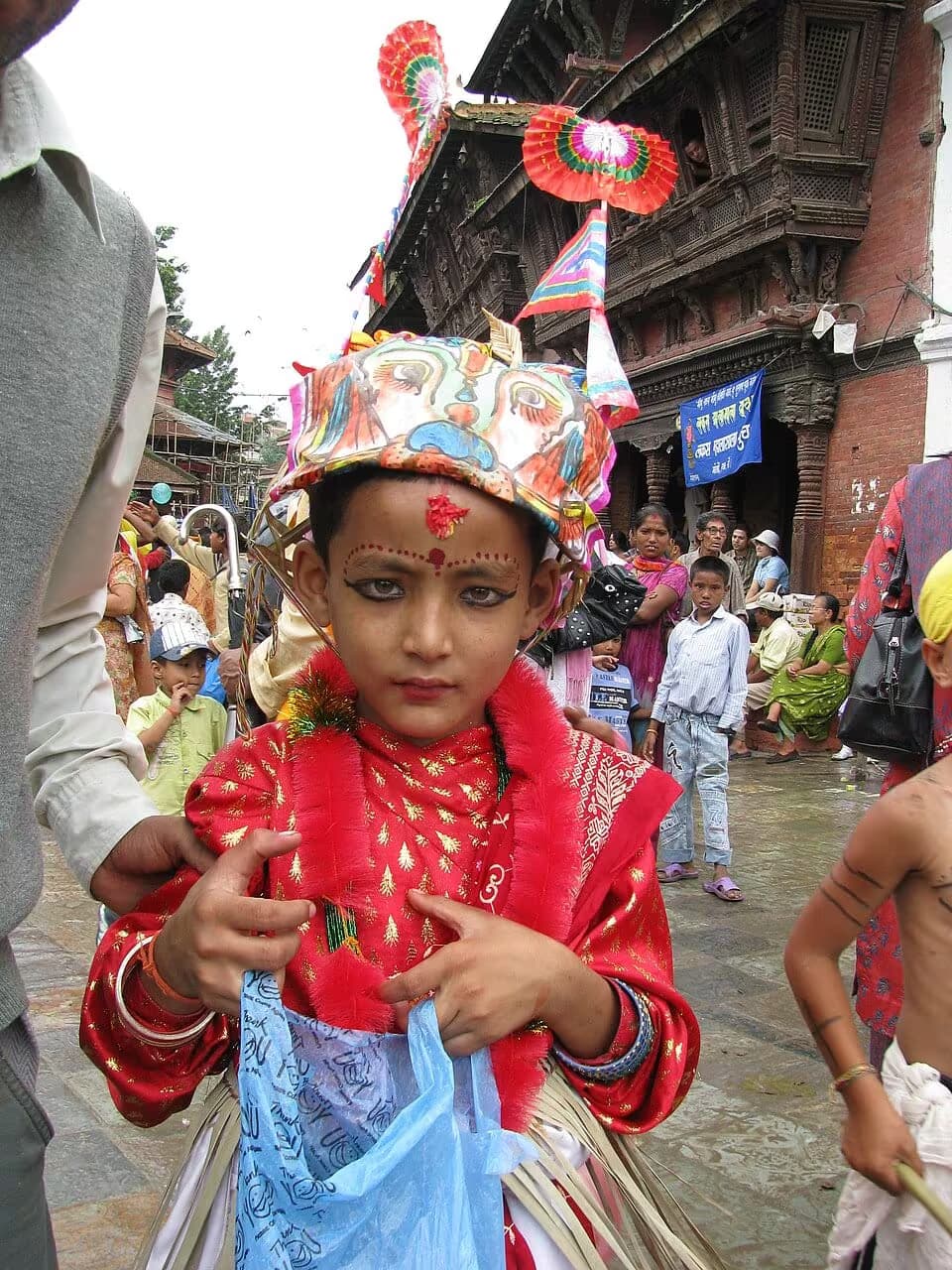
Processions begin in individual toles — the traditional Newar neighborhoods that form Kathmandu's social geography. Each tole's bereaved families gather before dawn, and their cows and cow-costumed children begin moving toward the center. The tole-level start means that the festival's grief is organized by the community's smallest unit: the neighborhood that knows each family, each loss, each person who was lost. Before the procession becomes public and civic, it is intimate — the faces of neighbors, the specificity of a particular person's absence, the tole's own route through streets it has walked for centuries.
The Convergence
As the morning progresses, processions merge — tole streams joining at major intersections, the crowd thickening as it approaches the durbar square. The route passes through some of Kathmandu's oldest streets: the lanes between Asan and Indra Chowk, the approaches to Hanuman Dhoka, the bazaar roads that on any other day are filled with commerce. On Gai Jatra they are filled with cows and the bereaved. The city's ordinary purpose is suspended; grief takes the right of way.
Hanuman Dhoka
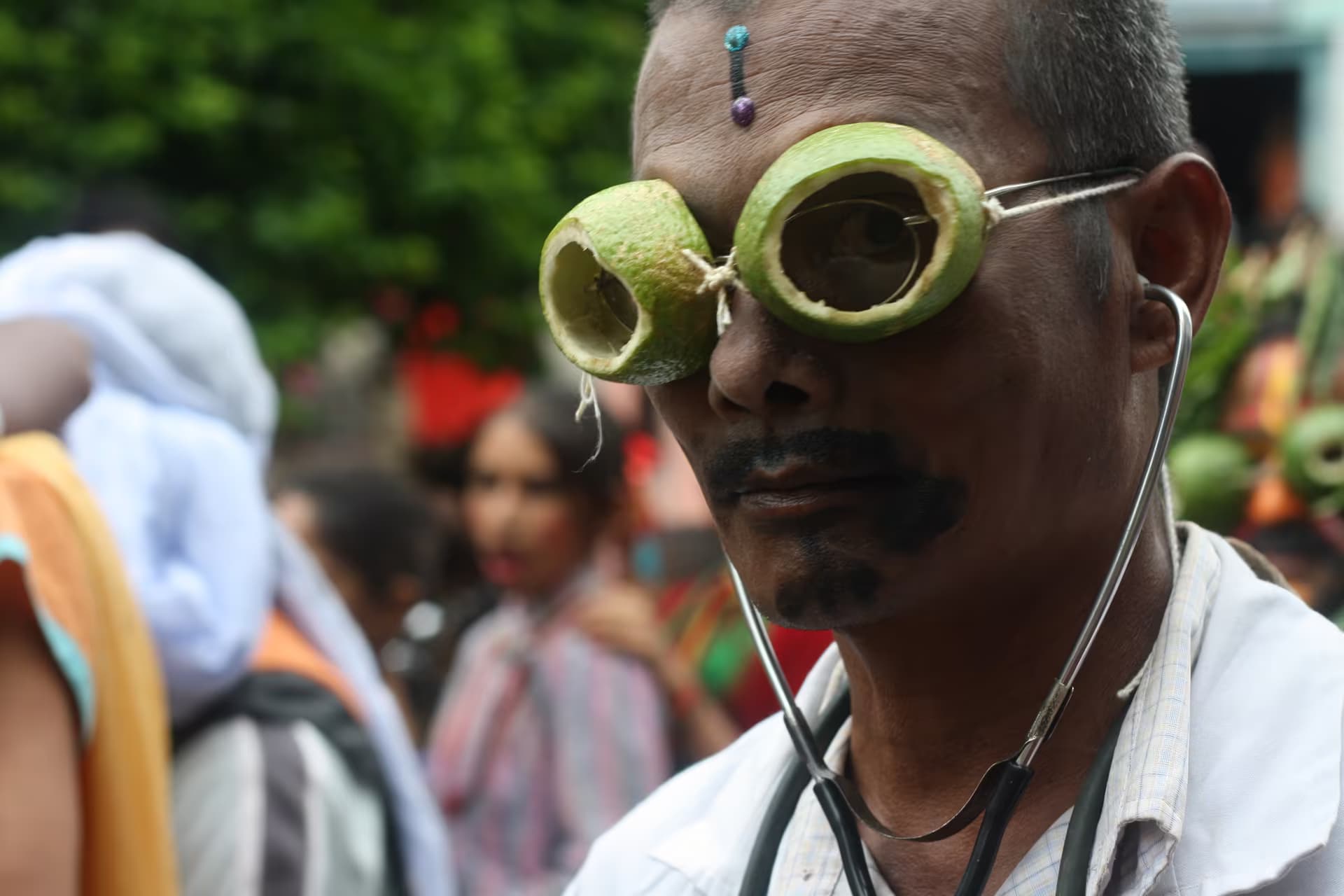
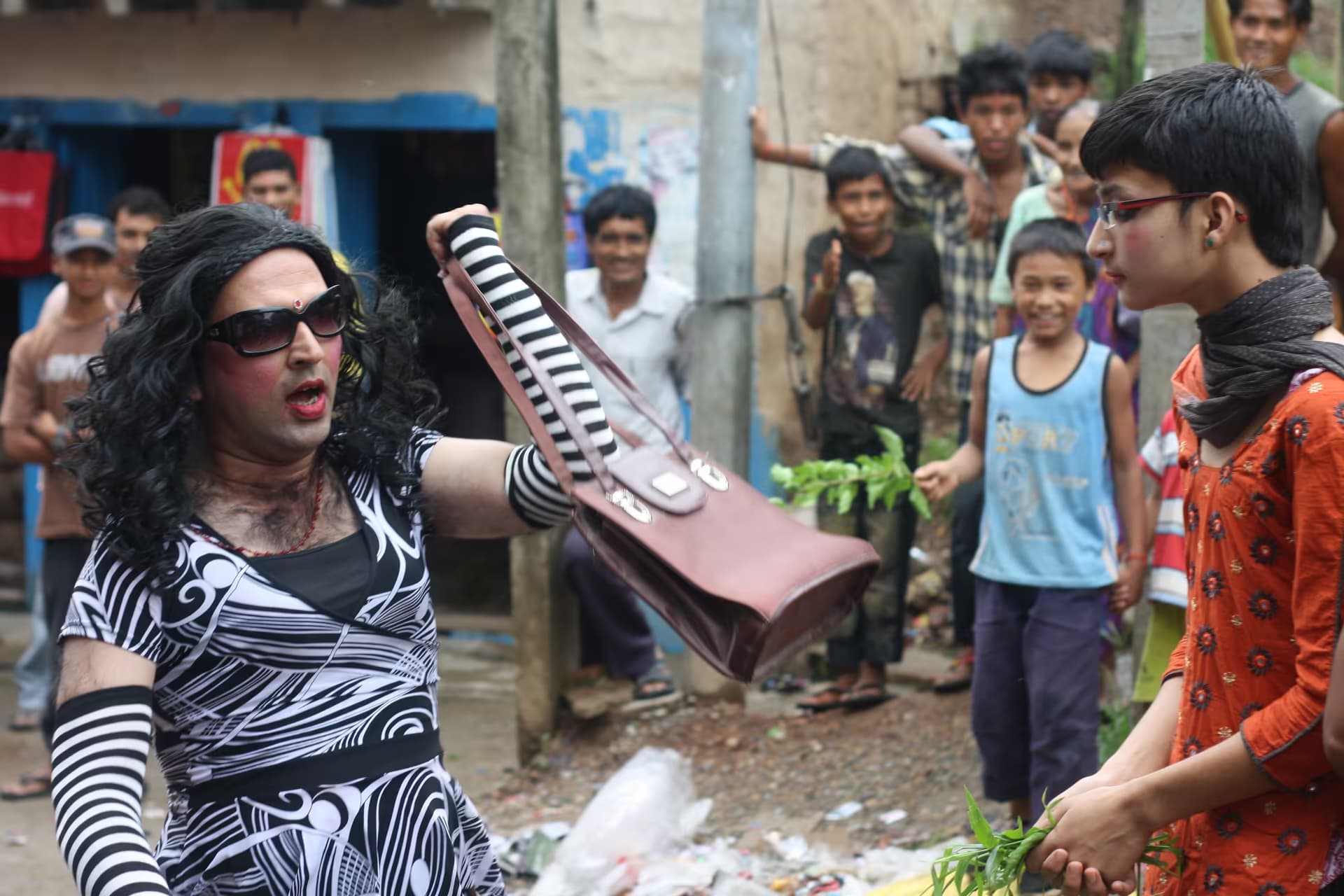
The final convergence at Kathmandu's old royal square closes a historical loop. The procession arrives at the seat of Pratap Malla — the king whose grief created the festival — and the story comes full circle. At the durbar square, the cows pass before the palace where the queen once watched, and the satirical performances fill the same stones that once held royal ceremony. The geography itself tells the story: grief and laughter, palace and street, ancient obligation and living community, all held in the same square on the same day every year.
Related Places & Sites
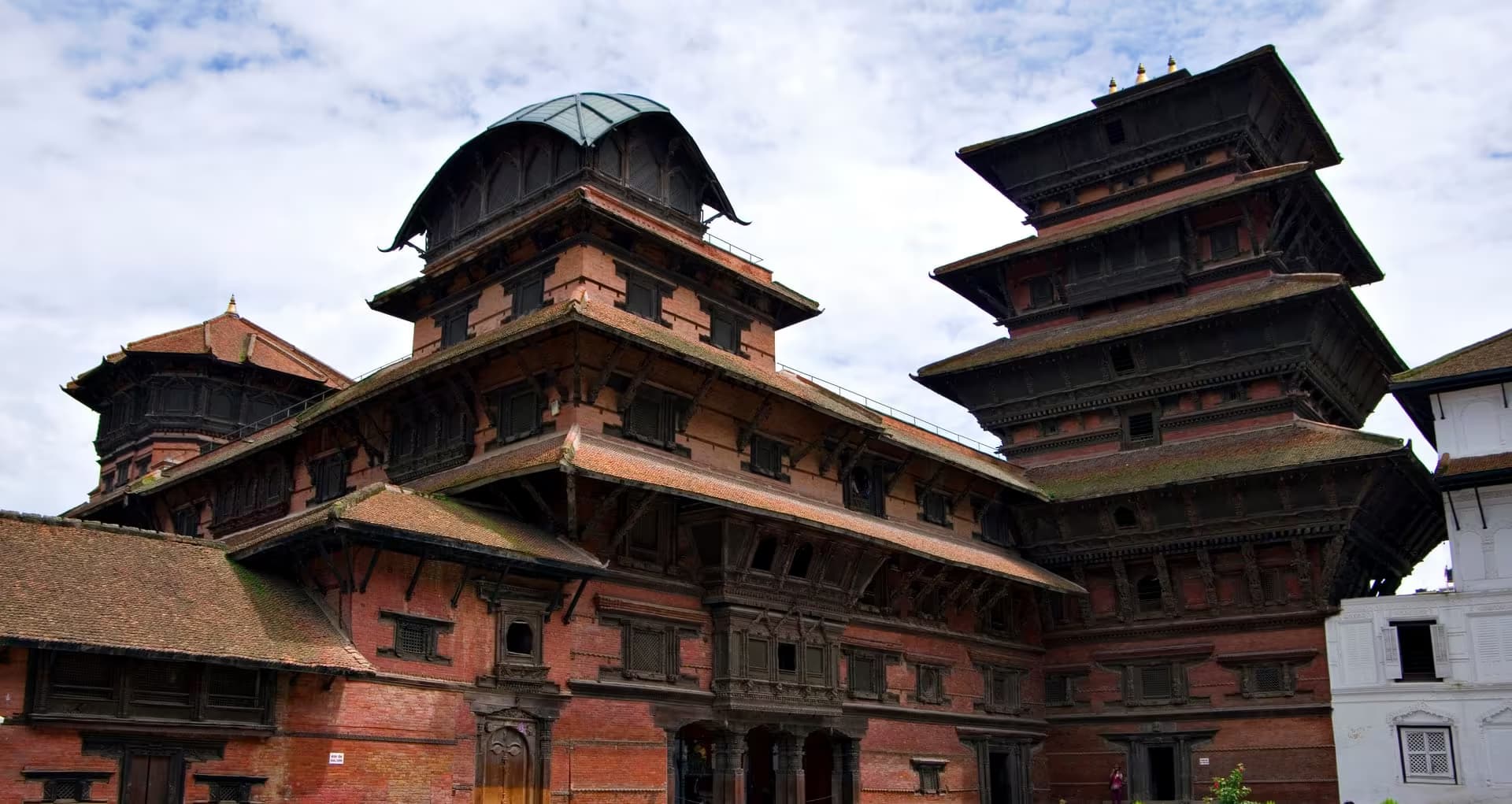
destination
Kathmandu Durbar SquareMain procession converges at Hanuman Dhoka — the old royal palace square where Pratap Malla's queen watched, giving the festival its origin story

destination
Patan Durbar SquarePatan's Gai Jatra procession converges at Mangal Bazaar — a distinct historical route through Lalitpur's medieval core

destination
Bhaktapur Durbar SquareBhaktapur's Gai Jatra follows its own traditional tole routes converging on the palace square
Related
Connected places and entries worth pairing
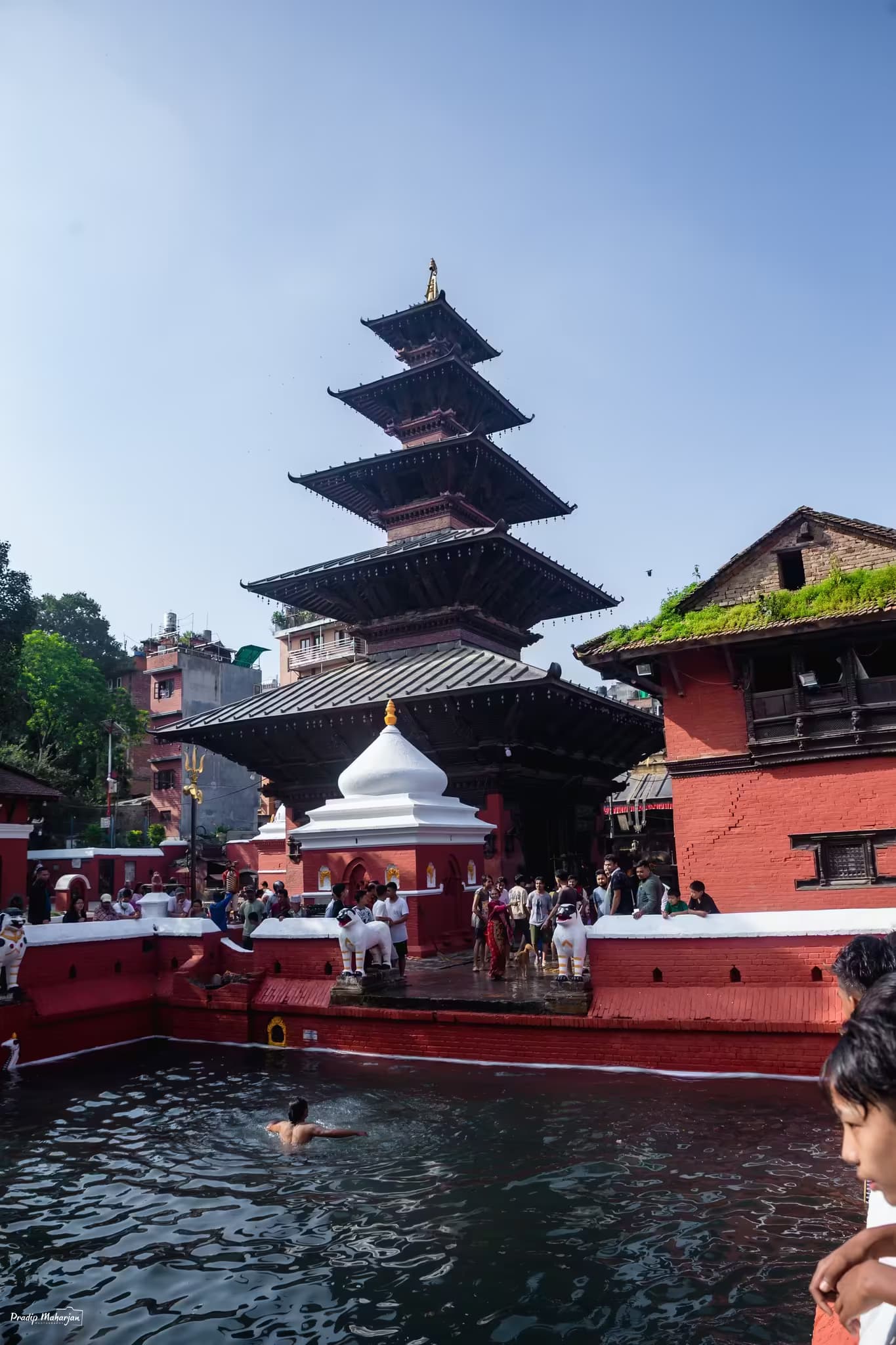
Janai Purnima
Sa Paru falls the day after Janai Purnima
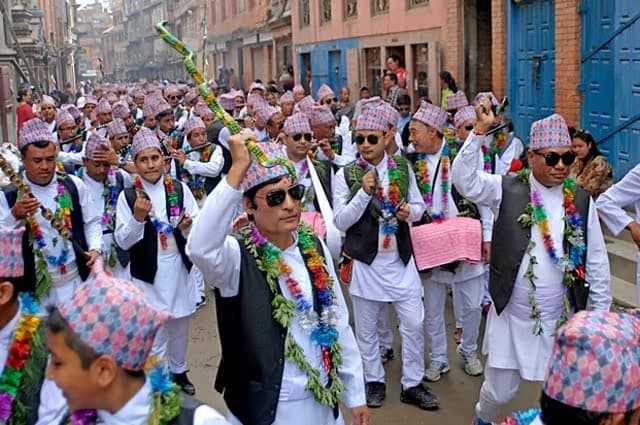
Matya
Patan's Matya follows on the next day

Krishna Janmashtami
Bhaktapur's stick dancing runs from Sa Paru until Janmashtami, seven days later
Bhaktapur Durbar Square
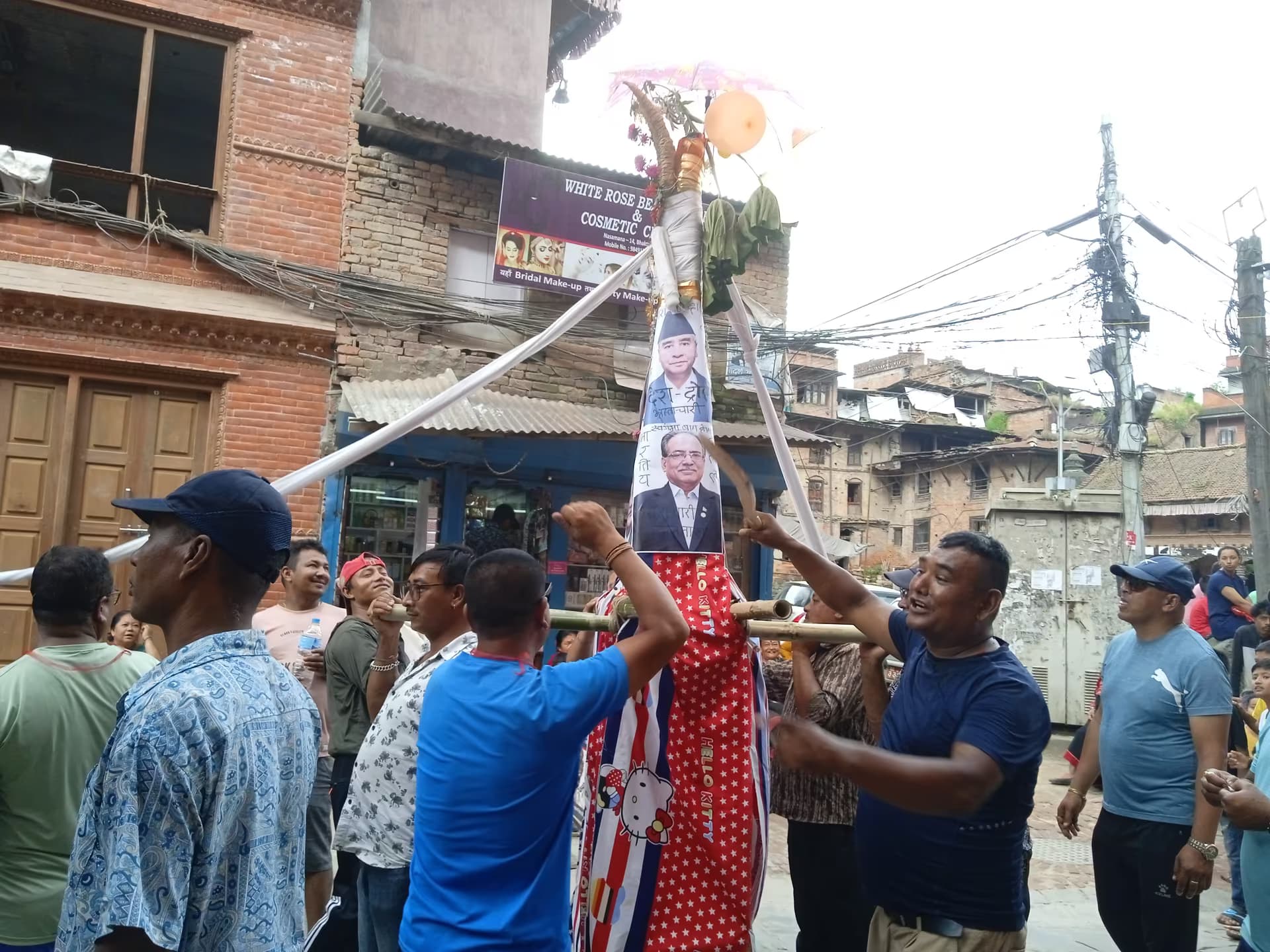
Bhaktapur keeps the festival with taha macha effigies along the main street
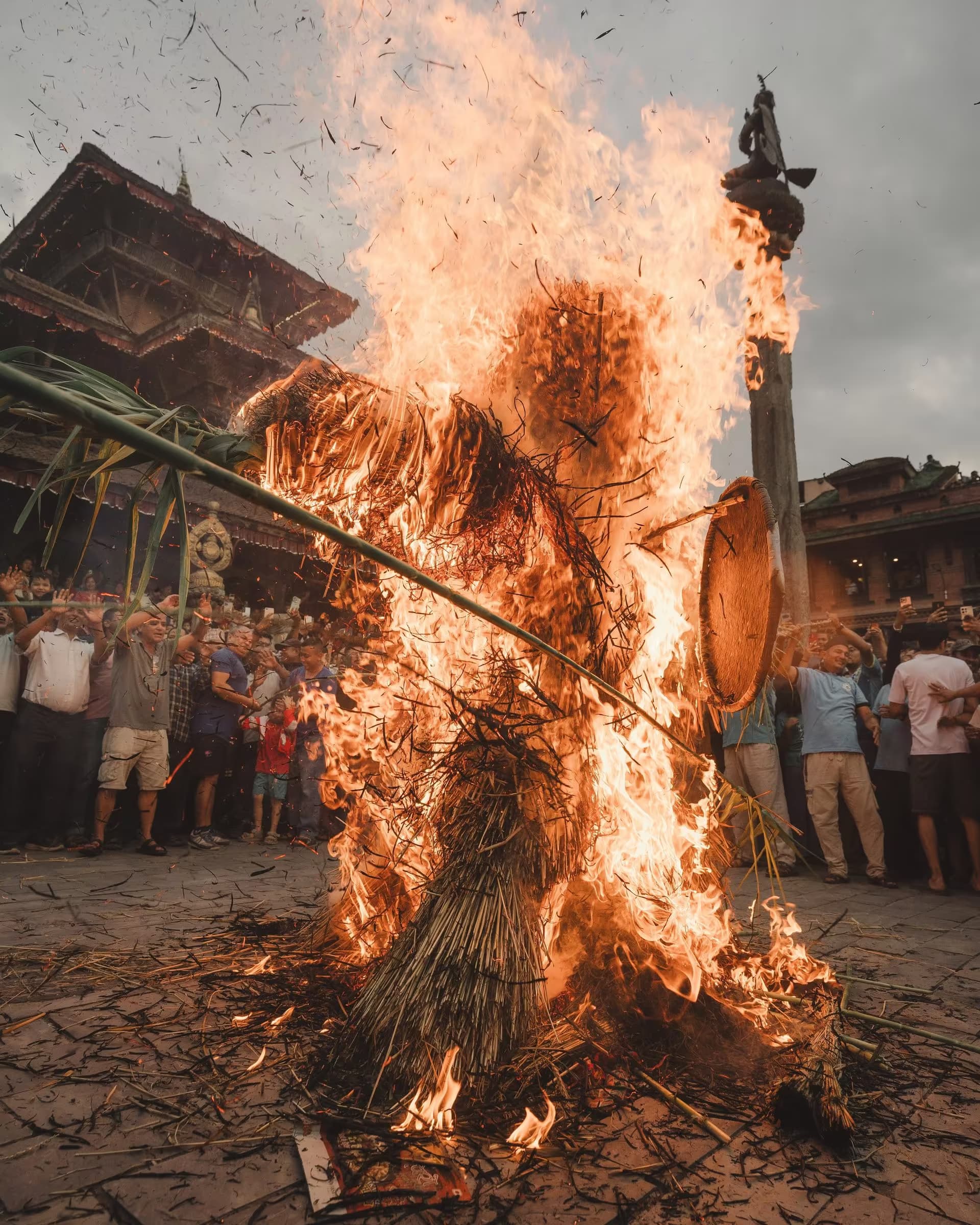
Gathamuga: Charhe
The season Sa Paru belongs to is opened by the burning of Ghantakarna
Part of Gai Jatra