A Structure That Marks a Season
Ping (पिङ) in Nepal Bhasa, linge ping in some dialects — the Dashain swing is a structure of freshly cut green bamboo poles lashed together at the top, rising six to ten metres above the ground, with a rope or wooden plank seat hanging from the apex. It appears at crossroads, open hillside terraces, school grounds, and community gathering spaces in the weeks before Dashain and comes down after the festival ends.
In the Kathmandu Valley, permanent or semi-permanent swing structures exist at some traditional sites; in rural areas the ping is assembled fresh each year by young men of the community.
Who Swings
The ping is democratic in a way that many Dashain rituals are not. Anyone can swing: children, teenagers, adults, the elderly. In villages, the swing often operates continuously through the festival days, with children taking turns from morning until the adults take over at dusk. The evening swings, with the harvest moon above and oil lamps beginning to appear at thresholds, are one of the festival's most evocative images.
In some communities, the swing is associated specifically with young women during Dashain — a sanctioned outdoor freedom during a period when the festival also brings heightened social obligations and domestic work. The image of women in red and green saris swinging against a blue October sky is one of Nepal's iconic festival photographs.
The Pre-Hindu Layer
The swing's antiquity likely predates the Hindu framing of Dashain. Kirat communities of Nepal's eastern hills — whose ancestors inhabited the Kathmandu Valley before the Indo-Aryan influx — maintain swing traditions during their own autumn harvest festivals (Sakela). The convergence of swing-raising with the harvest season across multiple ethnic and religious traditions suggests a pre-Hindu agrarian origin: the swing as a ritual enactment of the harvest season's abundance, the body sweeping up toward the ripened sky.
The Newar tradition (ling ping or ping) preserves this pre-Hindu layer most clearly: Newar festivals and guthi records mention the ping independently of the Dashain / Mohni religious programme, as a seasonal community activity rather than a devotional one.
Urban Disappearance
In Kathmandu's urban core, the ping has mostly disappeared — there is no space for bamboo poles at crossroads now filled with traffic and concrete. In Patan, Bhaktapur, and in the ring of towns surrounding the valley, they persist. In the hills and Terai districts of Nepal, the swing remains one of the most visible markers of the festival season: a way of knowing, from the road, that Dashain has arrived in a village before you see any other sign.
Related
Connected places and entries worth pairing
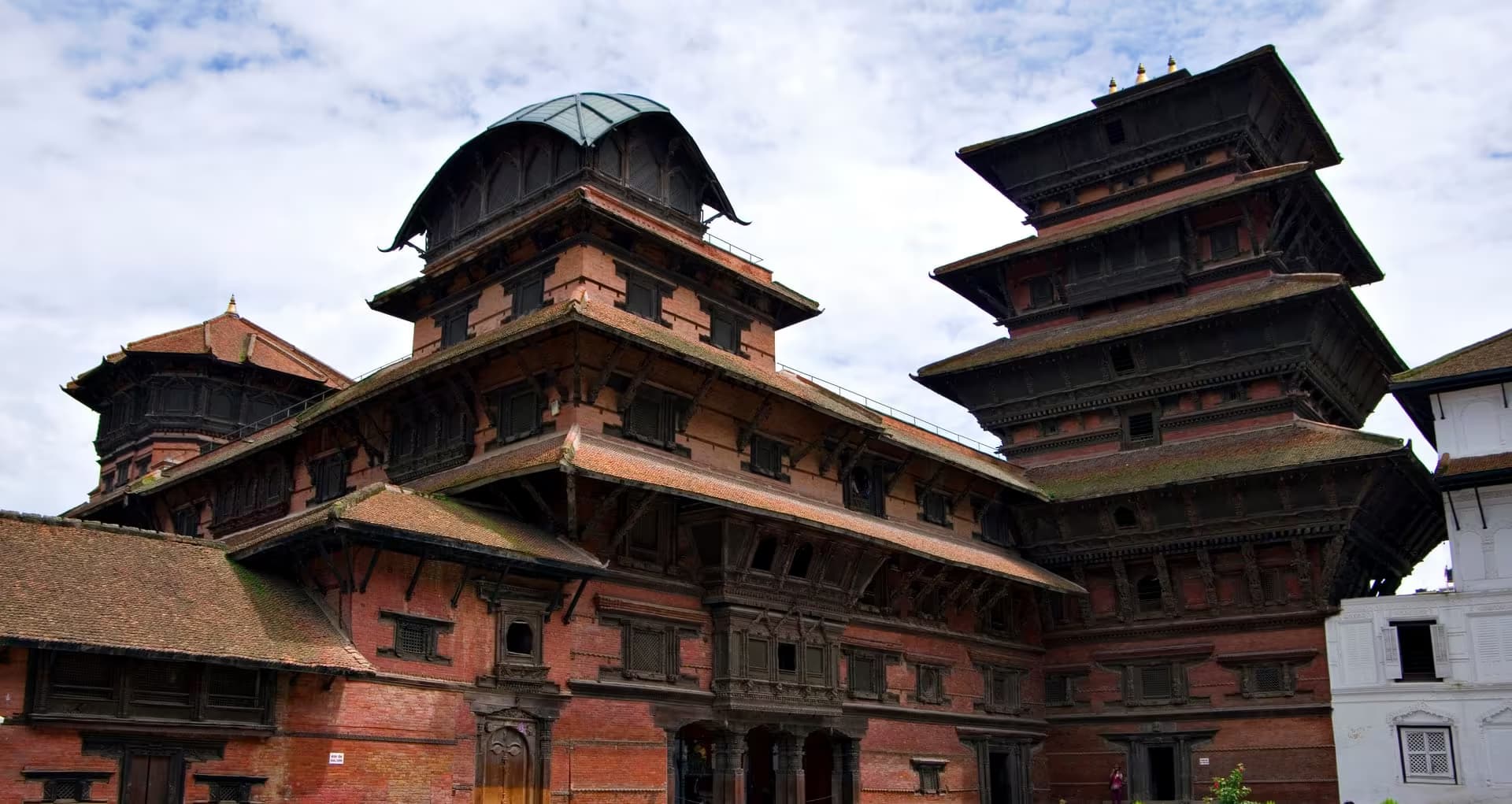
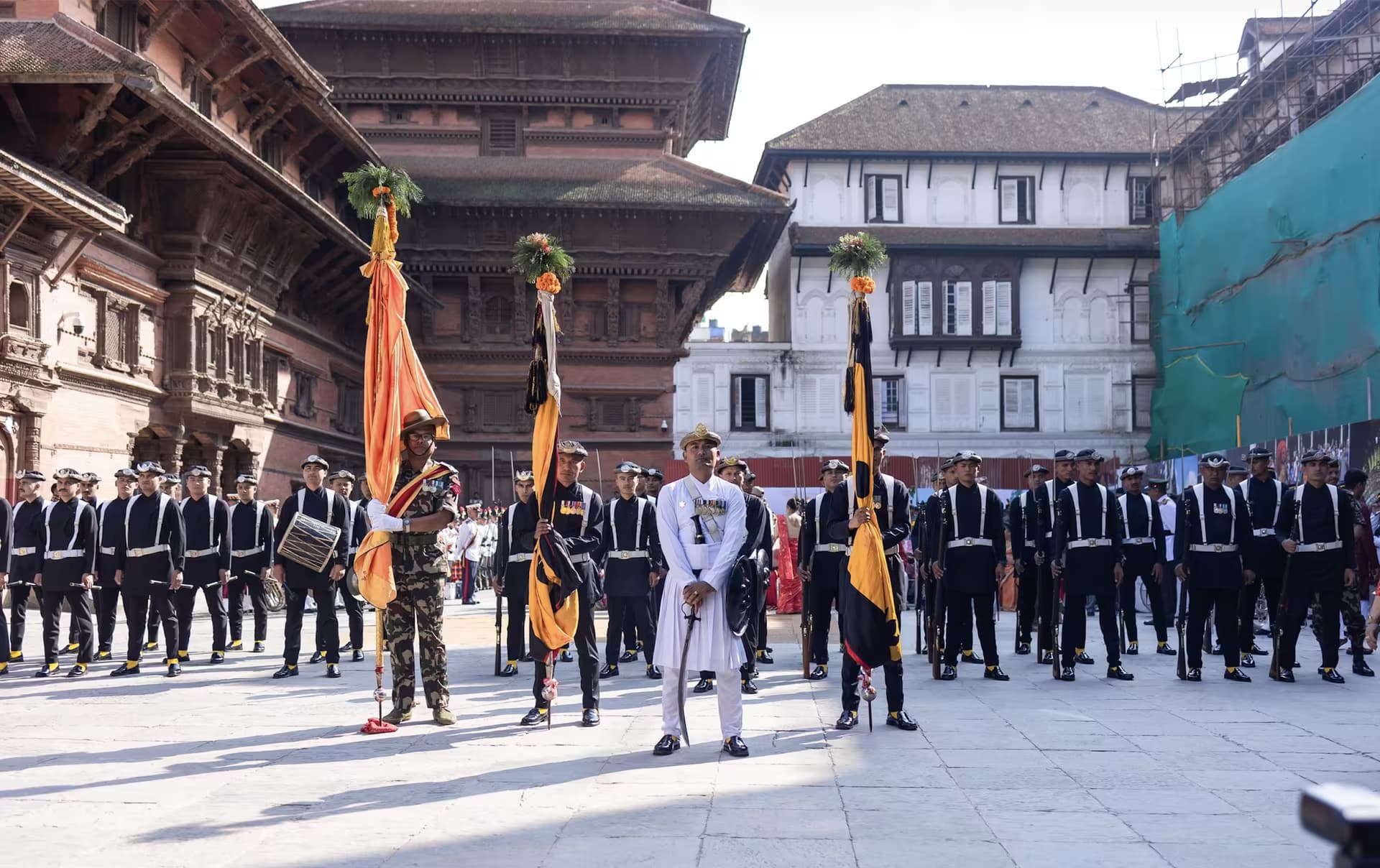
Kathmandu Durbar Square
Hanuman Dhoka takes the Fulpati arrival on the seventh day and the Kot sacrifices on Ashtami
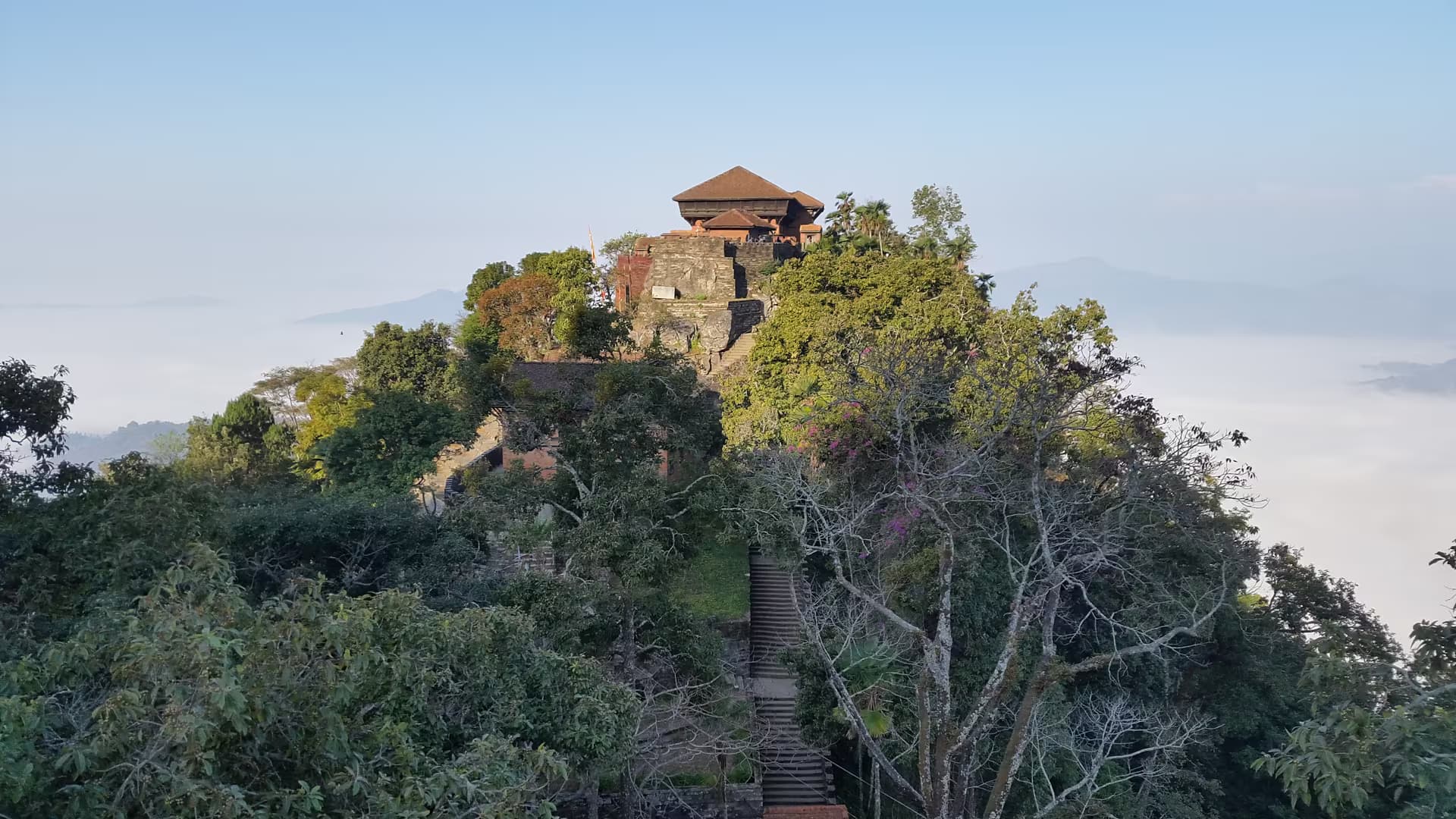
Gorkha Durbar
The origin point of the Fulpati procession, several days ahead of its arrival in Kathmandu
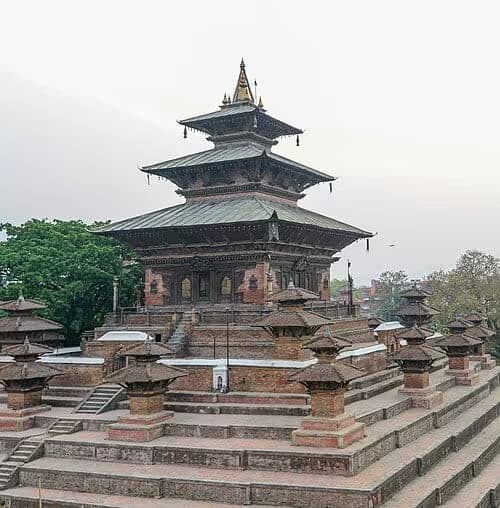
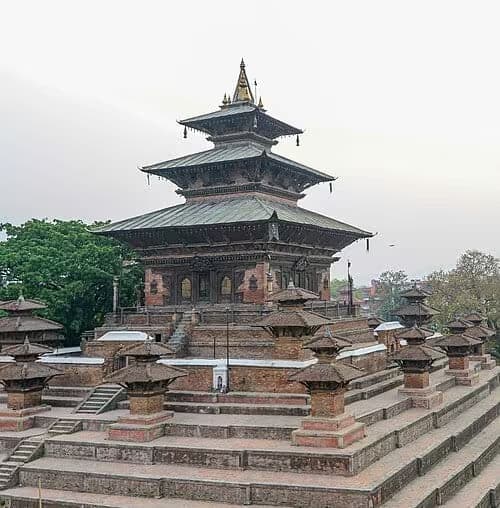
Taleju Temple
Closed to the public all year and open to Hindu devotees on Maha Navami
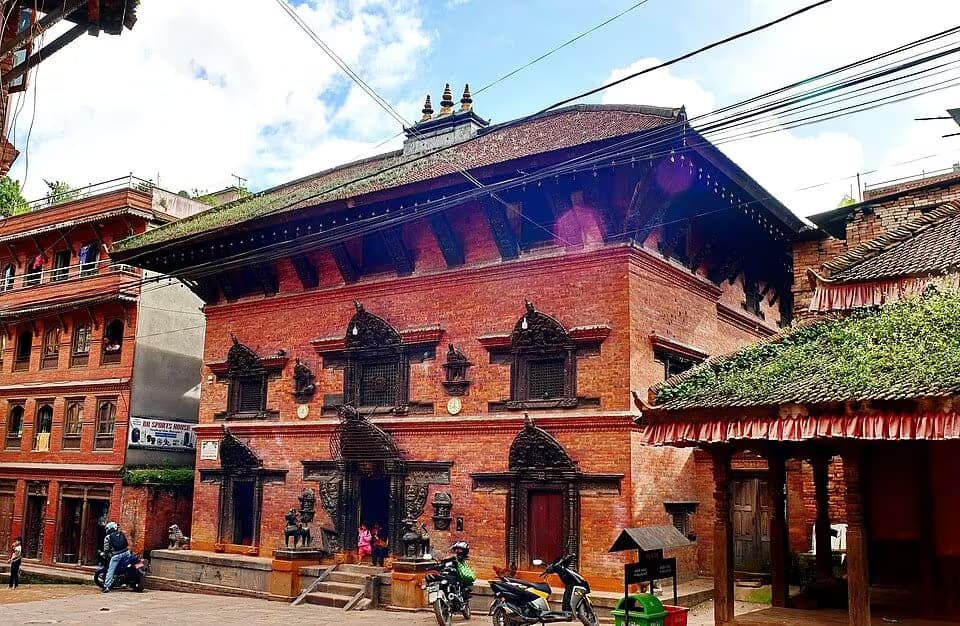
Navadurga Temple (Nava Durga Dyo Chhen)
Works through the nine forms of Durga in exactly the Navaratri cycle
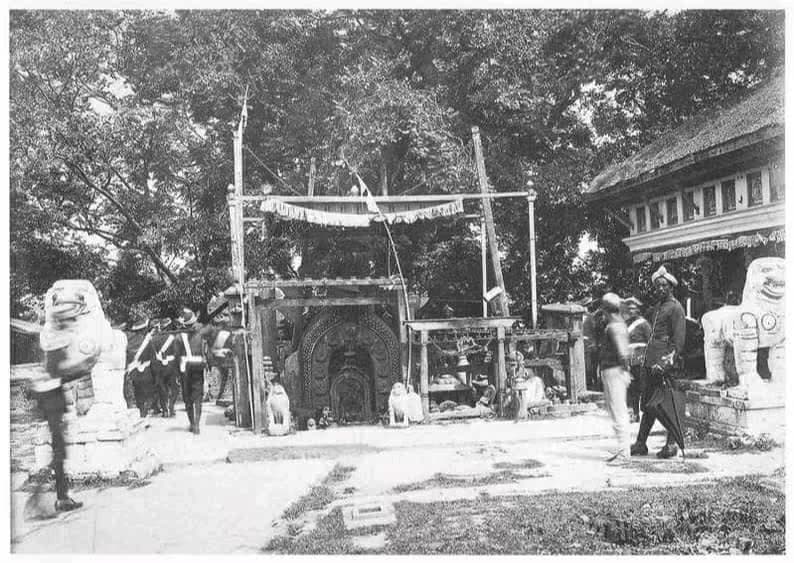
Bhadrakali Temple
On the valley's Navaratri circuit
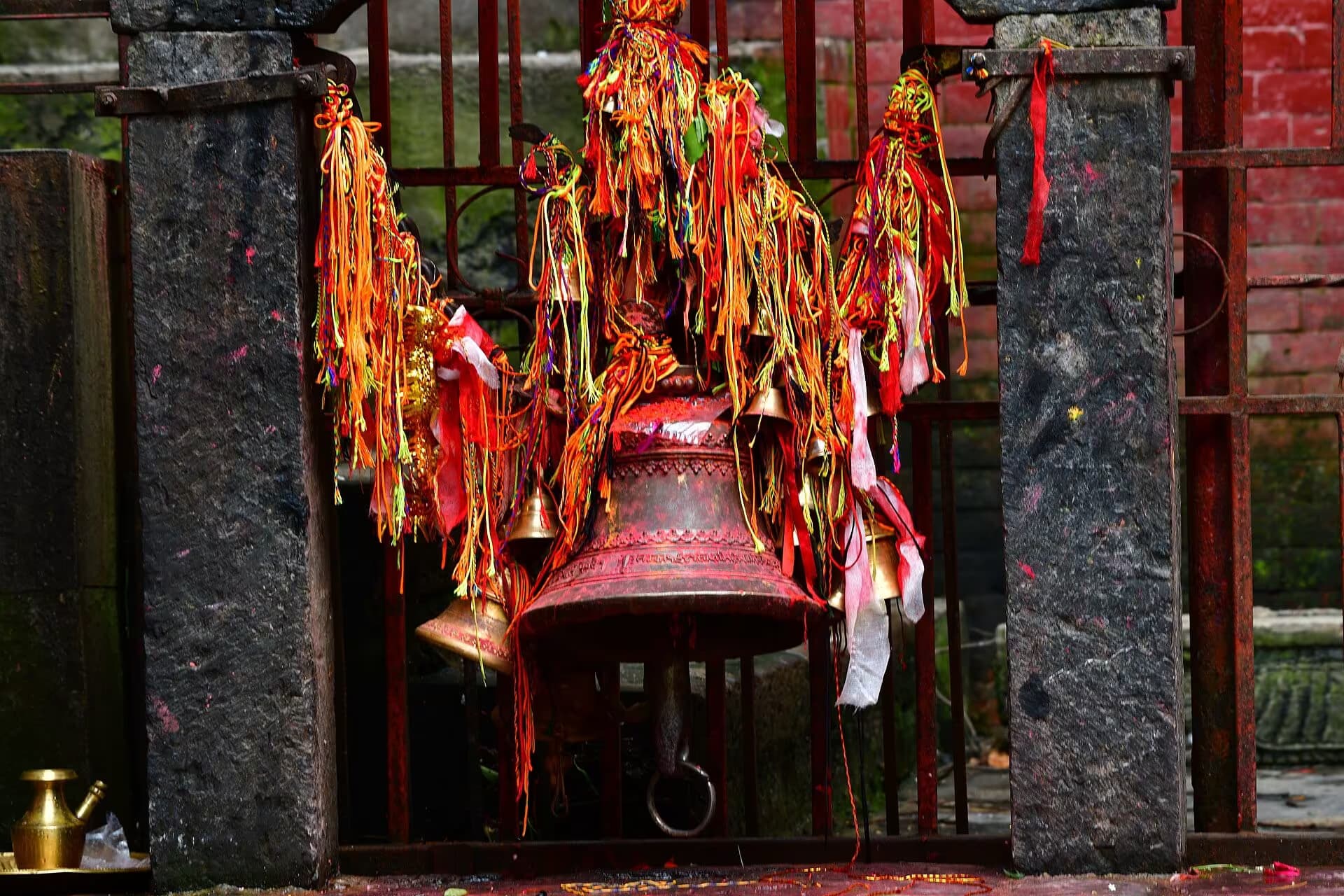
Dakshinkali Temple
The valley's principal sacrifice site, at its most crowded during Dashain
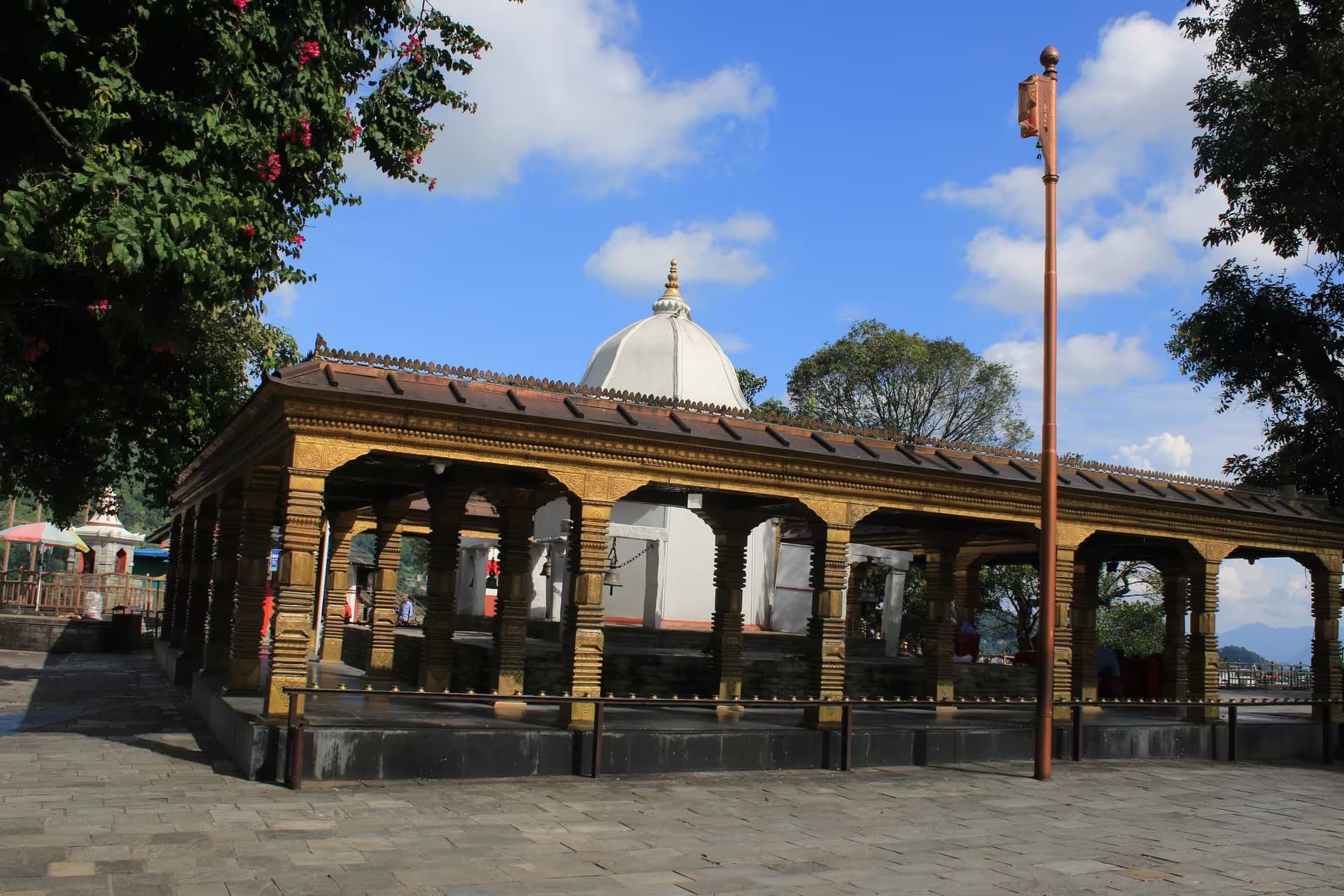
Bindhyabasini Temple
Pokhara's Dashain focus, outside the valley
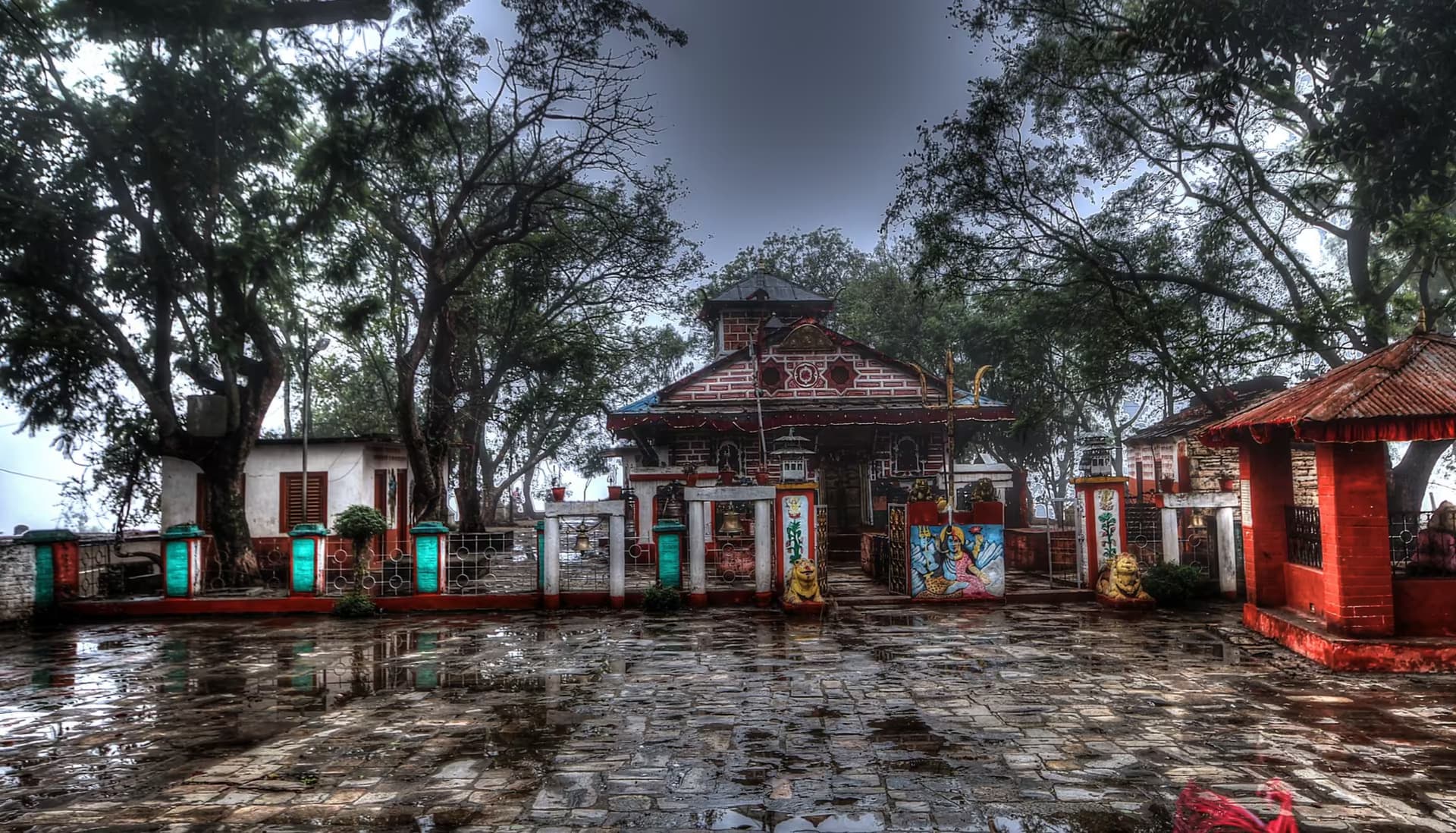
Doti (Silgadhi)
Navaratri and Dashain observances in the far west
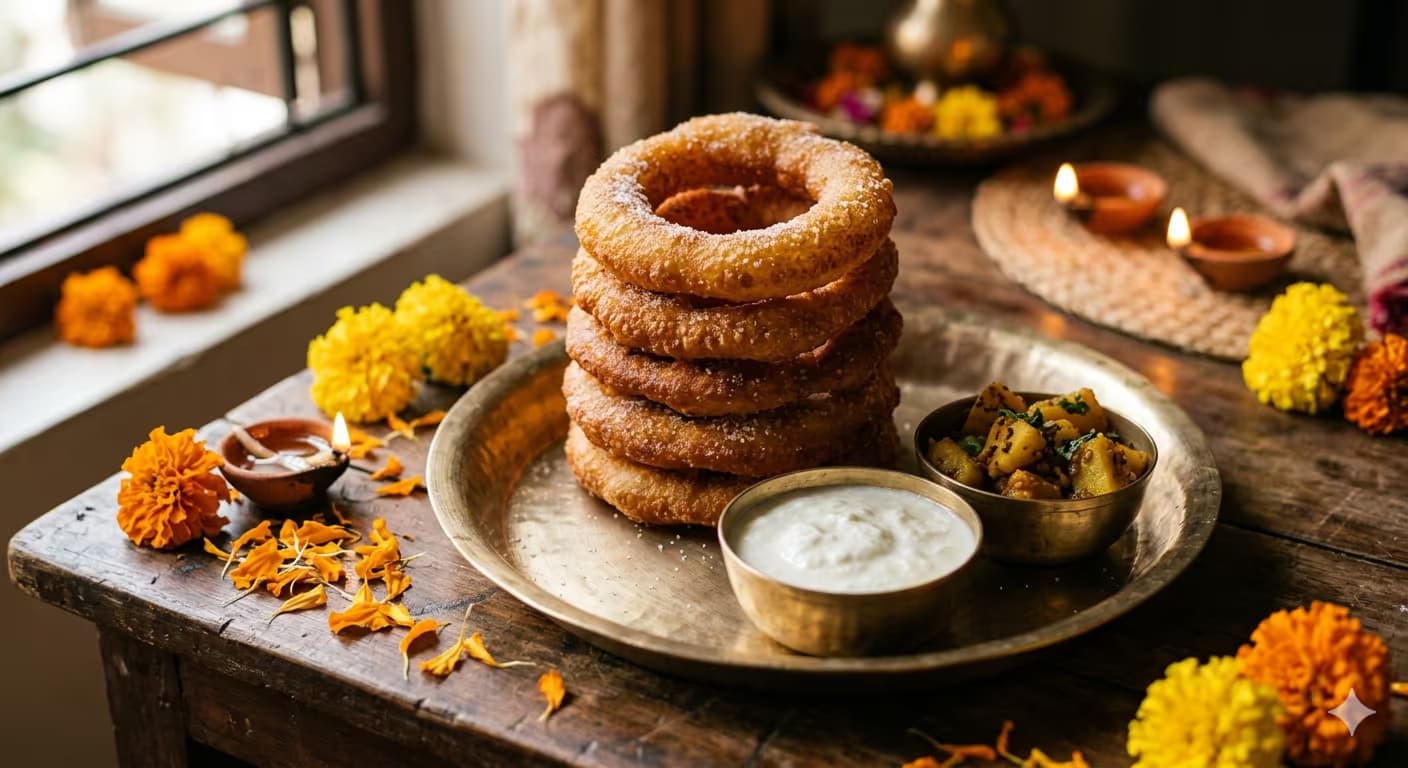
Sel Roti
Made in every household across the Dashain and Tihar season
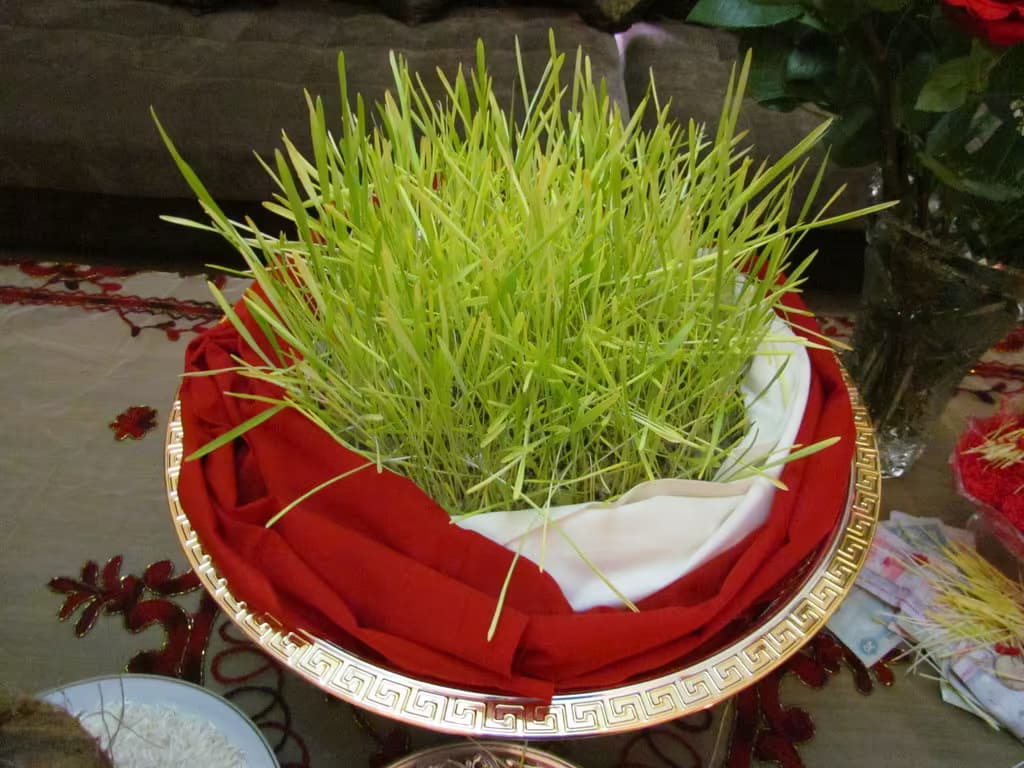
Part of Dashain (Vijaya Dashami)