The Night Before Victory
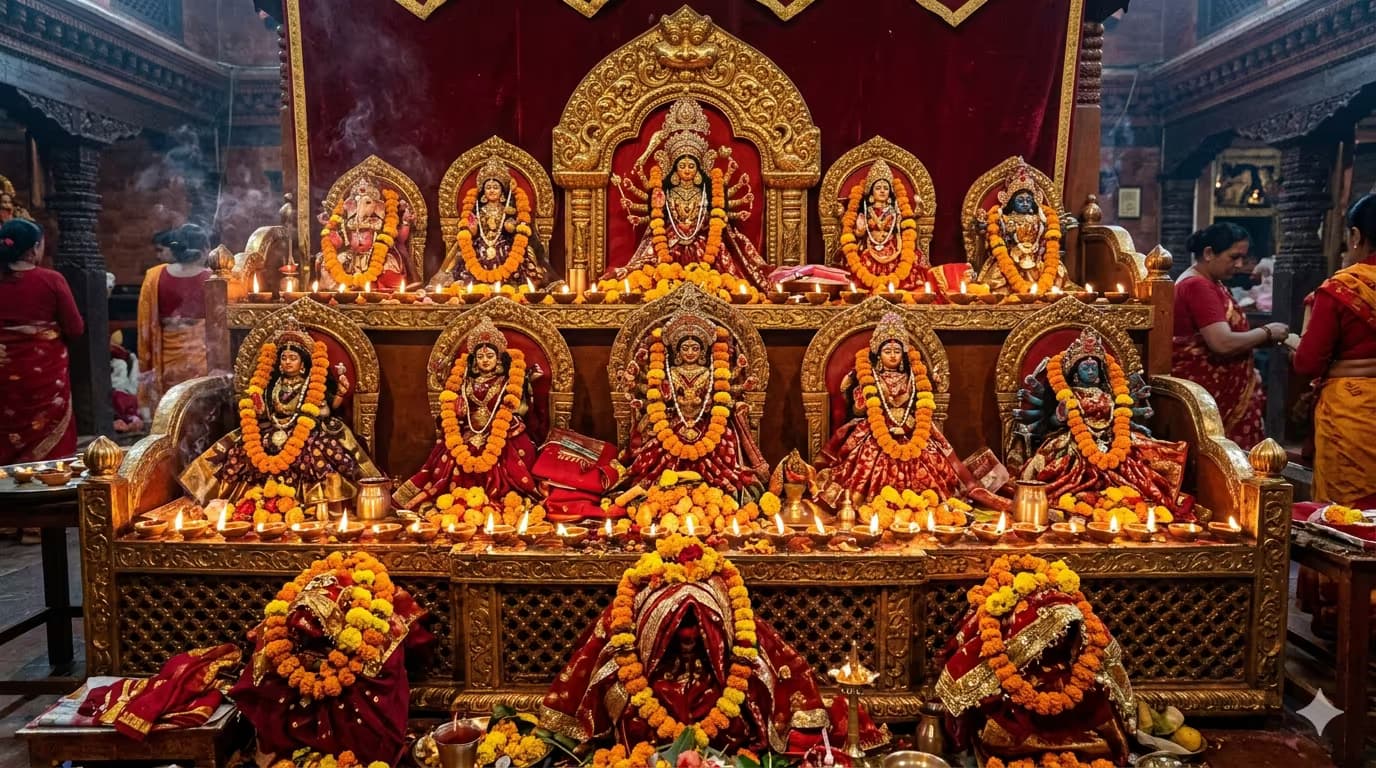
Maha Navami — the great ninth — is the final night of the Navaratri cycle, the last day before Vijaya Dashami's celebration. Its mood is one of concentrated completion: the nine nights of goddess worship are ending, the battle against Mahishasura is at its final hour, and the ritual intensity of the preceding two days (Ashtami's Kalratri, the sacrifices at Kot) continues into the morning.
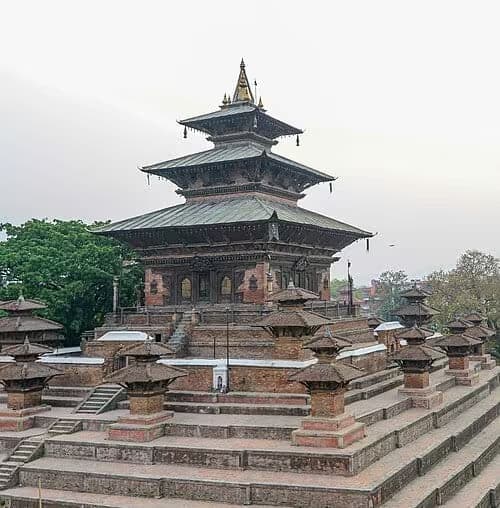
Sacrifices at Taleju Temple, Hanuman Dhoka, and district headquarters across Nepal continue through the ninth day. The Navami dawn puja is among the most attended of Dashain's temple moments — priests complete the final acts of the nine-night cycle, and devotees who have observed fasting throughout Navaratri take their last offering before Dashami breaks the fast.
Vishwakarma Puja: The Consecration of Tools
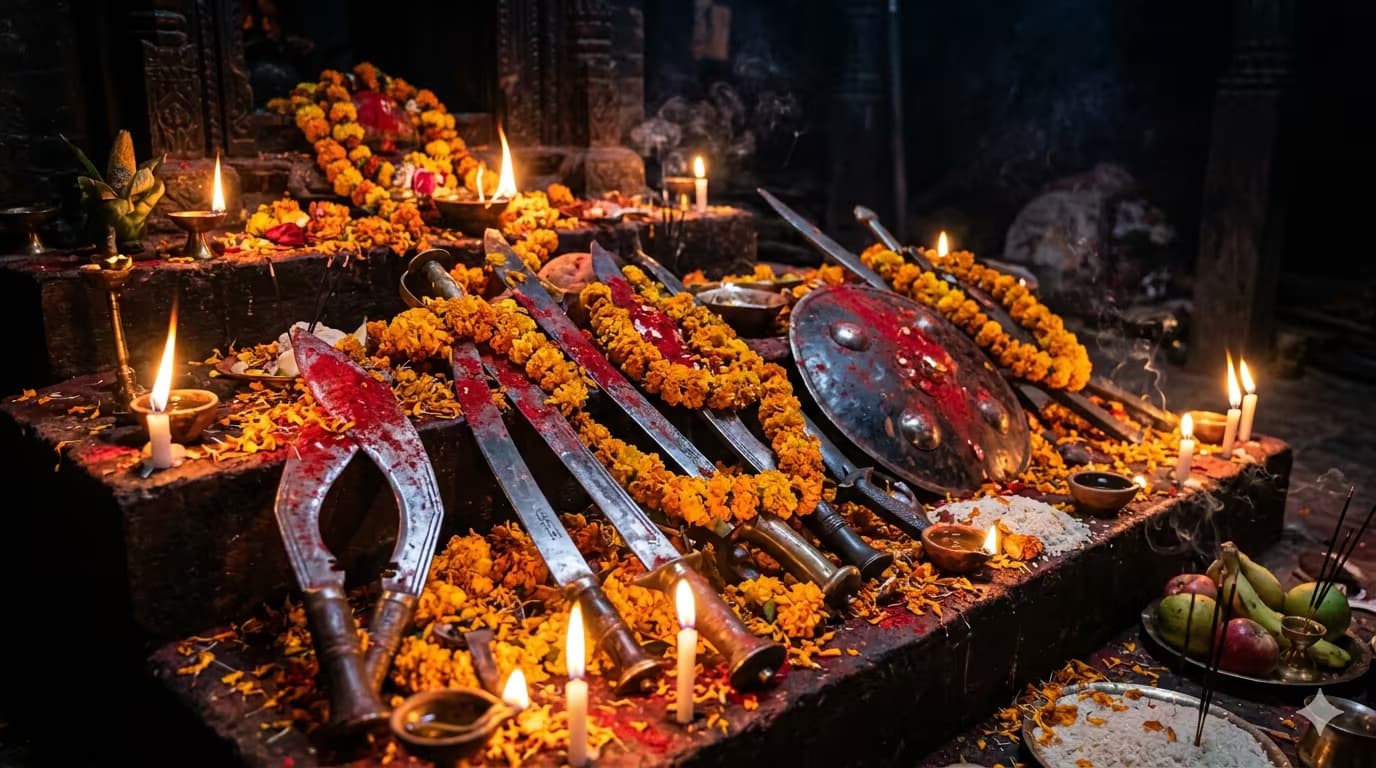
Vishwakarma — the divine architect of the gods, the craftsman who built Lanka for Ravana and forged Indra's thunderbolt — is worshipped on Navami in a tradition that runs alongside and through Dashain's martial emphasis. Where Khadga Puja on Ashtami consecrates weapons as divine instruments, Vishwakarma Puja on Navami extends this logic to every tool and machine: the carpenter's chisels, the farmer's plough, the mechanic's spanners, the factory's lathe, and — in modern Nepal — vehicles of every kind.
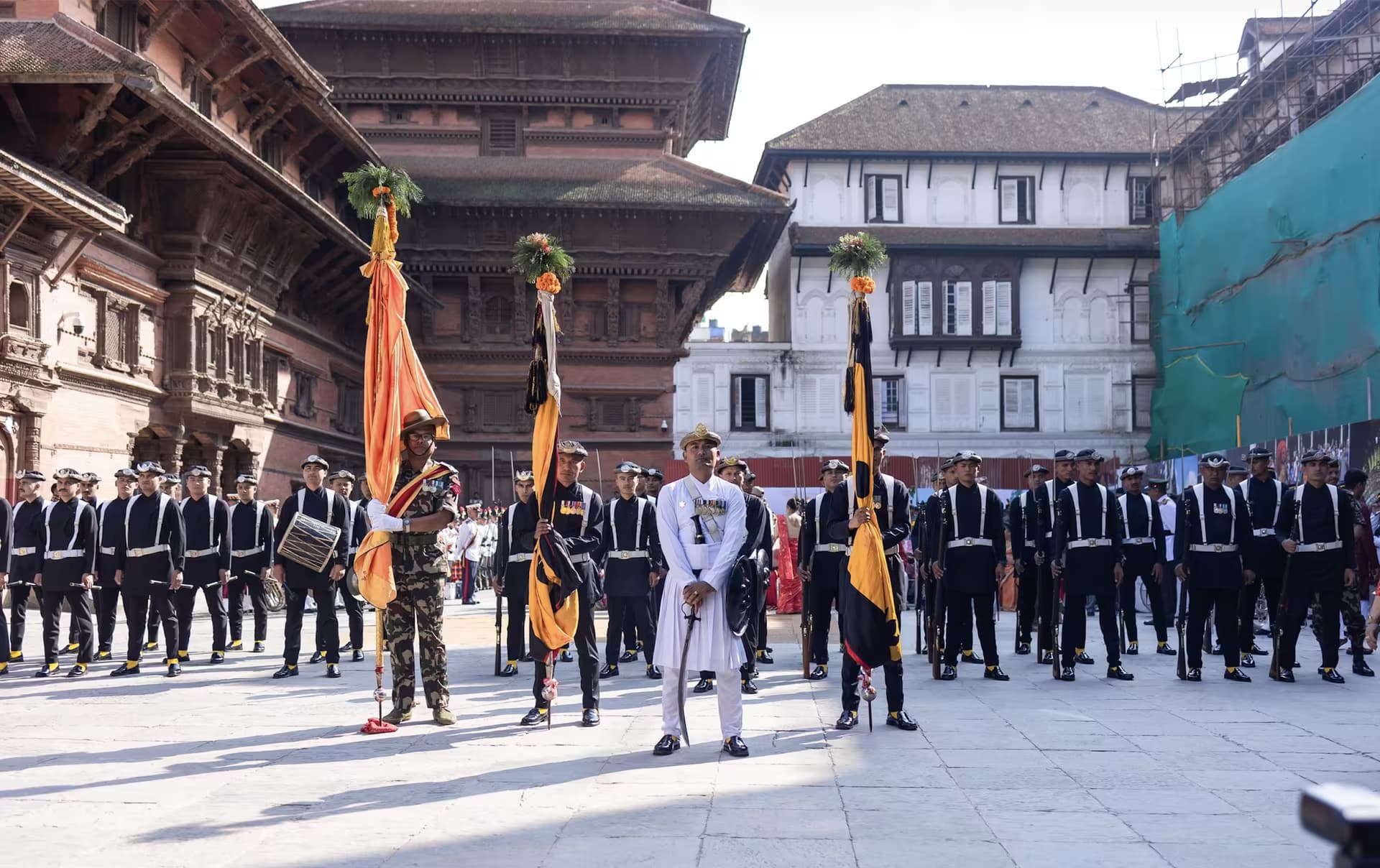
On Navami morning, workshops, garages, offices, and factories pause. Tools are cleaned, laid out, and worshipped: flowers placed on the engine block, tika applied to the dashboard, incense lit beside the welding equipment. The Nepal Army and Nepal Police conduct formal Vishwakarma pujas at their vehicle depots and armouries. Airlines and transport companies mark the occasion at their fleets.
The theology is precise: tools are not spiritually neutral. They extend human capacity; they are instruments through which the goddess's creative and productive power operates in the material world. To acknowledge Vishwakarma on Navami is to acknowledge the divine dimension of skilled work itself — craftsmanship, engineering, agriculture — and to enter Dashami with the full household economy consecrated and ready for the year ahead.
The Transition
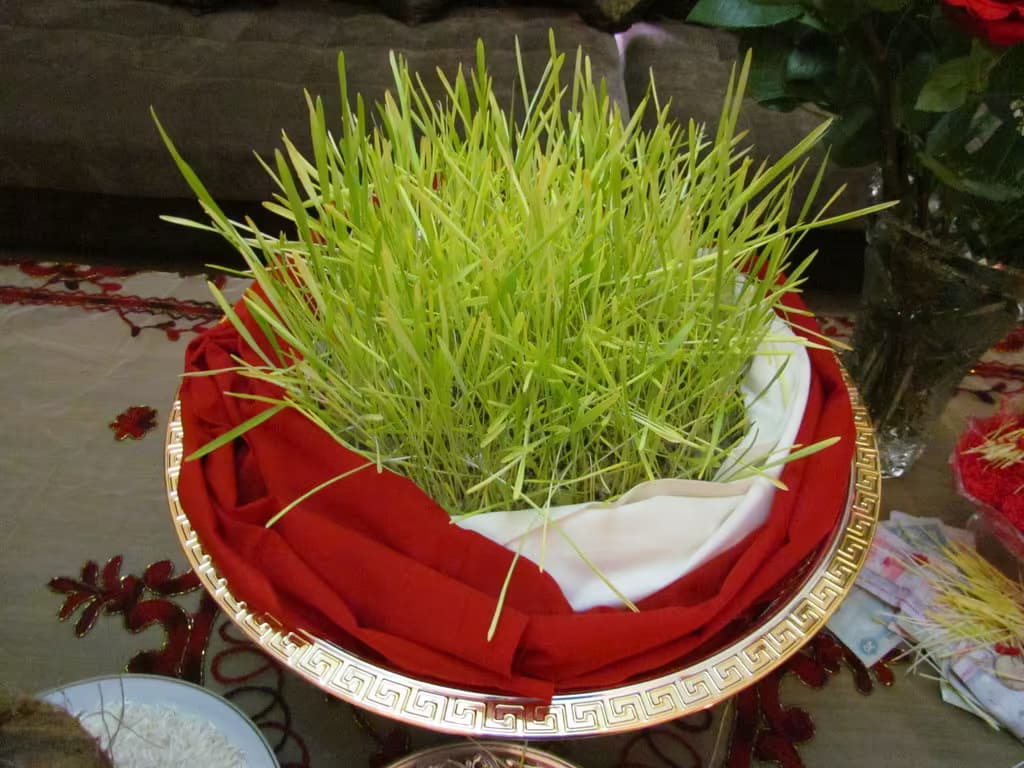
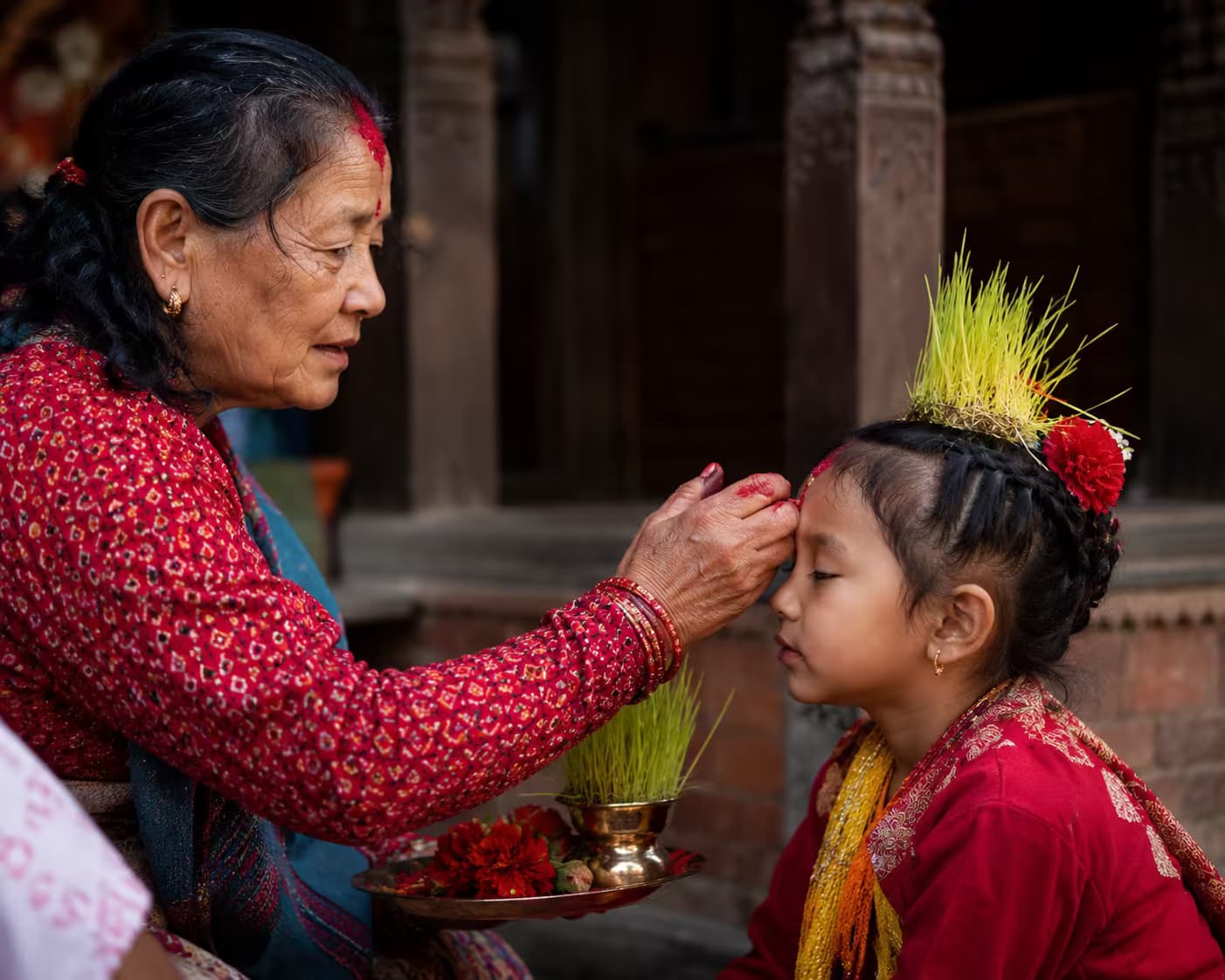
By the end of Navami, the festival's fierce and devotional dimensions are complete. What remains is celebration: the Dashami tika, the family reunion, the jamara cut and distributed. Navami night — the last night before Vijaya Dashami — is when households complete their final preparations, when the jamara in the puja room is checked for the last time, and when the oldest family members begin to arrange the tika materials for the morning.
Related
Connected places and entries worth pairing
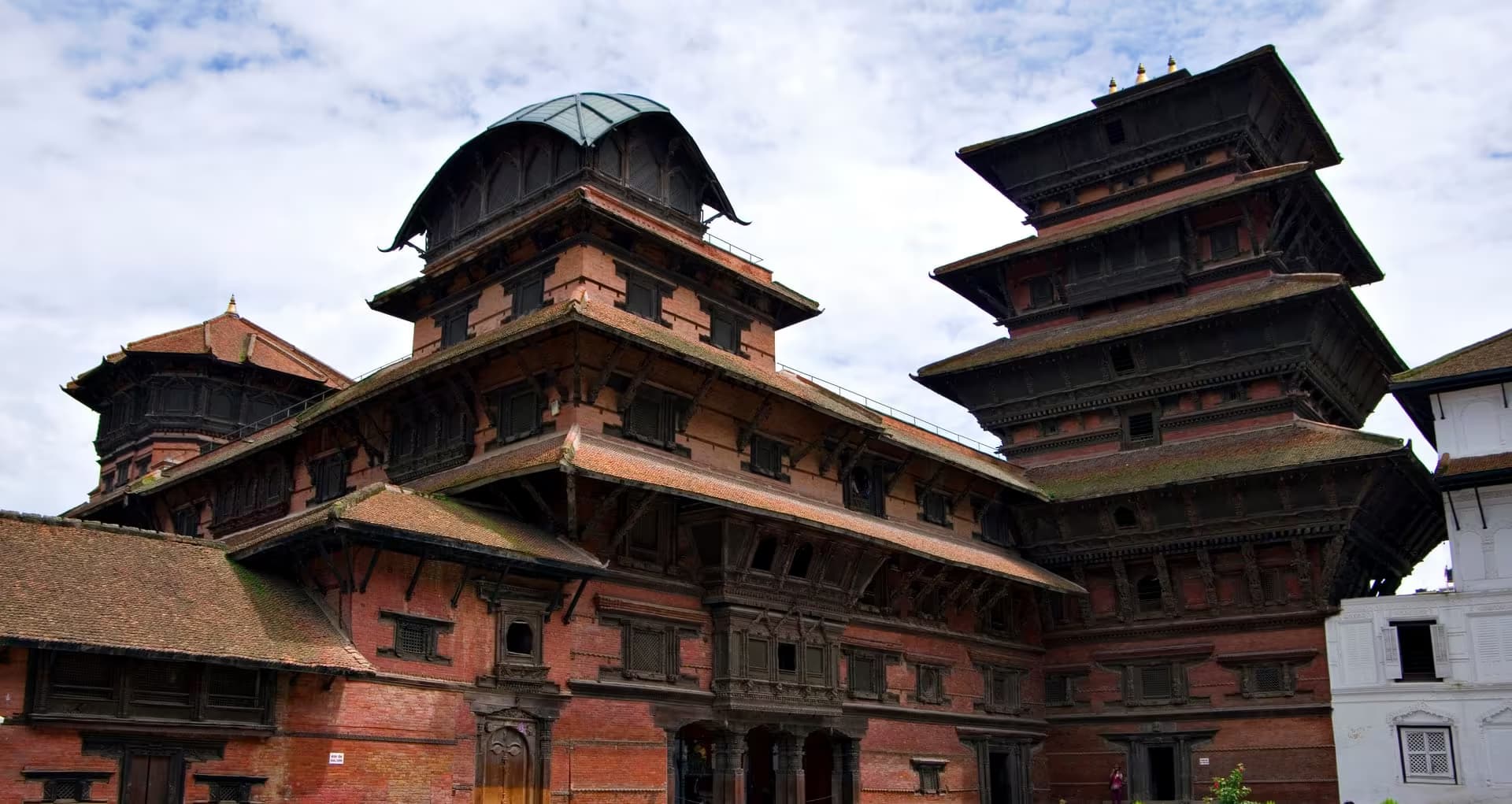
Kathmandu Durbar Square
Hanuman Dhoka takes the Fulpati arrival on the seventh day and the Kot sacrifices on Ashtami
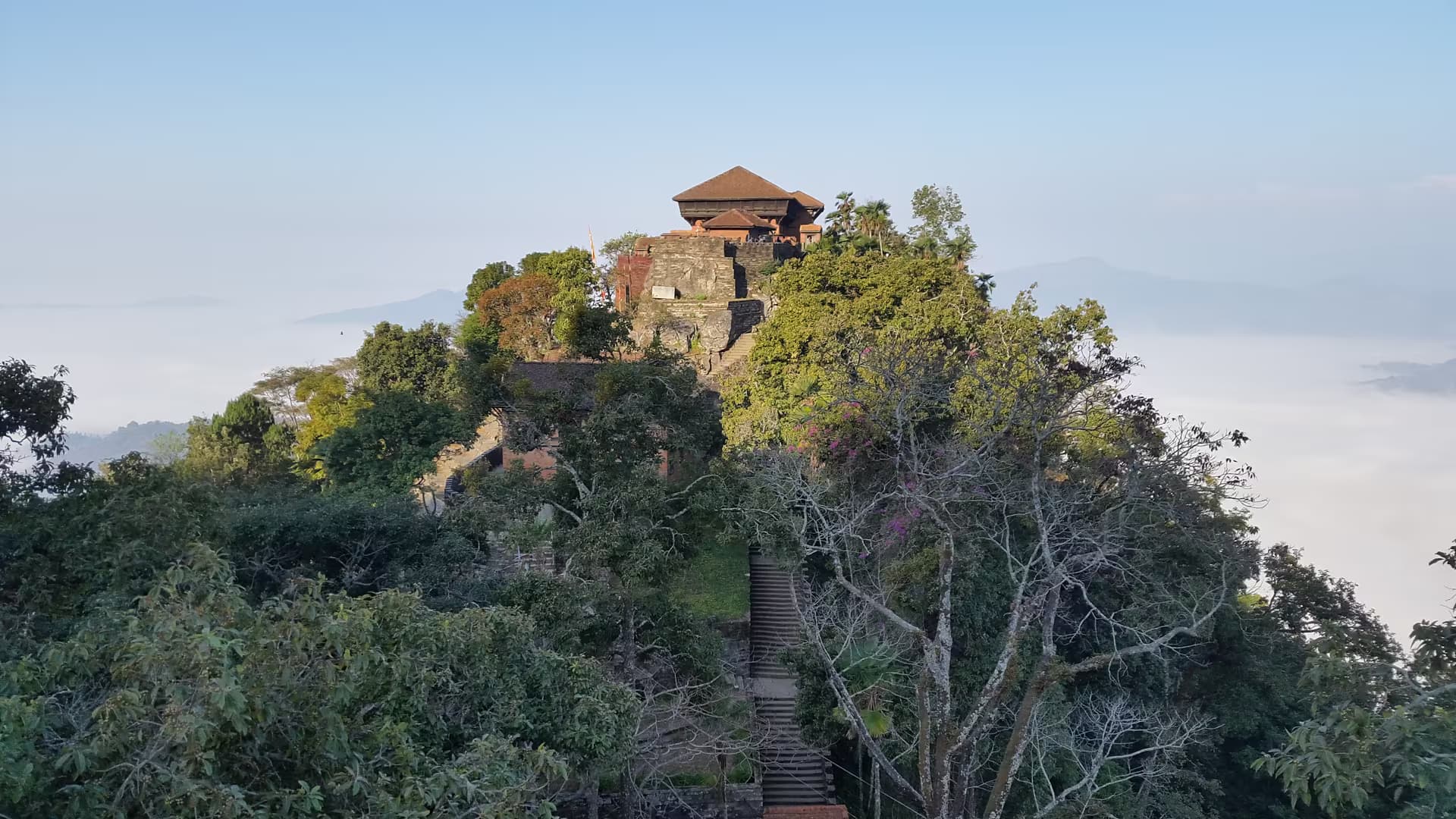
Gorkha Durbar
The origin point of the Fulpati procession, several days ahead of its arrival in Kathmandu
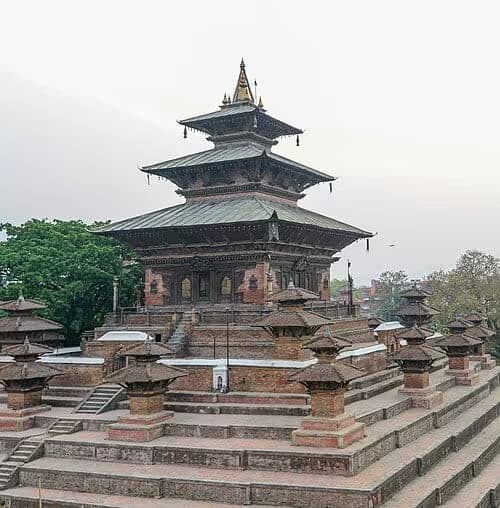
Taleju Temple
Closed to the public all year and open to Hindu devotees on Maha Navami
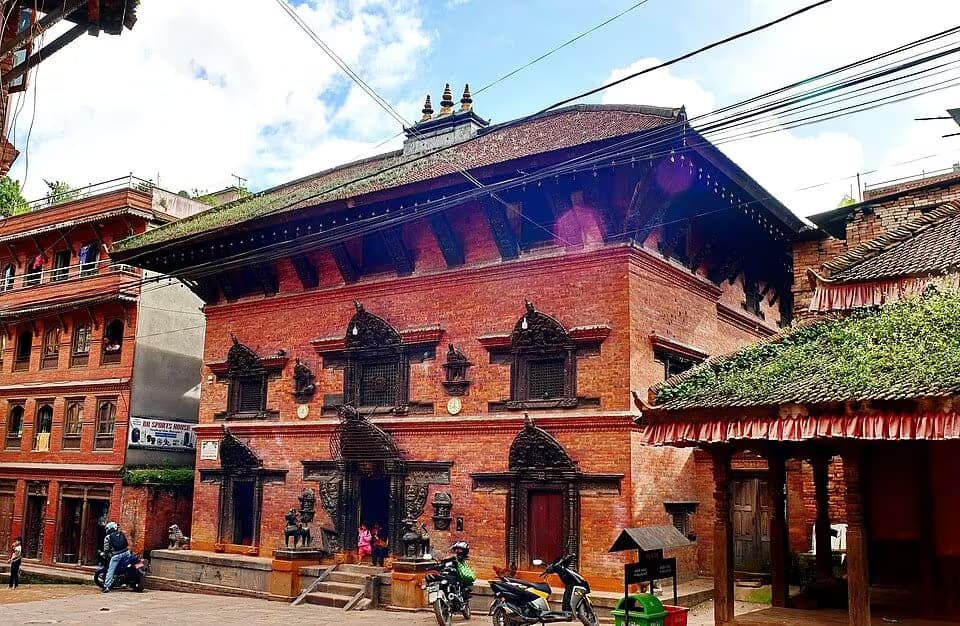
Navadurga Temple (Nava Durga Dyo Chhen)
Works through the nine forms of Durga in exactly the Navaratri cycle
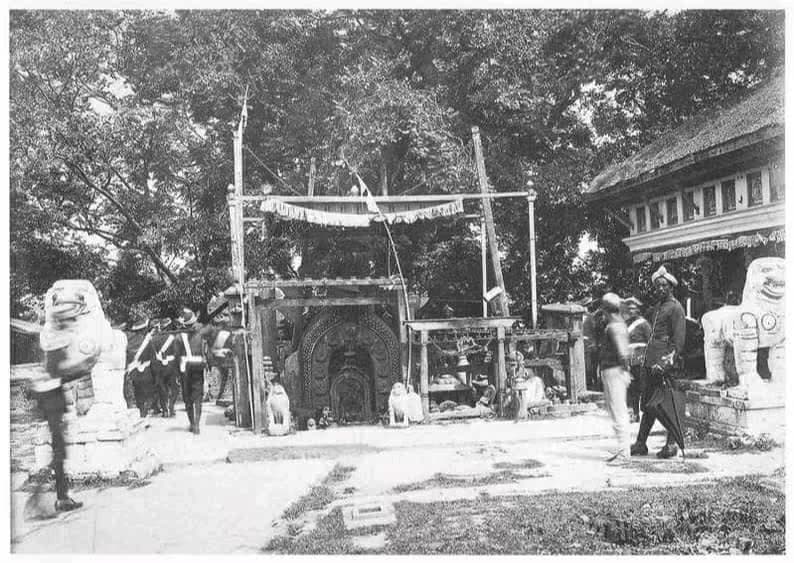
Bhadrakali Temple
On the valley's Navaratri circuit
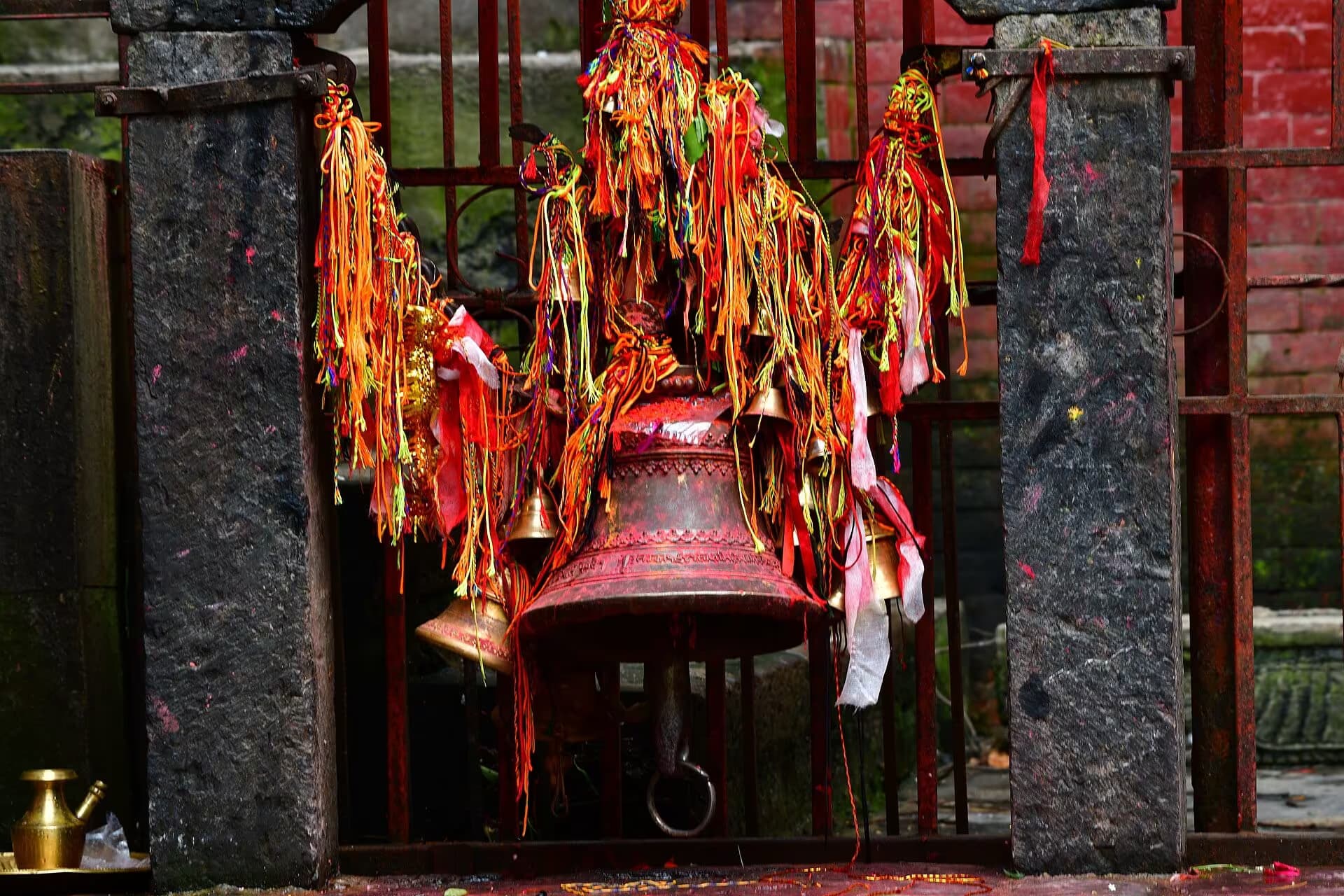
Dakshinkali Temple
The valley's principal sacrifice site, at its most crowded during Dashain
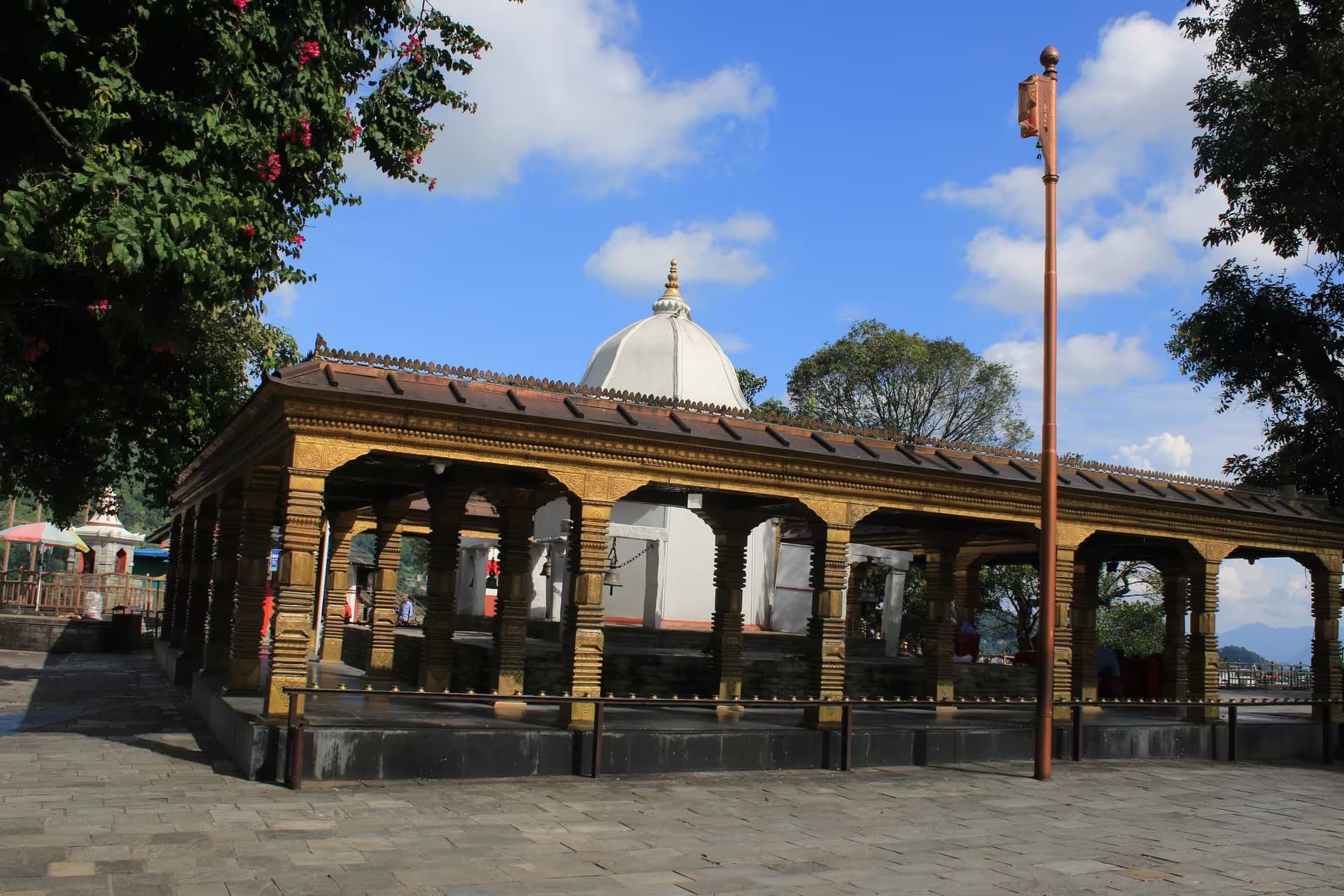
Bindhyabasini Temple
Pokhara's Dashain focus, outside the valley
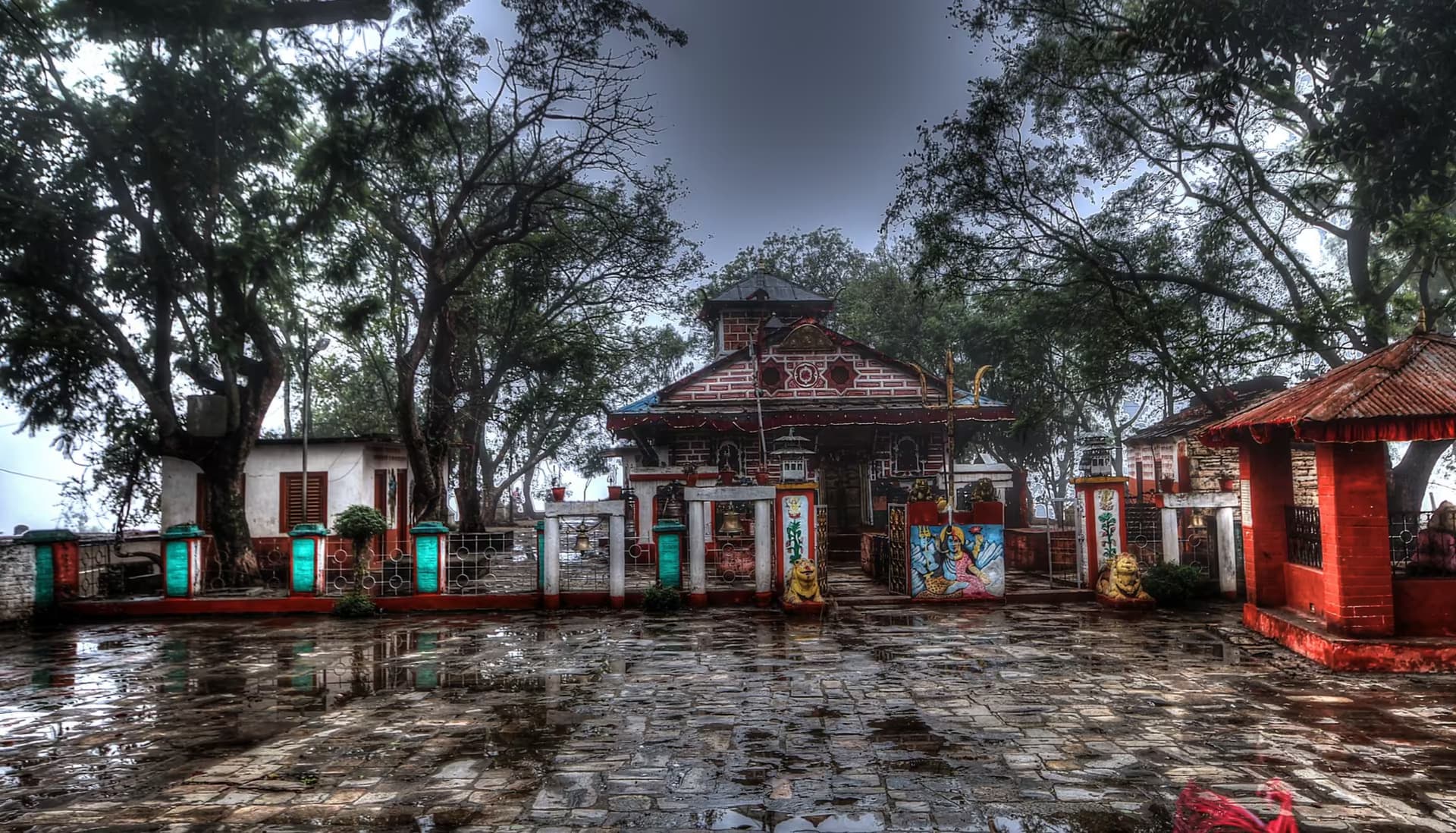
Doti (Silgadhi)
Navaratri and Dashain observances in the far west
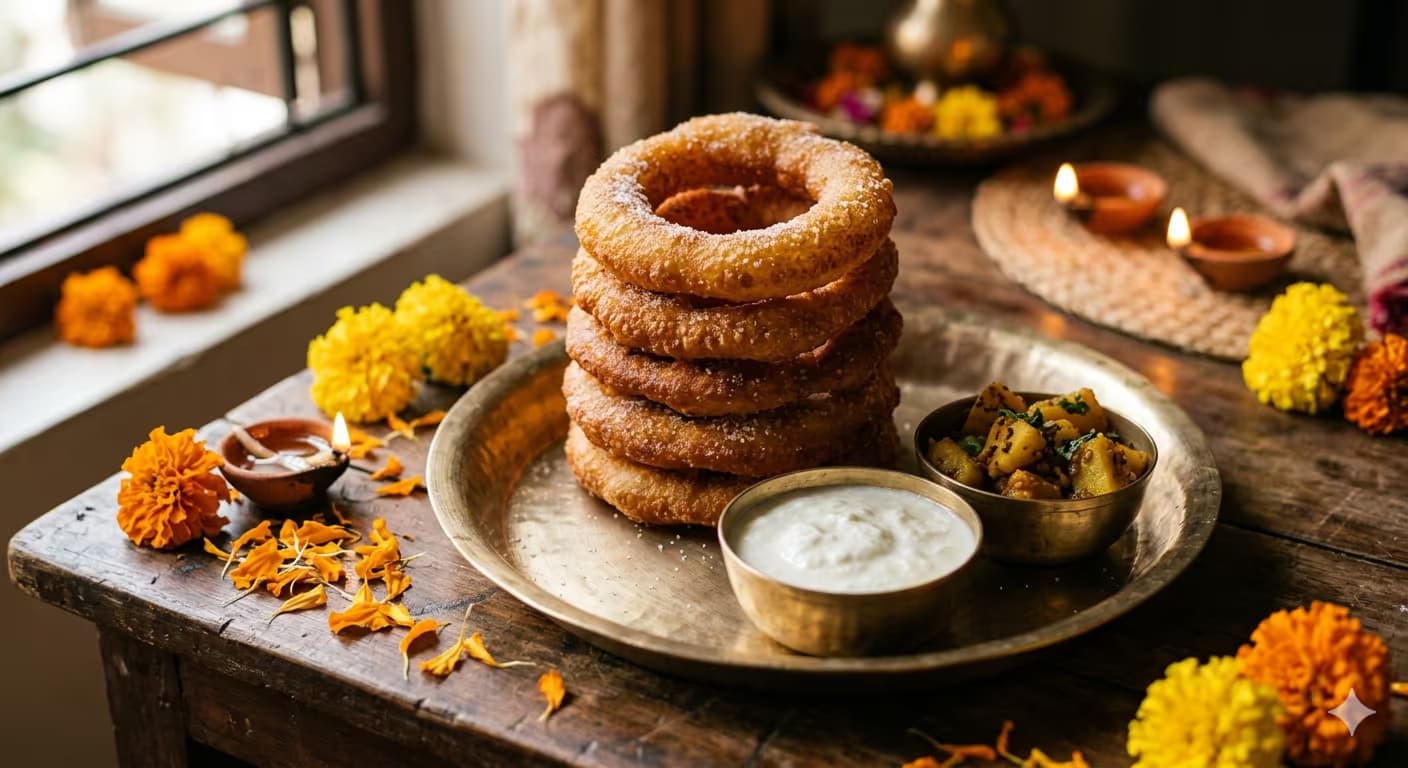
Sel Roti
Made in every household across the Dashain and Tihar season
Part of Dashain (Vijaya Dashami)