Nine Nights, One Goddess
Navaratri — Sanskrit for "nine nights" — is the devotional framework inside which Dashain's rituals unfold. The ten days of Dashain map onto the classical Navaratri cycle: nine nights of worship for nine manifestations of the goddess Durga, culminating on the tenth day (Dashami / Vijaya Dashami) with the celebration of her victory.
The nine forms — Navadurga — each represent an aspect of divine feminine power:
- Shailaputri — Daughter of the Himalayas; the goddess rooted in the earth
- Brahmacharini — The ascetic; spiritual discipline and renunciation
- Chandraghanta — The moon-bearer; courage and readiness for battle
- Kushmanda — Creator of the universe with her smile; cosmic energy
- Skandamata — Mother of Skanda (Kartikeya); nurturing fierce love
- Katyayani — The warrior form; divine wrath against injustice
- Kalaratri — The dark night goddess; associated with Maha Ashtami's intensity
- Mahagauri — The radiant white goddess; purity and forgiveness
- Siddhidatri — Bestower of supernatural powers; the liberated form
Practice
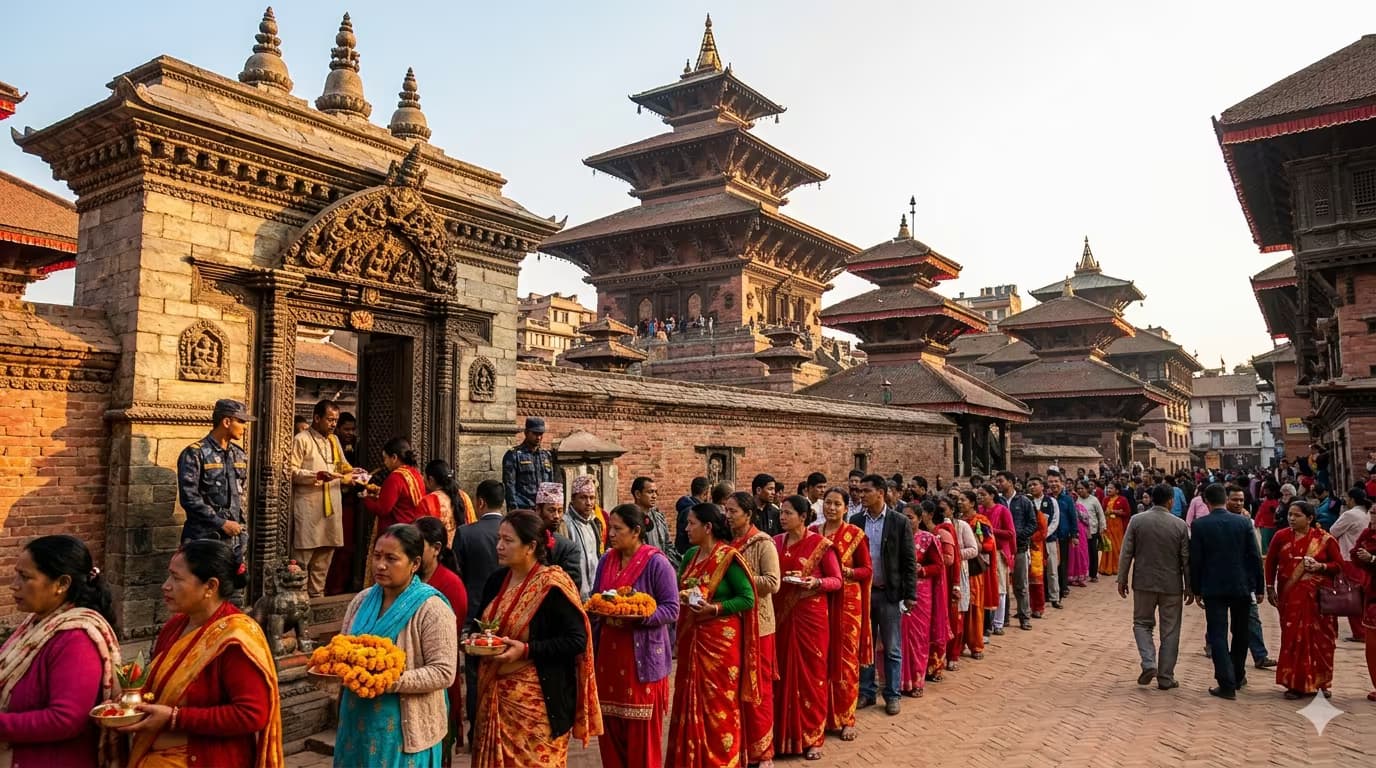
Devotees observe Navaratri through a range of practices depending on their tradition and capacity. The most committed fast completely or take only fruit and milk for all nine days. Others fast on the most auspicious days (Ashtami, Navami) and eat normally otherwise. Daily temple visits — particularly to Durga, Kali, and Kumari shrines — are standard.
In homes, the Devi Mahatmyam (also called Durga Saptashati or Chandi Path) — a Sanskrit text narrating Durga's conquest of the buffalo-demon Mahishasura — is recited over the nine nights, ideally in its entirety. Priests and devoted families undertake the full recitation; others read selected passages. The text is understood not merely as narrative but as mantra: the recitation itself carries protective power.
The Goddess's Victory
The story at Navaratri's centre is Durga's defeat of Mahishasura, the buffalo-demon who had conquered the three worlds. When gods and demons alike failed to subdue him, the gods pooled their collective power and produced Durga — a goddess more powerful than any of them individually. Her victory on the tenth day is Vijaya Dashami (victory tenth): the day that ends the nine nights and opens the celebration.
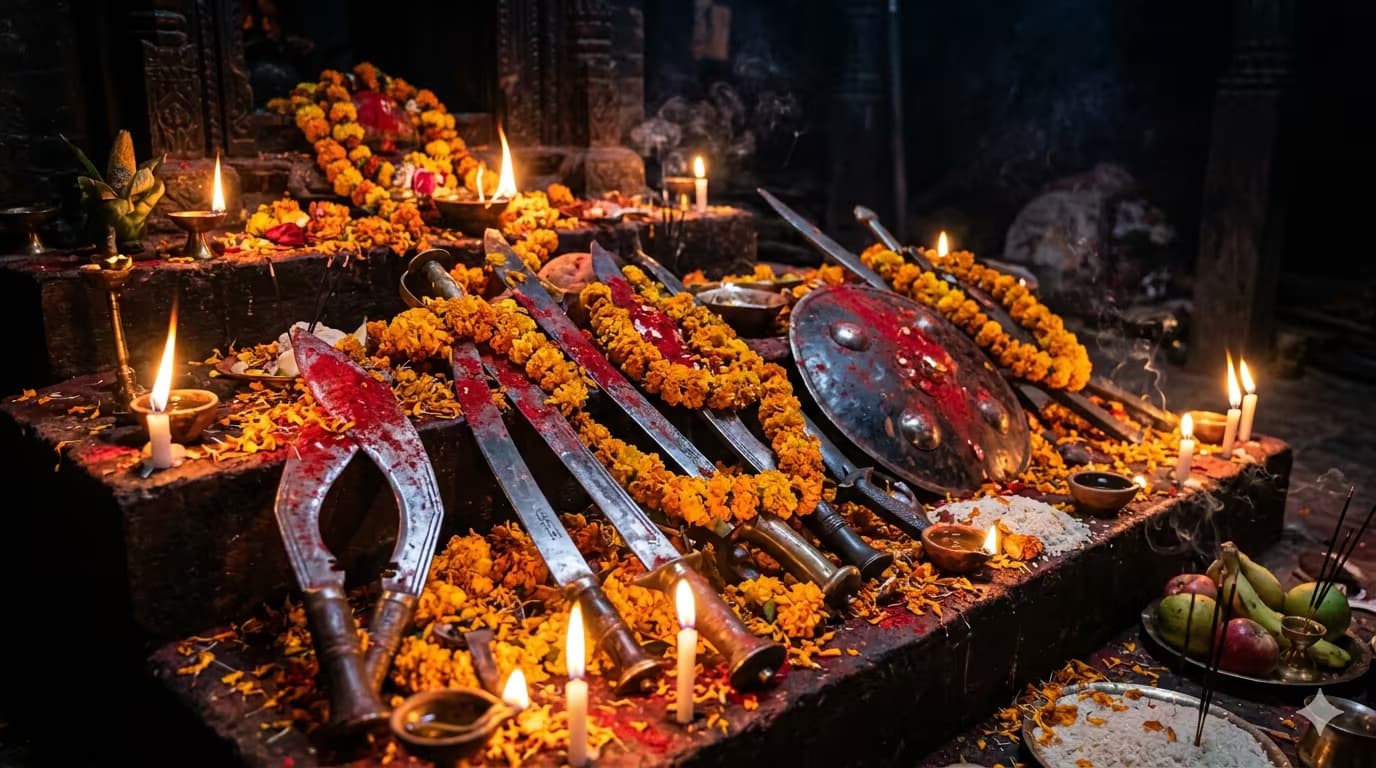
In the Kathmandu Valley, this narrative is enacted with unusual literalness: the sacrifices of buffaloes at Maha Ashtami re-enact Durga's slaying of Mahishasura. The animal's death is understood as a ritual participation in the cosmic event described in the text.
The Newar Layer
For Newar communities, Navaratri carries an additional dimension through the concept of Navadurga — nine goddess shrines that encircle specific towns (most famously Bhaktapur, with its Navadurga Dyah temple and dancer tradition). Dashain activates the entire Navadurga geography simultaneously: devotees visit all nine shrines during the festival period, a pilgrimage circuit that maps the goddess's presence onto the physical terrain of the valley.
Related
Connected places and entries worth pairing
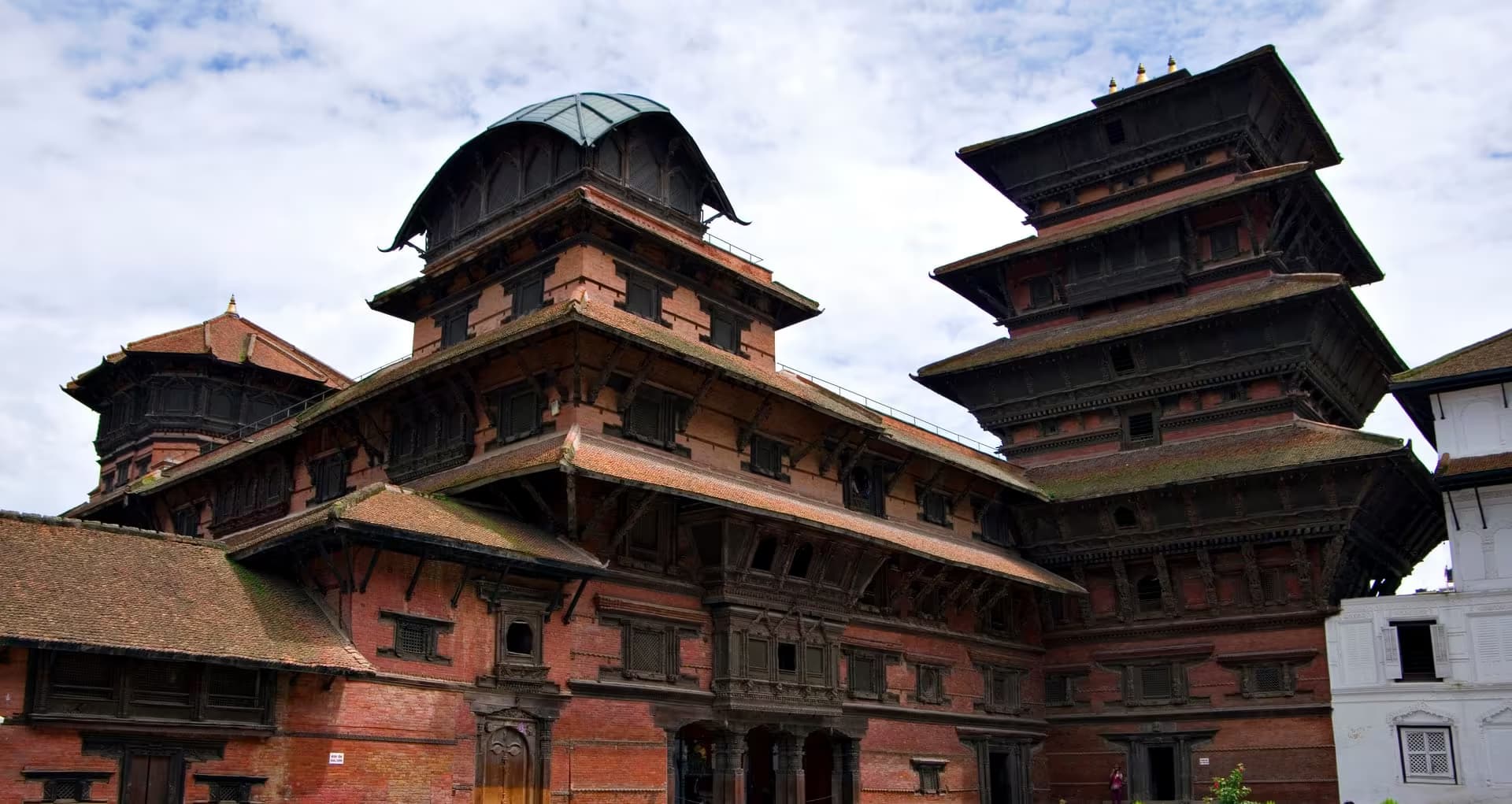
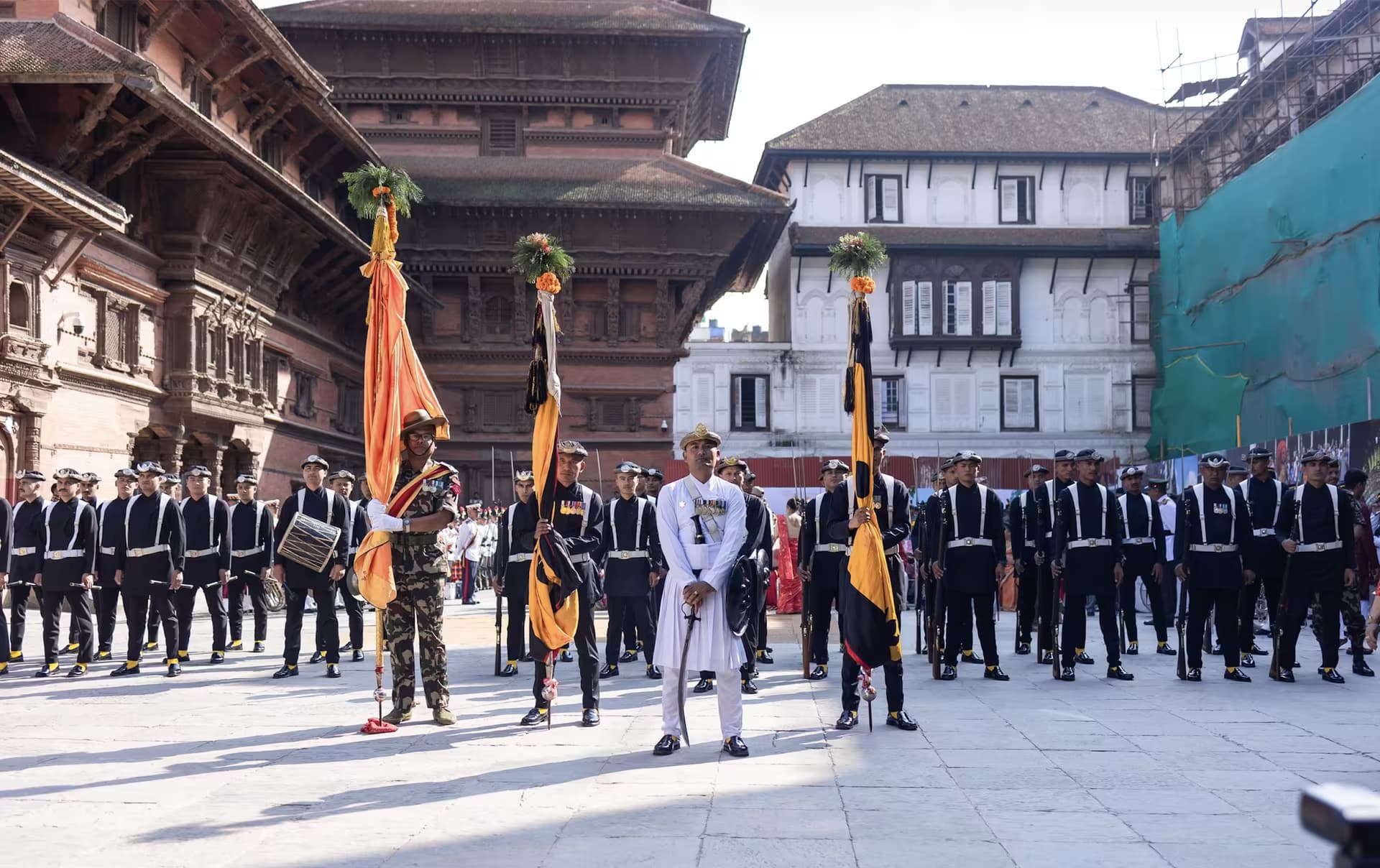
Kathmandu Durbar Square
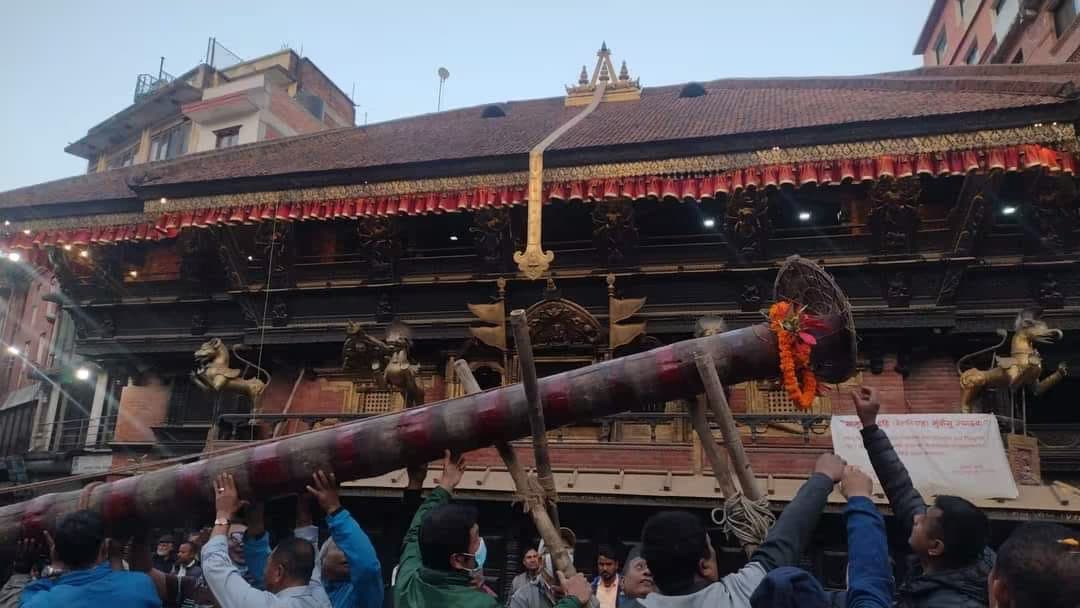
Hanuman Dhoka takes the Fulpati arrival on the seventh day and the Kot sacrifices on Ashtami
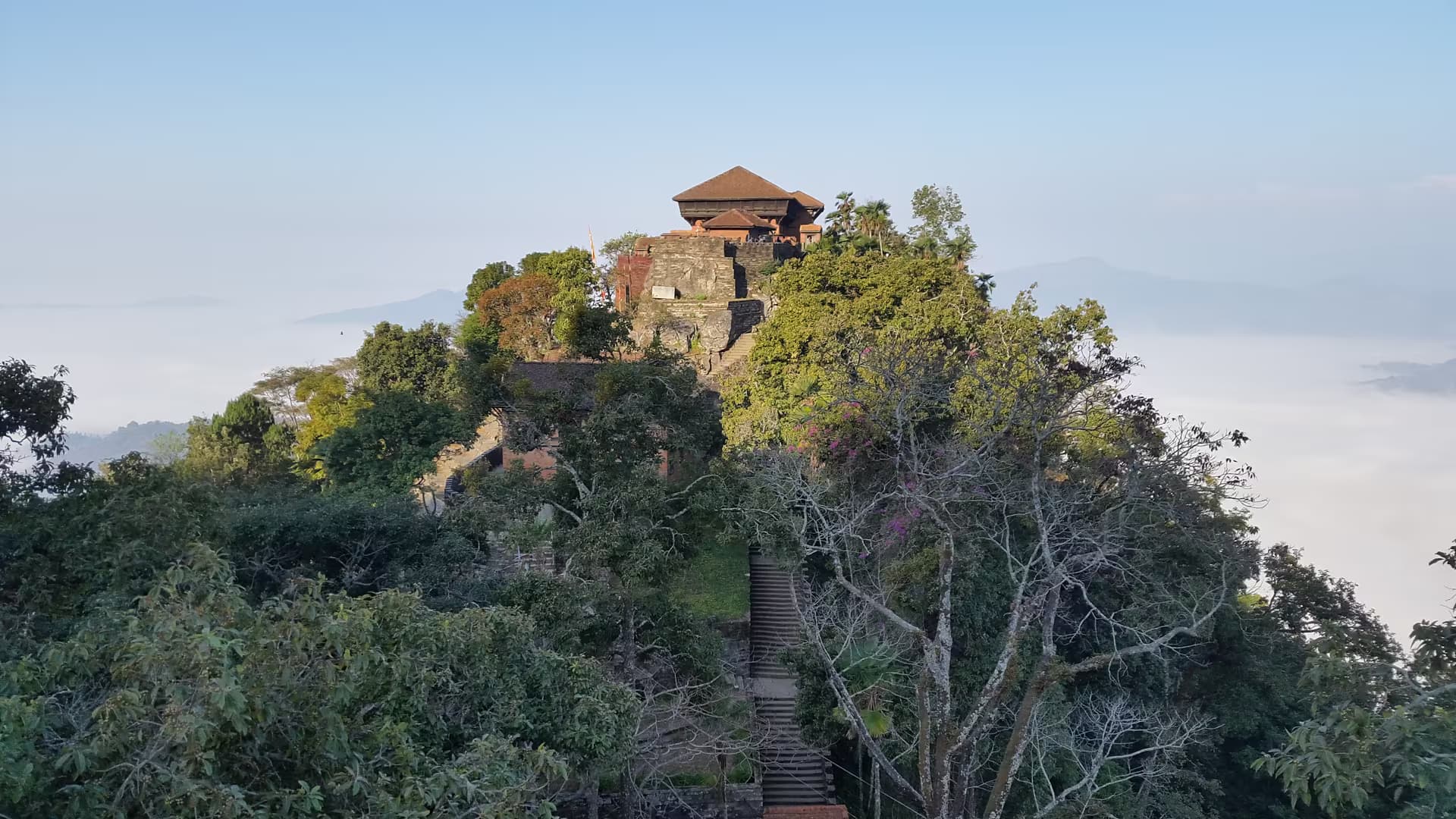
Gorkha Durbar
The origin point of the Fulpati procession, several days ahead of its arrival in Kathmandu
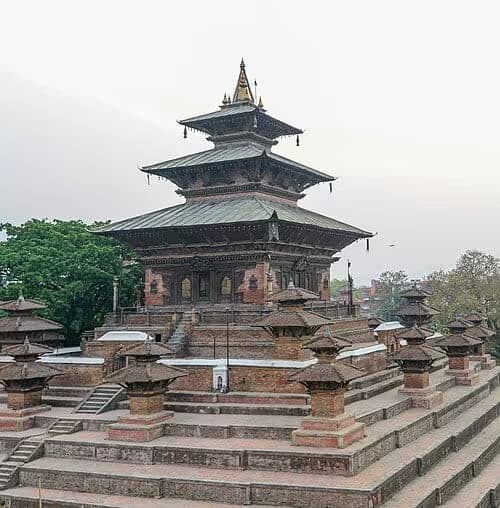
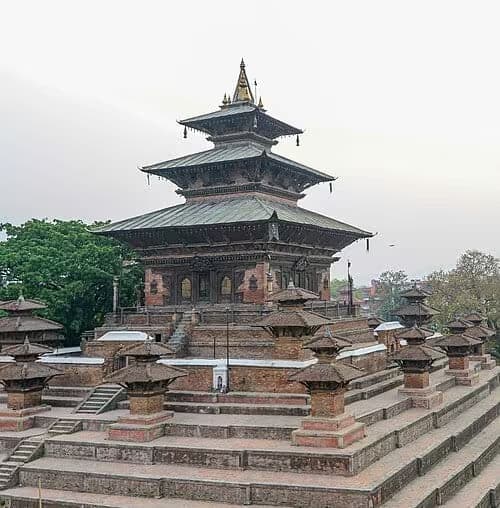
Taleju Temple
Closed to the public all year and open to Hindu devotees on Maha Navami
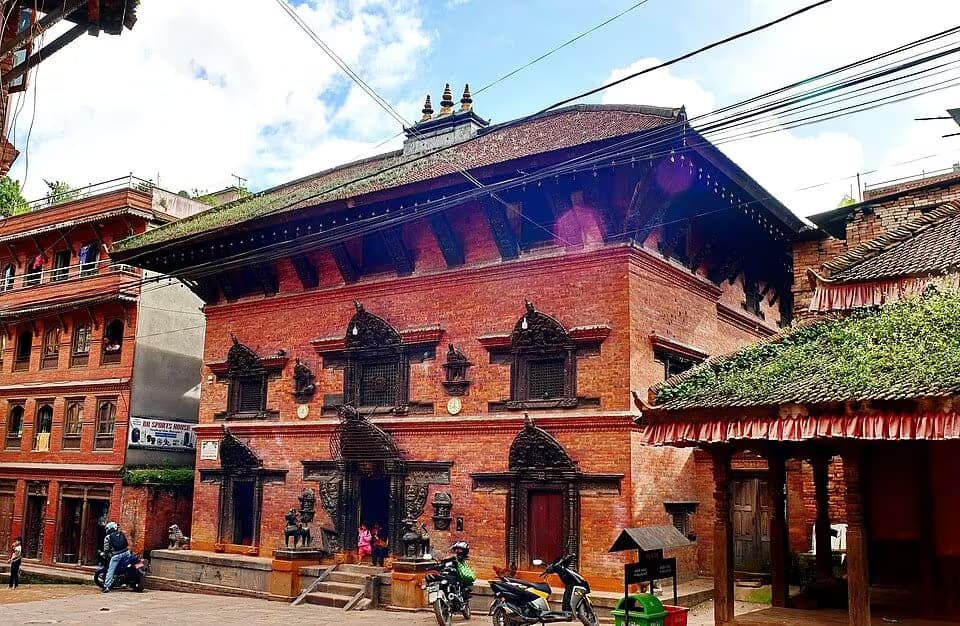
Navadurga Temple (Nava Durga Dyo Chhen)
Works through the nine forms of Durga in exactly the Navaratri cycle
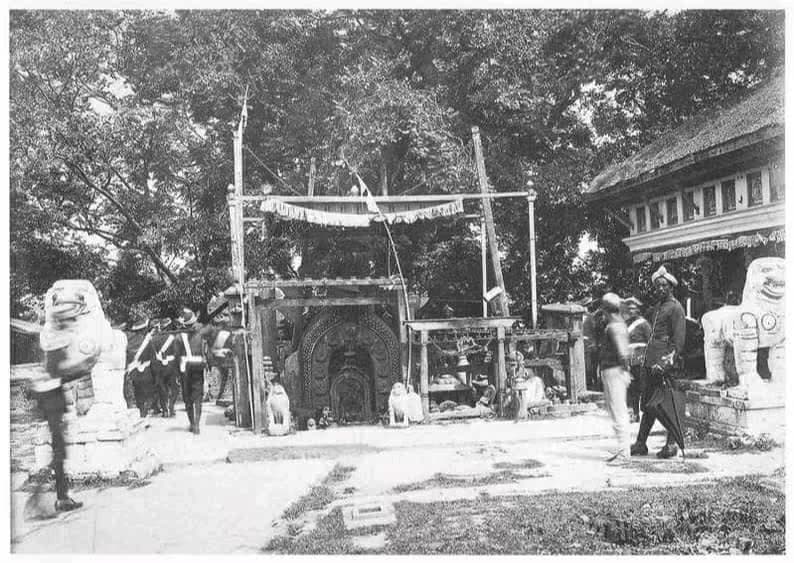
Bhadrakali Temple
On the valley's Navaratri circuit
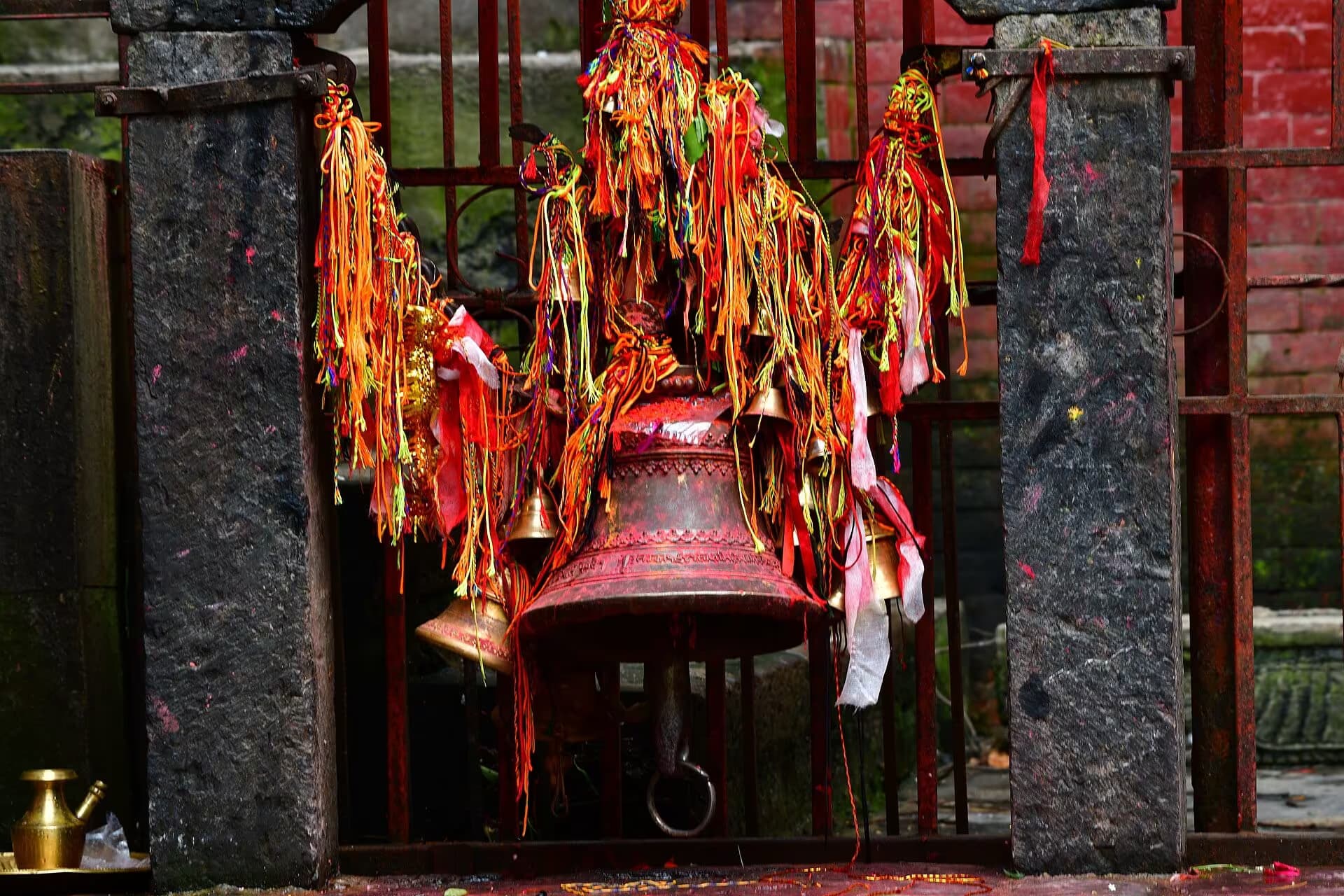
Dakshinkali Temple
The valley's principal sacrifice site, at its most crowded during Dashain
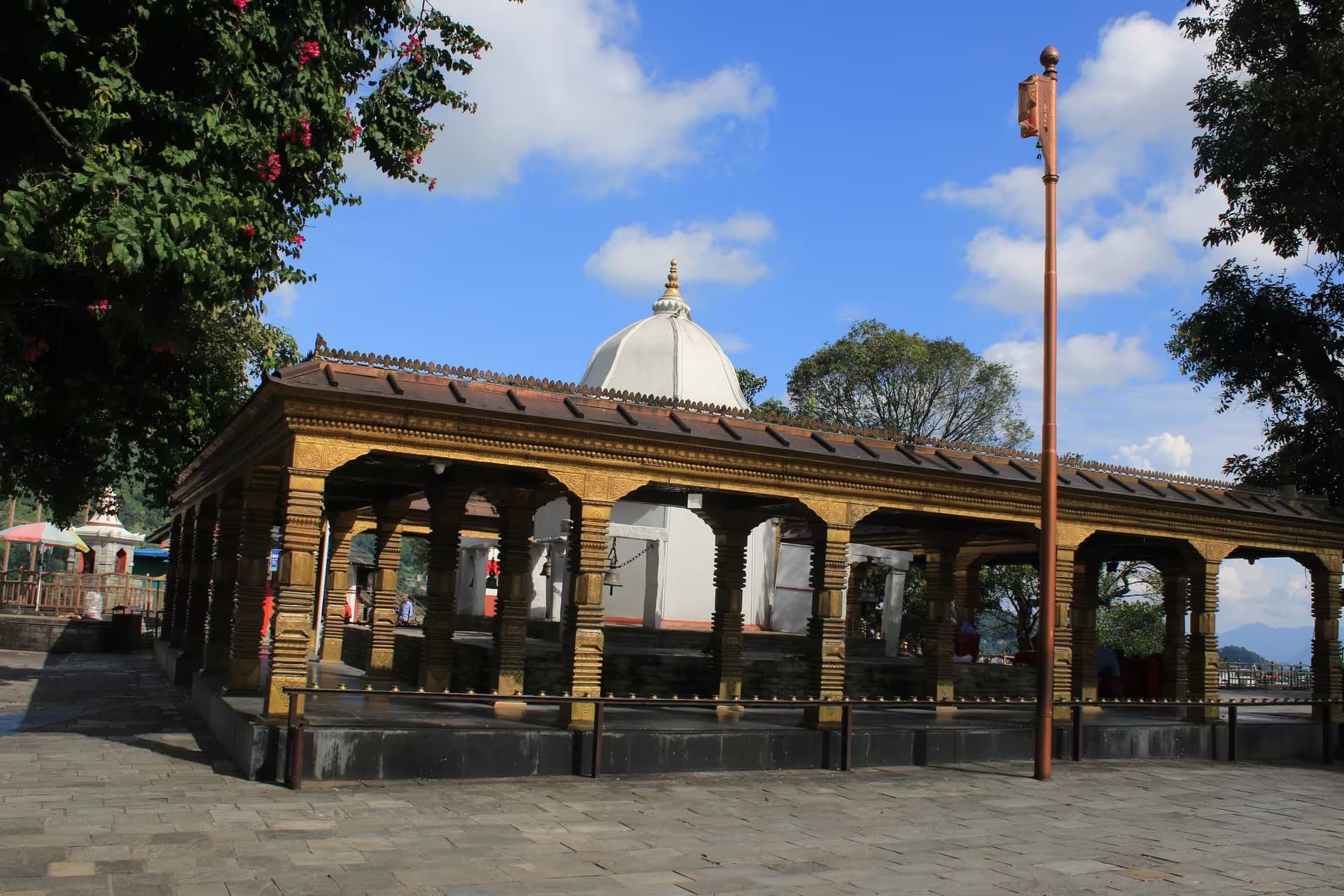
Bindhyabasini Temple
Pokhara's Dashain focus, outside the valley
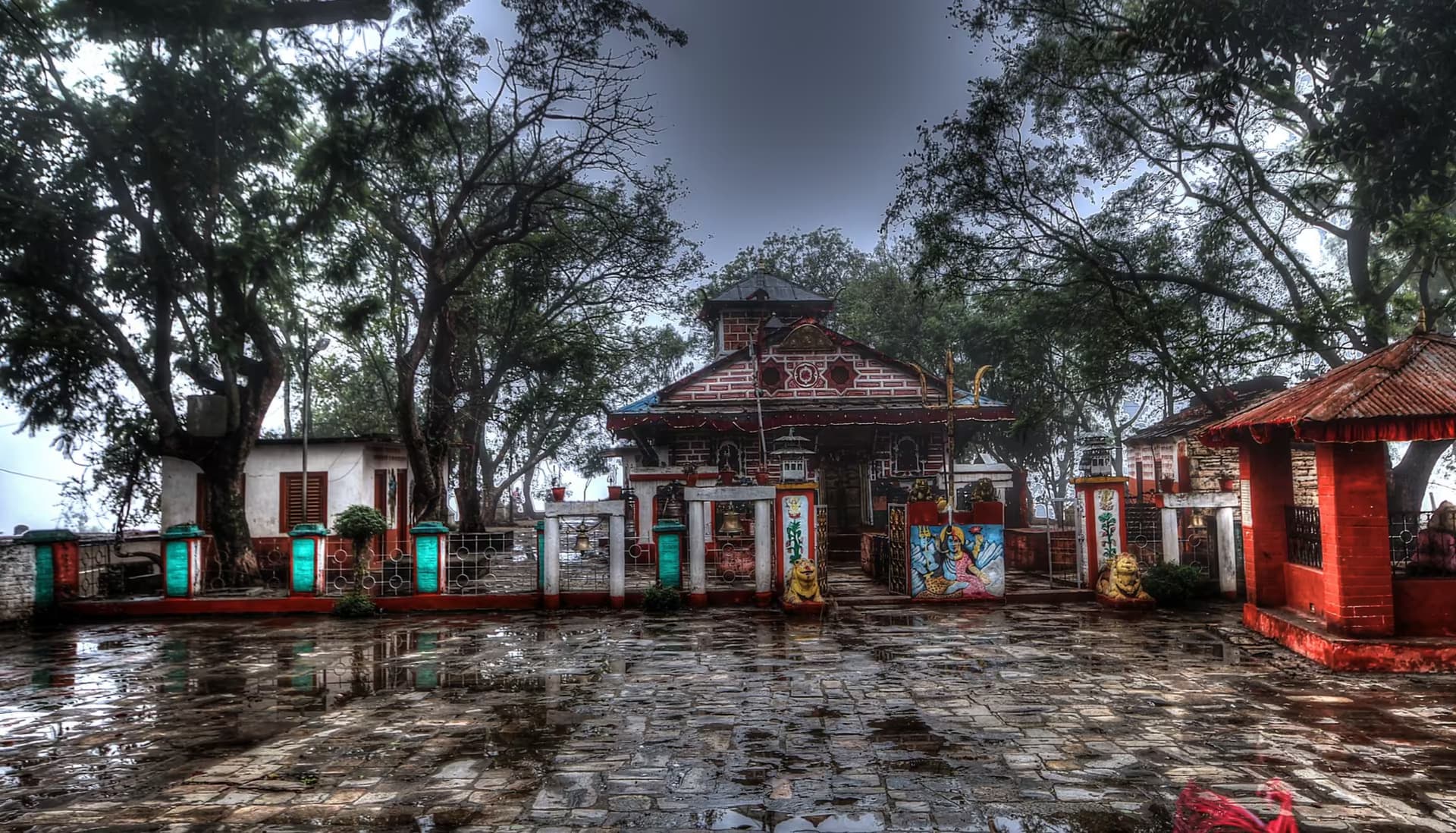
Doti (Silgadhi)
Navaratri and Dashain observances in the far west
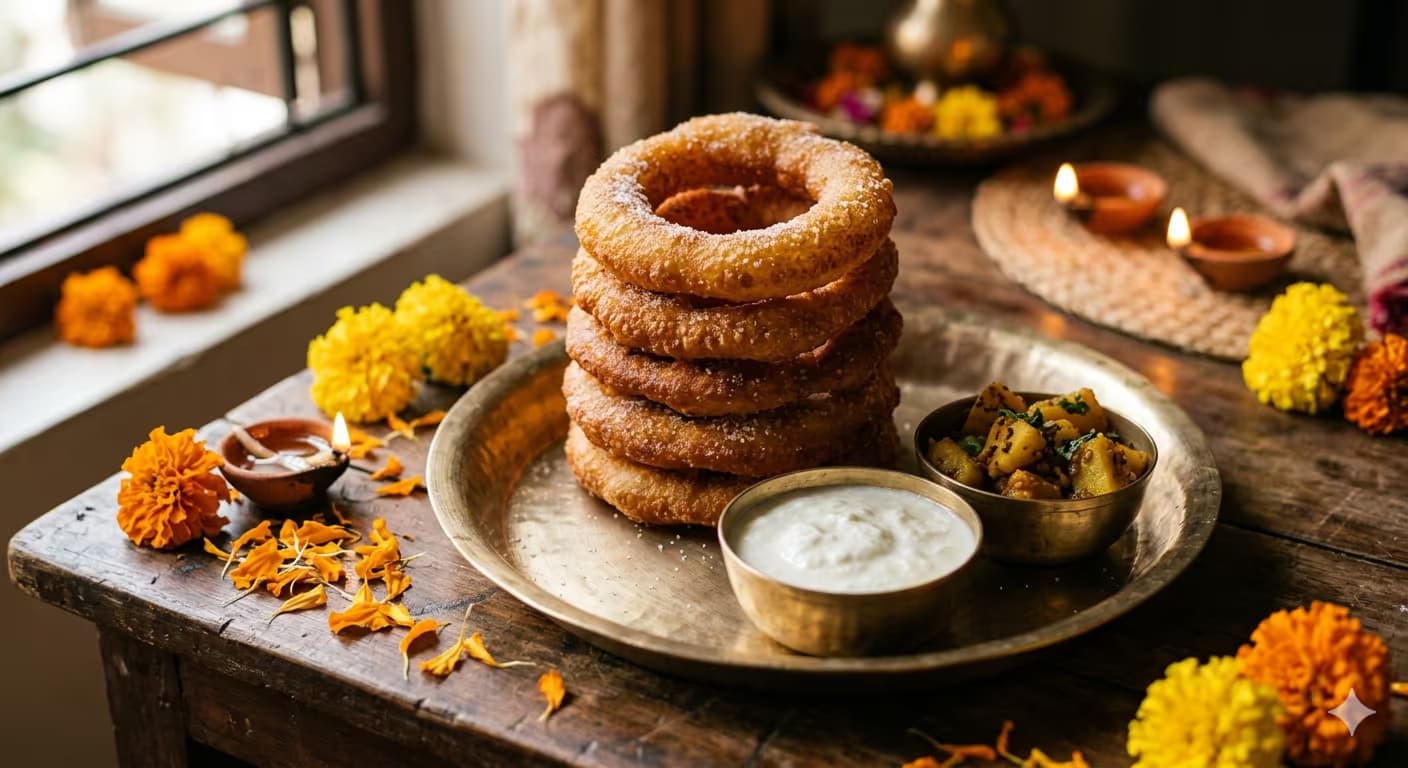
Sel Roti
Made in every household across the Dashain and Tihar season
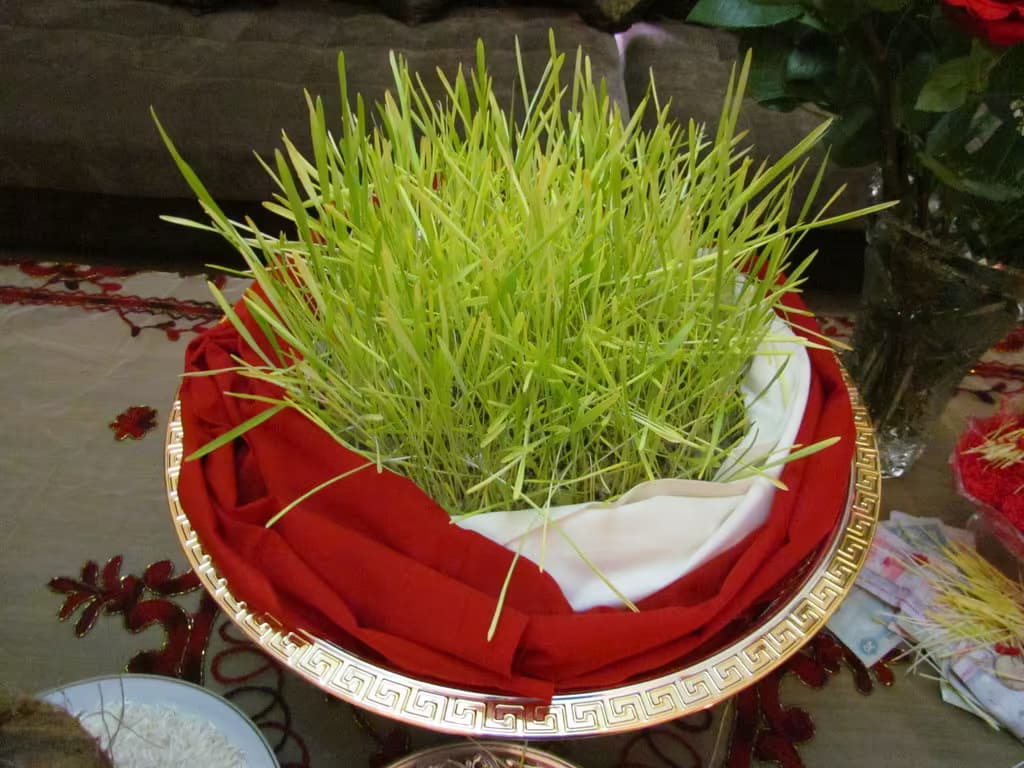
Part of Dashain (Vijaya Dashami)