Kalratri: The Dark Night
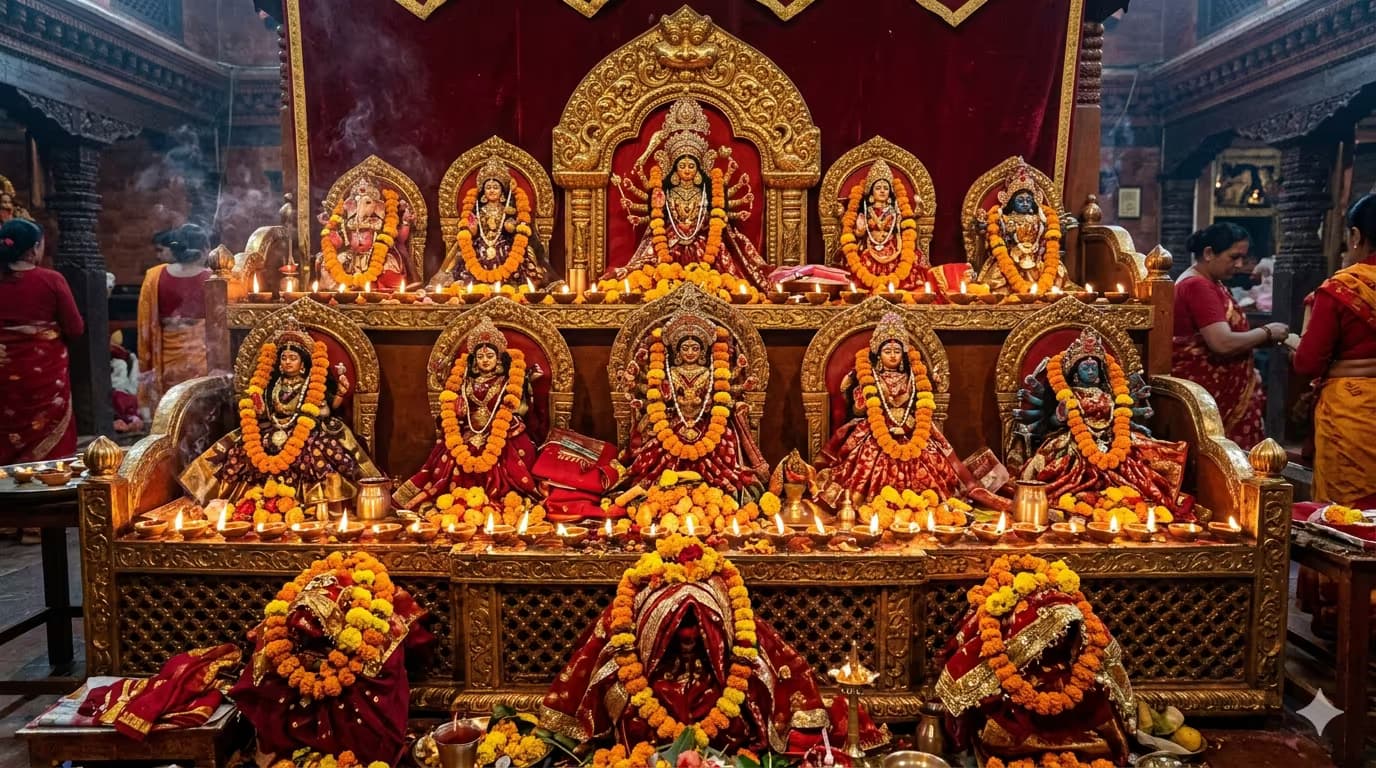
Maha Ashtami — the eighth day, the night called Kalratri (night of Kali) — is the pivot on which Dashain turns. After seven days of gradual intensification, the eighth night brings the festival to its most concentrated and ritually demanding moment. The goddess Kalaratri (seventh of the nine Navadurga forms) presides: dark, fierce, skull-garlanded, the destructive face of divine power before the victory of Dashami can occur.
Sacrifices at Kot
The most dramatic expression of Maha Ashtami occurs at the Kot — the courtyard of the old Nepal Army headquarters adjacent to Hanuman Dhoka — and at the army barracks at Tundikhel. Buffalo and goat sacrifices are performed in numbers that were historically enormous (royal traditions described hundreds of animals) and remain significant today. The sacrifice re-enacts Durga's slaying of Mahishasura: the buffalo's death is simultaneously an offering to the goddess and a participation in her cosmic act.
Similar sacrifices occur across the valley — at Taleju Temple, at the Kot, at barracks and government offices — and in temples across Nepal. At the community level, goats are sacrificed at local Durga shrines; families that maintain the tradition sacrifice animals at their own courtyards or at local temples. The scale ranges from the single goat of a modest household to the large numbers at state venues.
Khadga Puja: Consecrating the Weapon
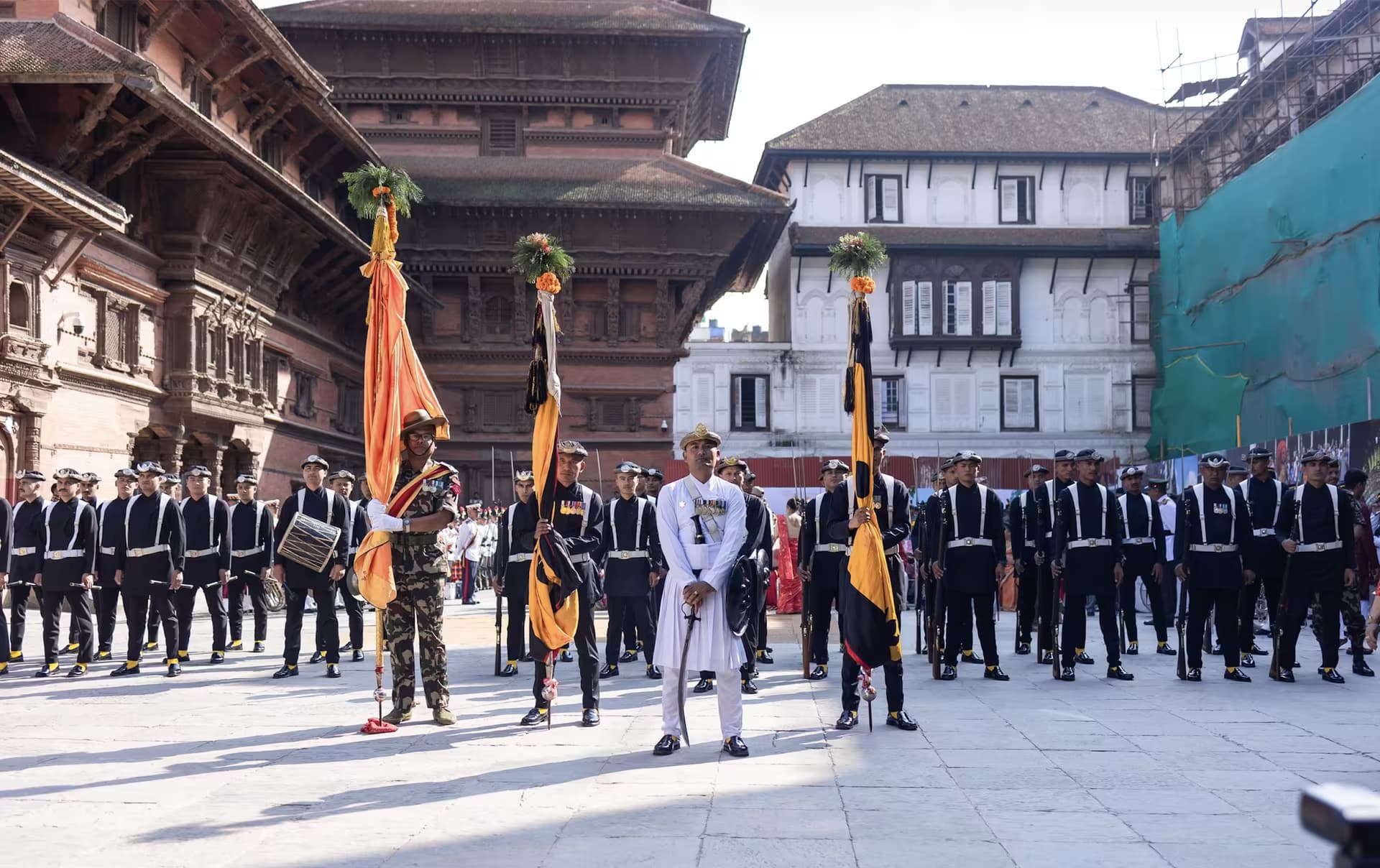
Parallel to the animal sacrifices, Khadga Puja — worship of the sword — is performed at army units, police stations, government offices, and temples associated with martial tradition. Swords, rifles, and in modern practice, military vehicles and aircraft, are anointed with vermillion, decorated with flowers, and worshipped as extensions of the goddess's power.
The theological basis is precise: weapons are not morally neutral tools but vessels of Shakti — the goddess's active power — which must be acknowledged and consecrated. A sword that has been through Khadga Puja carries a different weight than one that has not. This logic extends naturally to firearms, vehicles, and any instrument of force: the Nepal Army's annual Khadga Puja of its equipment is a state ceremony, photographed and covered by national media.
In civilian life, Khadga Puja is adapted: kitchen knives, axes, and farm tools may be worshipped on Ashtami by households that observe the tradition. The goddess's domain is not only the battlefield.
Navami: The Final Night
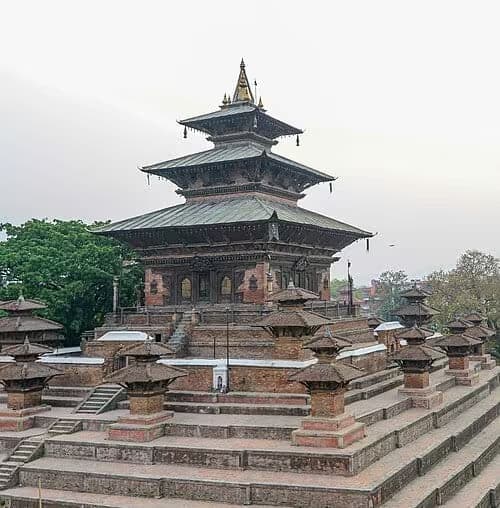
The ninth night (Navami) continues with sacrifices at Taleju Temple and other major shrines. Priests perform all-night rituals; the most dedicated devotees maintain vigil. By dawn of Navami, the festival's fierce dimension is complete — what follows on Dashami is celebration, not propitiation.
Related
Connected places and entries worth pairing
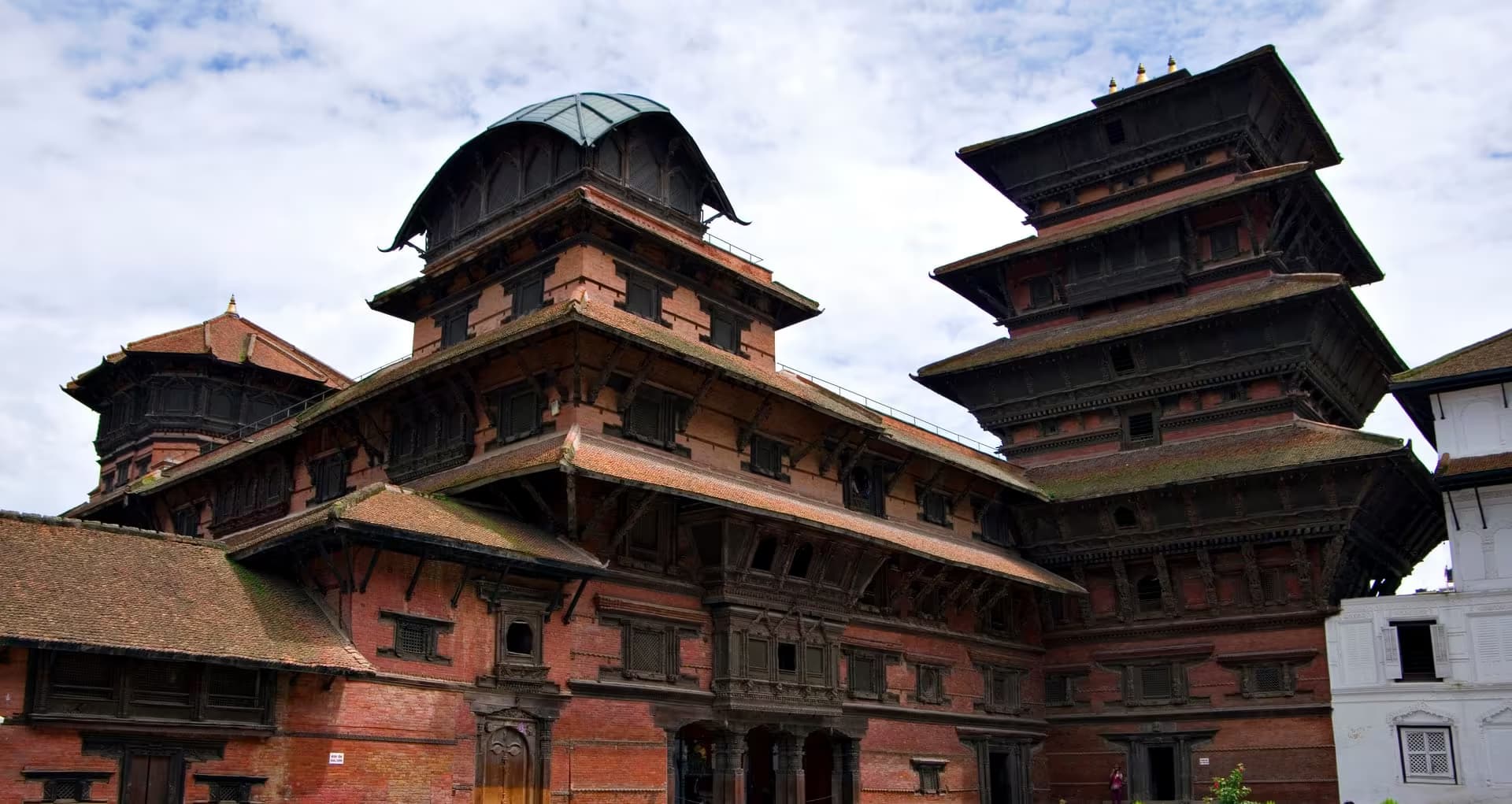
Kathmandu Durbar Square
Hanuman Dhoka takes the Fulpati arrival on the seventh day and the Kot sacrifices on Ashtami
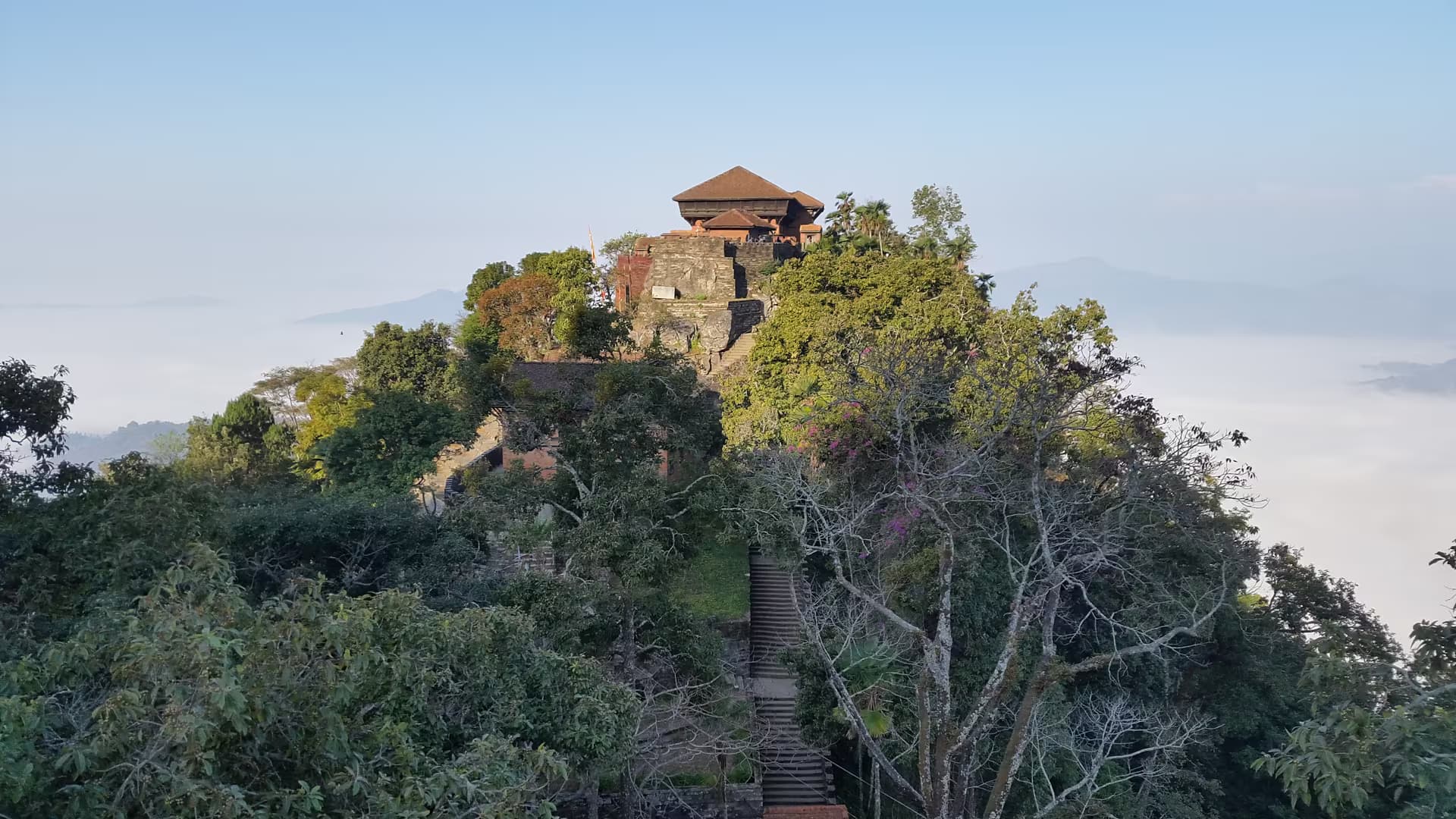
Gorkha Durbar
The origin point of the Fulpati procession, several days ahead of its arrival in Kathmandu
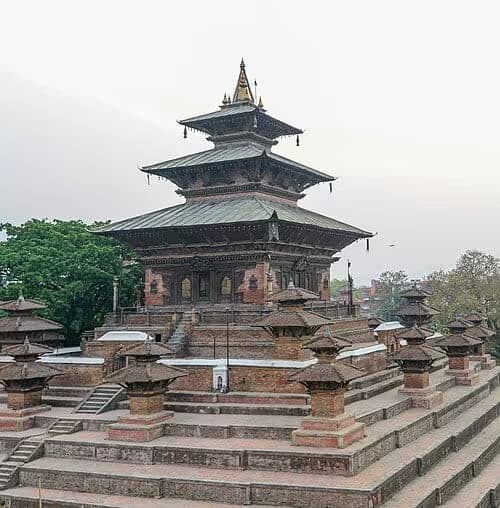
Taleju Temple
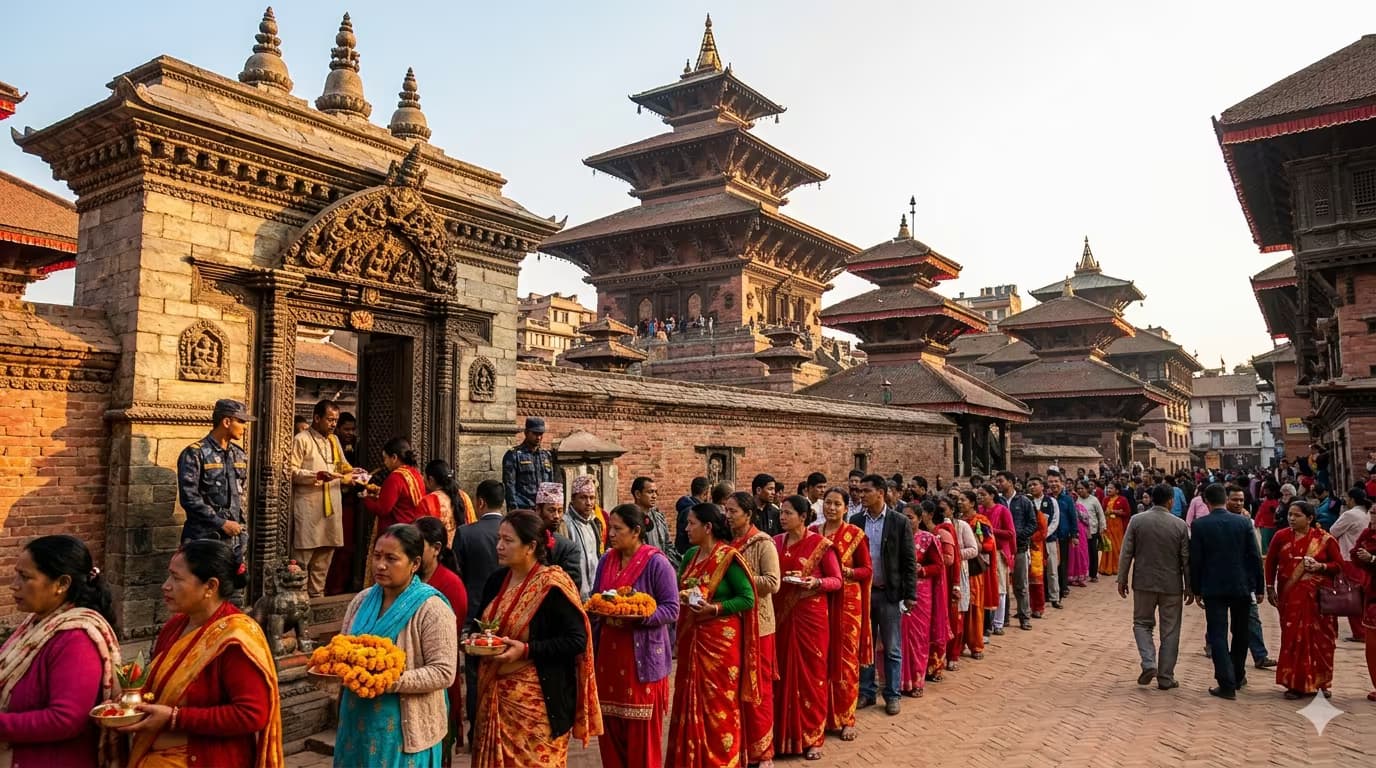
Closed to the public all year and open to Hindu devotees on Maha Navami
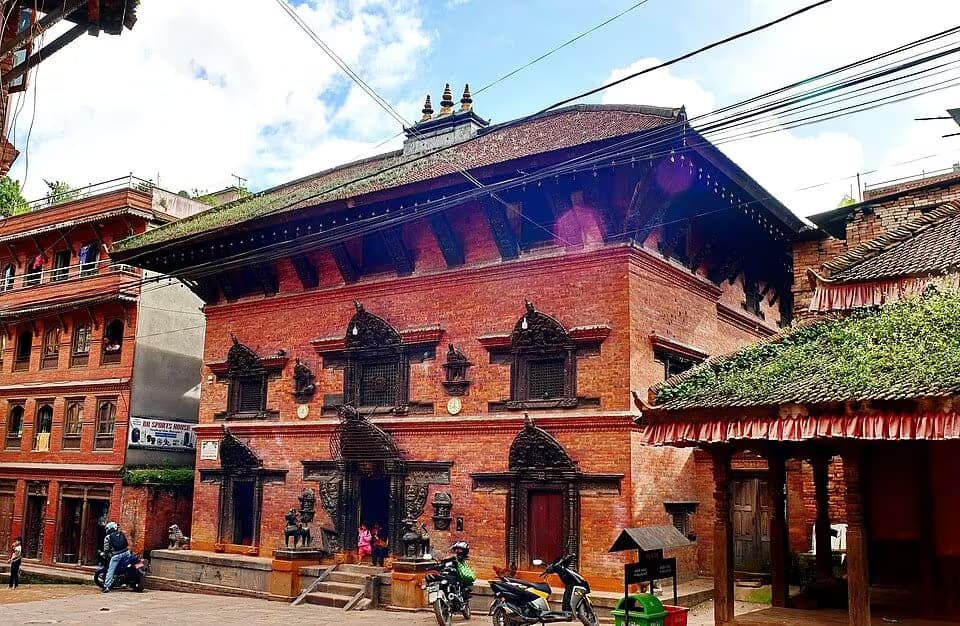
Navadurga Temple (Nava Durga Dyo Chhen)
Works through the nine forms of Durga in exactly the Navaratri cycle
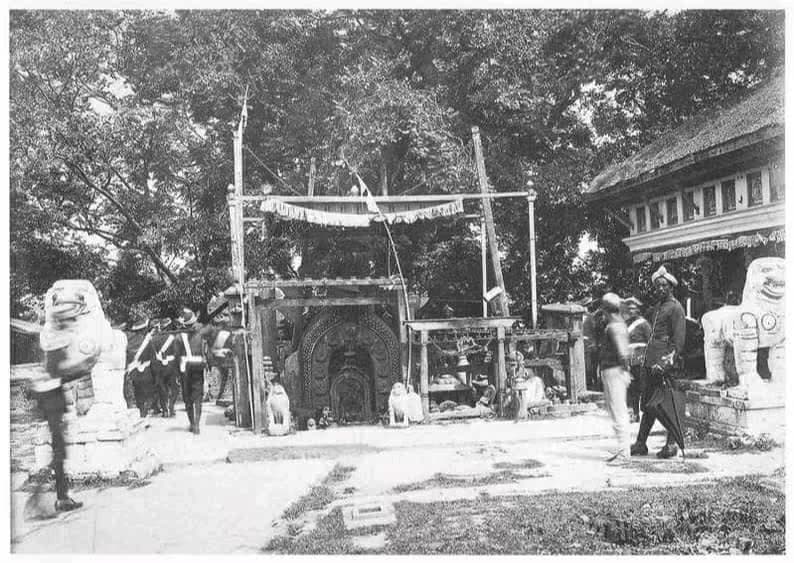
Bhadrakali Temple
On the valley's Navaratri circuit
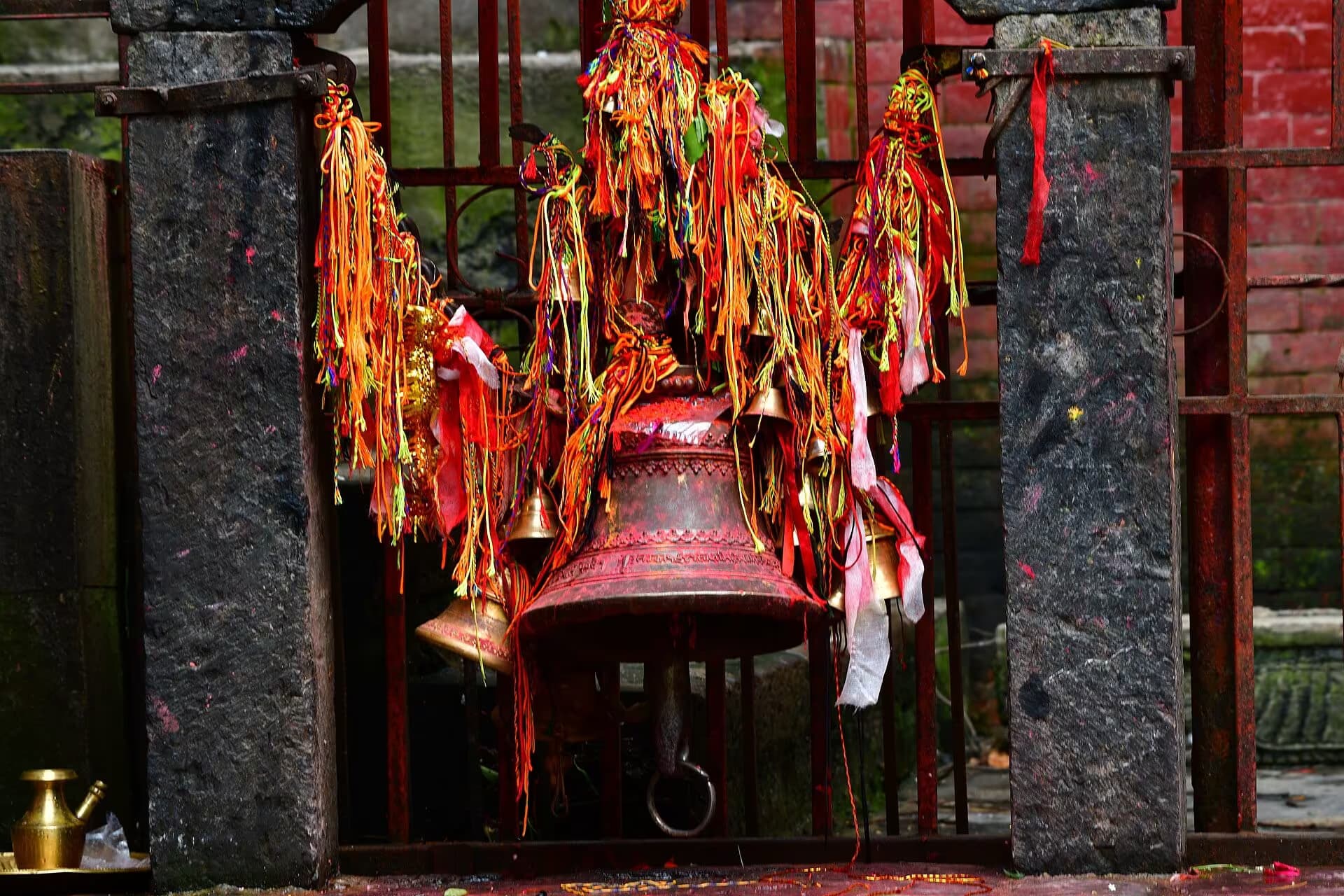
Dakshinkali Temple
The valley's principal sacrifice site, at its most crowded during Dashain
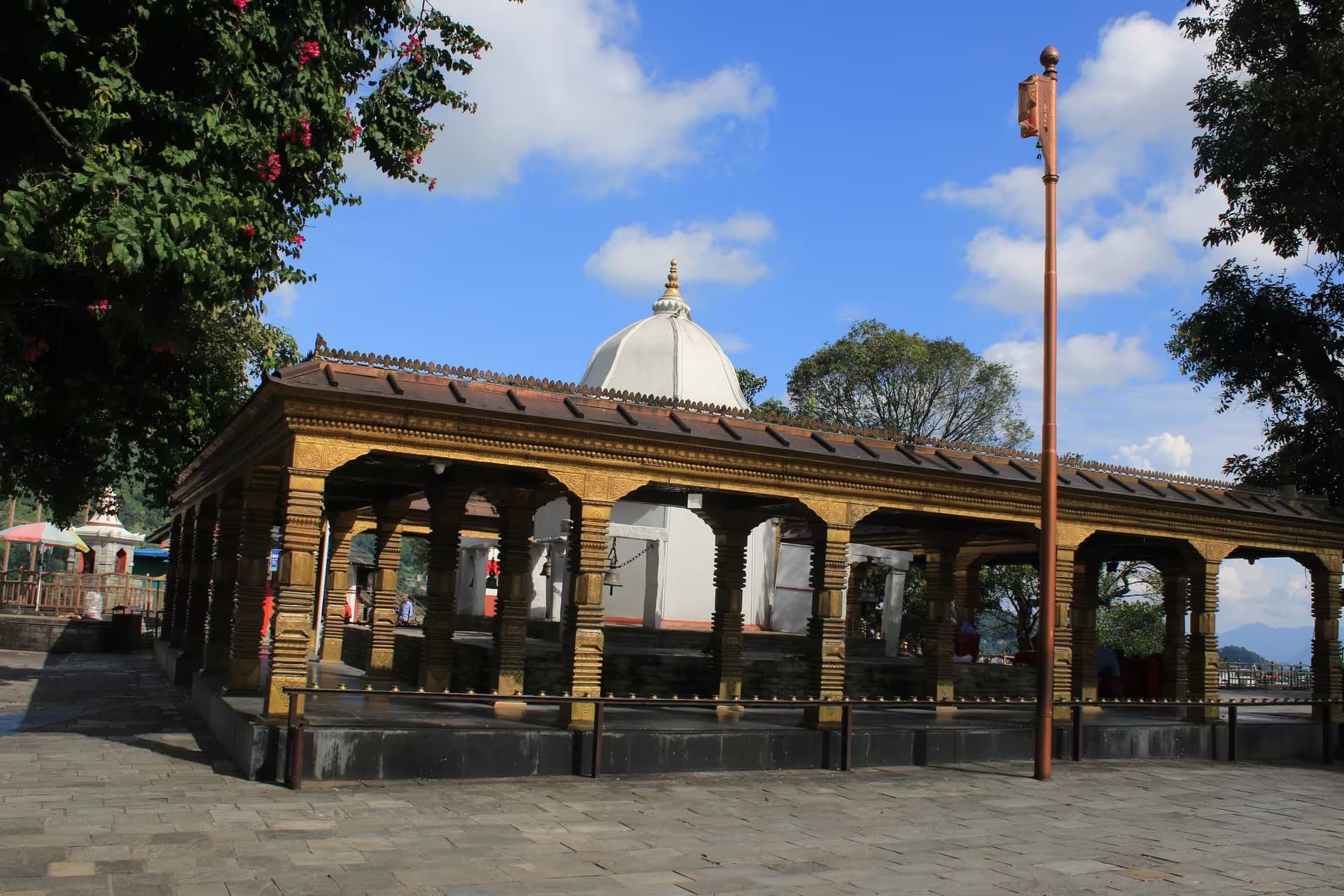
Bindhyabasini Temple
Pokhara's Dashain focus, outside the valley
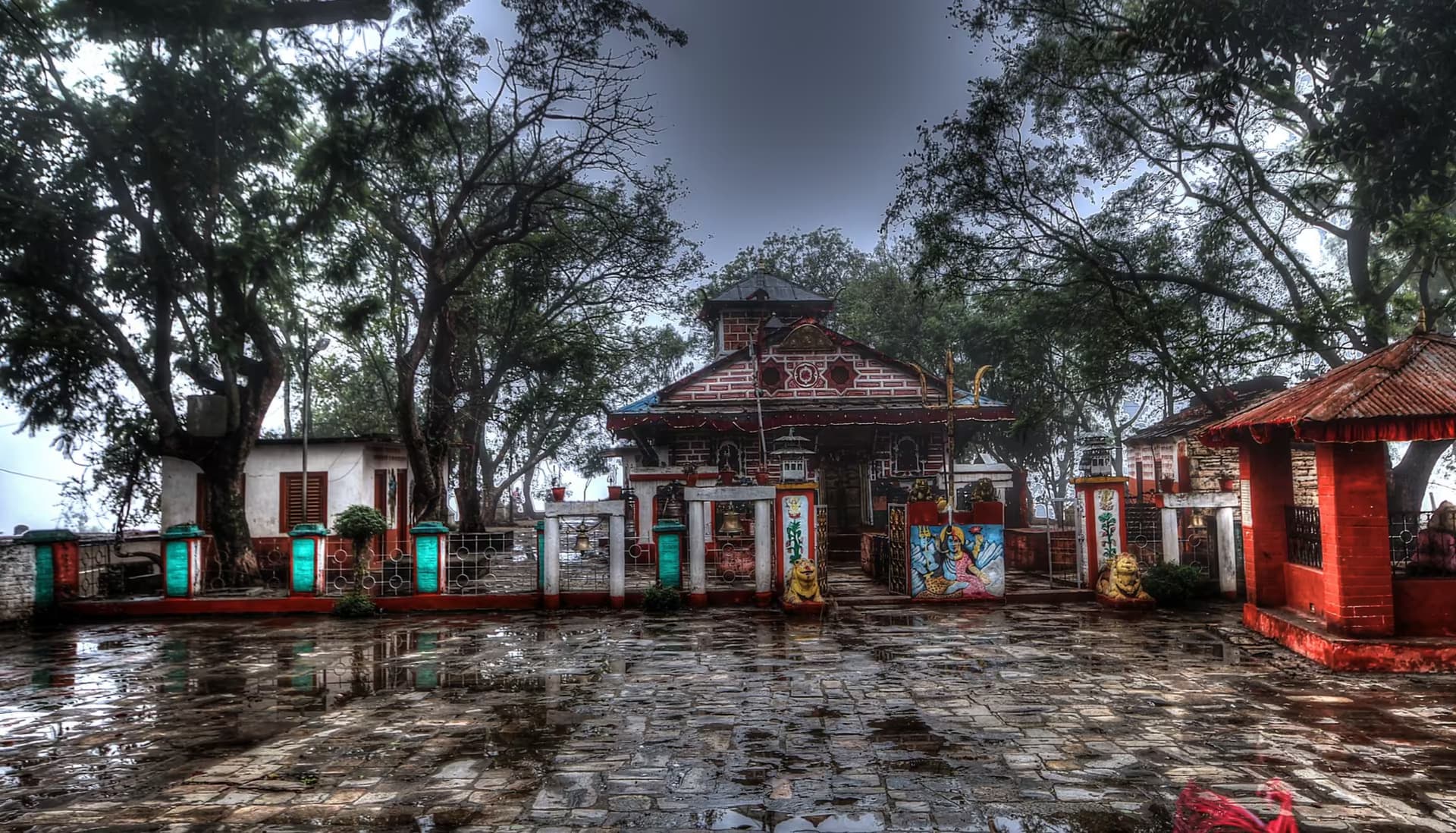
Doti (Silgadhi)
Navaratri and Dashain observances in the far west
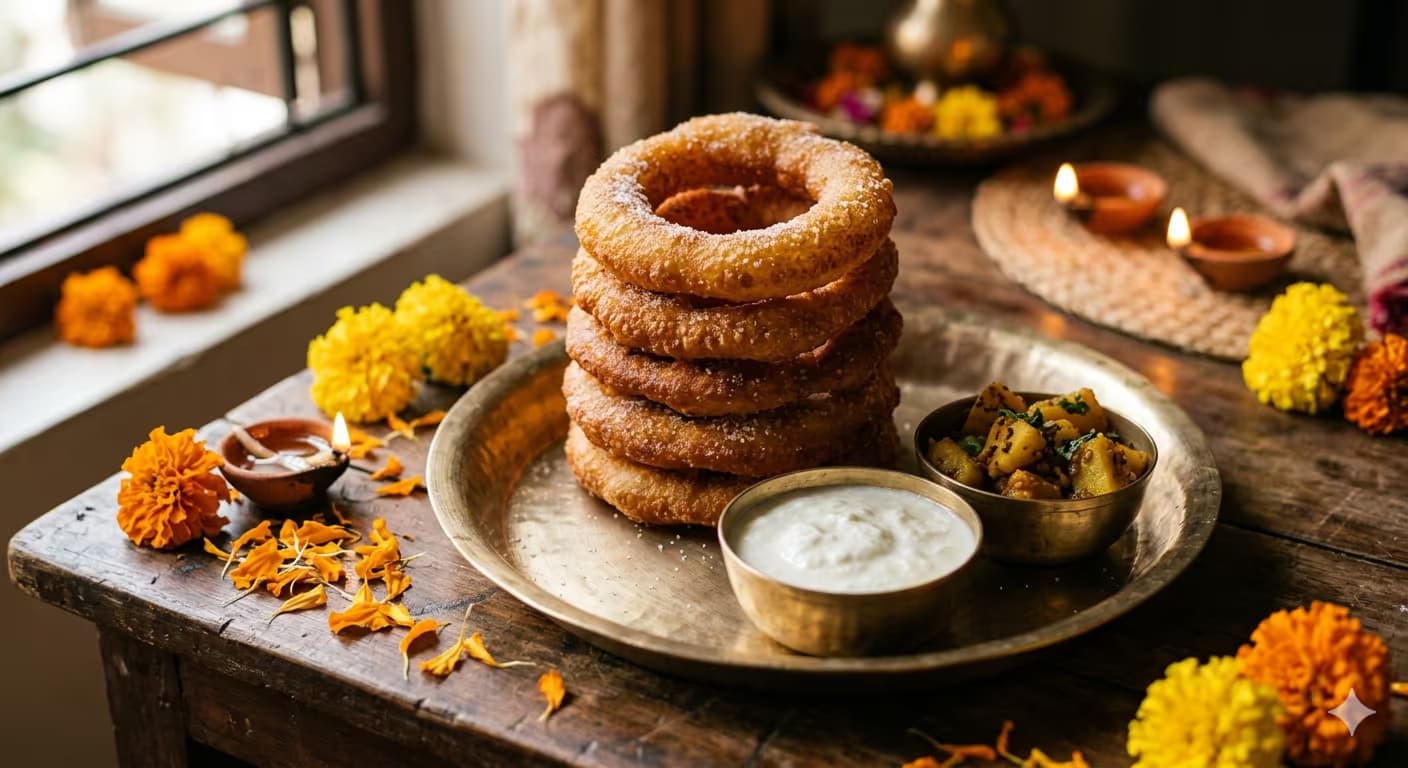
Sel Roti
Made in every household across the Dashain and Tihar season
Part of Dashain (Vijaya Dashami)