A Temple That Waits
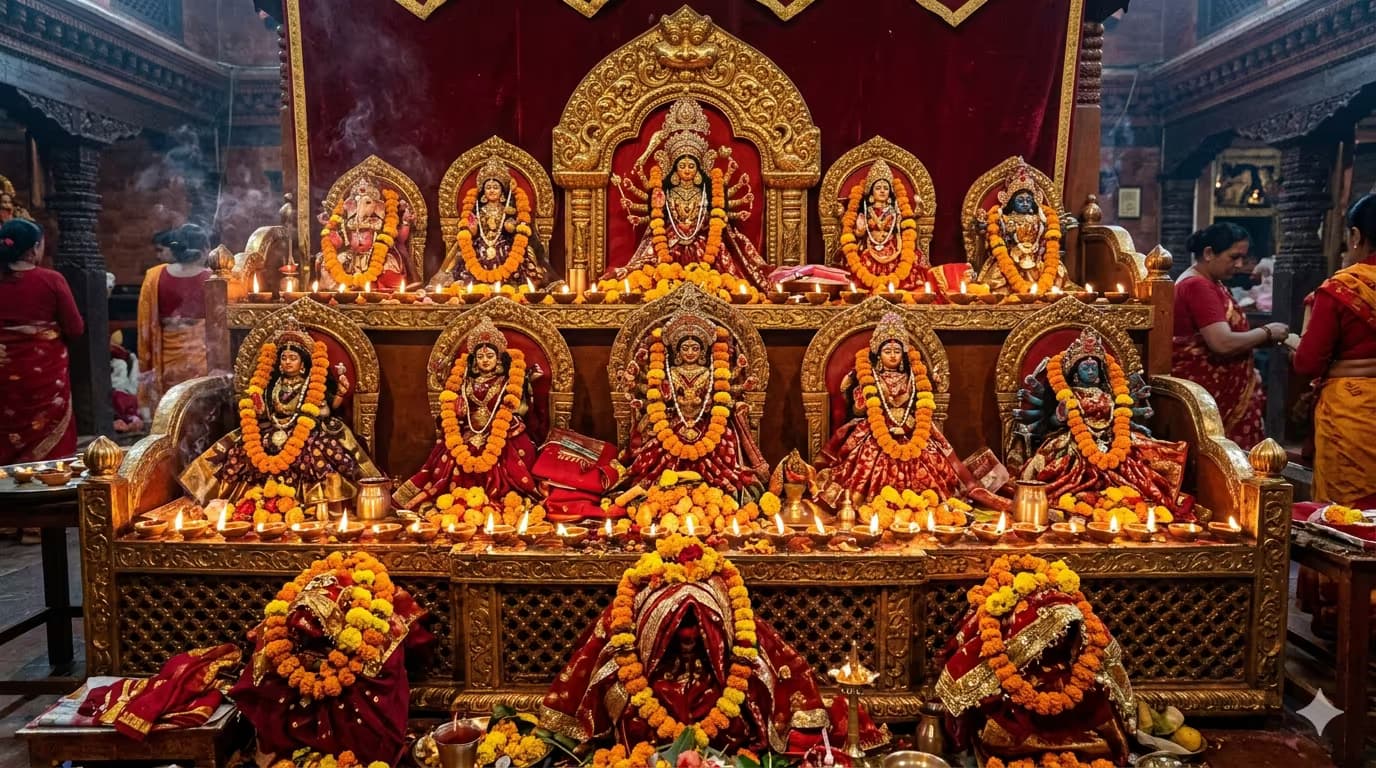
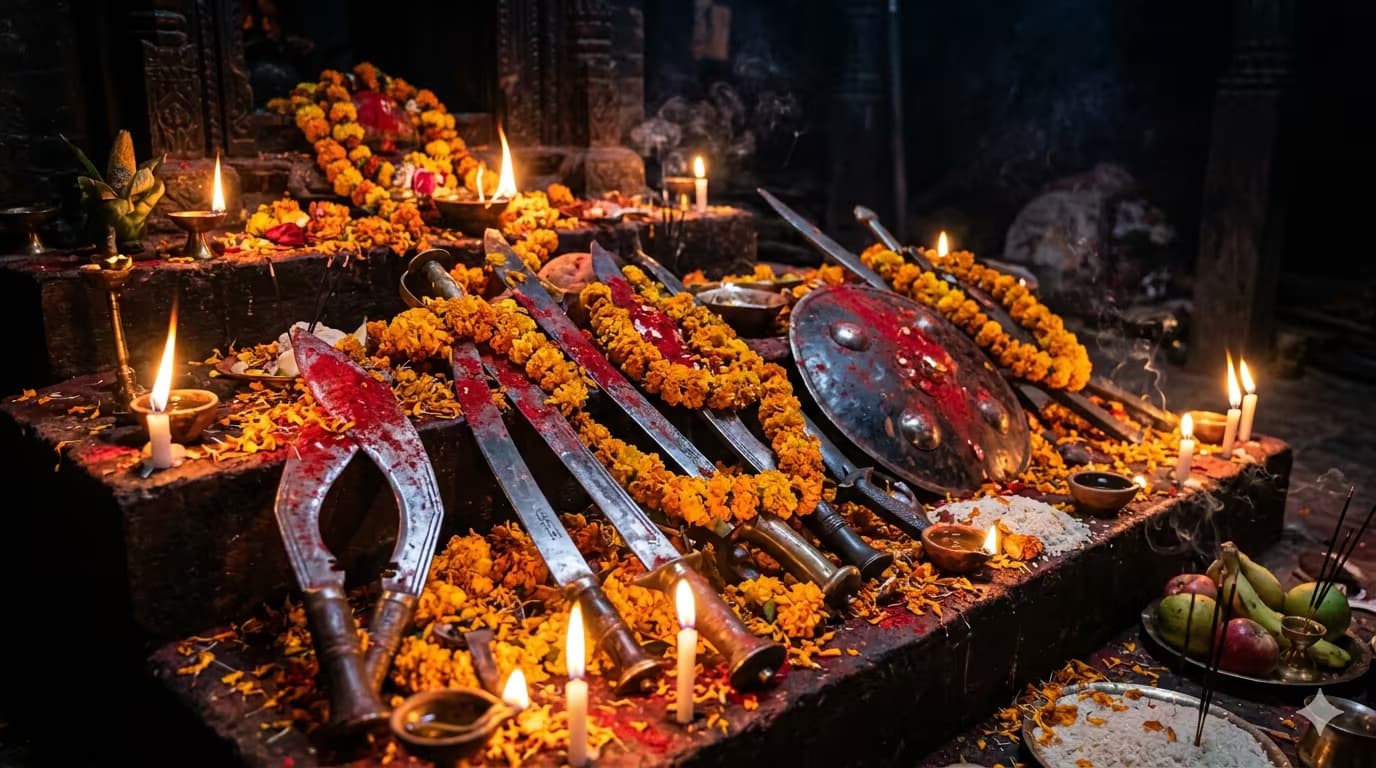
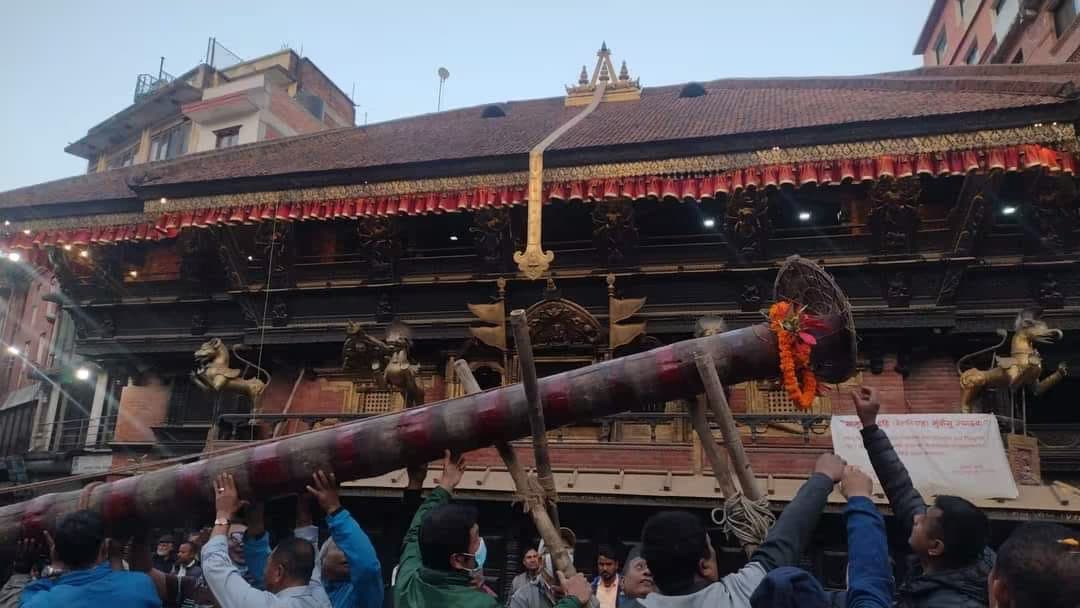
Taleju Bhawani is the goddess who made Kathmandu what it is. The tutelary deity of the Malla kings — and later the Shah kings — she is the divine patron of Nepal's seat of power. Her principal temple at Hanuman Dhoka, a towering shikhara structure in the northeast corner of the palace complex, was built in the 16th century and dominates the old city's skyline. For 364 days a year, it is closed to everyone except the priests whose hereditary duty it is to serve her.
On Maha Navami, the gates open.
The Queue
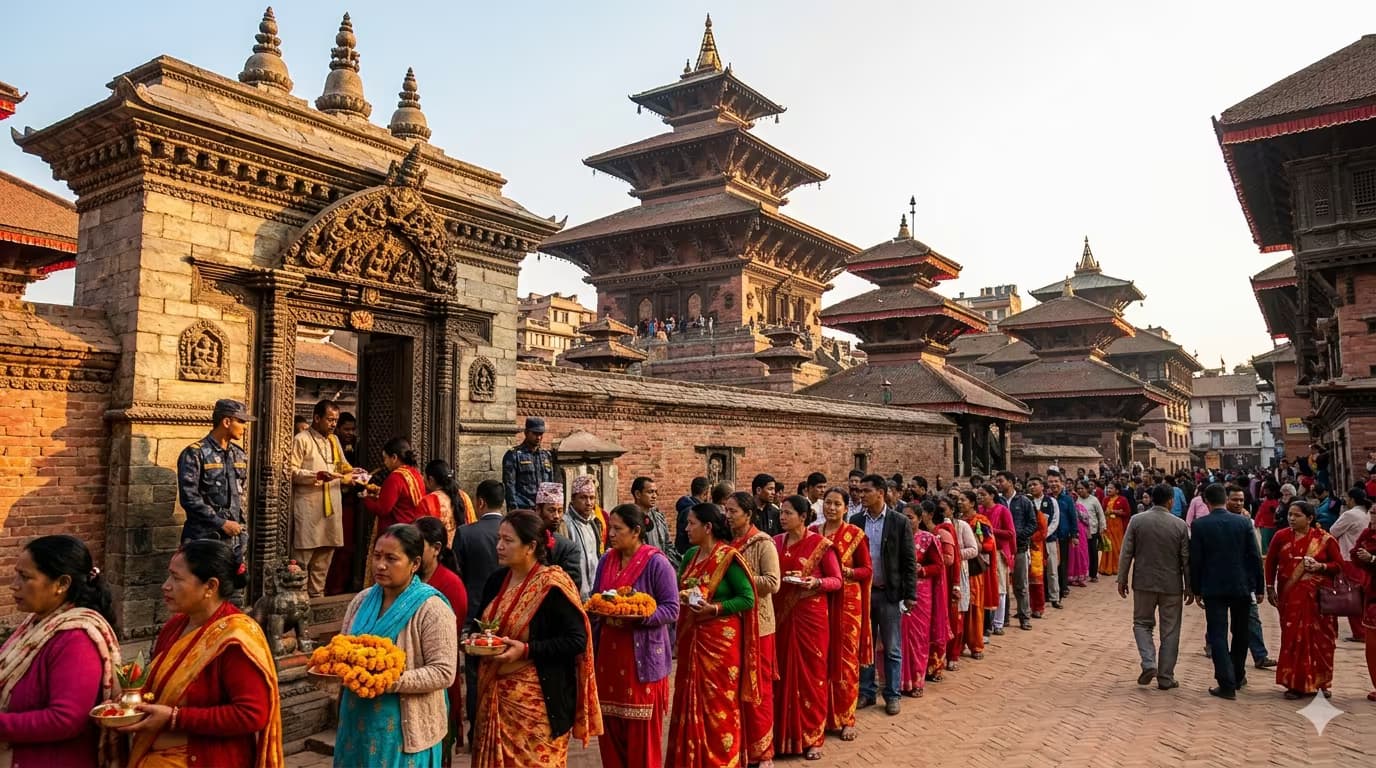
The annual opening is one of Kathmandu's most attended religious events. Devotees begin queuing at Hanuman Dhoka before dawn, aware that the window is brief and the line long. By mid-morning, the queue stretches through the palace square and into the surrounding lanes — sometimes several hours of waiting for a few seconds inside the sanctum.
What they come for is darshan: the auspicious sight of the goddess. In Hindu theology, seeing the deity's image is not passive viewing but an active exchange — the devotee sees the goddess, and the goddess sees the devotee. A moment of Taleju's darshan on Maha Navami is considered among the most auspicious of the Dashain cycle.
Taleju and the Malla Kings
The relationship between Taleju and Nepal's rulers runs deep. According to tradition, the goddess first appeared to King Yaksha Malla in the 15th century and agreed to remain in the valley as its protector on the condition that her rituals were maintained without interruption. The Malla kings built her temples in Kathmandu, Bhaktapur, and Patan; their legitimacy was understood to flow from her patronage.
When the Shah dynasty displaced the Mallas in 1768, they inherited this relationship: Prithvi Narayan Shah's conquest of Kathmandu and his receipt of the Kumari's tika were acts within Taleju's theological framework, not outside it. The Shah kings continued the annual Dashain rituals at the Taleju temple as state obligations, not merely personal devotion.
Taleju and Kumari
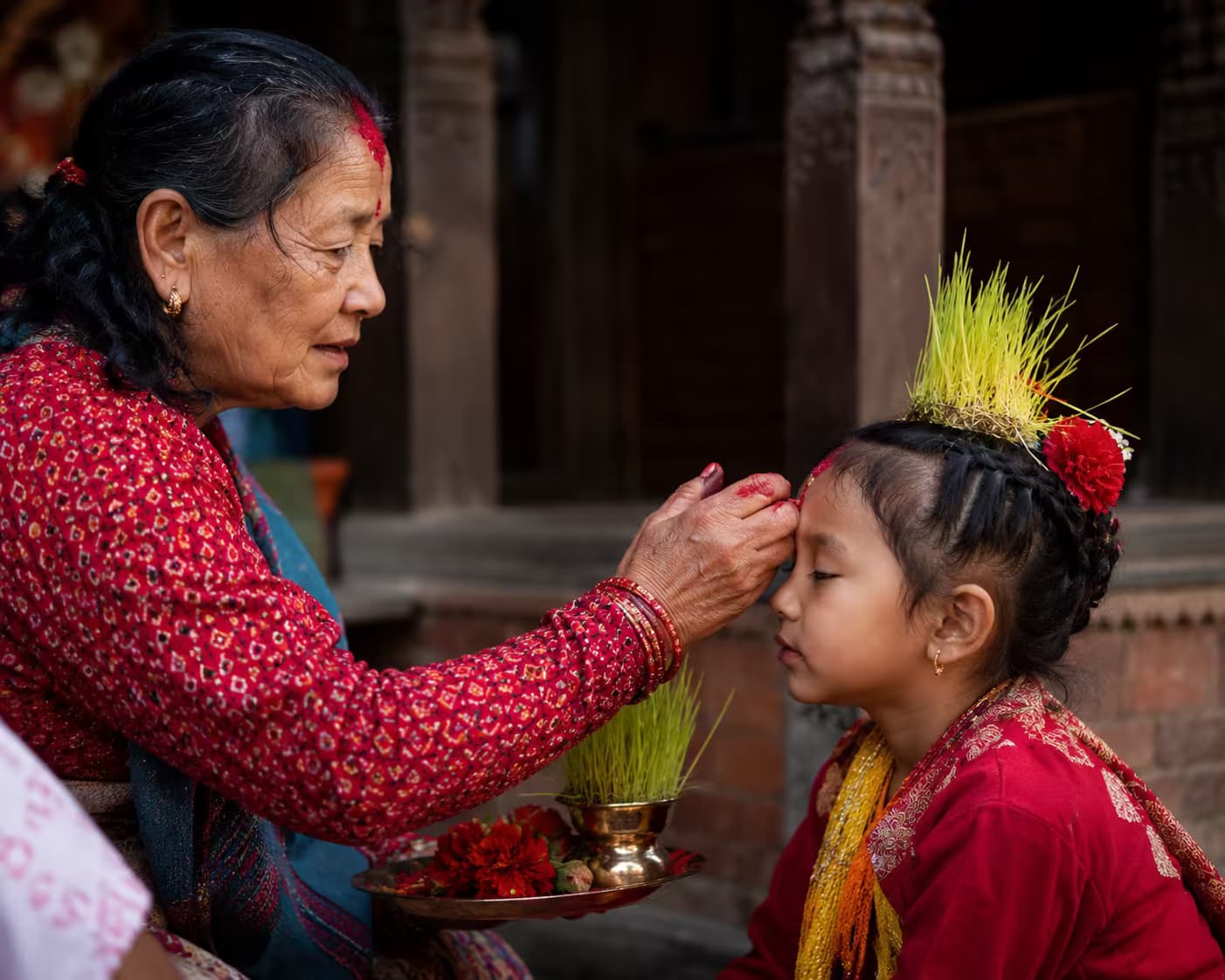
The connection between Taleju and the Living Goddess (Kumari) is direct: Kumari is understood as the living earthly vessel of Taleju's power. When the Kumari gives tika to the head of state during Indra Jatra, it is technically Taleju's blessing passing through a human channel. Dashain activates this relationship fully: Taleju's annual opening and the Kumari's Dashain tika are two expressions of the same divine mandate.
Mohni: The Newar Dimension
For Newar communities, Dashain is also called Mohni (sometimes spelled Mohani) — their own name for the festival in Nepal Bhasa. The timing and core structure are shared with the broader Hindu observance, but the Newar layer emphasises Taleju's ancient Newar identity. Taleju is, in Newar understanding, not a later Brahminical import but a tantric goddess whose worship predates the Malla adoption. The temple's annual opening during Mohni carries the full weight of this layered history: Hindu state ceremony and Newar tantric tradition converging in a single threshold moment.
Related Places & Sites
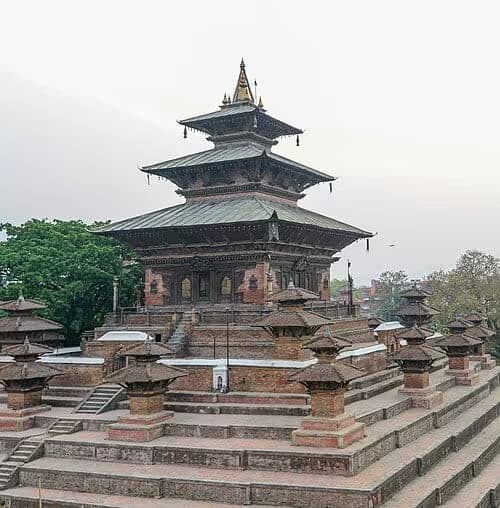
sacred site
Taleju TempleTaleju Bhawani temple at Hanuman Dhoka — opens to the public on Maha Navami only
Related
Connected places and entries worth pairing
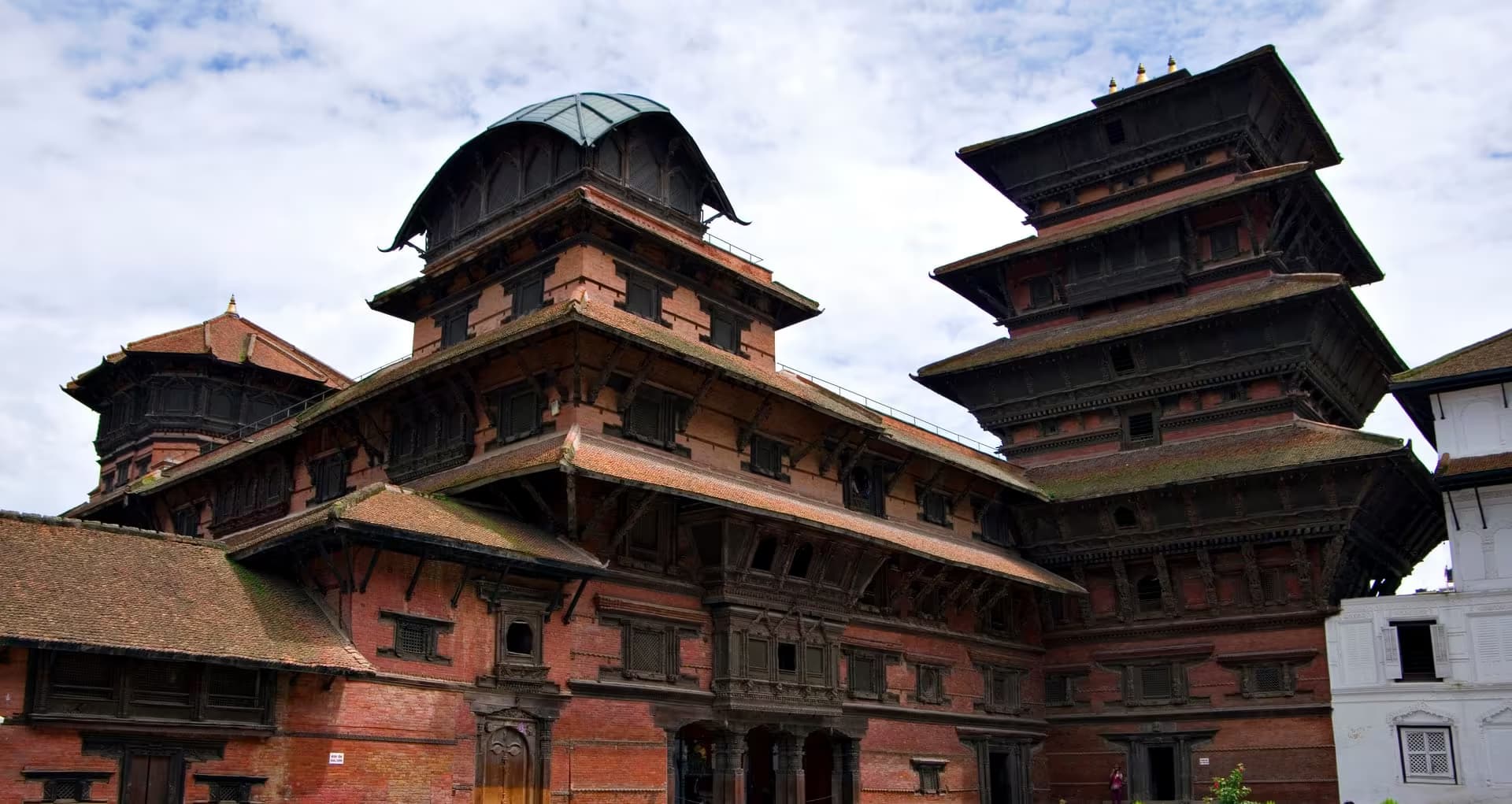
Kathmandu Durbar Square
Hanuman Dhoka takes the Fulpati arrival on the seventh day and the Kot sacrifices on Ashtami
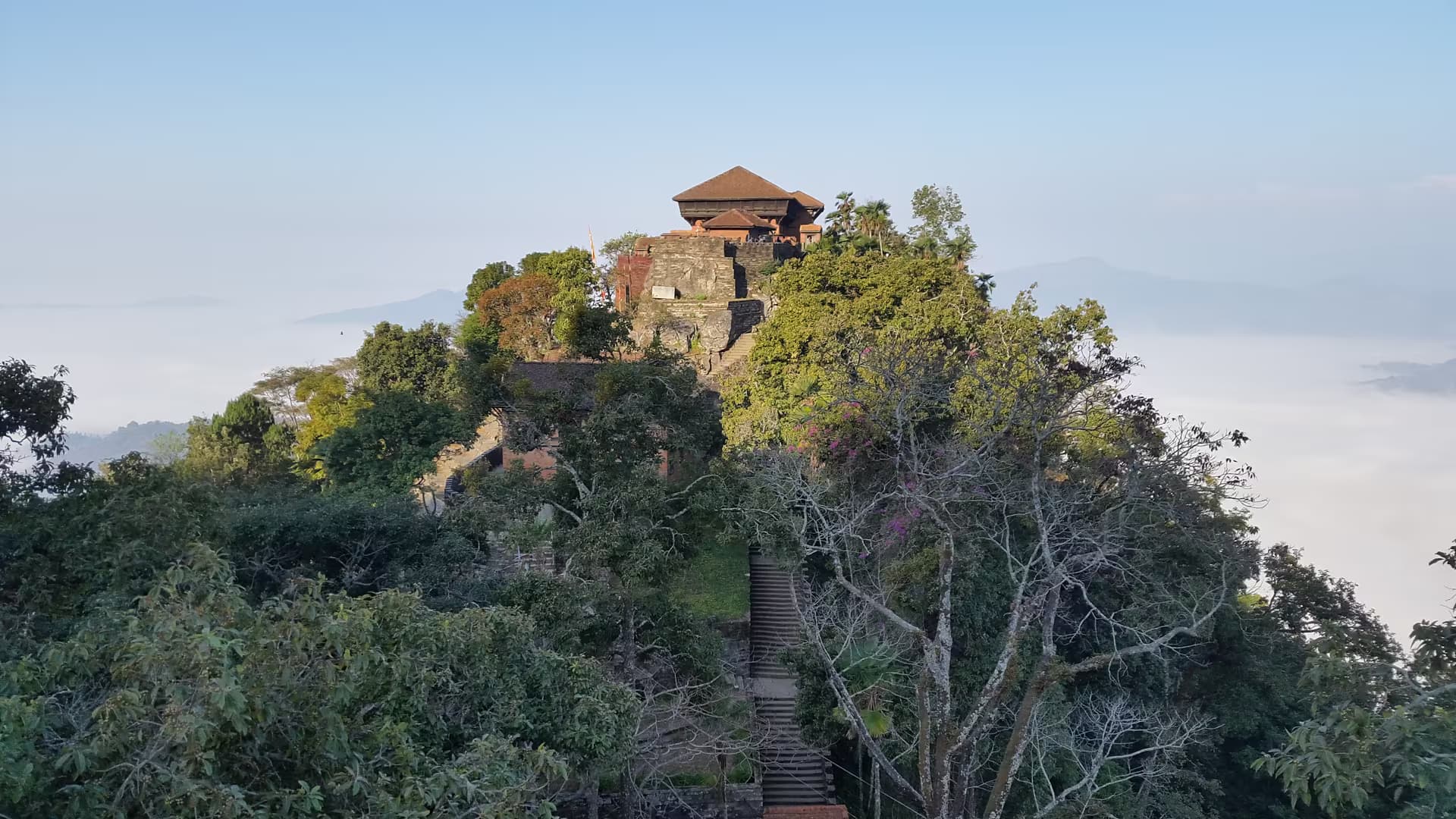
Gorkha Durbar
The origin point of the Fulpati procession, several days ahead of its arrival in Kathmandu
Taleju Temple
Closed to the public all year and open to Hindu devotees on Maha Navami
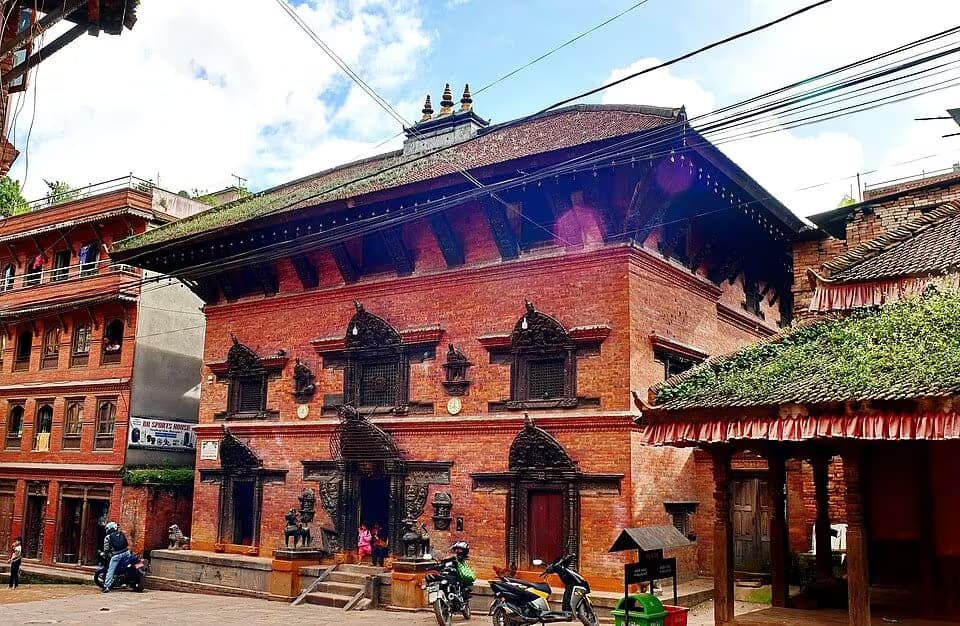
Navadurga Temple (Nava Durga Dyo Chhen)
Works through the nine forms of Durga in exactly the Navaratri cycle
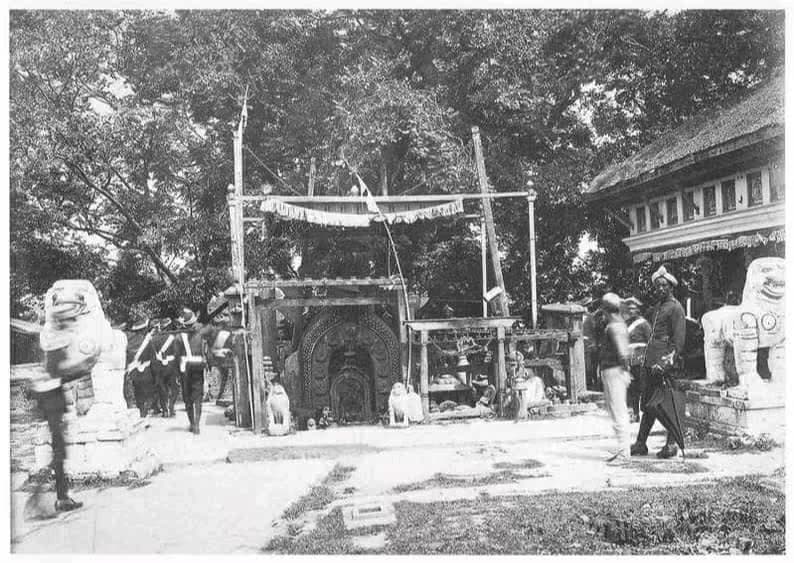
Bhadrakali Temple
On the valley's Navaratri circuit
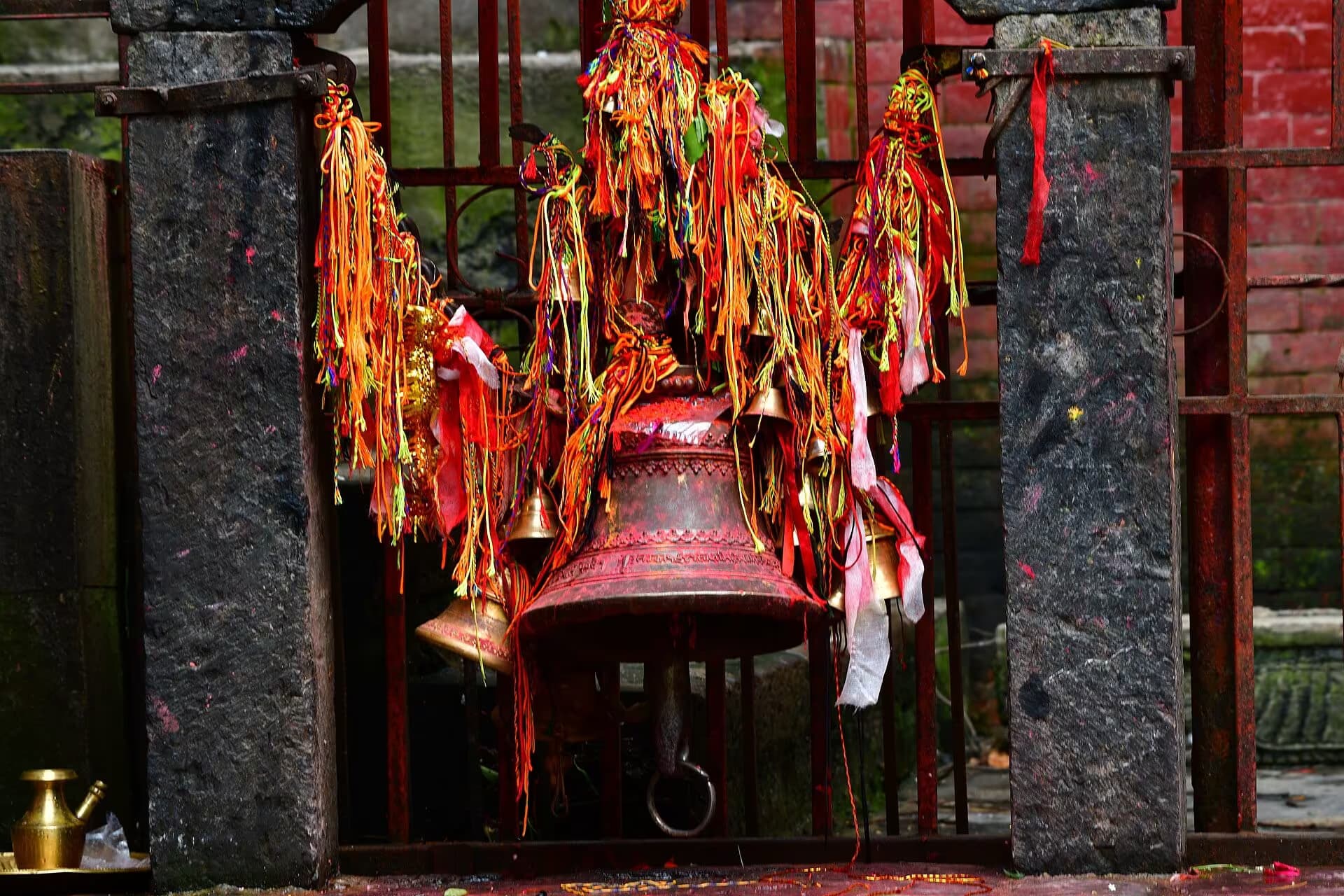
Dakshinkali Temple
The valley's principal sacrifice site, at its most crowded during Dashain
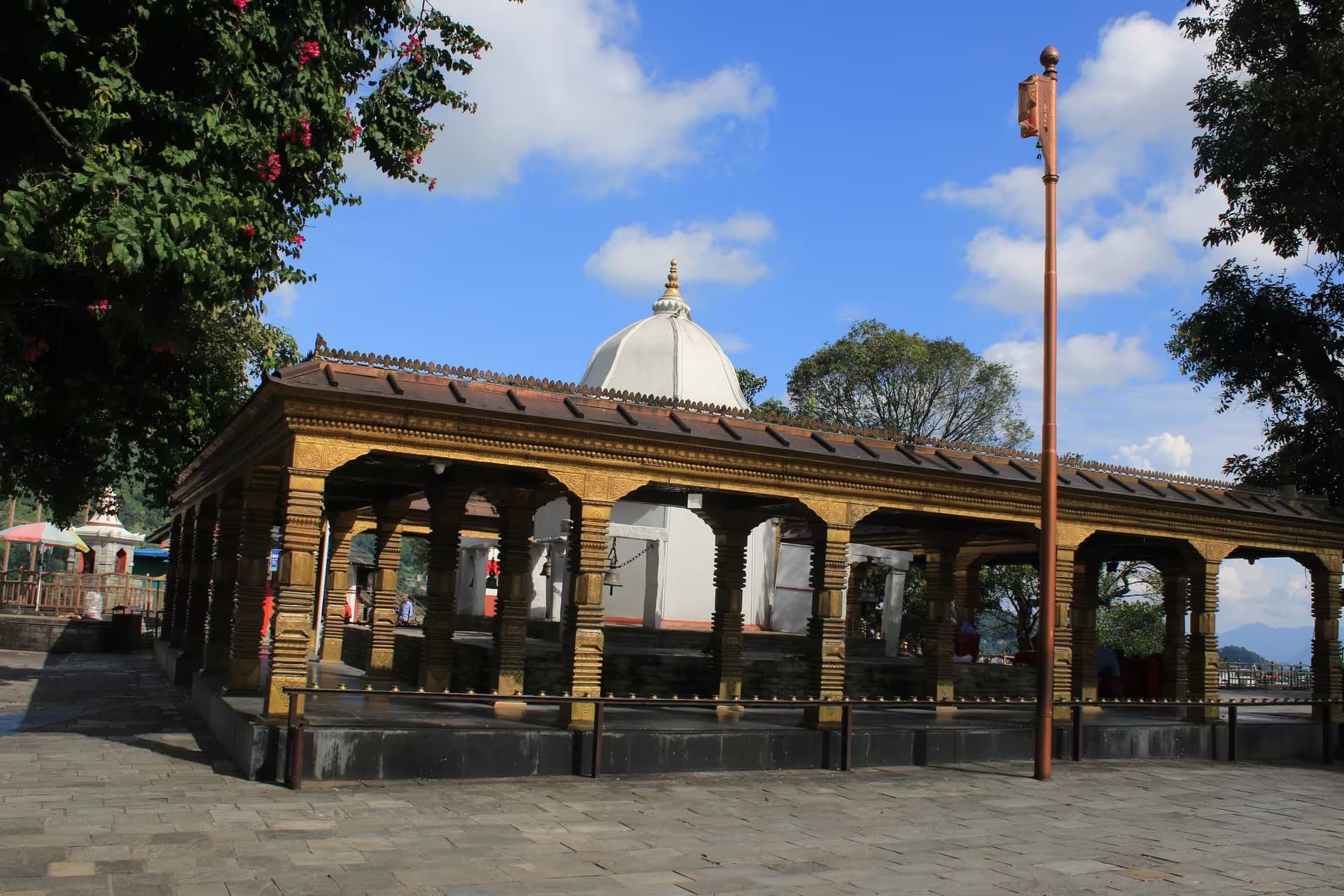
Bindhyabasini Temple
Pokhara's Dashain focus, outside the valley
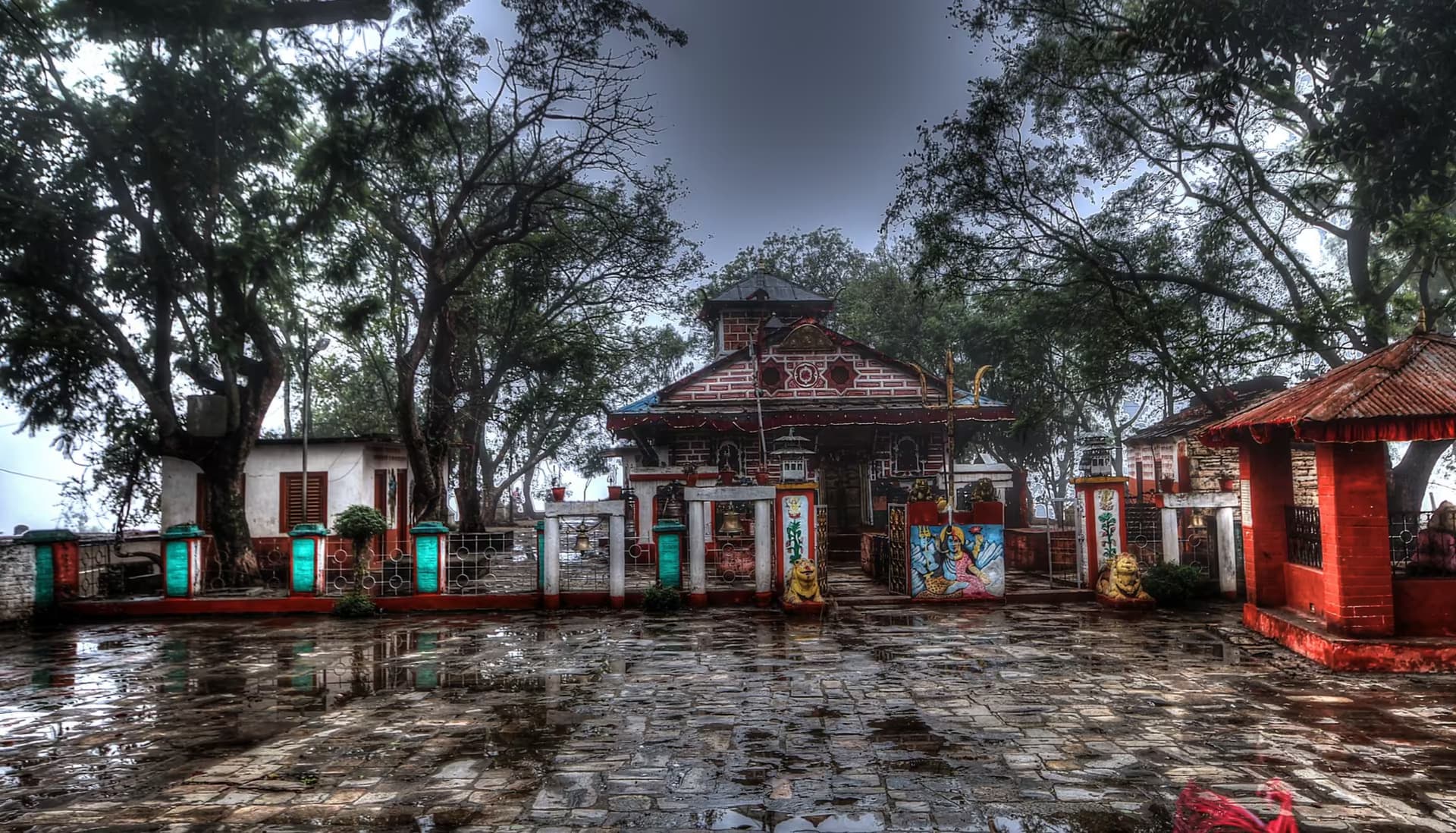
Doti (Silgadhi)
Navaratri and Dashain observances in the far west
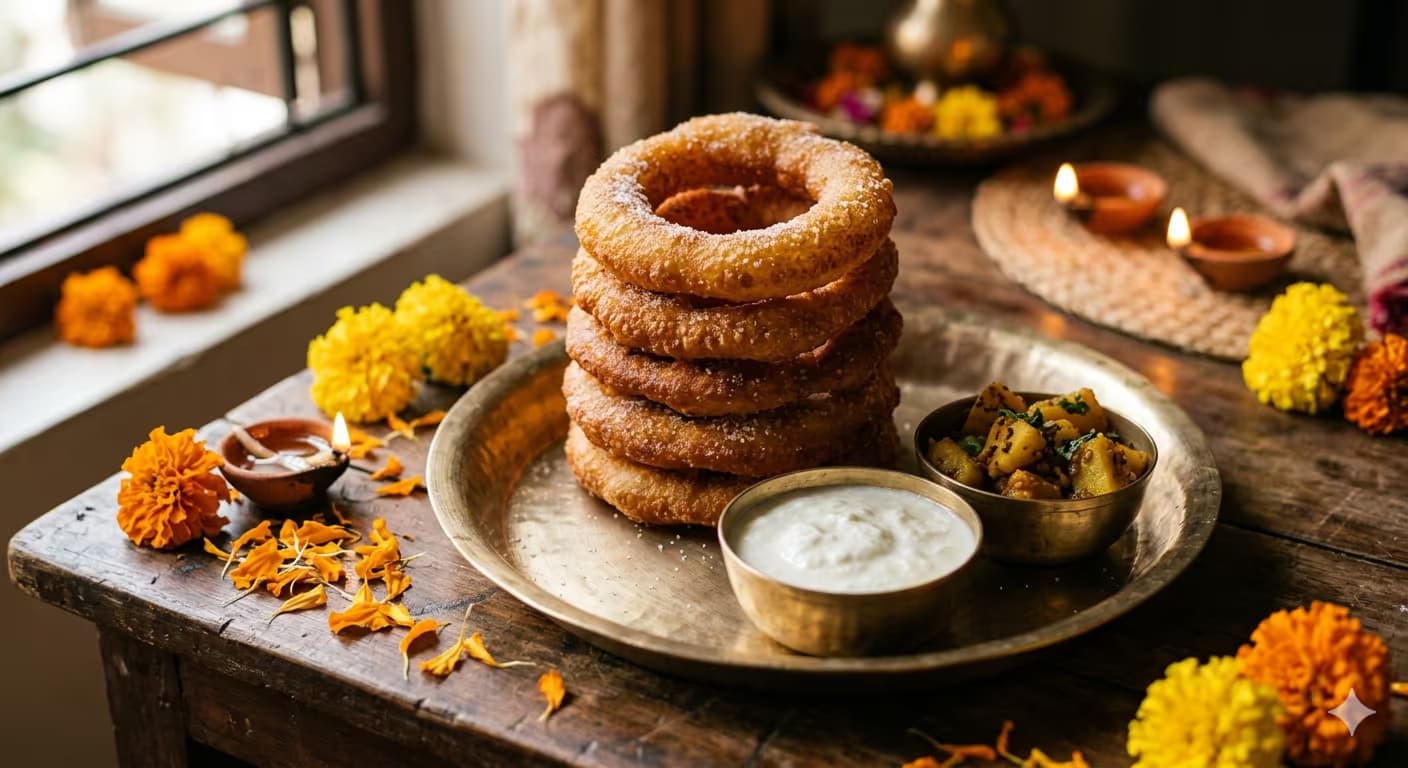
Sel Roti
Made in every household across the Dashain and Tihar season
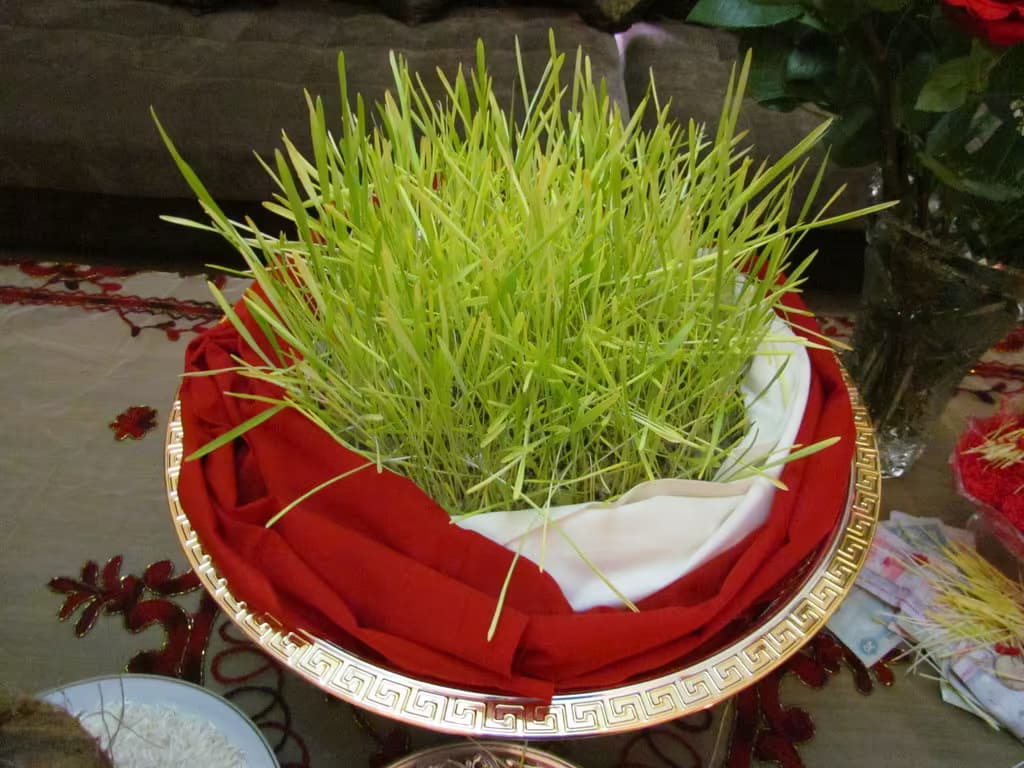
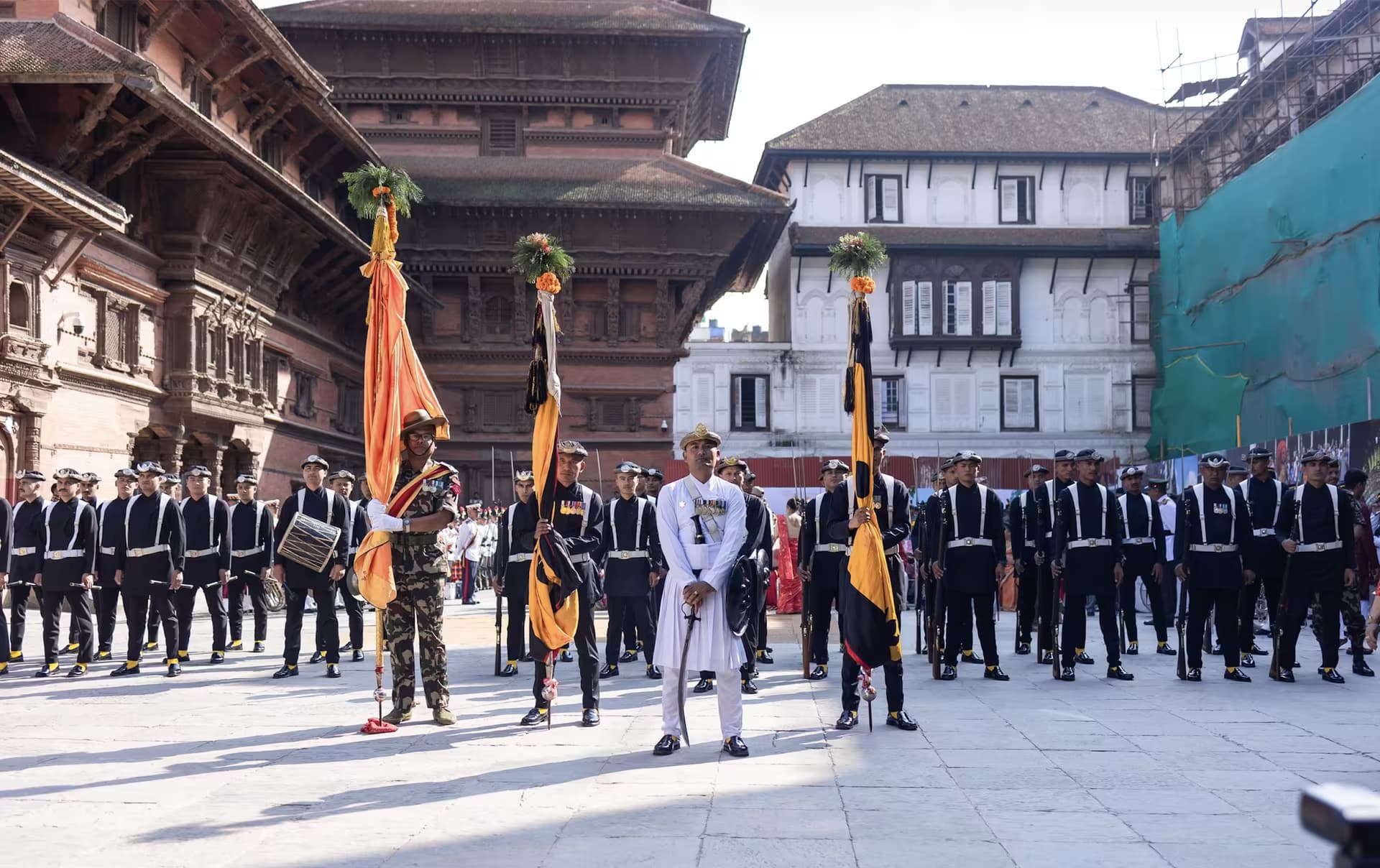
Part of Dashain (Vijaya Dashami)