The Tenth Morning
Vijaya Dashami — victory tenth — is the day the goddess defeats the buffalo-demon, the day the ten days of preparation resolve into joy. For most Nepali families, it is the most anticipated day of the year: the day of the tika.
Tika and Jamara
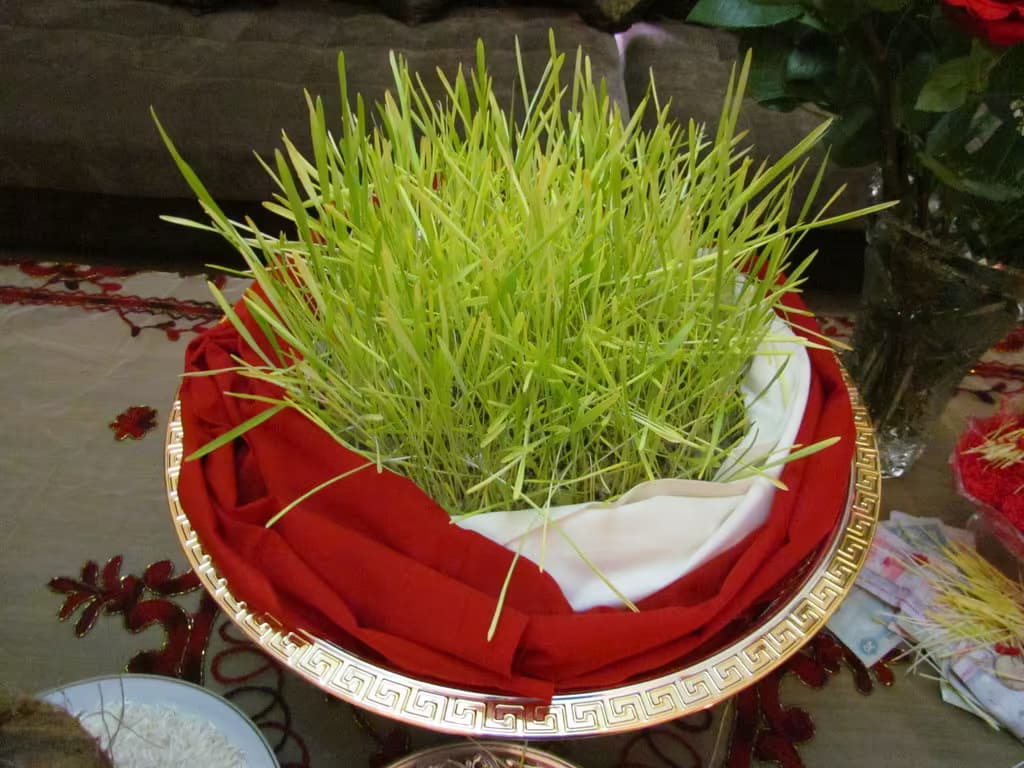
The tika given on Vijaya Dashami is specific: a mixture of red vermillion powder (sindur or abir), rice grains, and yogurt, pressed firmly to the centre of the forehead. Into the hair or tucked behind the ear goes a sprig of jamara — the yellow barley shoots that have been growing in the puja room since Ghatasthapana, cut fresh on the morning of Dashami.
The combination is theologically dense: the red tika carries the goddess's blessing and the elder's life force; the jamara connects the blessing to the ten days of accumulated puja. Together they mark the recipient as one who has been seen and blessed by both the divine and the human.
The Direction of Blessings
What makes Dashami remarkable is the directionality of the ritual: blessings always flow from elder to younger. The oldest living family member gives tika to their children, who give it to theirs, cascading down through every generation. To receive tika from a grandparent or great-grandparent who has outlasted many festivals is considered especially powerful.
This structure makes Vijaya Dashami Nepal's most intense domestic travel day. People return from cities to villages; diaspora members who can afford it fly home from abroad. Planes are full weeks in advance. The roads of the Kathmandu Valley see mass migration as families converge on whoever holds the oldest generation.
Returning the Visit
Tika-giving extends over several days — Dashami, Ekadashi, Dwadashi — as families work through the full network of relatives: aunts and uncles, neighbours who are treated as family, former teachers and mentors. The days after Dashami are social more than religious: visiting, eating, receiving the token gift of dakshina (money given with the tika by elders to juniors).
Mohni: The Newar Celebration
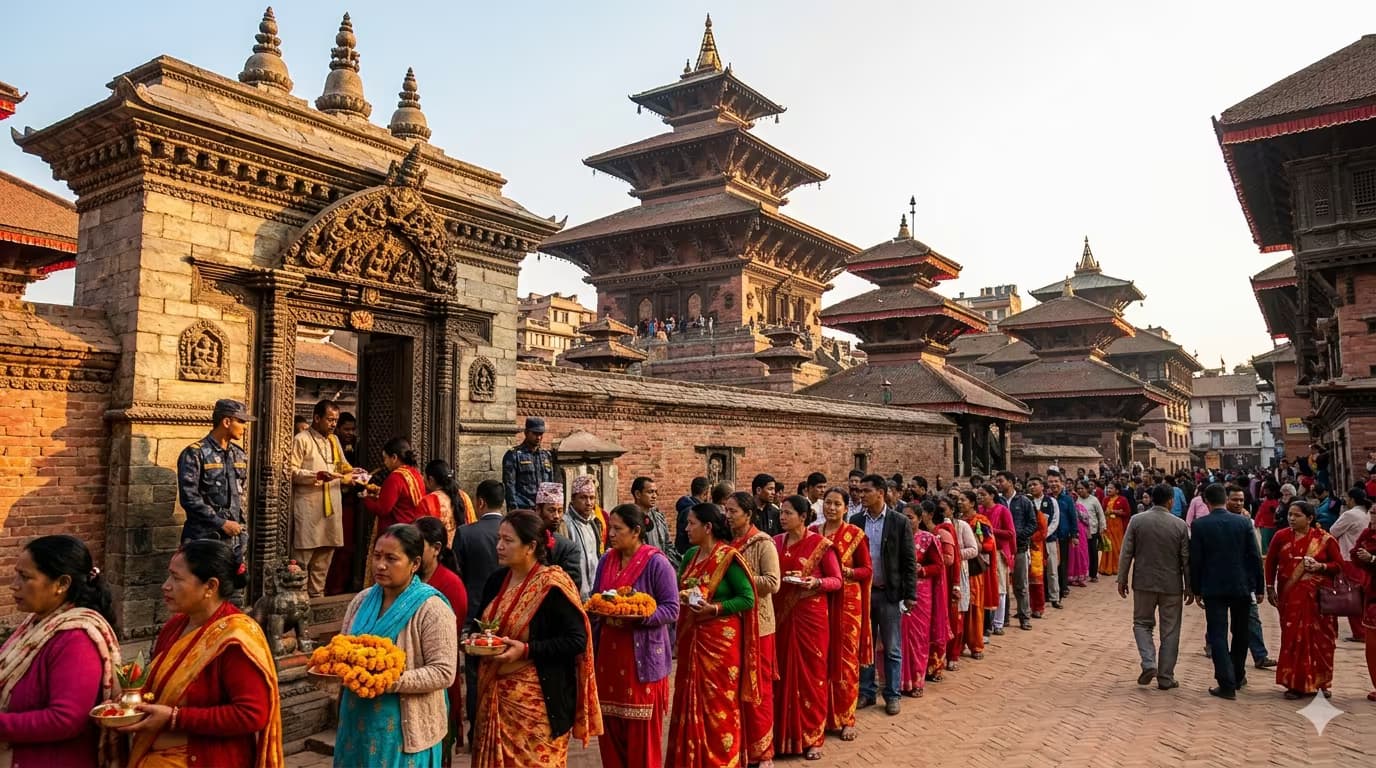
For Newar communities, Vijaya Dashami is observed as Mohni Nakha — the centrepiece of the Mohni festival. The tika and jamara ritual is shared, but Newar households layer it with the Kuchhi Bhwoye — the festival feast. Families gather for an elaborate multi-course meal following the lineage feast tradition: chiura (beaten rice), chhoyala (marinated buffalo), egg dishes, achar, and aila (rice liquor). The meal is a communal reaffirmation of the family's shared identity, distinct from the Hindu majority's lighter post-tika celebrations.
Mohni also has its own processions and guthi (communal organisation) gatherings in Newar neighbourhoods. The name Mohni derives from Mohani — the goddess who enchants — linking the festival's Newar identity to a specifically tantric understanding of Durga's power: not merely a warrior but a divine enchantress whose victory is as much seductive as violent.
Related Places & Sites
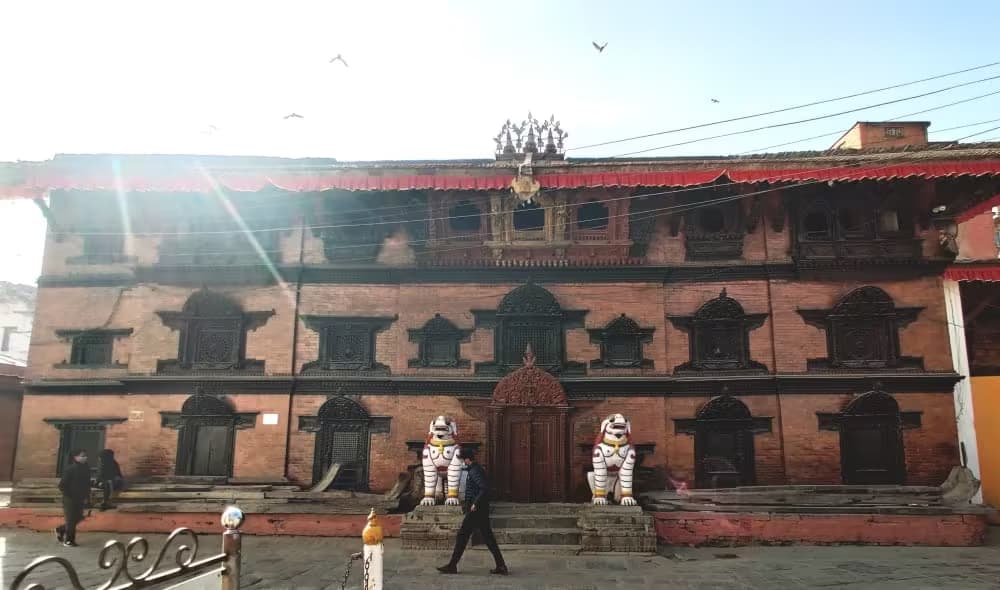
sacred site
Kumari GharThe Royal Kumari also gives Dashain tika blessings from Kumari Ghar during the festival
Related
Connected places and entries worth pairing
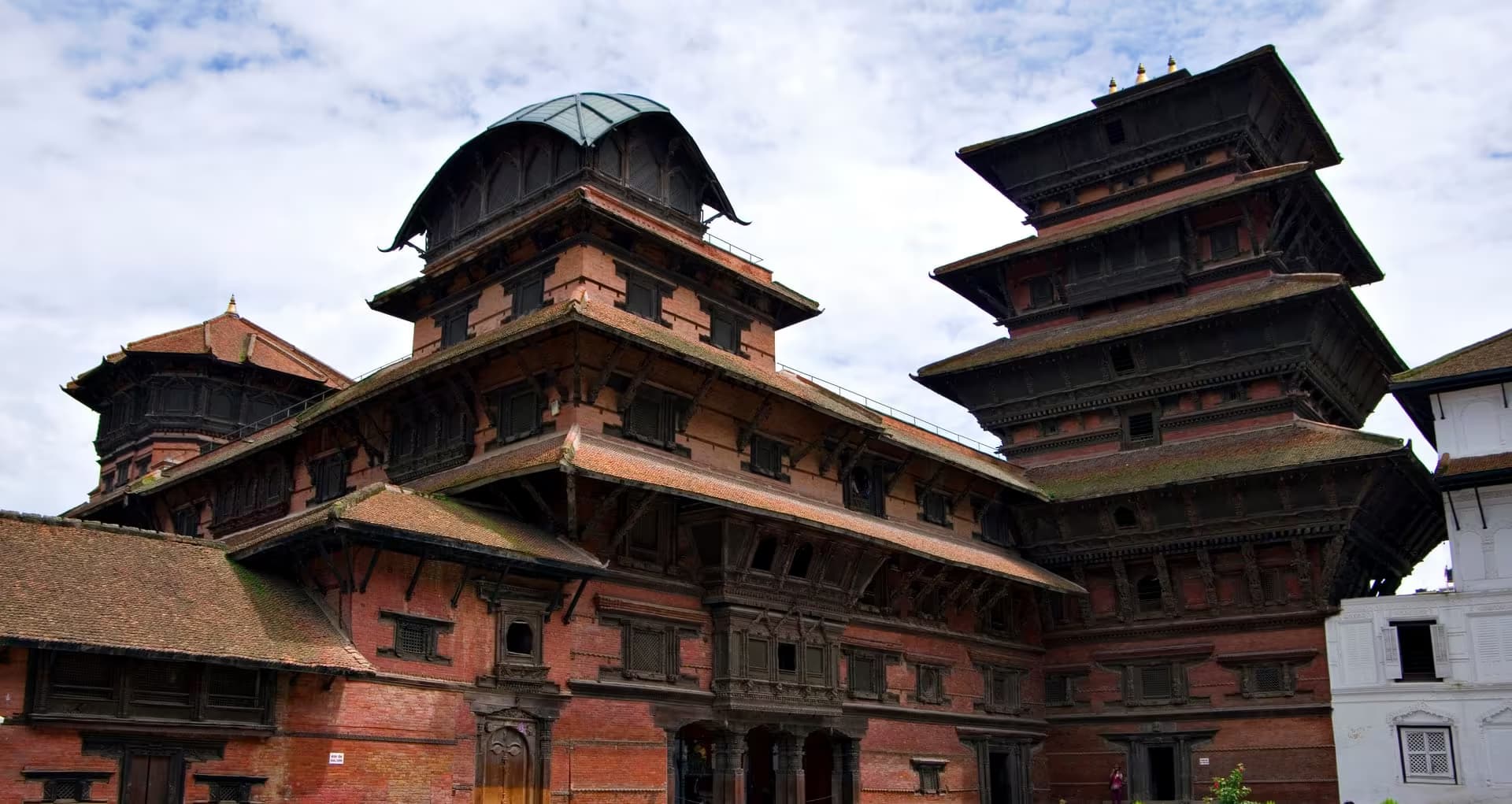
Kathmandu Durbar Square
Hanuman Dhoka takes the Fulpati arrival on the seventh day and the Kot sacrifices on Ashtami
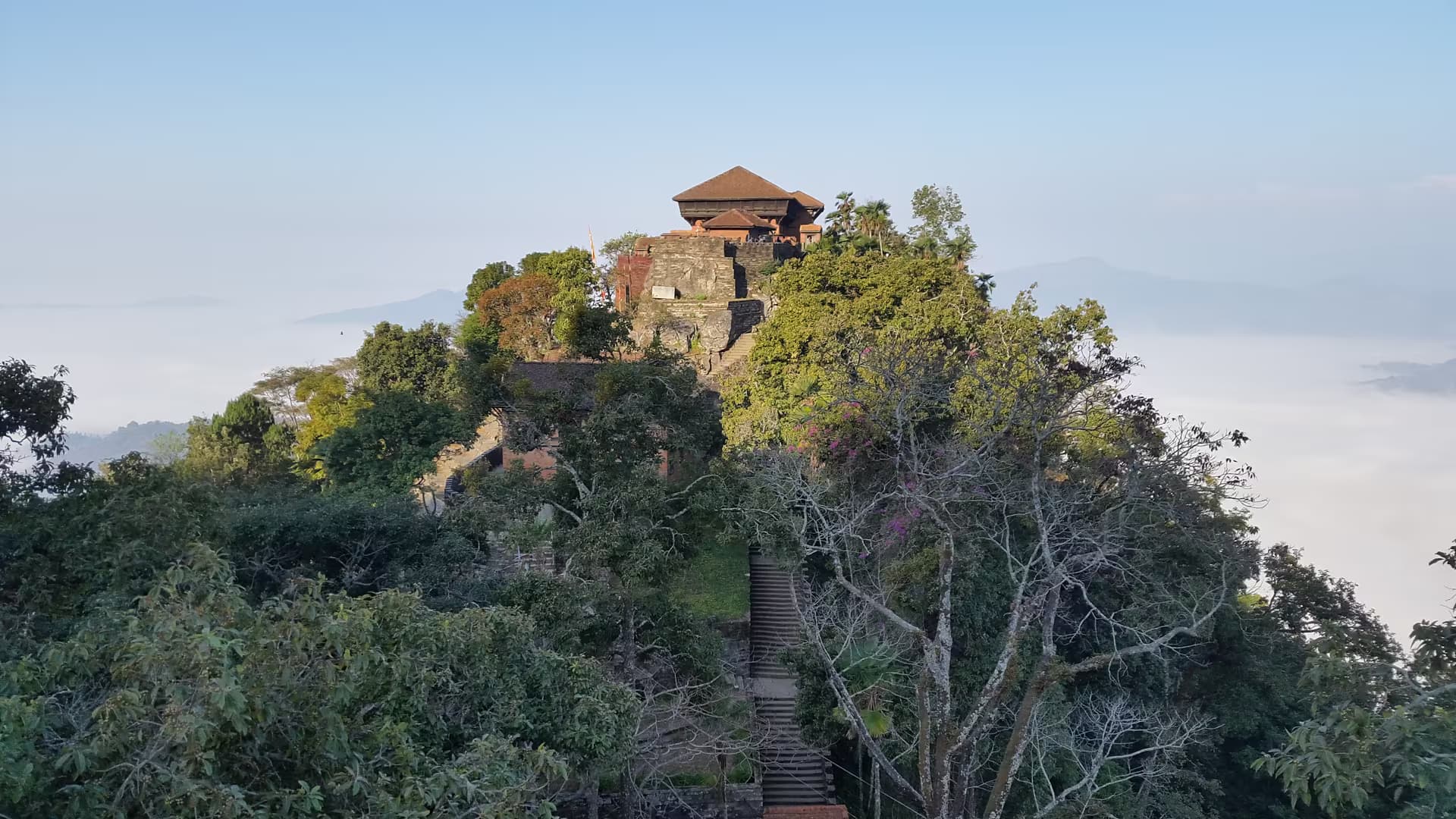
Gorkha Durbar
The origin point of the Fulpati procession, several days ahead of its arrival in Kathmandu
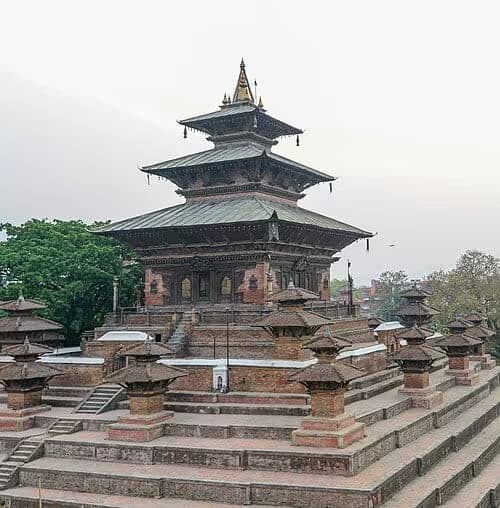
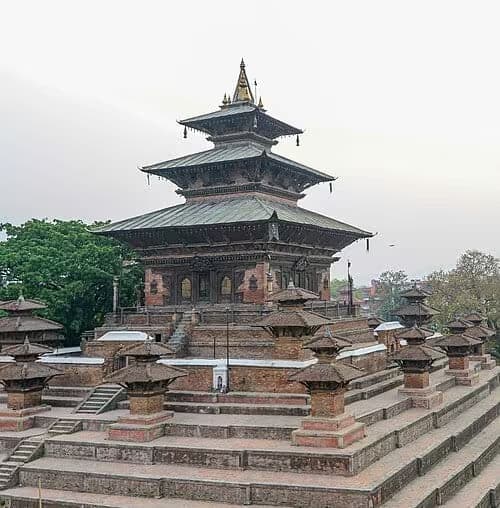
Taleju Temple
Closed to the public all year and open to Hindu devotees on Maha Navami
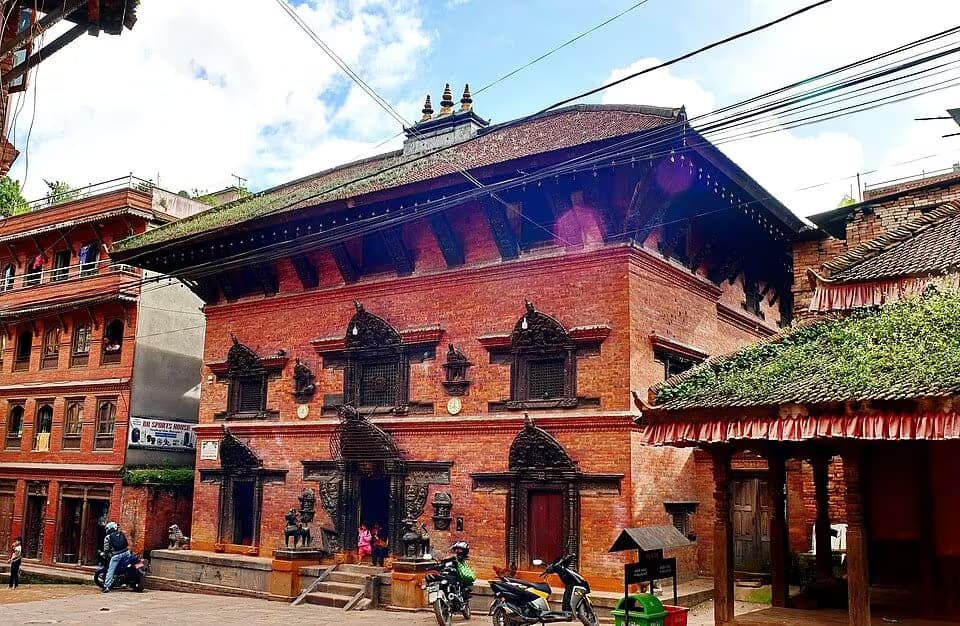
Navadurga Temple (Nava Durga Dyo Chhen)
Works through the nine forms of Durga in exactly the Navaratri cycle
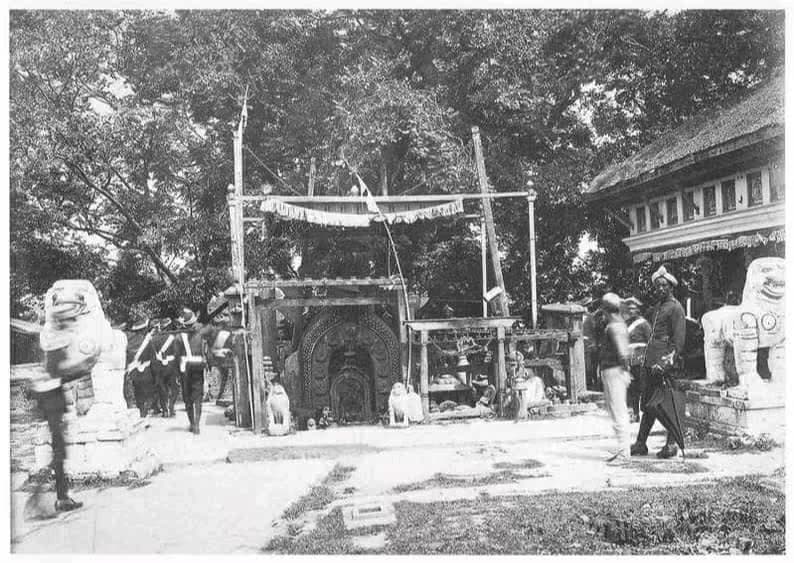
Bhadrakali Temple
On the valley's Navaratri circuit
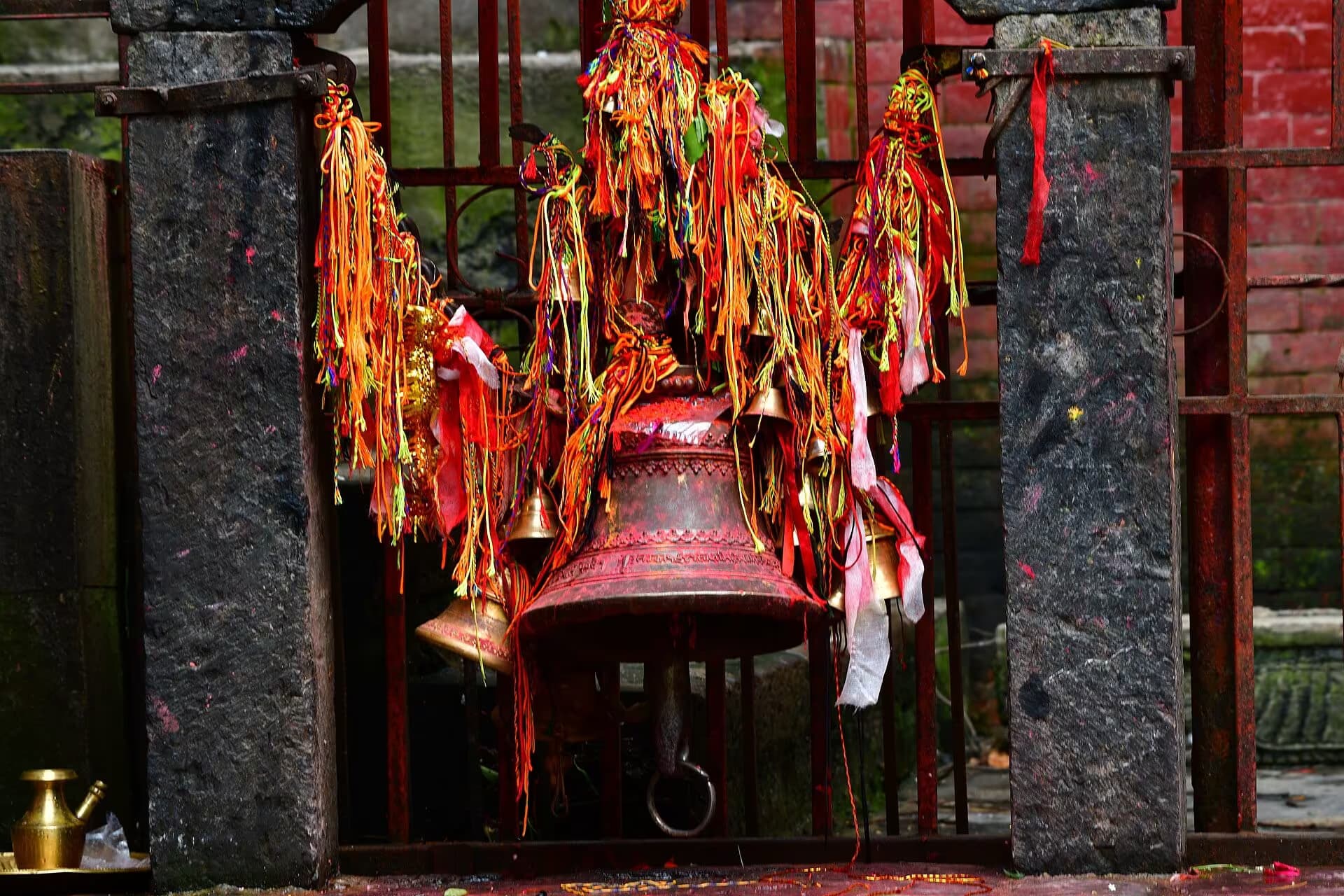
Dakshinkali Temple
The valley's principal sacrifice site, at its most crowded during Dashain
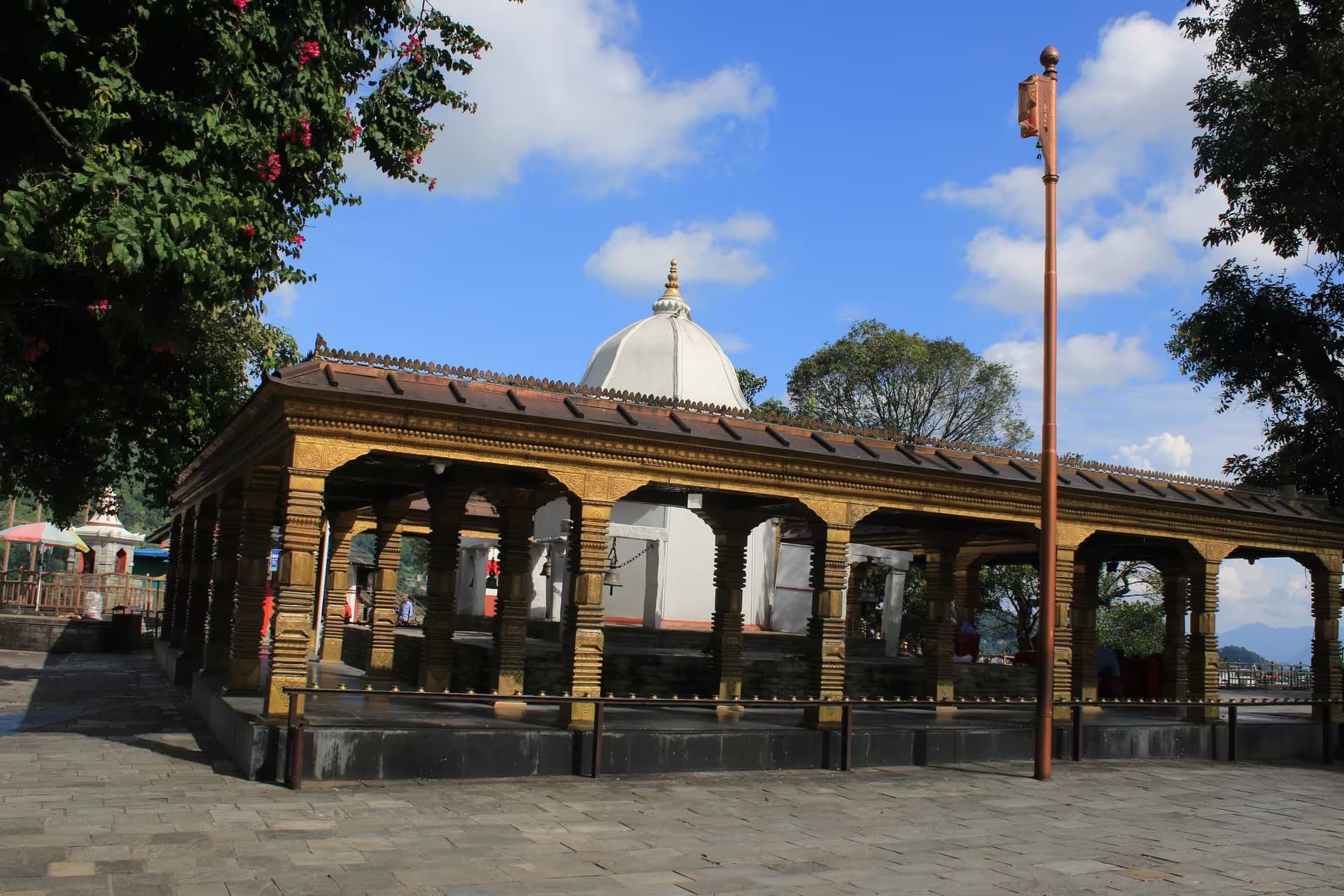
Bindhyabasini Temple
Pokhara's Dashain focus, outside the valley
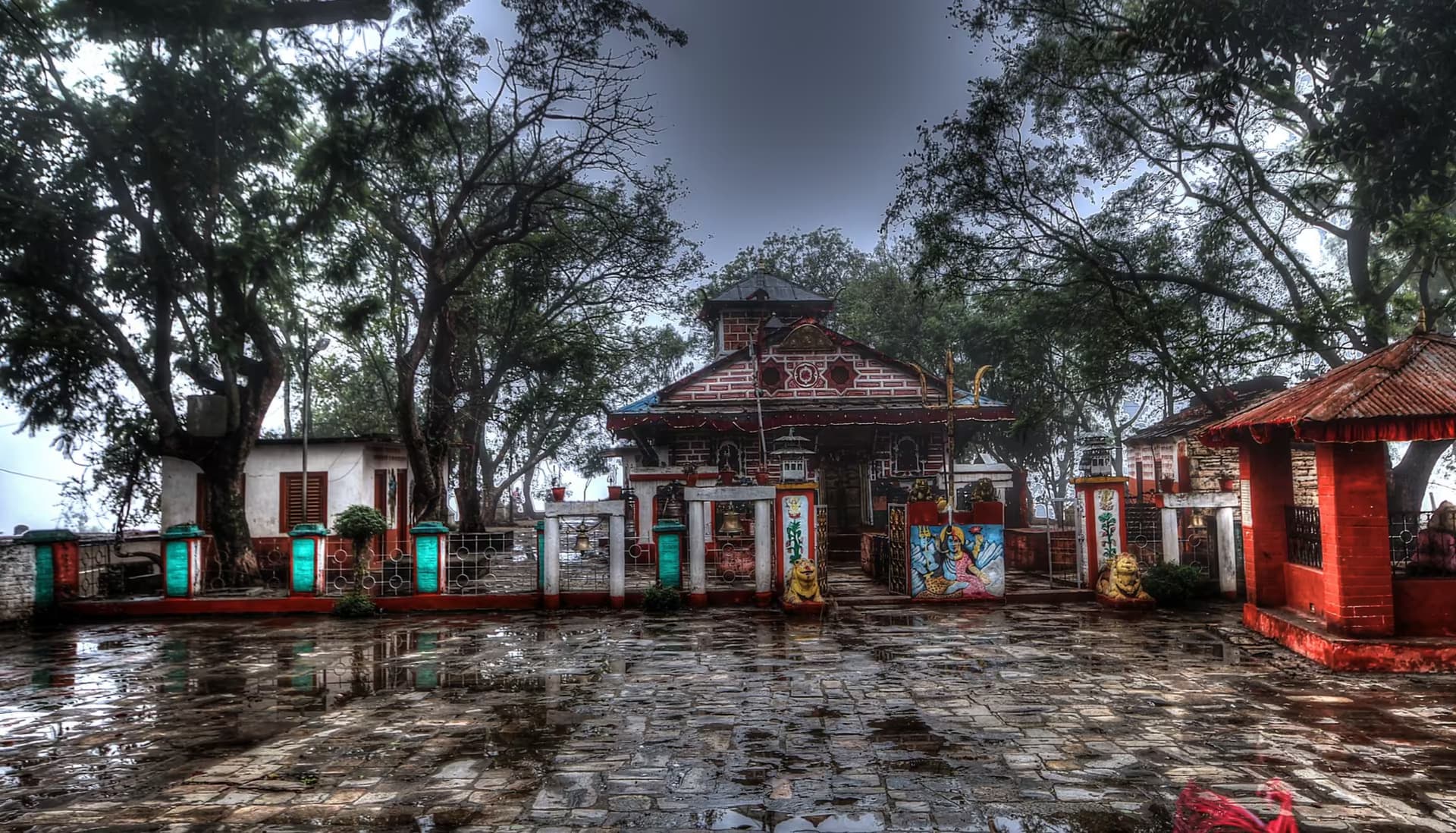
Doti (Silgadhi)
Navaratri and Dashain observances in the far west
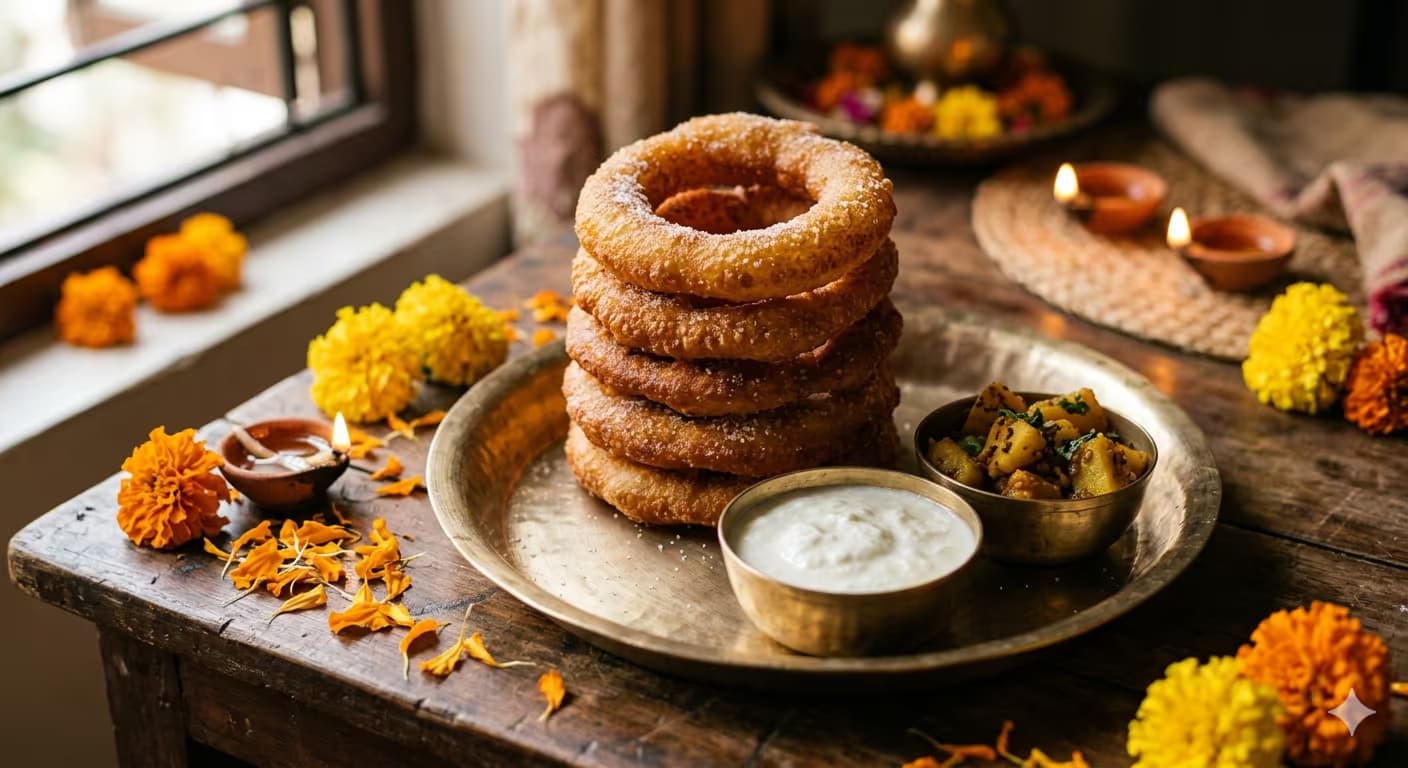
Sel Roti
Made in every household across the Dashain and Tihar season
Part of Dashain (Vijaya Dashami)