Who Is Awake?
Kojagrat comes from the Sanskrit Ko Jagrat — "who is awake?" According to the tradition, the goddess Laxmi descends to earth on the full moon night of Ashwin (roughly five days after Vijaya Dashami) and moves through homes and streets asking this question. Those who have kept vigil through the night — who are awake when she arrives — receive her blessing. Those who have slept miss her.
This is the mythological logic that makes Kojagrat Purnima a night of deliberate sleeplessness: candles and oil lamps burning, card games and dice played to stay awake, family members sitting together in lit rooms. The goddess cannot be received while asleep.
The Formal Close of Dashain
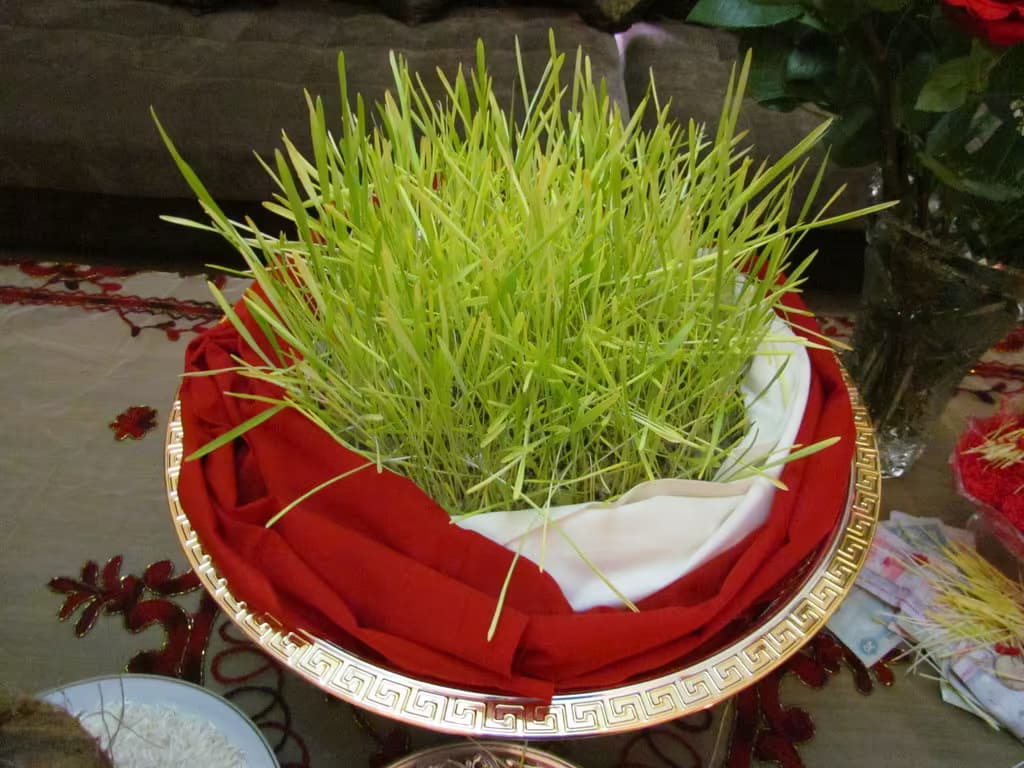
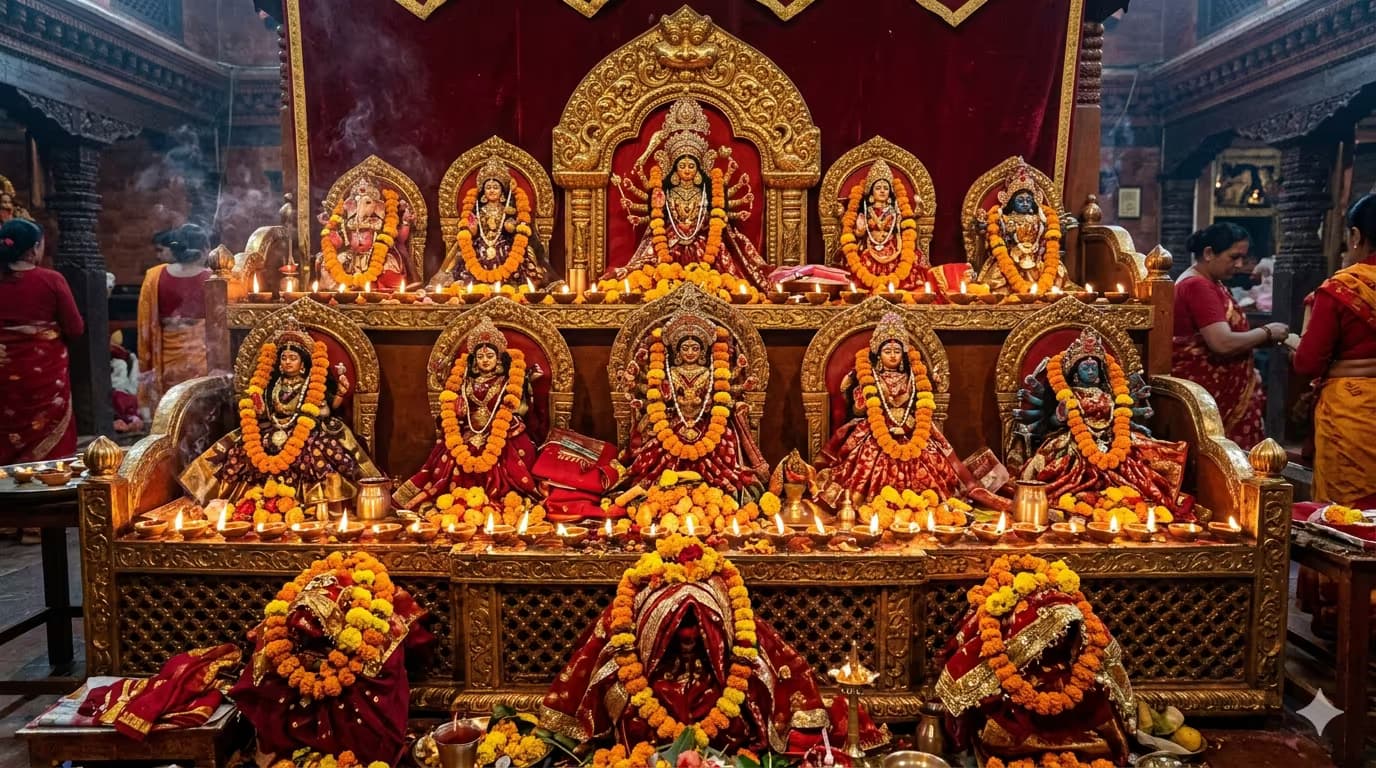
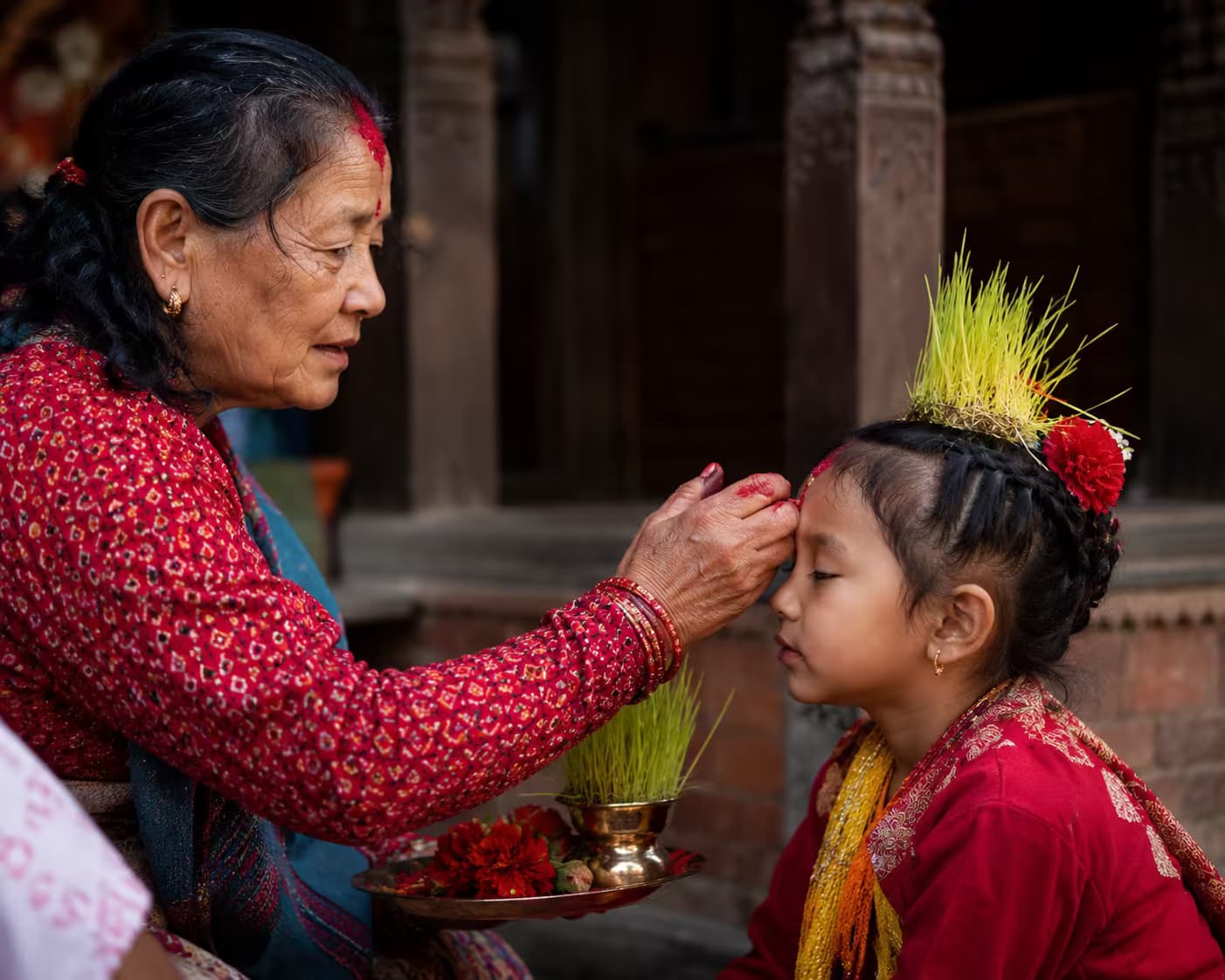
Kojagrat Purnima marks the ceremonial end of the Dashain period. The Dashain tika visits — which stretch from Dashami across the days following — are traditionally complete by the full moon. Household puja rooms that have been maintained since Ghatasthapana are formally closed. The jamara that remains is removed and disposed of with respect.
In some traditions, a final Laxmi puja is performed on Kojagrat night — lighting the household altar, placing fresh flowers, and inviting the goddess one more time before the festival season fully closes. The puja is lighter than Laxmi Puja on Tihar (still two weeks away); its emphasis is on completion rather than new invitation.
The Full Moon
The Ashwin full moon is one of the brightest of the year — Ashwin falls at the peak of autumn clarity, before the winter haze arrives. Rooftop gatherings, moonlit courtyard sitting, and the extended family's final meals together are common on Kojagrat night. The moon's brightness makes the night watchable without electric light, which in many accounts is part of the point: a night lit by the full moon and by the household's own lamps, with no need for anything else.
Laxmi's Arc
Kojagrat connects Dashain's close to Tihar's opening: Laxmi is invoked at the full moon to close the Dashain season, and invoked again — more elaborately — on Laxmi Puja night during Tihar two weeks later. The arc between the two festivals is not a gap but a continuation: the goddess of abundance is present through both, the full moon her arrival signal and the oil-lamp night her full welcome.
Related
Connected places and entries worth pairing
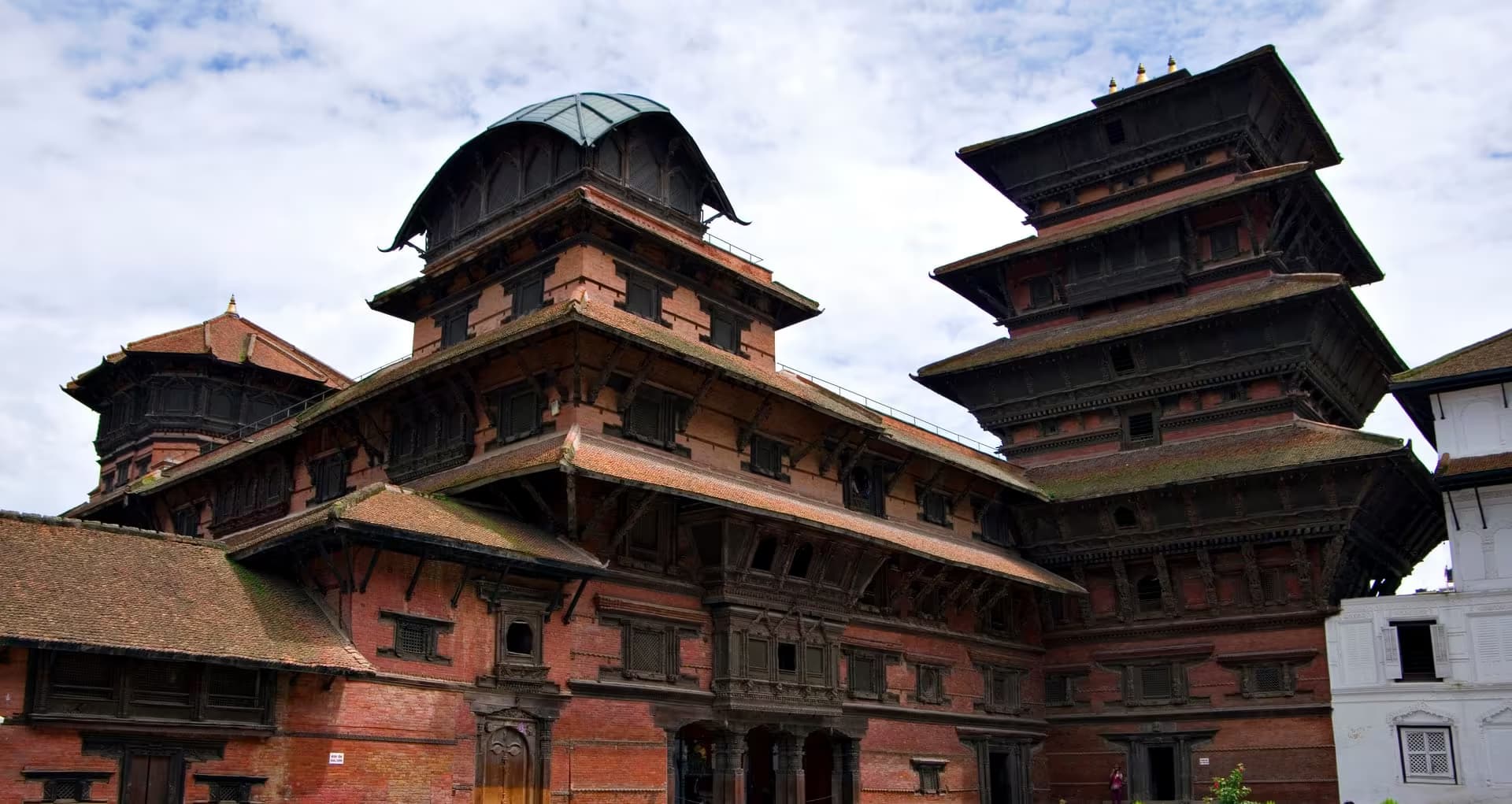
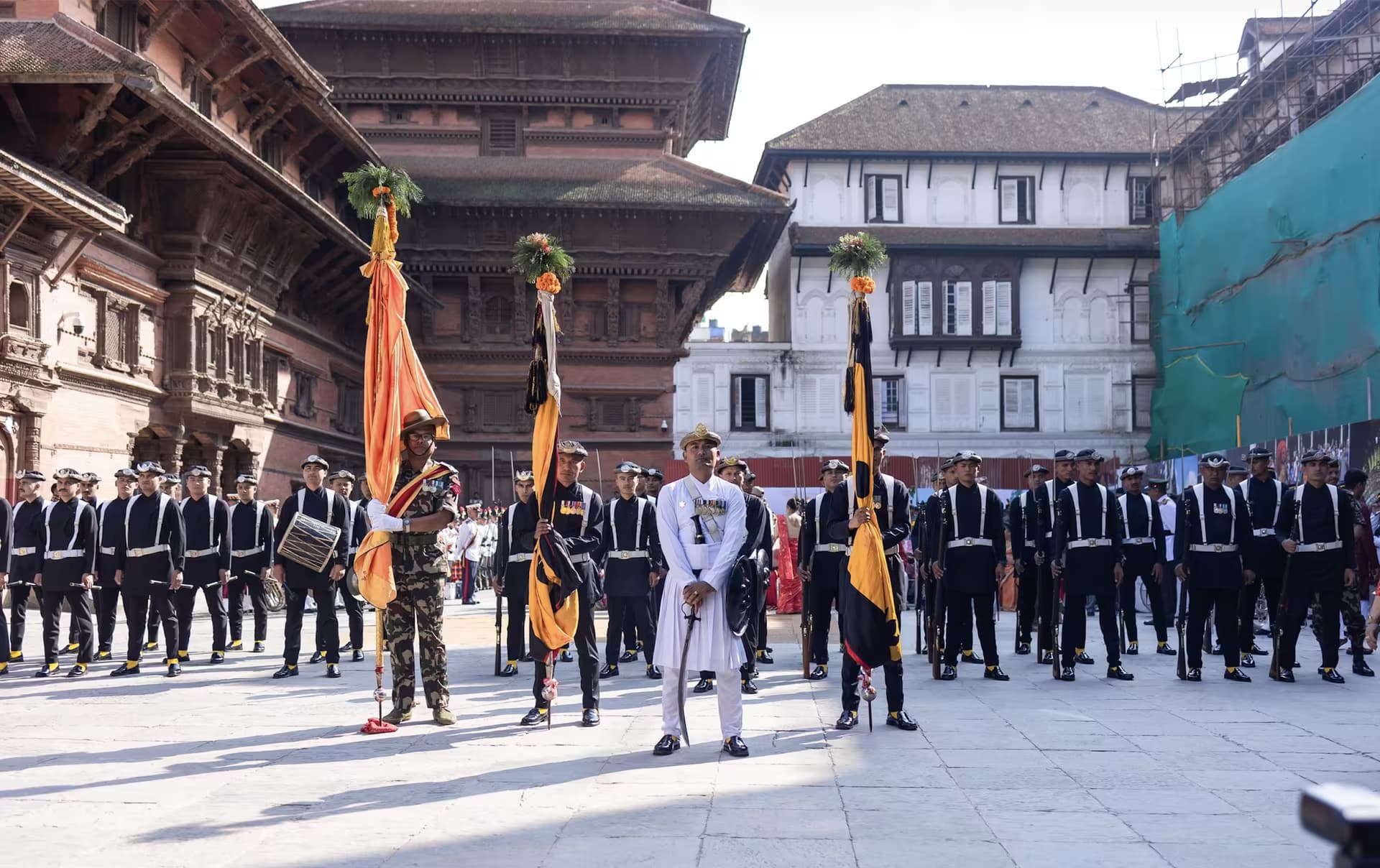
Kathmandu Durbar Square
Hanuman Dhoka takes the Fulpati arrival on the seventh day and the Kot sacrifices on Ashtami
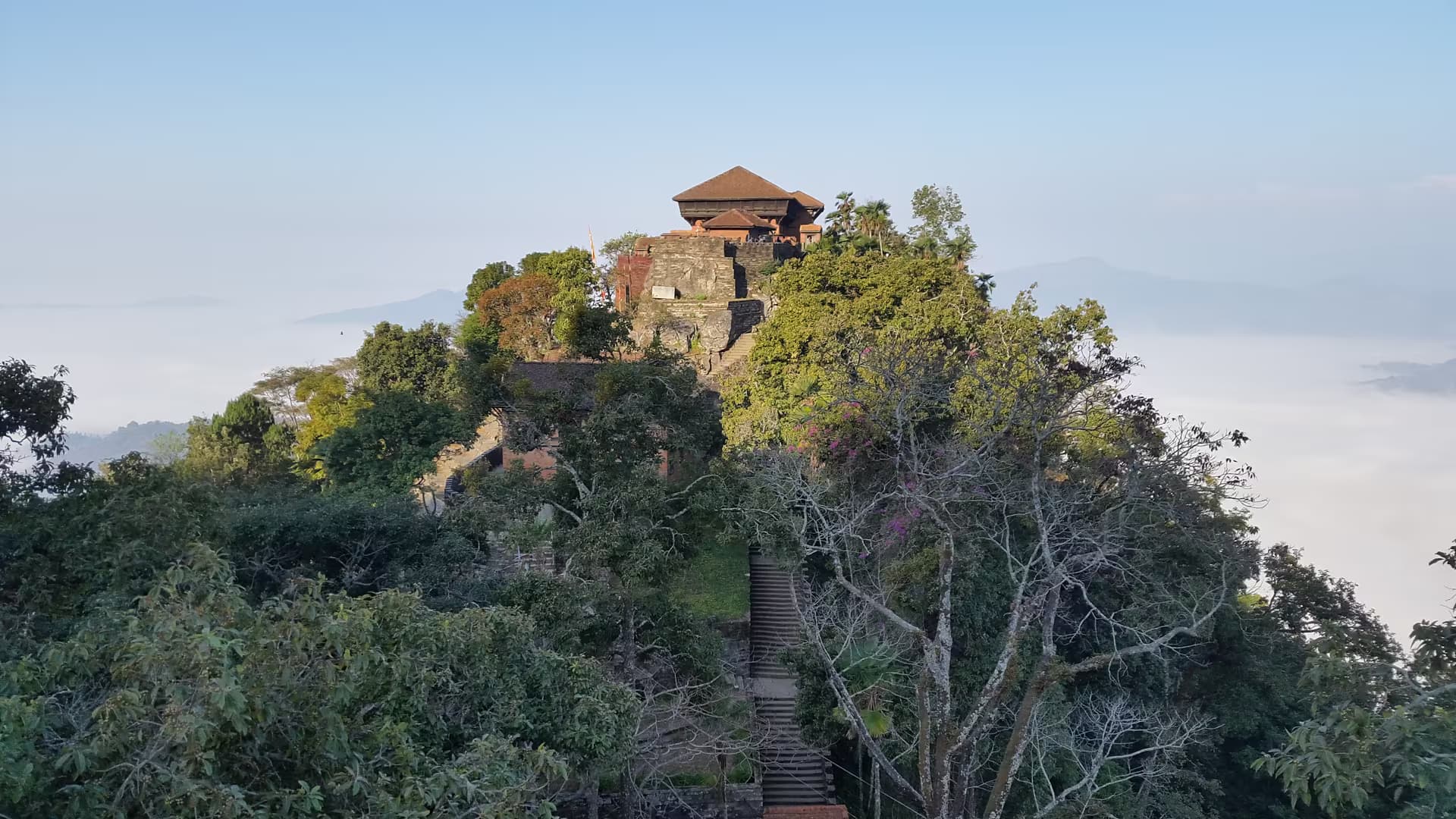
Gorkha Durbar
The origin point of the Fulpati procession, several days ahead of its arrival in Kathmandu
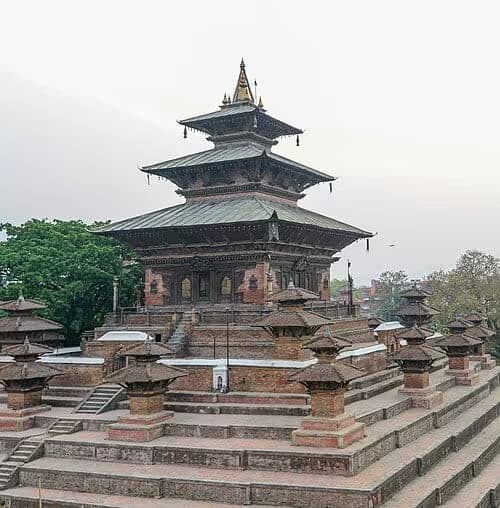
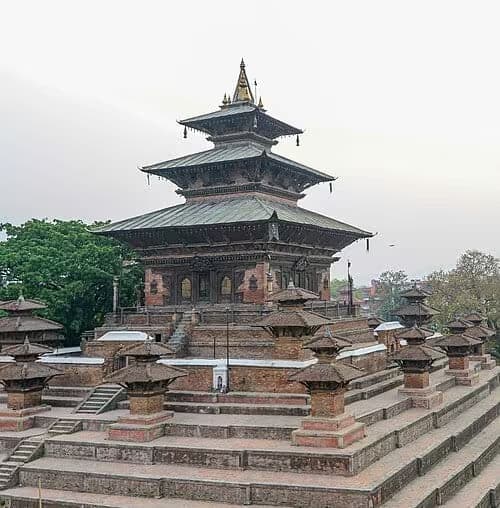
Taleju Temple
Closed to the public all year and open to Hindu devotees on Maha Navami
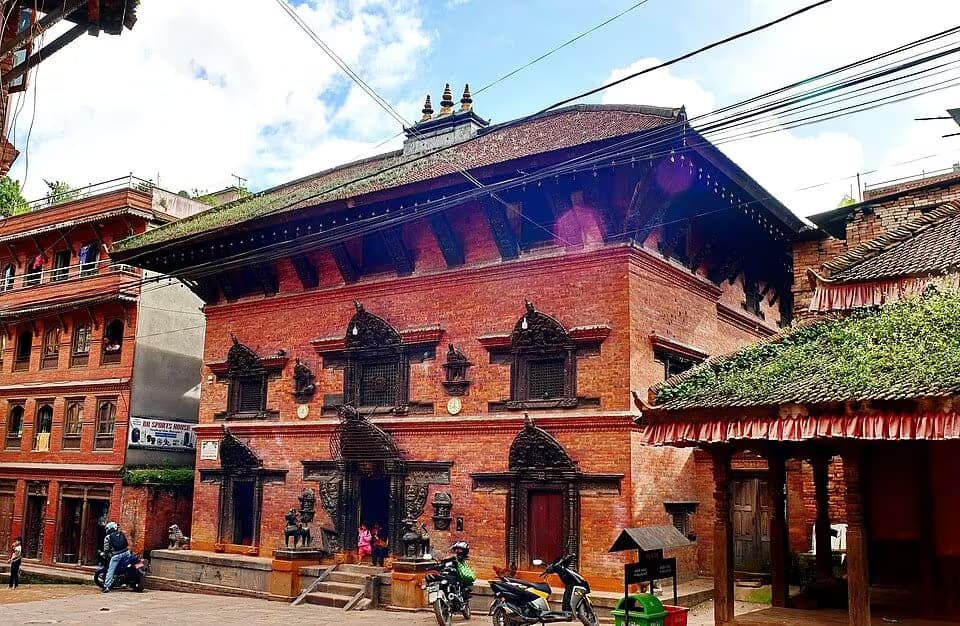
Navadurga Temple (Nava Durga Dyo Chhen)
Works through the nine forms of Durga in exactly the Navaratri cycle
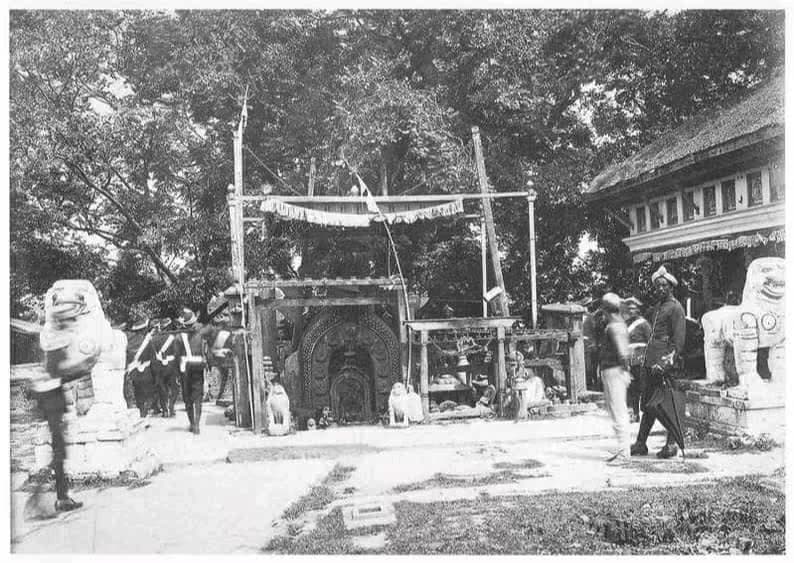
Bhadrakali Temple
On the valley's Navaratri circuit
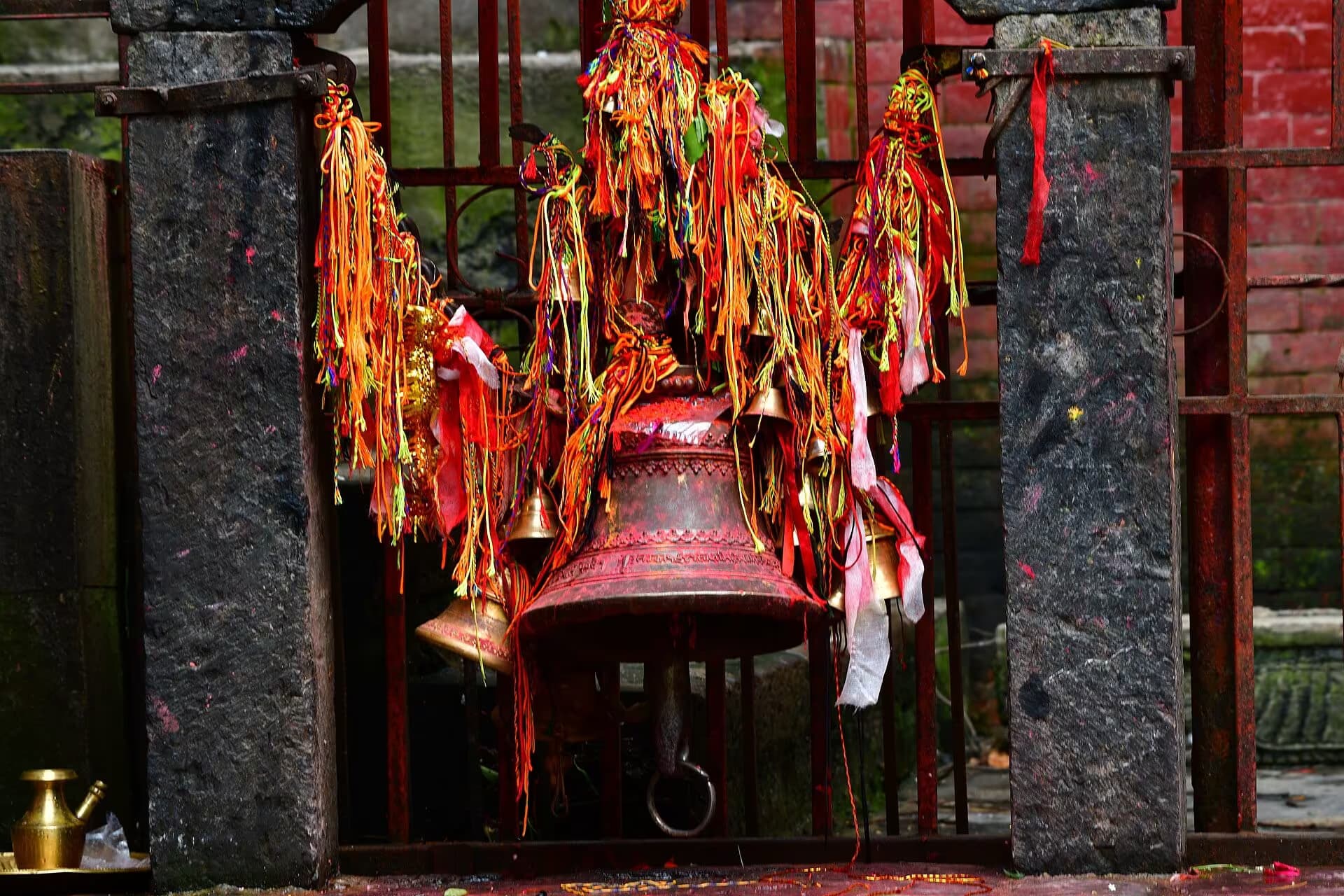
Dakshinkali Temple
The valley's principal sacrifice site, at its most crowded during Dashain
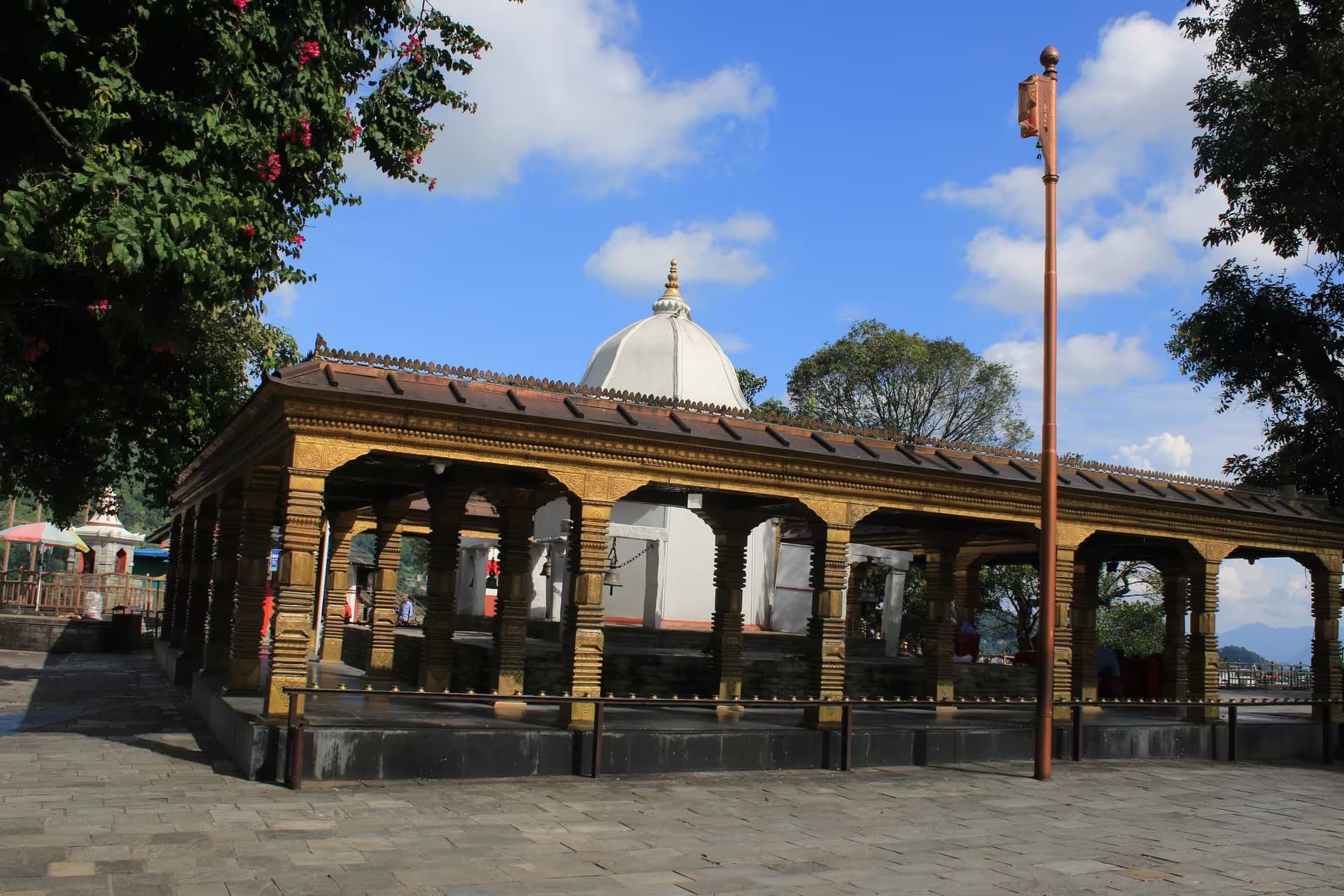
Bindhyabasini Temple
Pokhara's Dashain focus, outside the valley
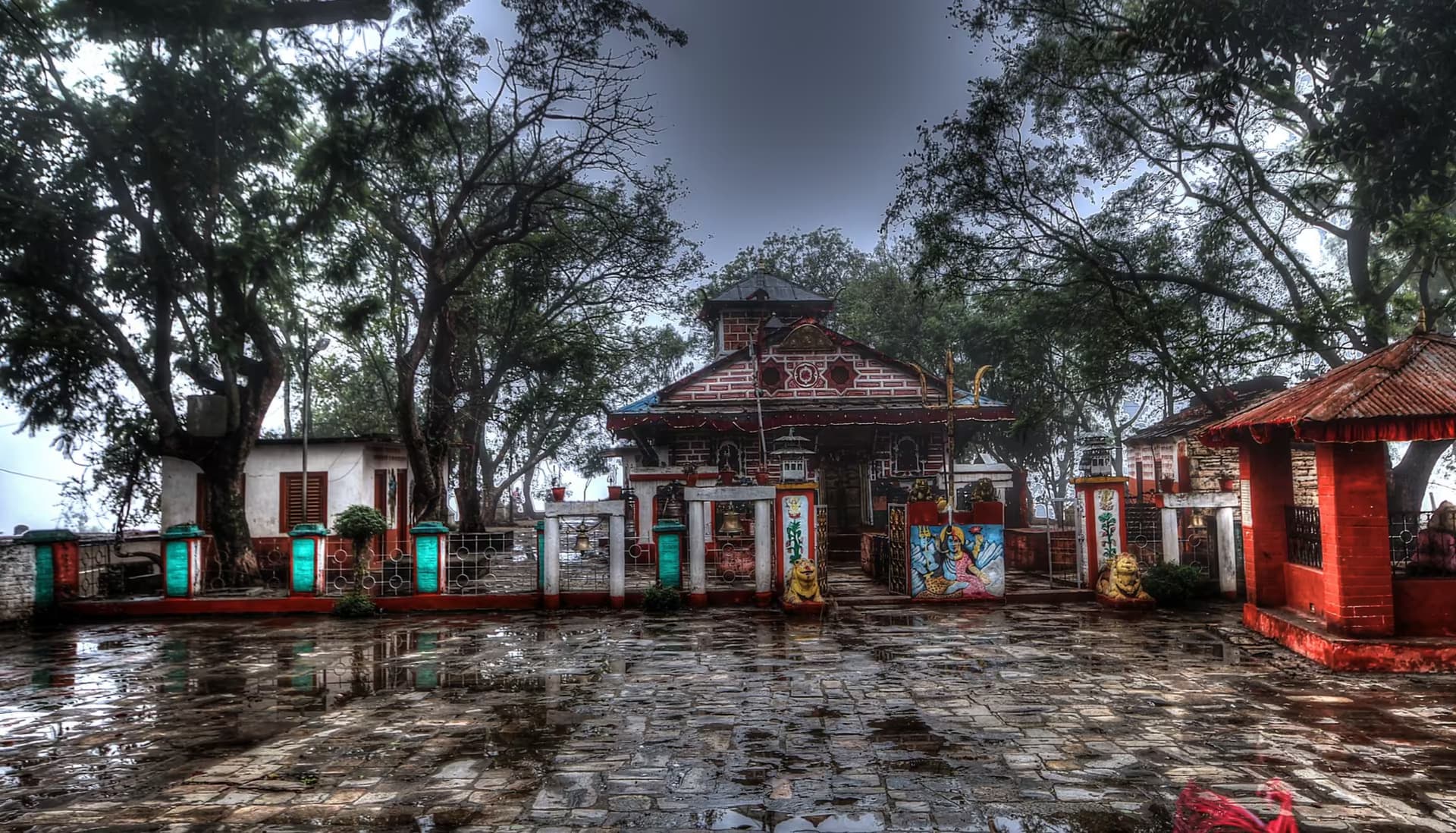
Doti (Silgadhi)
Navaratri and Dashain observances in the far west
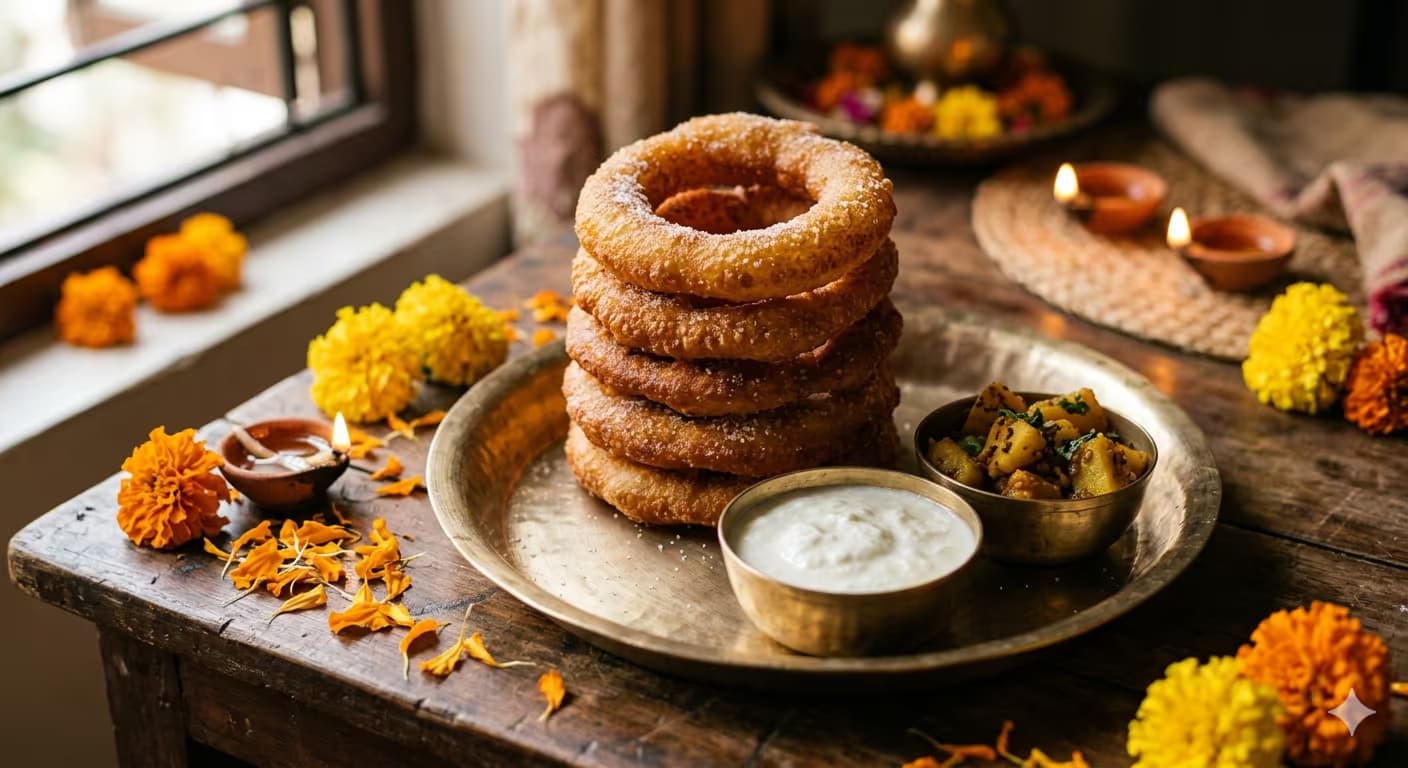
Sel Roti
Made in every household across the Dashain and Tihar season
Part of Dashain (Vijaya Dashami)