The Pole and Its Names
The ceremonial pole raised each year at the beginning of Indra Jatra is called Yosin (योसिं) in Nepal Bhasa — sometimes also transliterated as Yoh-sing. In Nepali it is called lingo, but the Nepal Bhasa name is preferred when discussing the festival in its Newar cultural context.
The Yosin is not a piece of permanent infrastructure. It is a freshly felled tree — traditionally a pine or other tall straight timber — cut specifically for the festival from a designated forest area outside the valley. The selection of the tree is a ritual act: the tree must be straight, unblemished, and of appropriate height, and its felling is accompanied by prayers and offerings.
Raising Day
On the first day of Indra Jatra, the Yosin is raised in the open square at Hanuman Dhoka — the old royal palace complex — in a ceremony that requires coordinated effort from a large team of men who haul the pole upright using ropes while priests conduct simultaneous puja. As the pole rises and locks into its base, the crowd gathered in Basantapur cheers: this is the moment the festival formally begins.
The pole is decorated with cloth, flowers, and sacred imagery. At its summit hangs an image of Indra — or, in some accounts, of the demon Sveta, whose capture by the city's defenders is part of the festival's origin narrative. The pole's height — it rises well above the surrounding buildings — makes it visible from throughout the old city.
Axis Mundi Symbolism
In the cosmological framework of the festival, the Yosin functions as an axis mundi — a vertical connector between the three worlds (underworld, human realm, celestial realm) that temporarily aligns them during the festival period. Its raising marks the opening of sacred time; its lowering on the eighth day marks the closing.
The pole also functions as Indra's victory standard — the sign of the god's presence in the valley and his authority over the dew and rain that will nourish the coming agricultural cycle. In this sense, raising the Yosin is not merely celebratory but agricultural: it secures the season's blessing.
Lowering
On the eighth and final day of Indra Jatra, the Yosin is lowered with the same ceremony and coordination required to raise it. Its descent marks the end of the festival — Indra is released, the sacred time closes, and the world returns to ordinary rhythm. The timber may be distributed or kept as a sacred object; the specific customs vary by year and community.
Related
Connected places and entries worth pairing
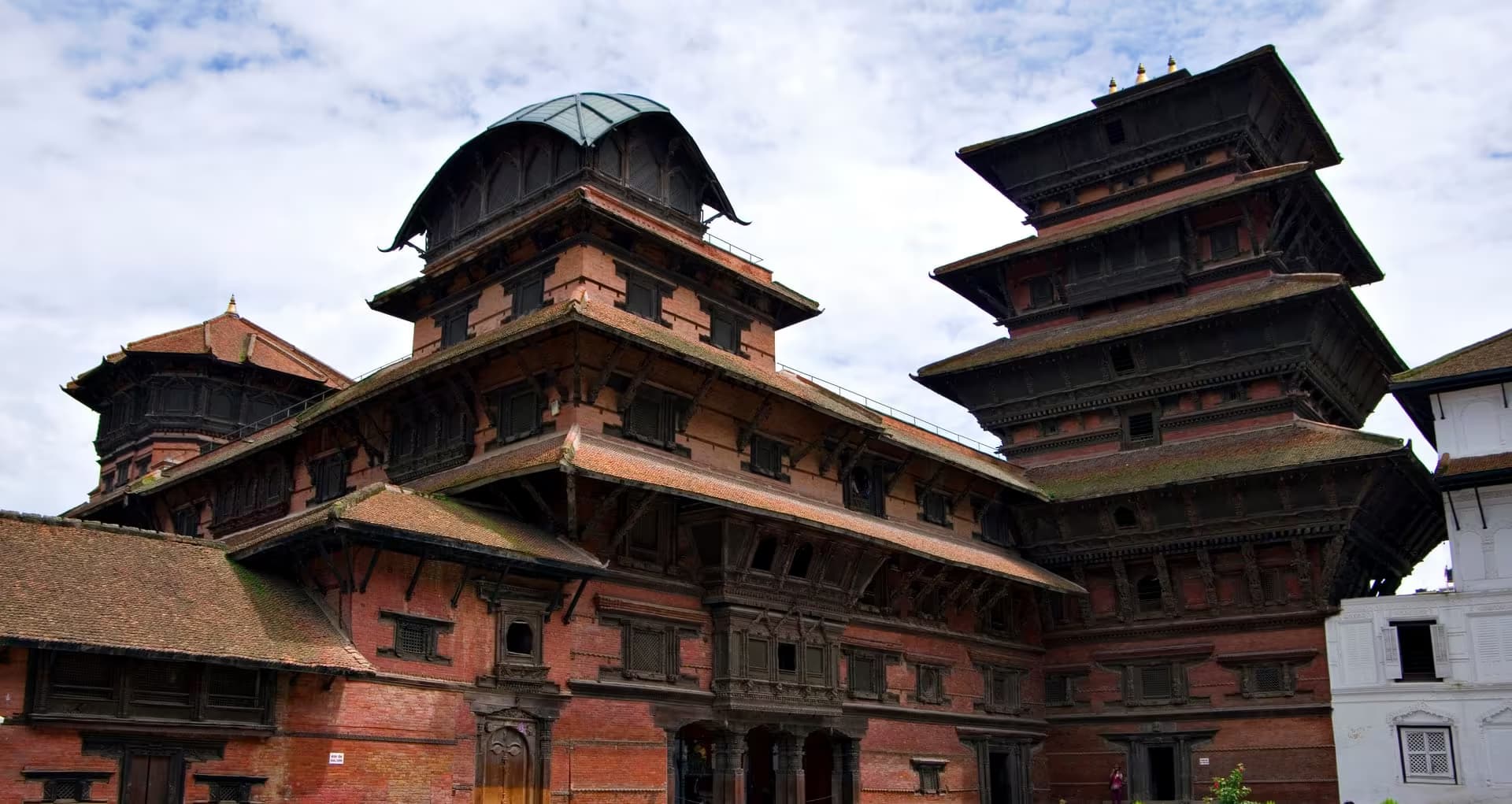
Kathmandu Durbar Square
The eight-day street festival centres on the square and the lanes around Hanuman Dhoka
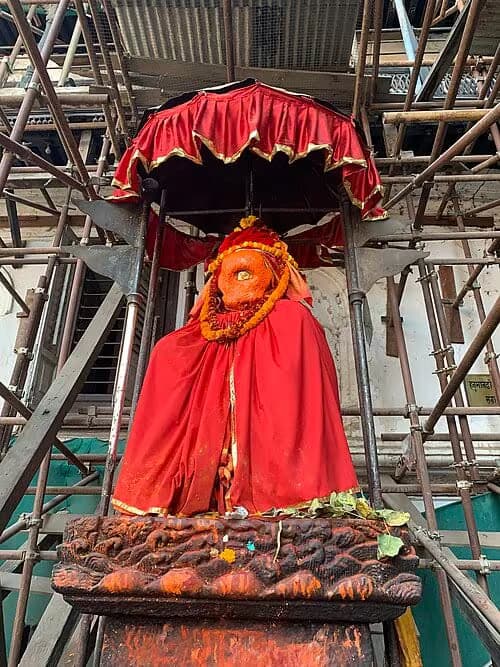
Hanuman Statue (Hanuman Dhoka)
The old royal palace entrance, where the Yosin pole rituals happen
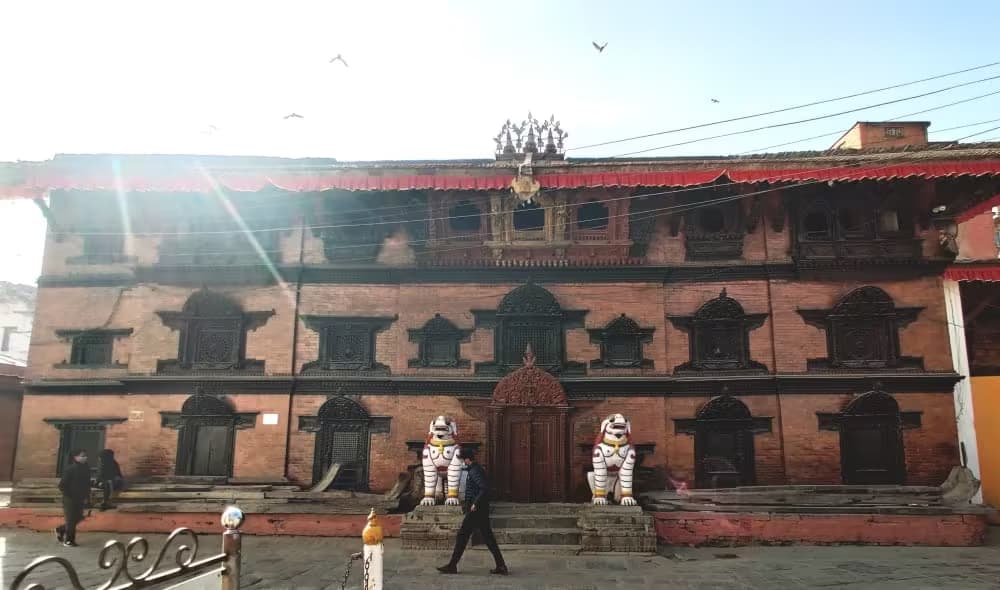
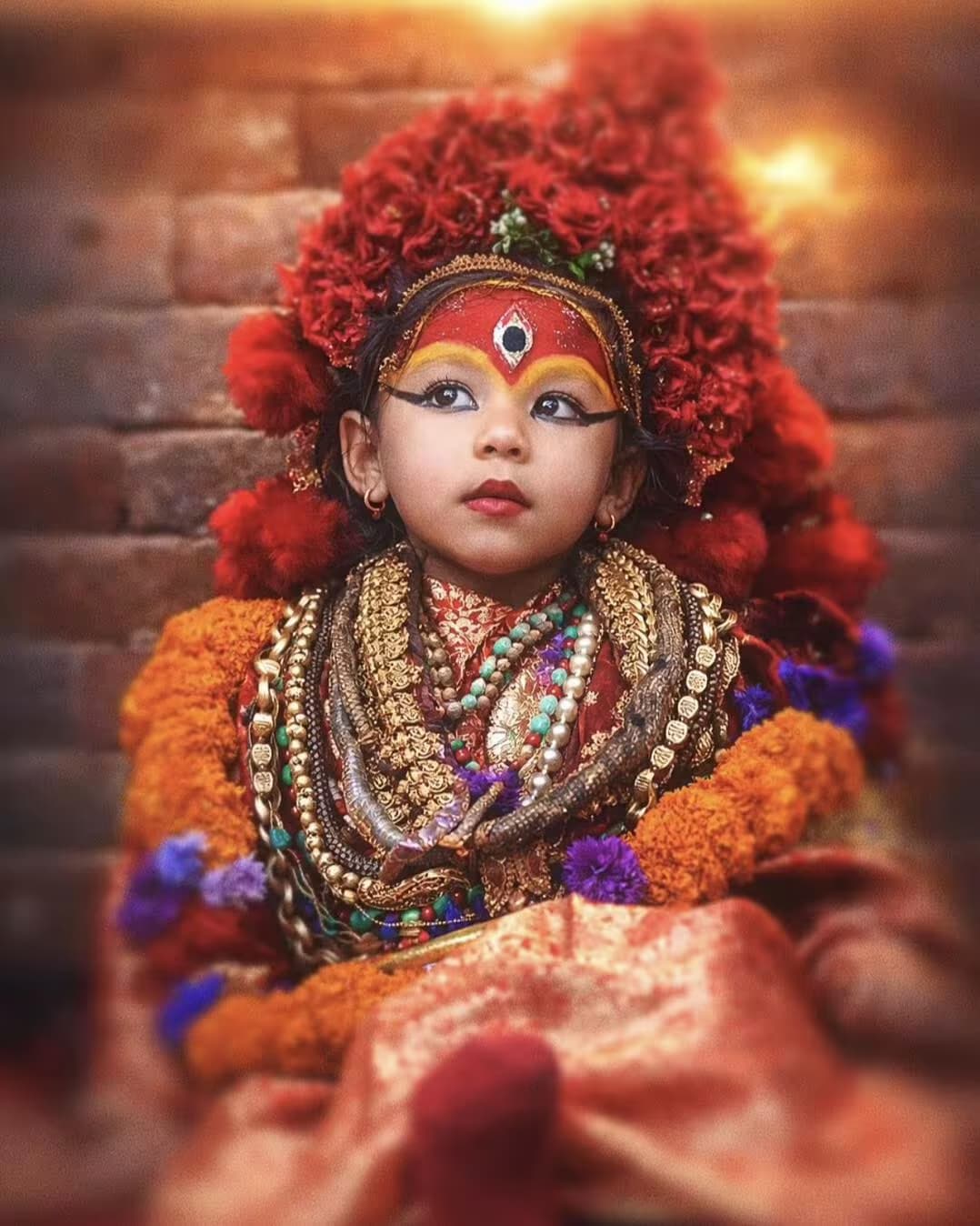
Kumari Ghar
The Kumari's residence, a few steps from where her chariot waits
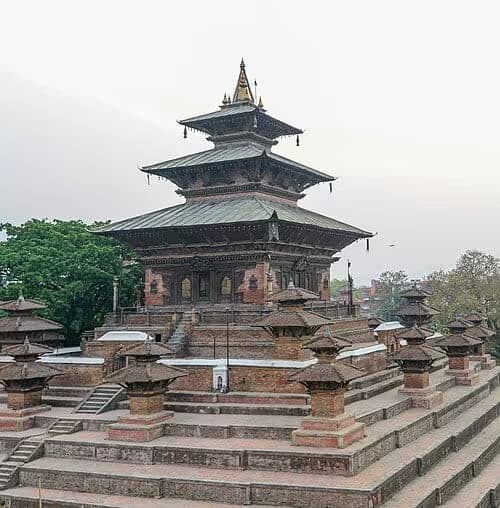
Taleju Temple
The Malla kings' tutelary goddess, whose main gate the Thaneya route passes at Makhan Tole
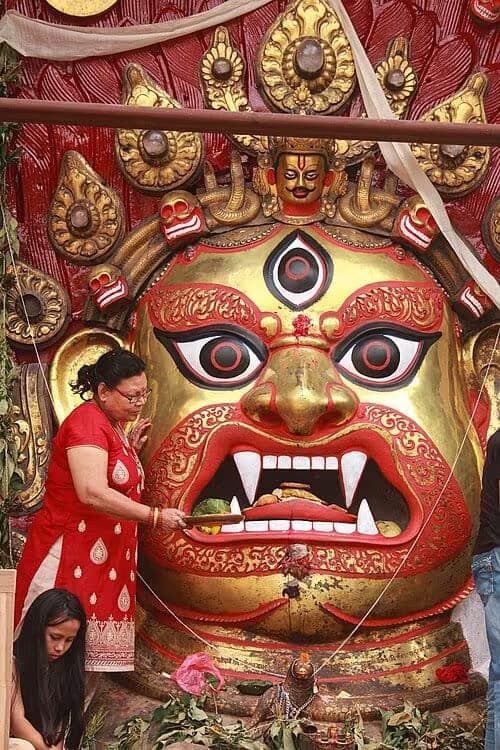
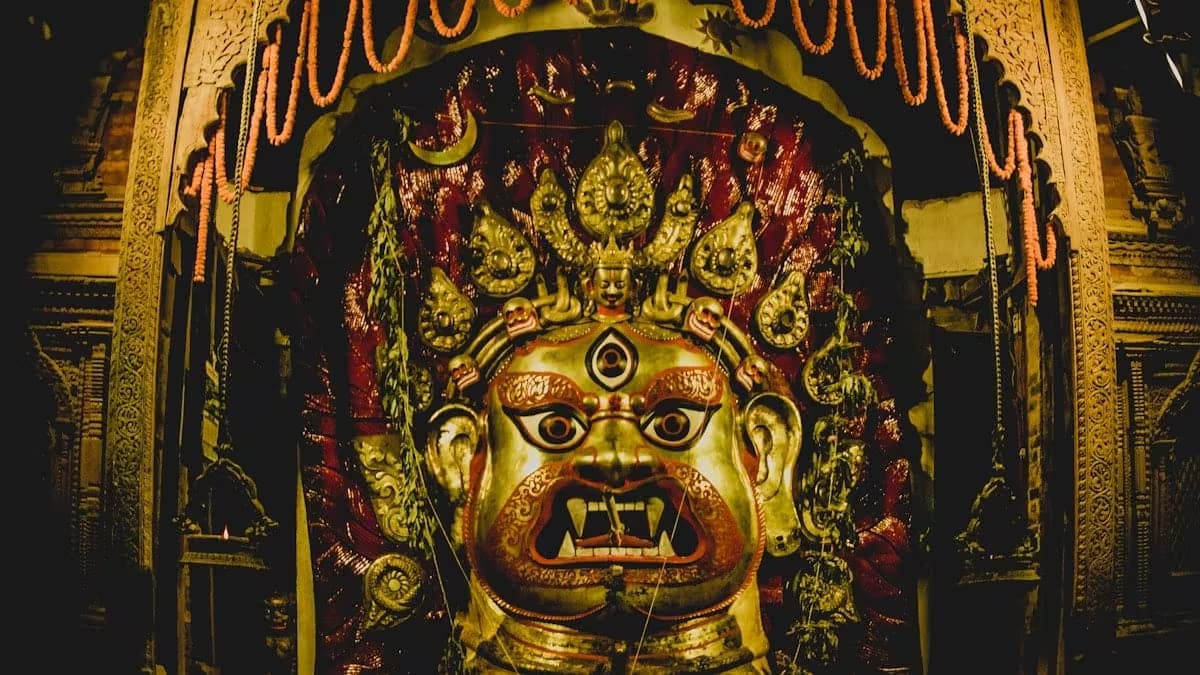
Swet Bhairav
The gilded screen at Makhan Tole, opened for only these eight days of the year
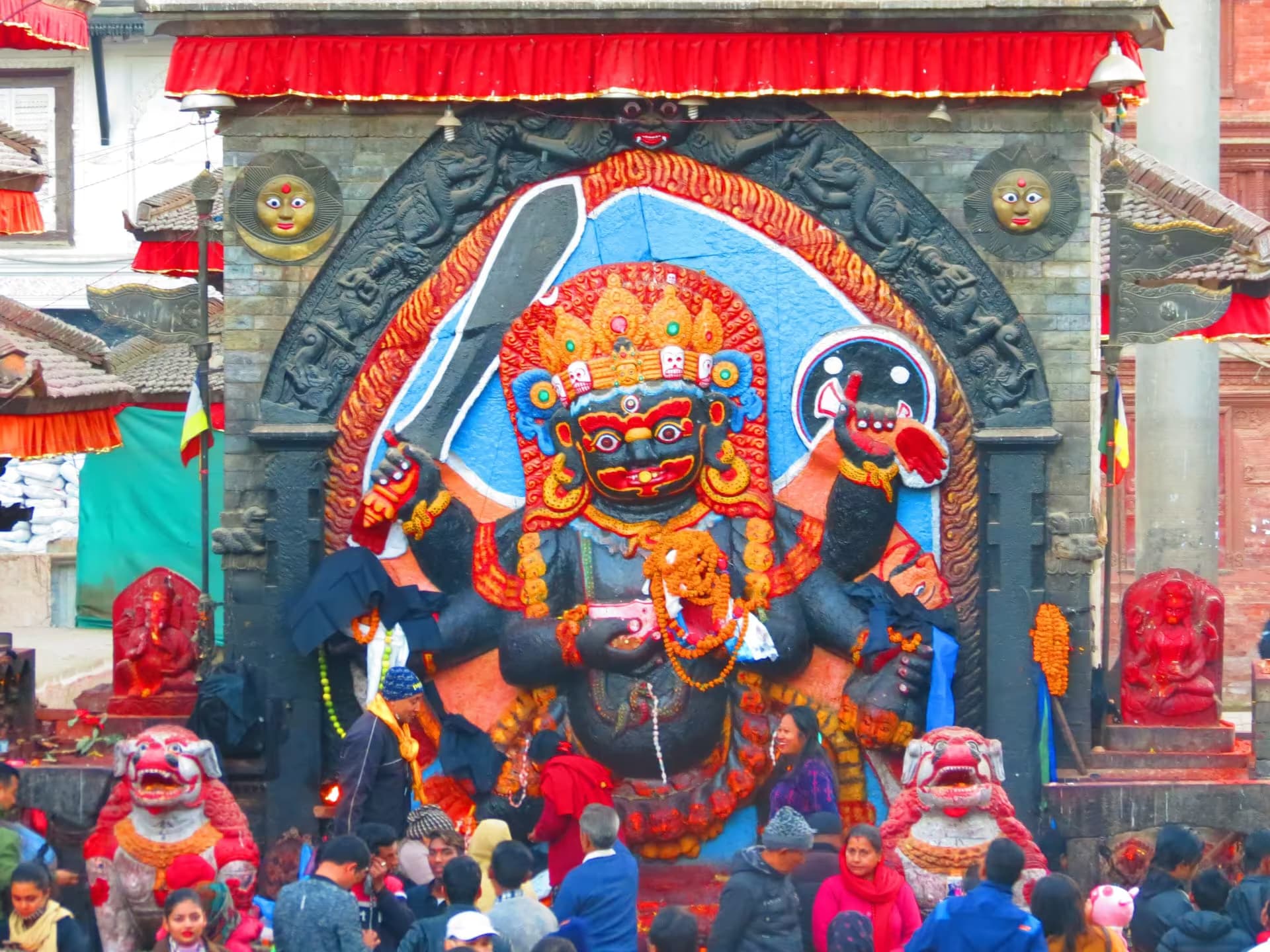
Kal Bhairav
The great stone Bhairav on the square, drawing worship through the festival week
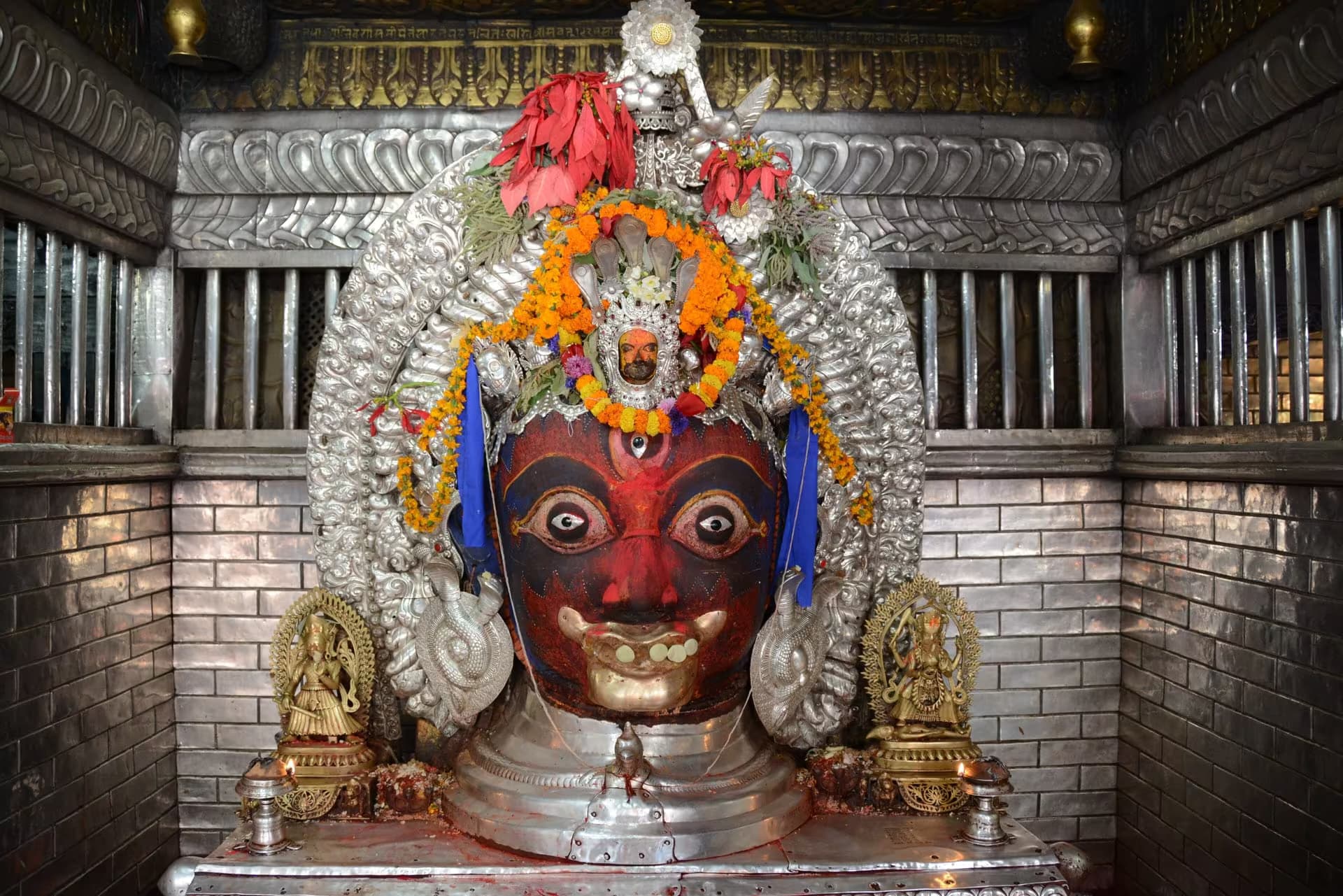
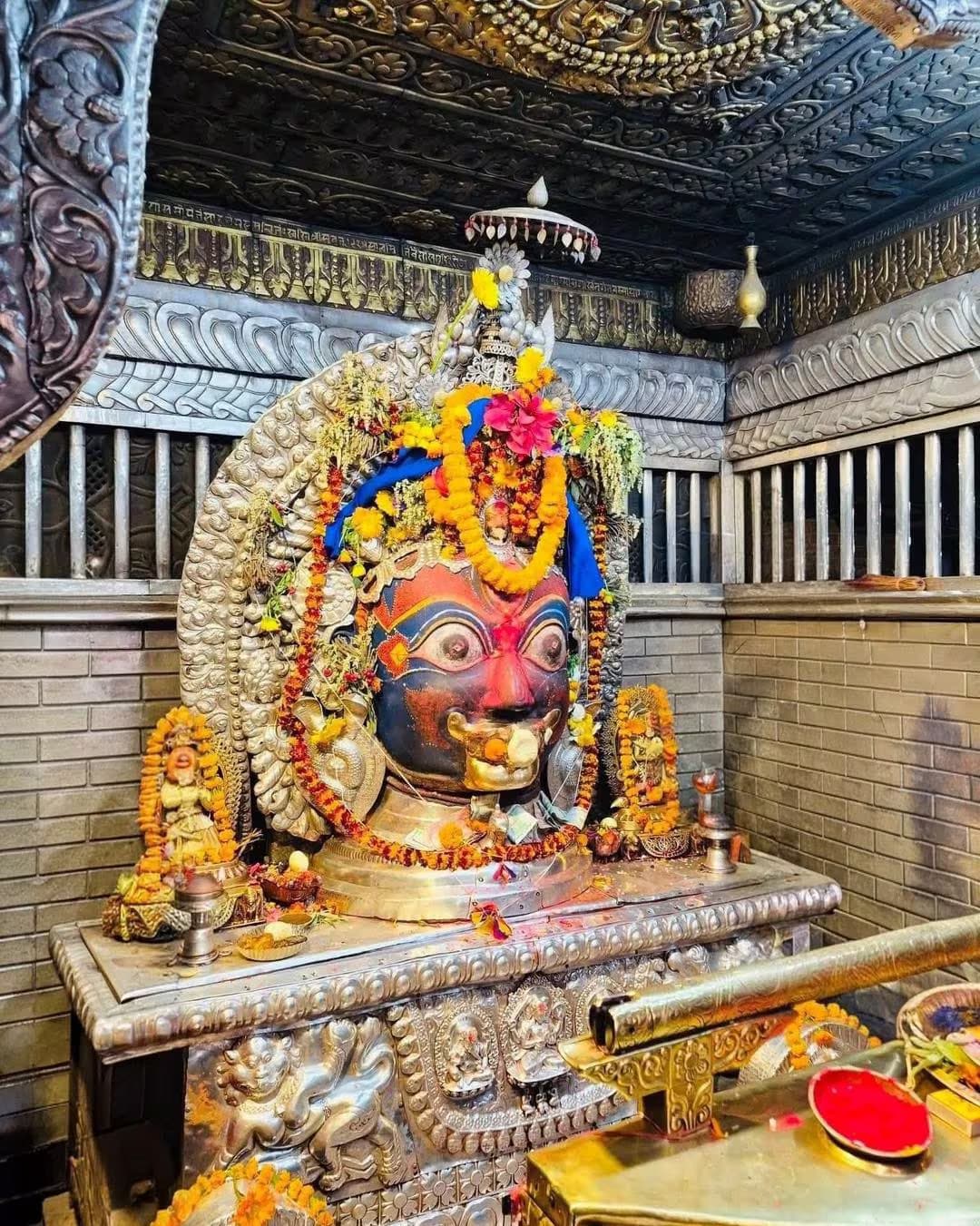
Akash Bhairav Temple
At Indra Chowk on the Thaneya route, where the silver head is brought down to street level
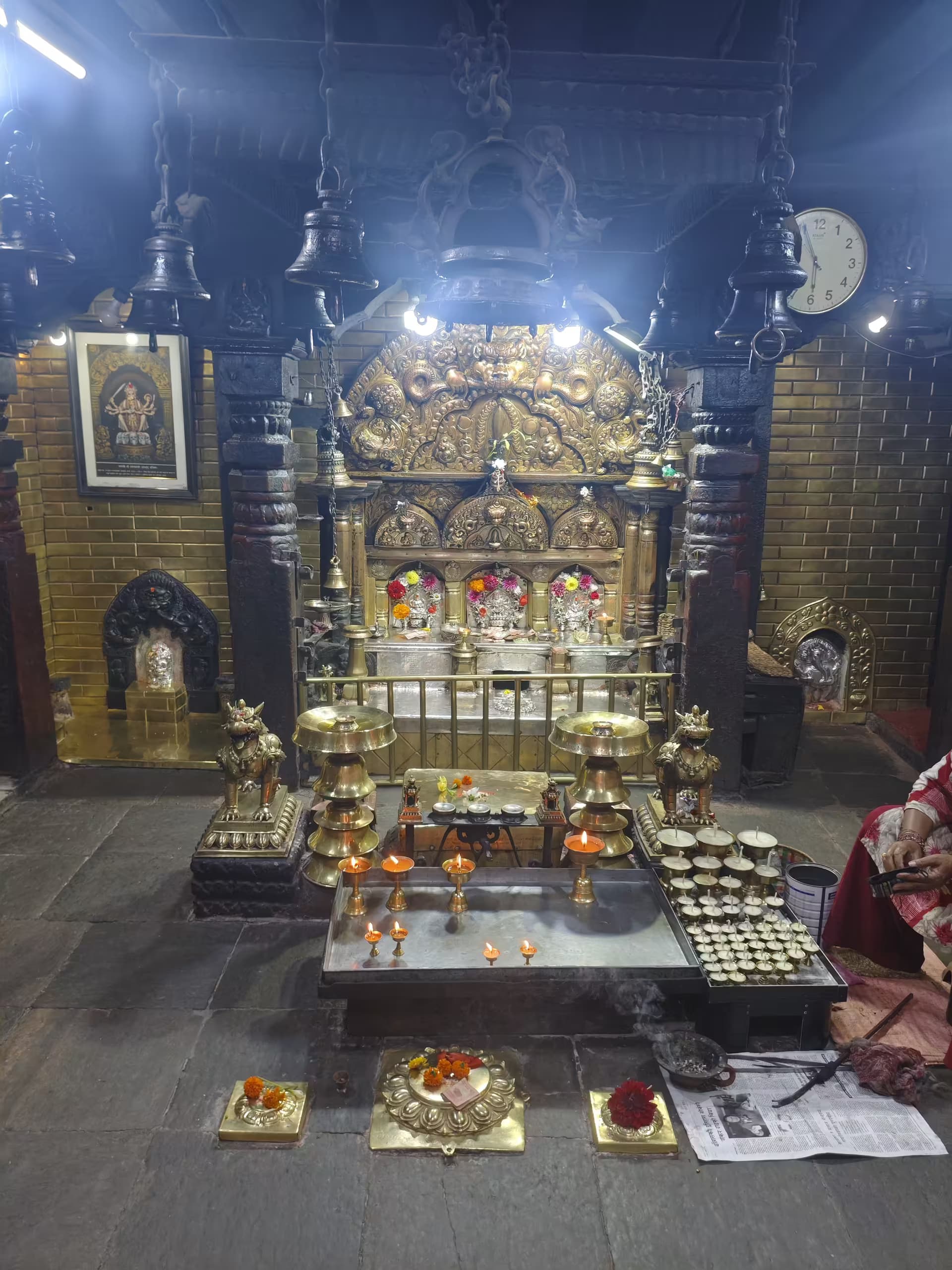
Naradevi Temple
On the inner-lane return leg of the Kwaneya route
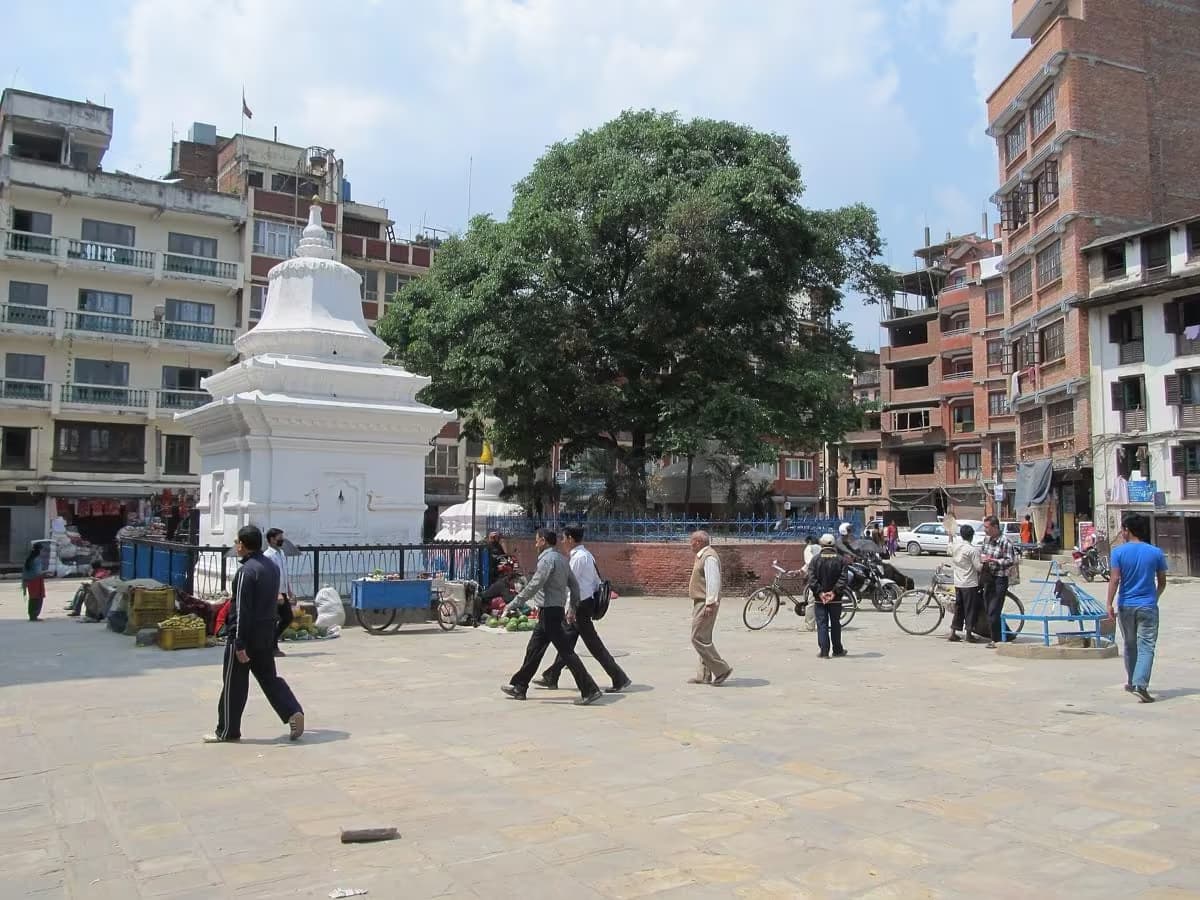
Lagan Bahal (Kirtipunya Mahavihar)
In Lagan Tole, one of the oldest quarters the long southern route threads through
Deities & Presences
Dances
Rituals & Ceremonies
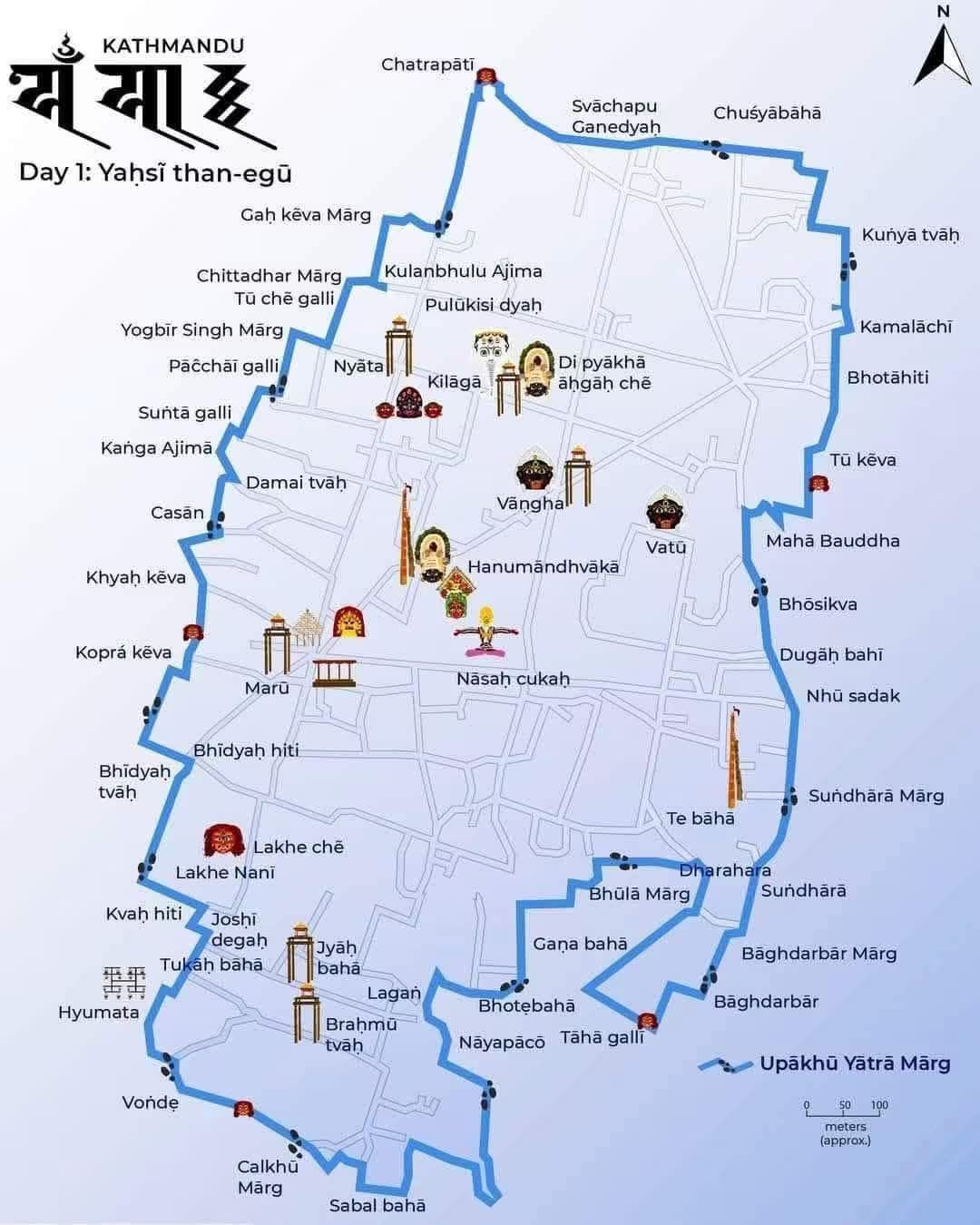
Procession Routes
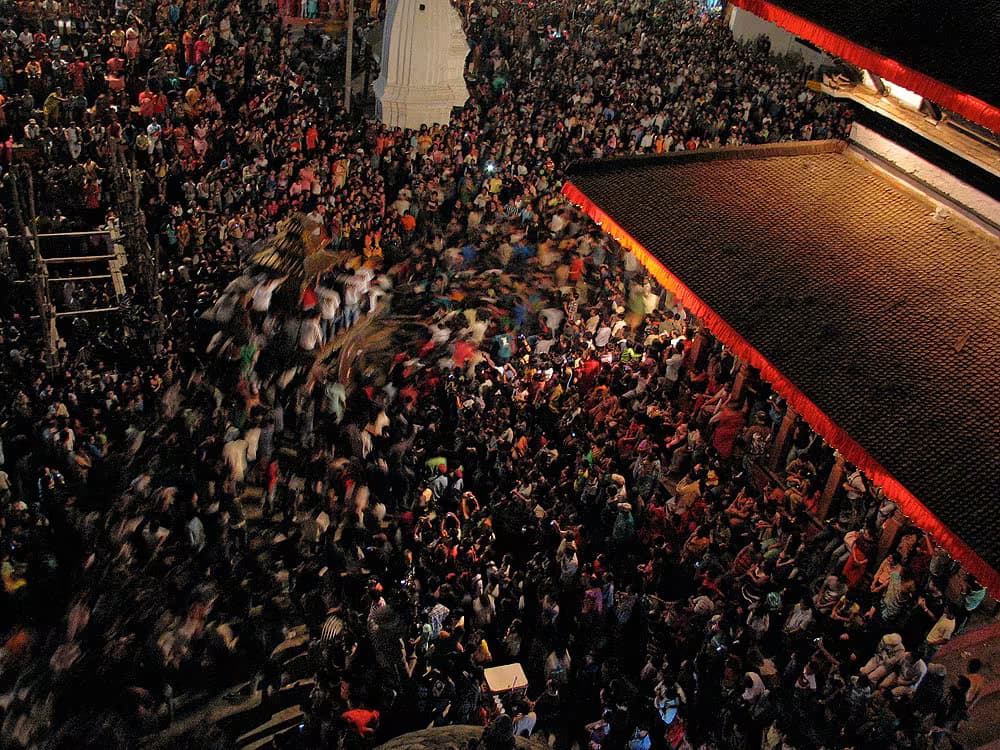
Part of Indra Jatra